

Jaguar tests electric prototypes in the Arctic Circle
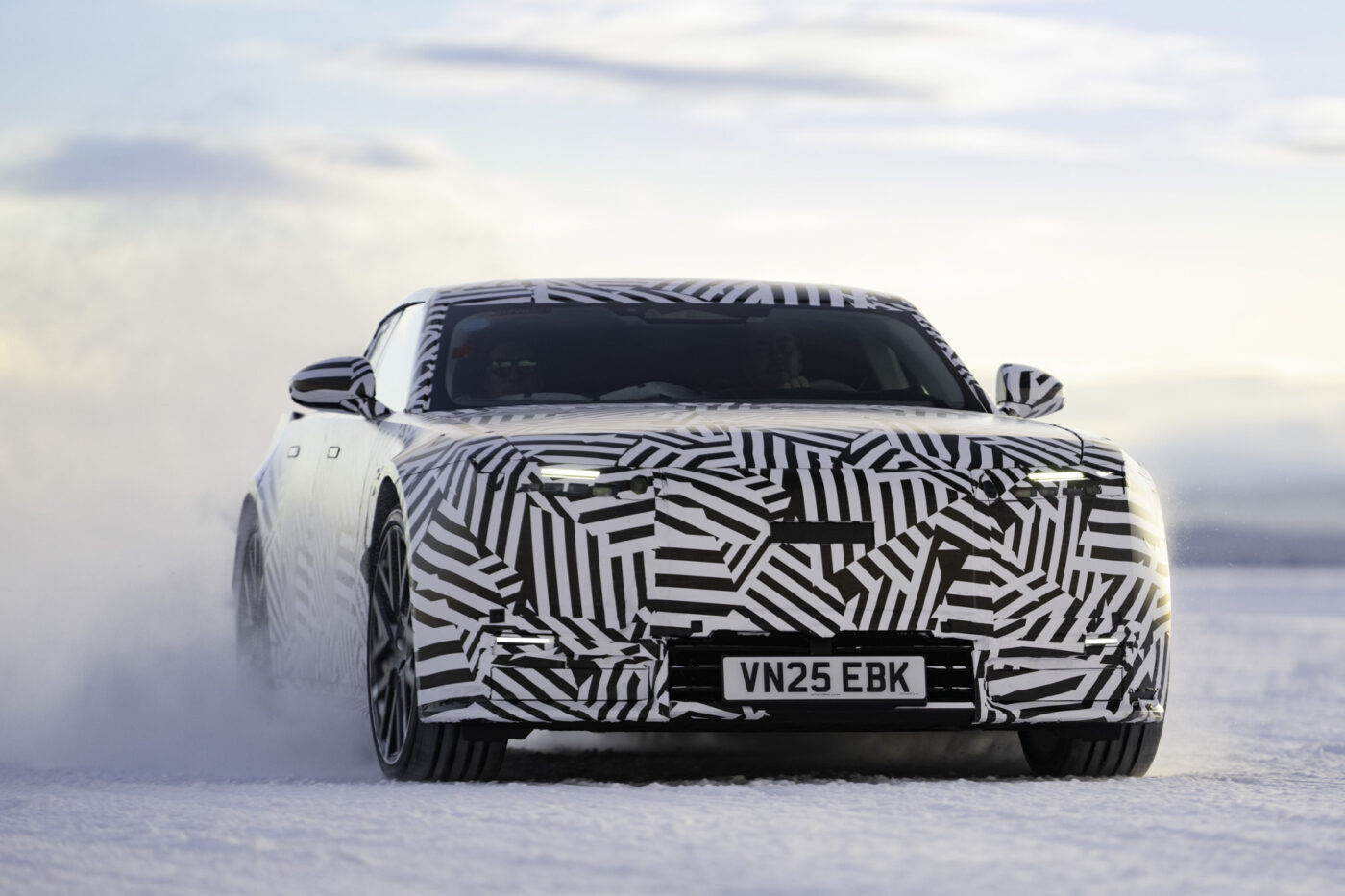
The British marque has released photos of its camouflaged prototypes during test drives across ice and snow. The images reveal that the four-door GT largely adopts the proportions of the polarising ‘Exuberant Modernist’ design philosophy, which was first introduced with the Jaguar Type 00 concept study – and has already attracted significant attention for its design.
While the precise design will once again take centre stage at its world premiere this summer, Jaguar is now ensuring that the model’s technology performs flawlessly in all conditions. “The winter tests on Sweden’s frozen lakes allow Jaguar engineers to fine-tune the characteristic properties of the four-door GT’s various driving modes. The goal is to achieve an exceptionally intuitive response combined with sovereign comfort. Supported by a range of electric drive technologies, this vehicle drives like no other battery-electric car – true to Jaguar’s spirit,” the manufacturer states.
Many details remain undisclosed by the British brand. With over 1,000 PS (or at least 736 kW), it is set to become the most powerful production Jaguar to date. Jaguar has now confirmed an ‘all-wheel-drive tri-motor architecture’, meaning a drivetrain with three electric motors – presumably two at the rear axle. These not only deliver high performance but also feature torque vectoring, which distributes drive power precisely between the right and left wheels to enhance steering response and stability – ‘for a captivating, thrilling, and confident driving experience in all conditions,’ as Jaguar’s PR describes it. Alongside the drivetrain, the chassis systems, all-wheel steering, a specially developed 23-inch winter tyre, adaptive air suspension, and active dual-valve dampers are also being refined.
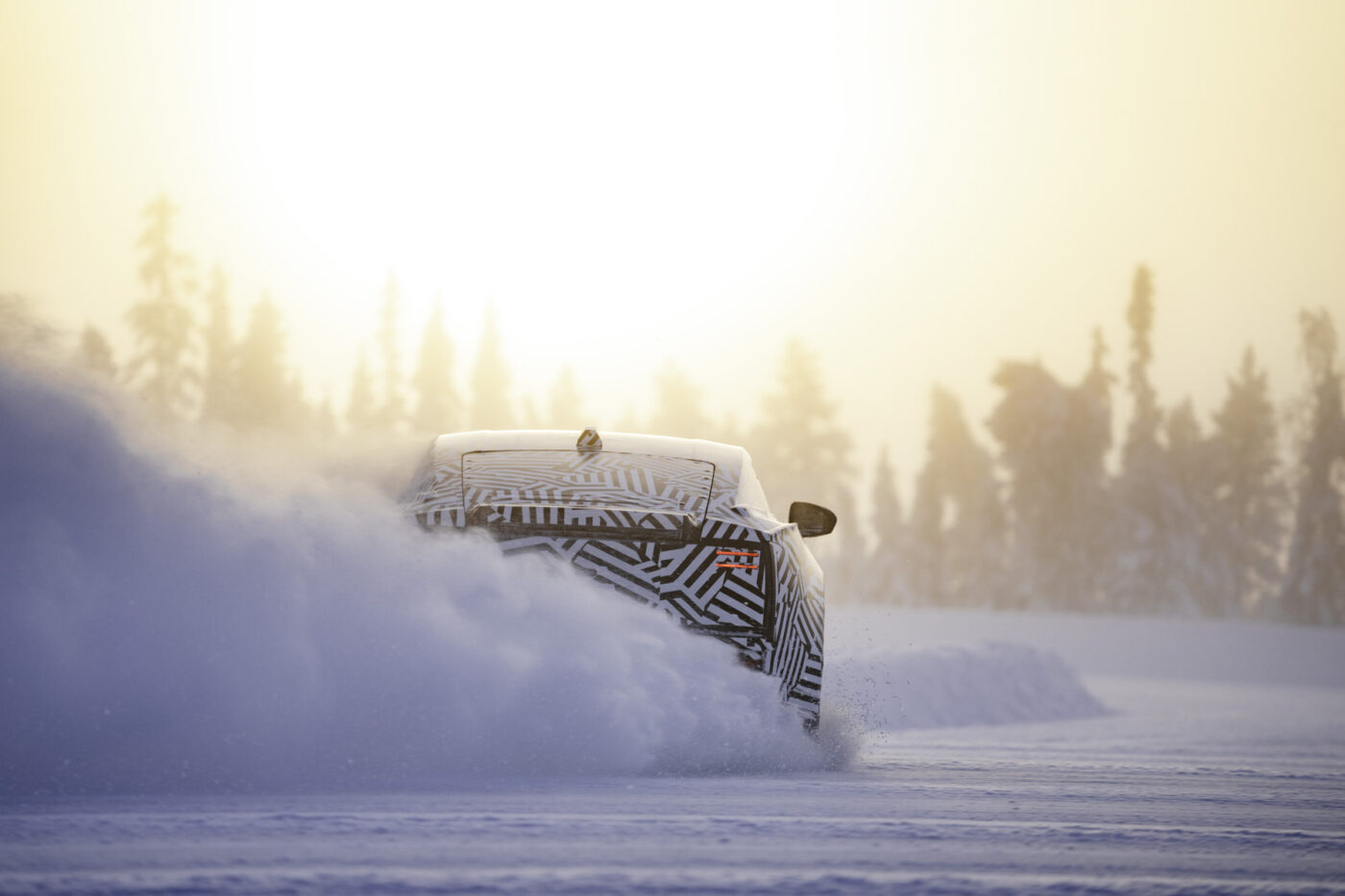
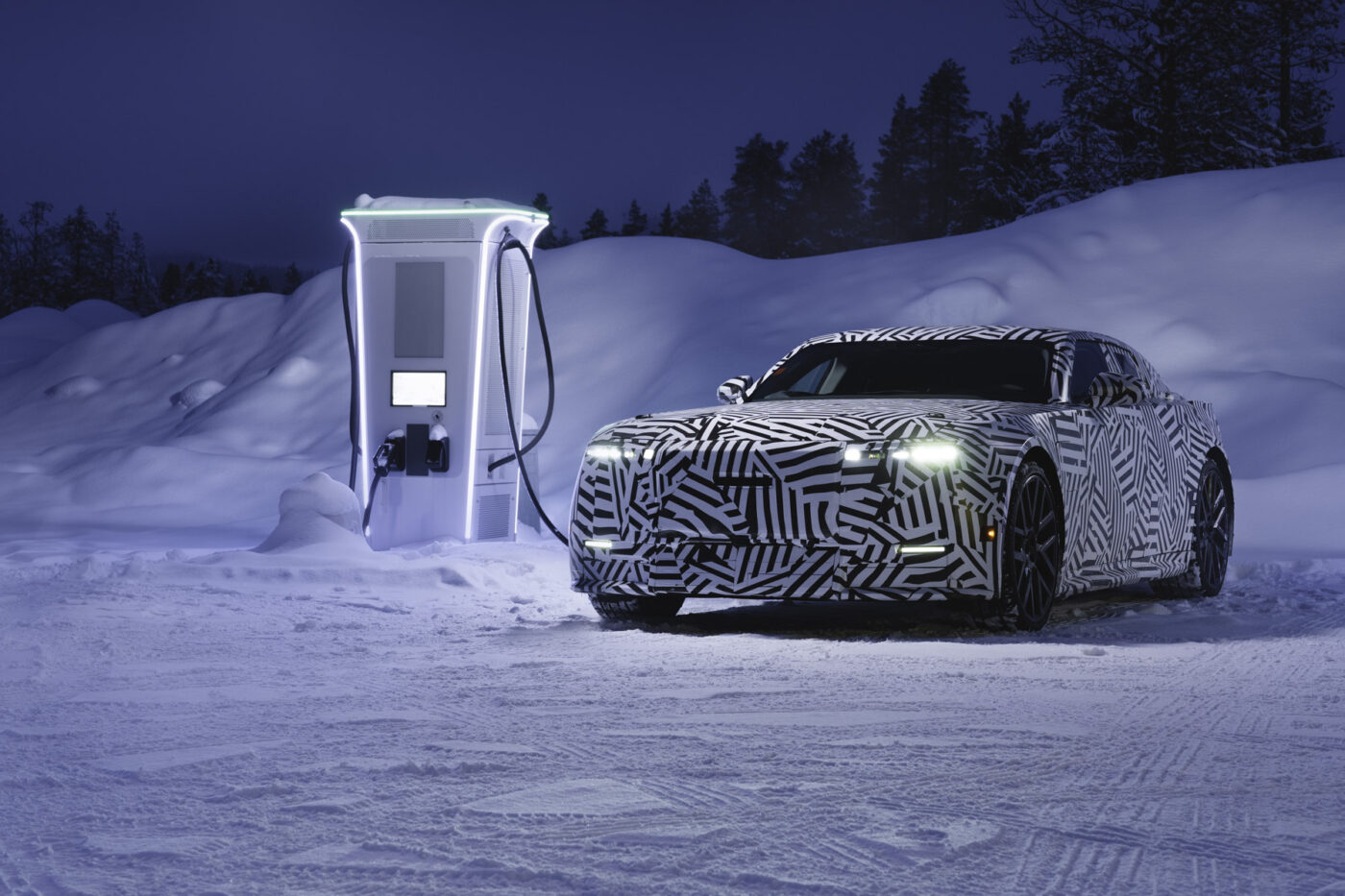
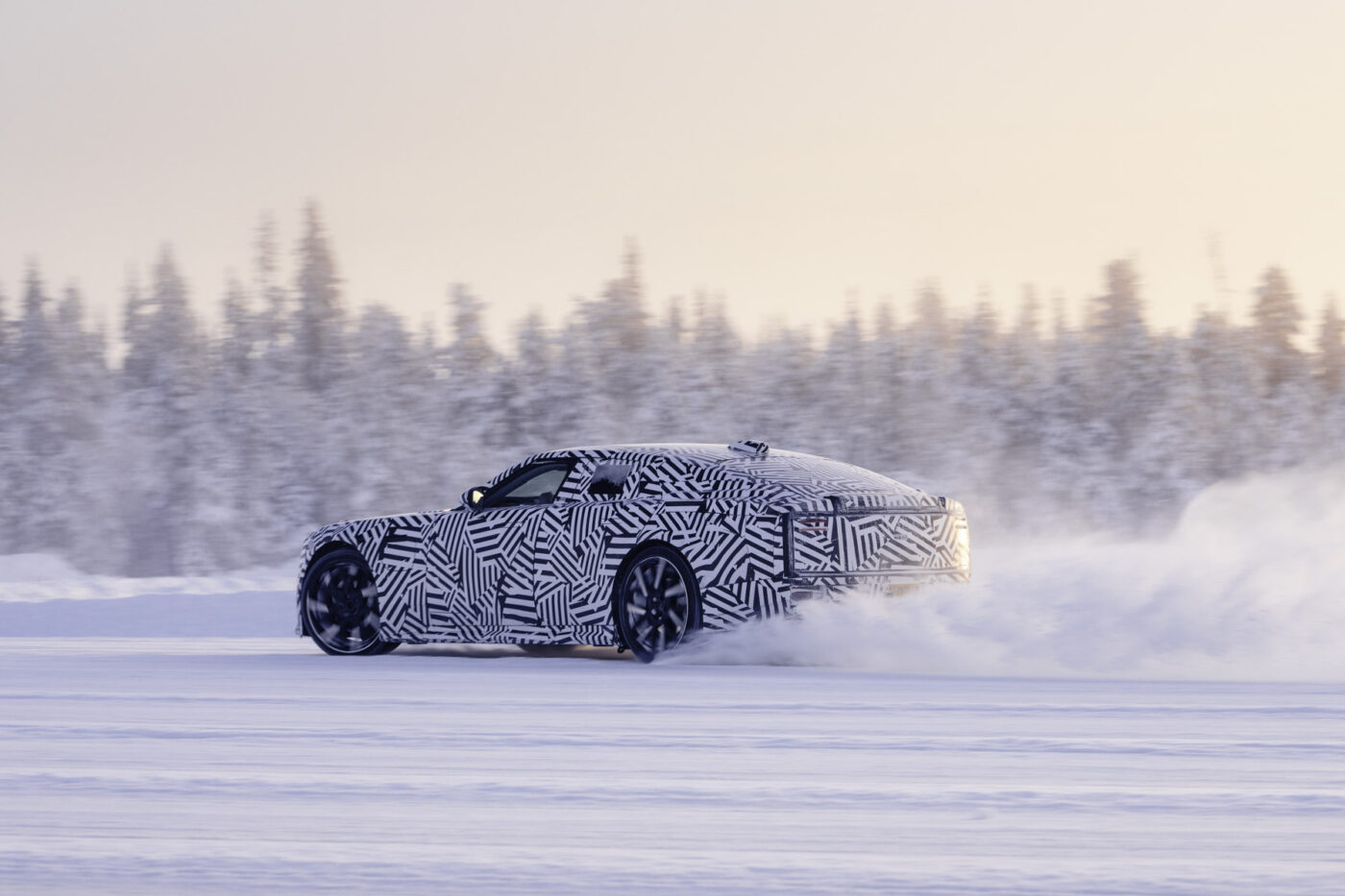
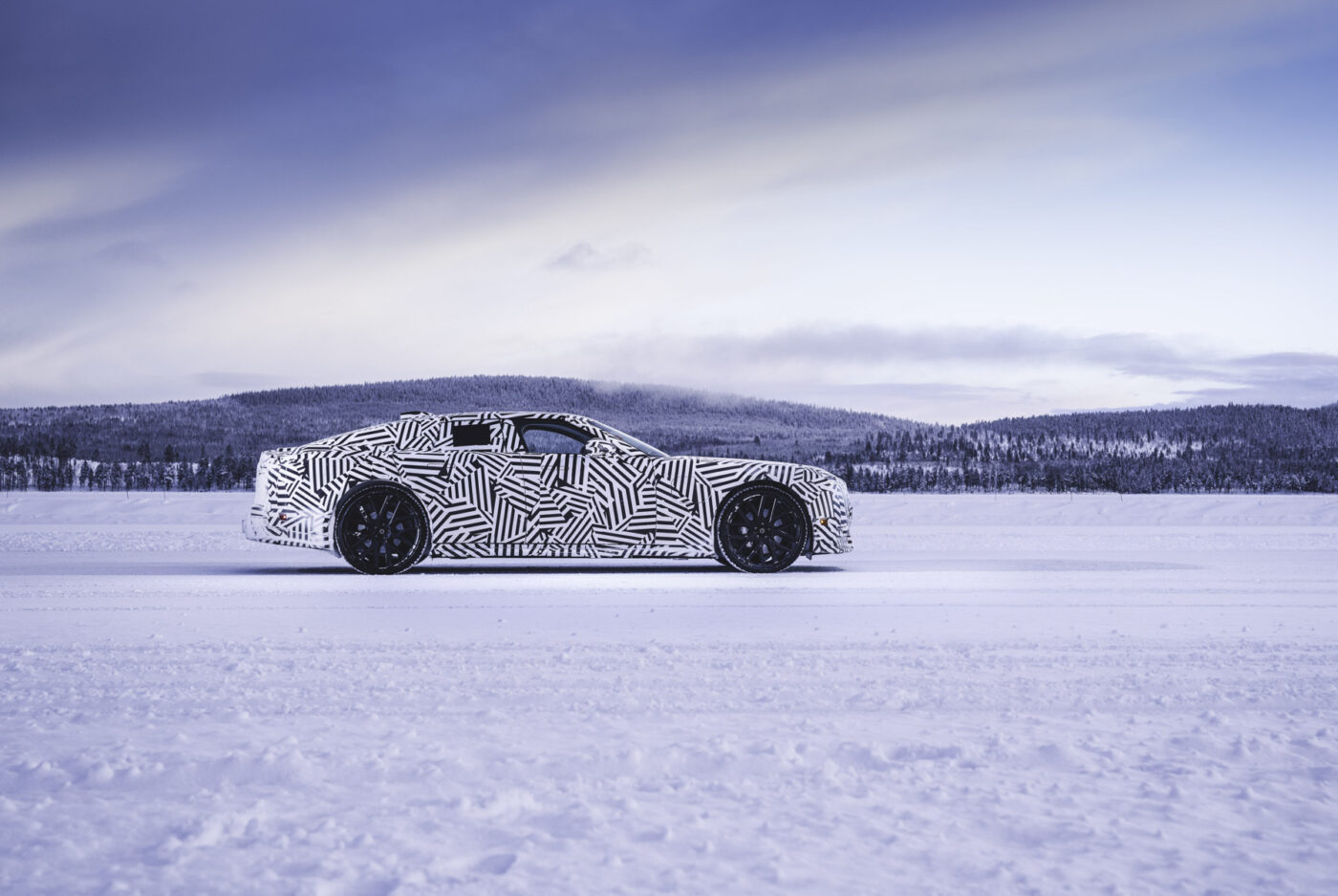
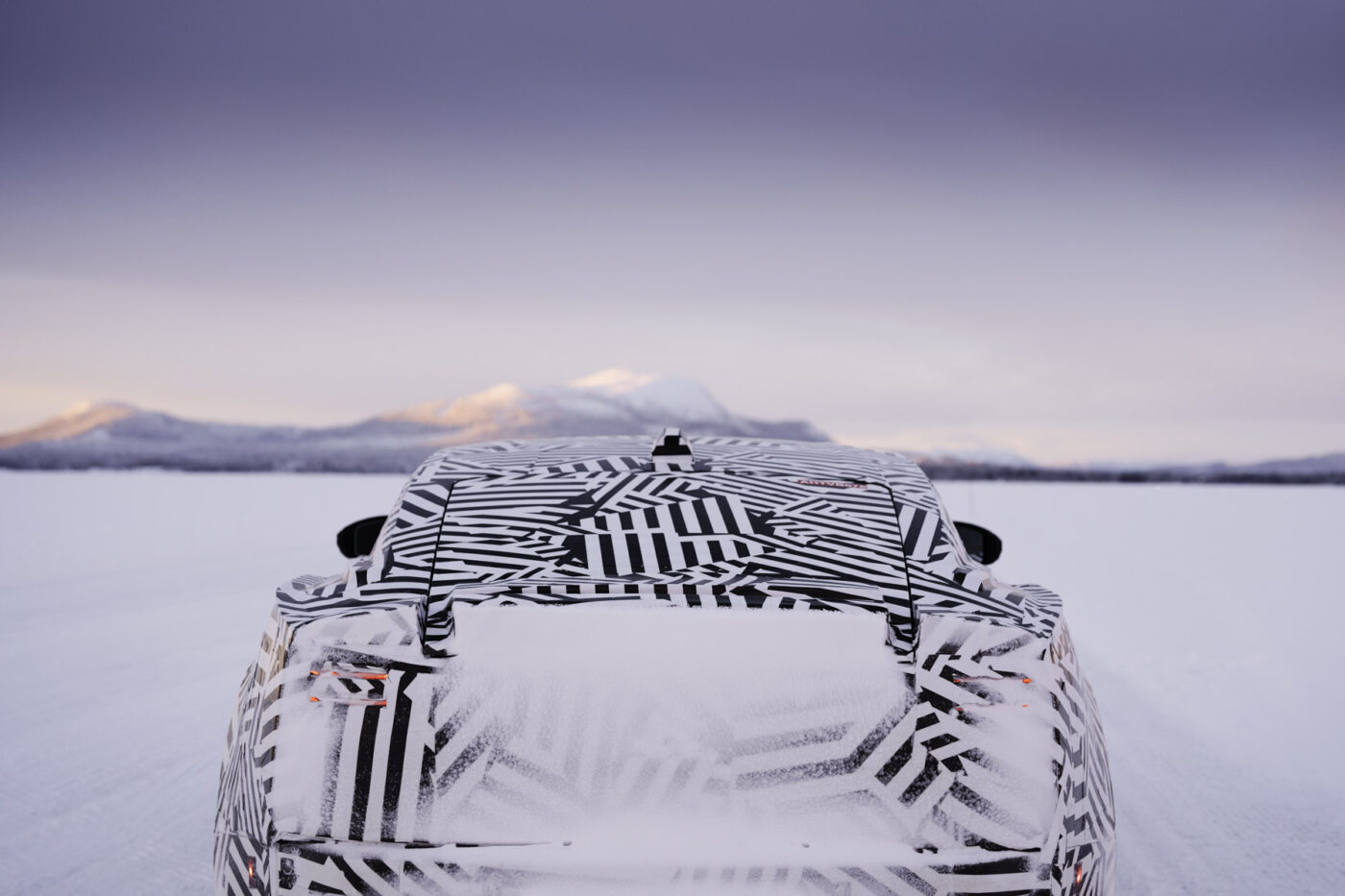
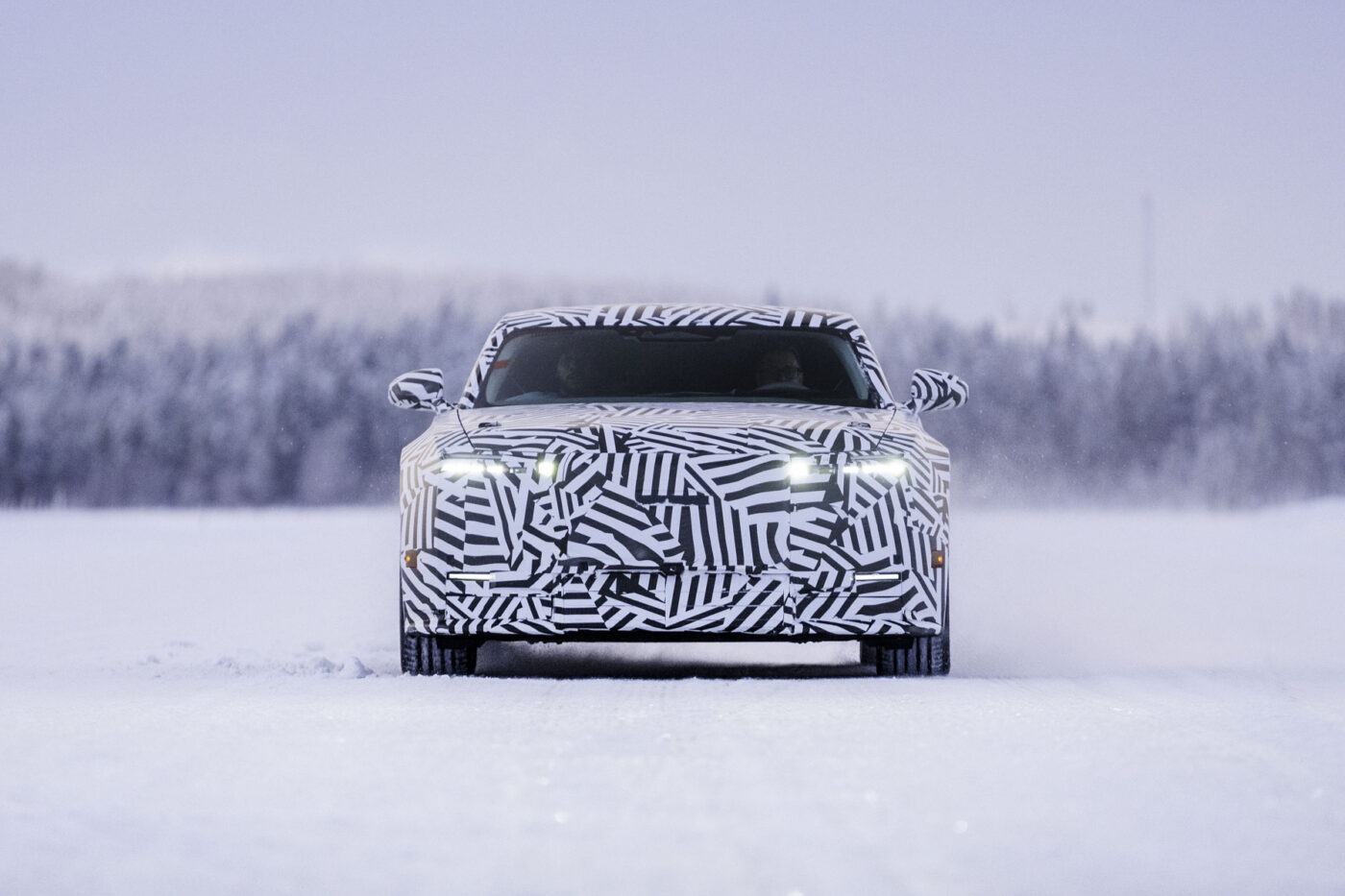
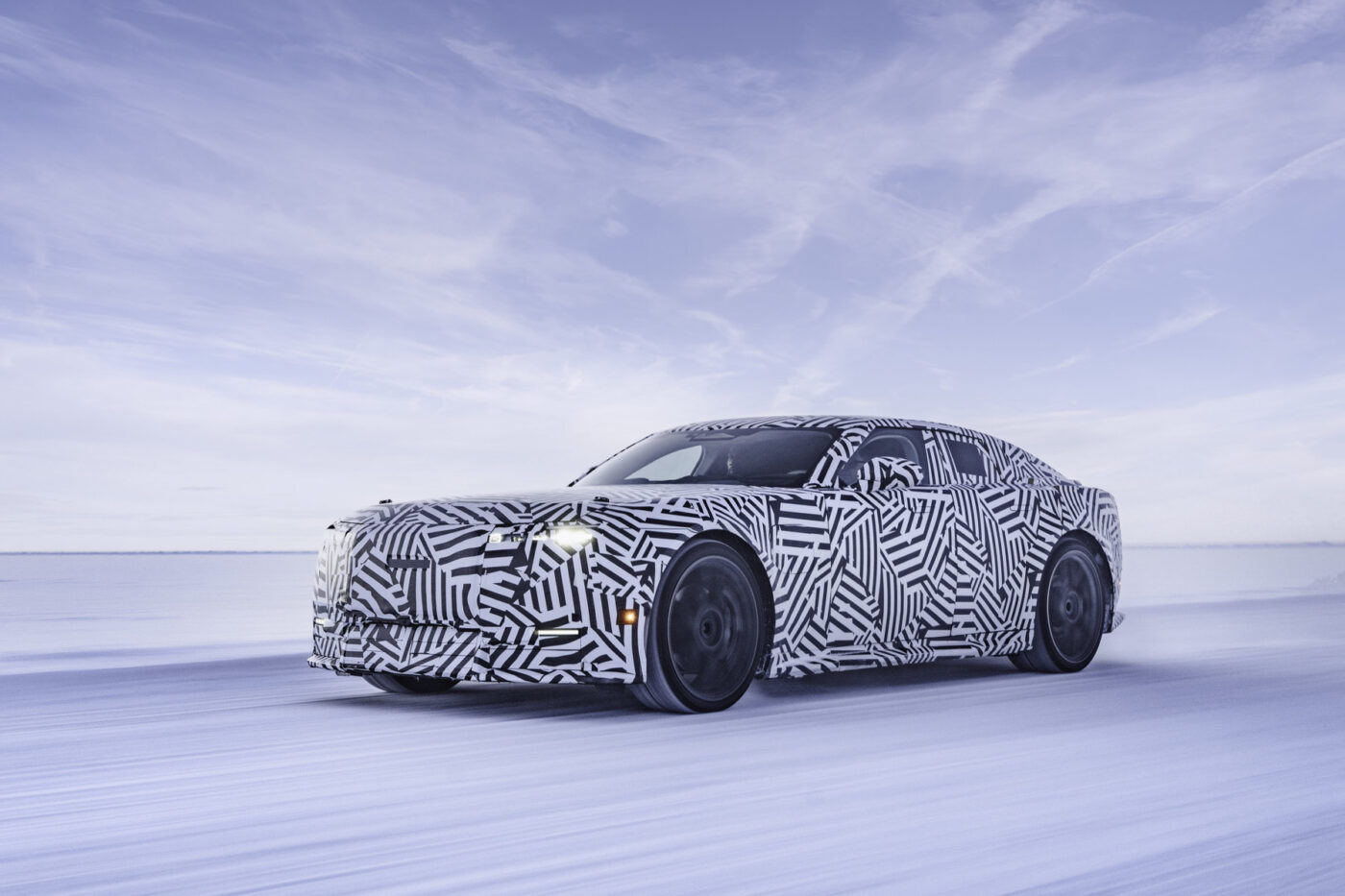
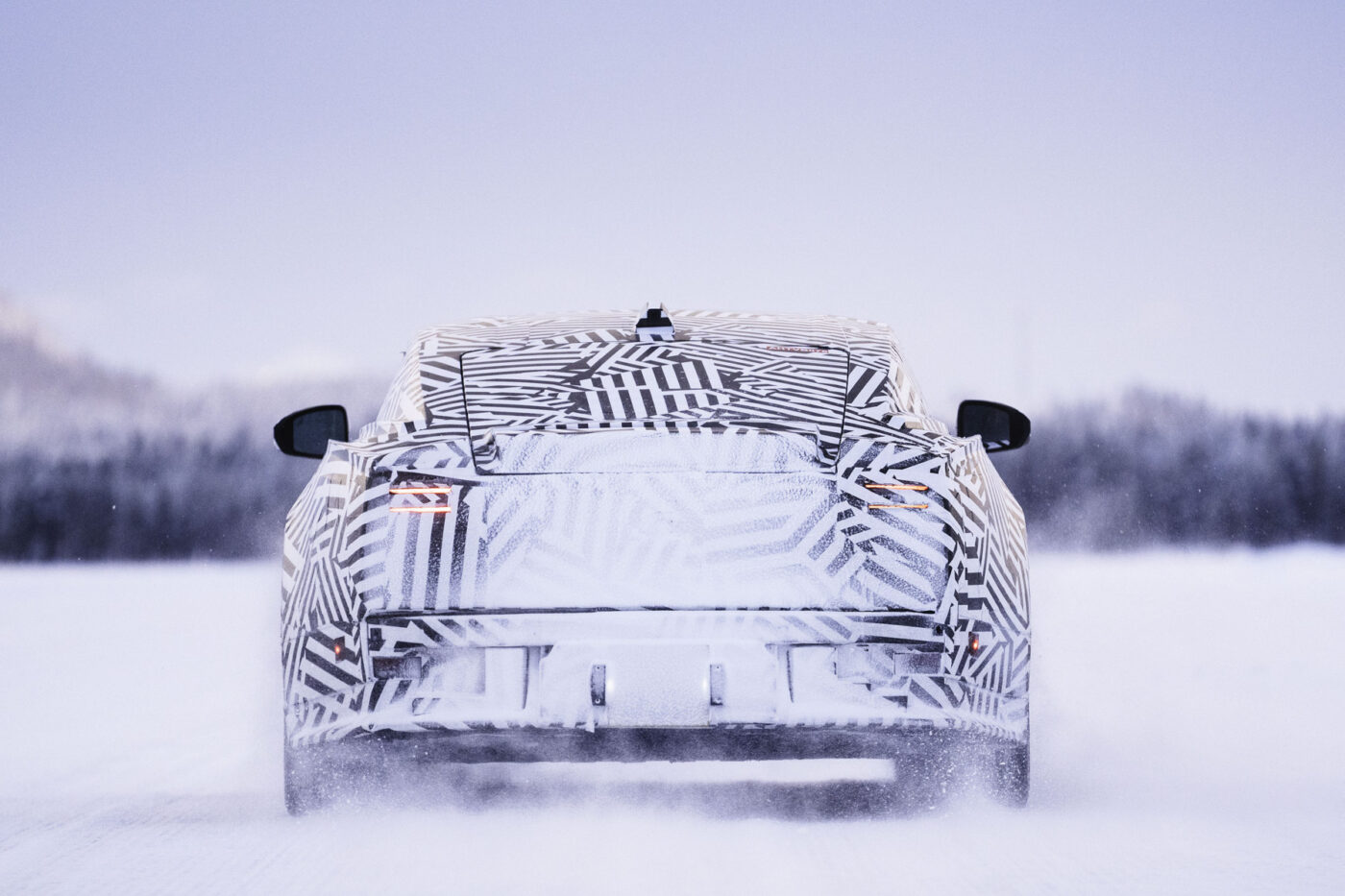
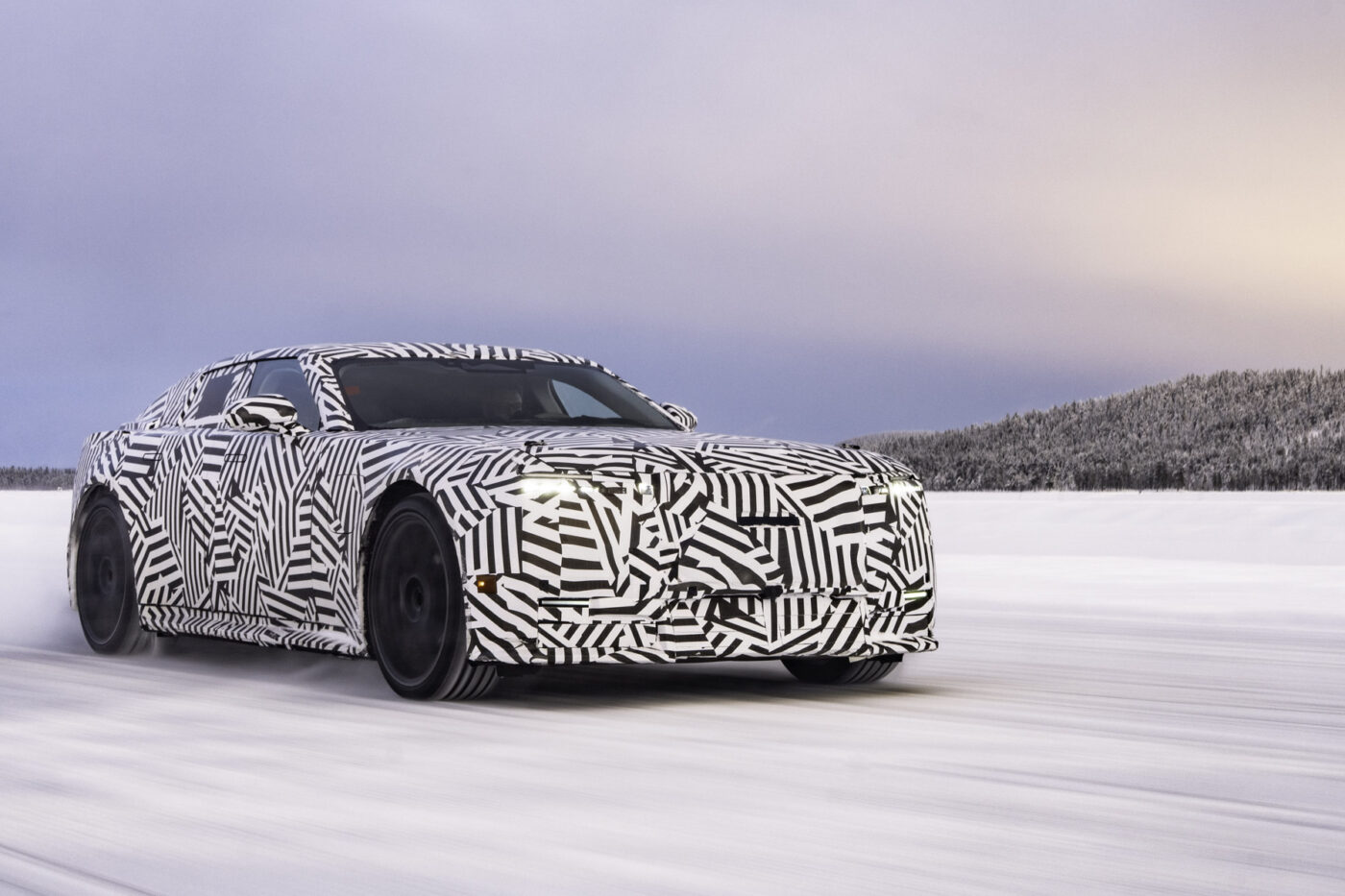
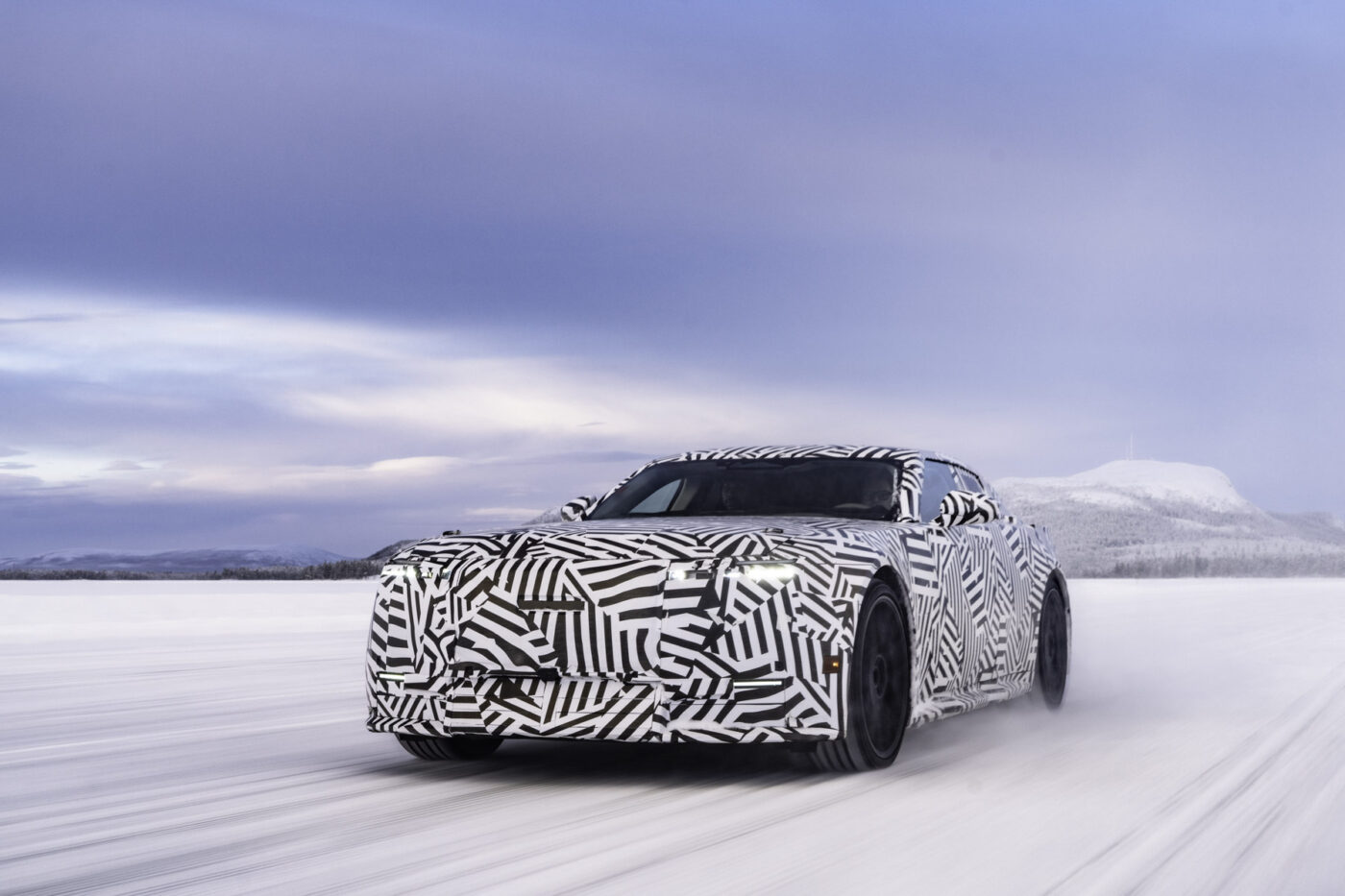
As is standard practice, the extreme winter tests also include evaluating the new model’s thermal systems. Jaguar’s ThermAssist technology is designed to reduce the energy demand for interior heating by up to 40 per cent. “At the same time, it uses recovered heat to efficiently regulate the drivetrain and cabin temperatures, even at temperatures as low as minus 10 degrees Celsius, optimising range under extreme winter conditions,” Jaguar explains.
Several reports on the model mention additional details that Jaguar has not officially confirmed. For instance, the luxury GT is said to measure 5.20 metres in length and just 1.40 metres in height. For comparison: a similarly long Mercedes EQS (5.23 metres) is about ten centimetres taller. To accommodate a similarly large battery in the underbody (reportedly 120 kWh for the Jaguar) despite a comparable 3.20-metre wheelbase, the British engineers had to adopt an unconventional battery concept. To achieve the low vehicle height and seating position, the battery is not housed in a single pack but in five separate components. One block of 32 cells is said to be located far forward, with four additional blocks of 42 cells each positioned further back. Assuming a total of 200 cells and the standard 3.7 volts nominal voltage for NMC cells, a series connection would result in 740 volts. However, Jaguar has not yet provided details on charging performance.
The tri-motor drivetrain is said to consist of permanent magnet synchronous machines (PSM). The motor at the front axle is reported to deliver 257 kW, while the two at the rear axle combine for 700 kW. This totals more power than the 736 kW (1,000 PS) stated. However, it is possible that the battery, rather than the motors, limits the system’s performance. Alternatively, Jaguar may be software-limiting the power output to introduce more powerful model variants later.
“At Jaguar, driving pleasure has always been at the heart of what we do – and our new all-electric four-door GT is no exception. It represents a significant step in our technical ambitions,” says Matt Becker, Vehicle Engineering Director at Jaguar. “Innovative, in-house-developed electric drive technologies meet the vehicle’s characteristic proportions and low centre of gravity. The result is a luxurious grand tourer that drives like no other.”


0 Comments