


Endesa analyses smart charging on Menorca
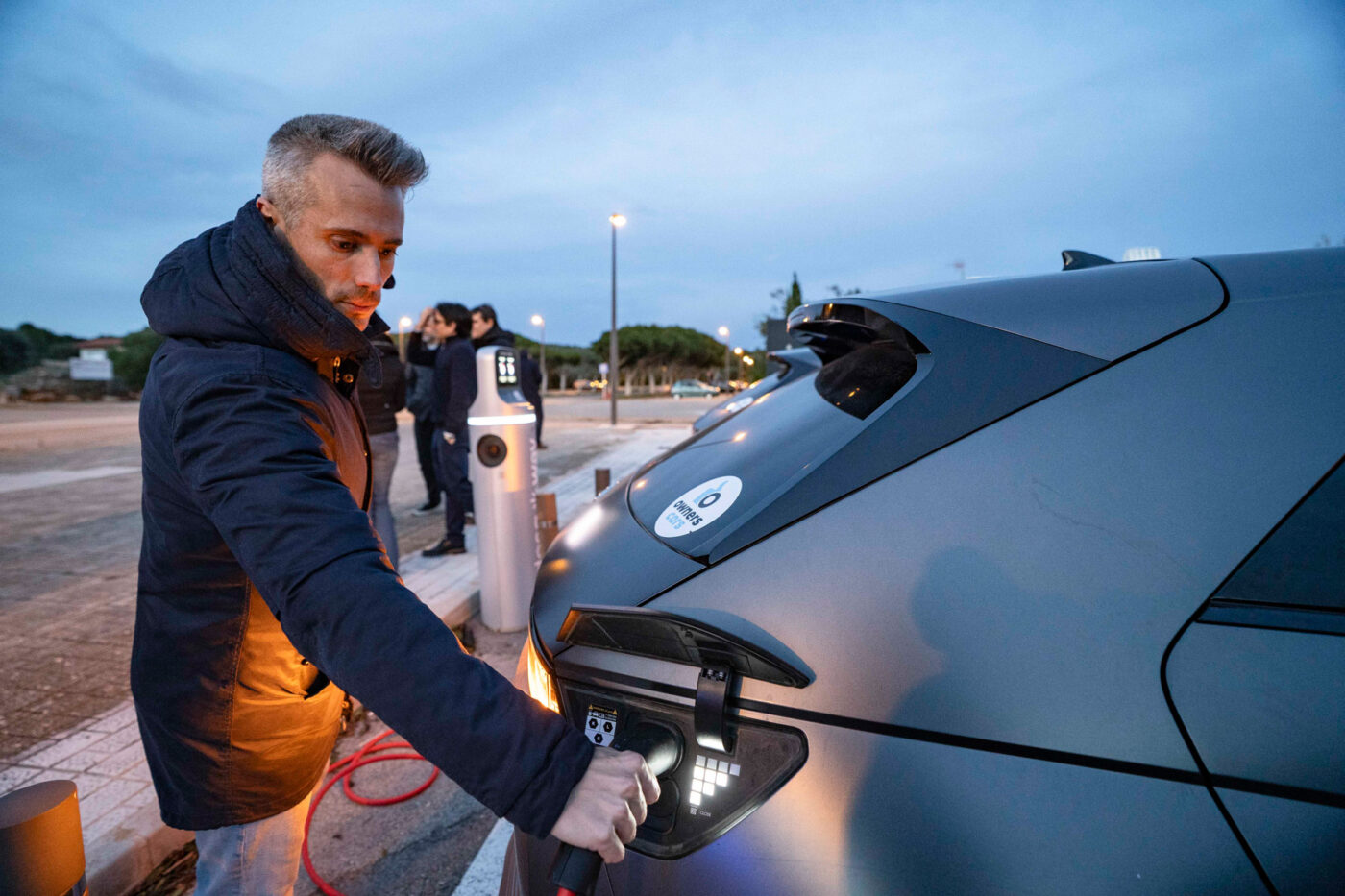
As part of the EU project Flow, which launched in 2022, Menorca has been selected as the site for a pilot project to analyse how smart charging of electric vehicles (EVs) can provide flexibility for the power grid and deliver benefits for both the system as a whole and electric mobility users. “e-distribución, Endesa’s networks subsidiary, is leading a pilot project on the island designed to test and validate advanced solutions for EV demand management, integrating charging efficiently and securely into distribution network operations,” the energy group stated.
The ongoing Flow project (Flexible Energy Systems Leveraging the Optimal Integration of EVs Deployment Wave) is being delivered by a consortium of 30 partners across nine European countries. The initiative on Menorca is one of five Flow pilot projects, alongside others in the Czech Republic, Ireland, Italy, and Denmark. German participants include BMW, RWTH Aachen University, and Chemnitz University of Technology.
The project focuses on evaluating the role of electric vehicles as a demand-side flexibility resource. The four-year initiative, led by the Catalonian Institute for Energy Research (IREC), is funded by the Horizon Europe framework programme with a total budget of around €10 million. It involves major European electricity industry players, such as Endesa and its parent company Enel, as well as stakeholders from the mobility sector, including vehicle manufacturers, project developers, and charging infrastructure operators. Universities, small and medium-sized enterprises (SMEs), and industry associations are also involved.
The primary objective—common to almost all smart EV charging projects—is to optimise electricity grid utilisation through intelligent management tools. This approach aims to mitigate peak loads, avoid grid bottlenecks, and enhance the overall system. However, achieving this requires collaboration not only among various actors in the energy system but also between charging infrastructure and vehicles. “The results obtained from this pioneering project will enable the development of new policies and the establishment of best practices to drive a model of electric mobility that is more efficient, sustainable, and fully integrated into the power system,” Endesa stated.
Menorca was chosen for several reasons. Firstly, the island is experiencing a rise in the number of electric cars, and its tourism-driven economy leads to highly seasonal energy demand. This creates greater fluctuations in the power grid than in locations with more stable energy consumption. As part of the pilot project, all charging points operated by Endesa on the island are being utilised—totalling 33 AC and DC charging units with power outputs ranging from 22 kW to 150 kW.
“The goal is to provide flexibility to the distributor, enabling the efficient management of energy transactions between multiple stakeholders, from Charge Point Operators (CPOs) and mobility service providers to EV drivers, commercial fleets, and vehicle rental companies, all of whom have been consulted regarding their experiences and preferences,” the announcement stated.


0 Comments