


Trump scraps climate protection cornerstone: what it means for the automotive industry
The term ‘Endangerment Finding’ refers to a hazard determination that the Environmental Protection Agency (EPA) issued in 2009 during Barack Obama’s first term. In this finding, the EPA concluded that current and projected concentrations of six key greenhouse gases, including carbon dioxide (CO₂), endanger public health and welfare for current and future generations. The agency also determined that motor vehicles and their engines emit CO₂ and other greenhouse gases that contribute to these atmospheric concentrations and thus to the threat of climate change.
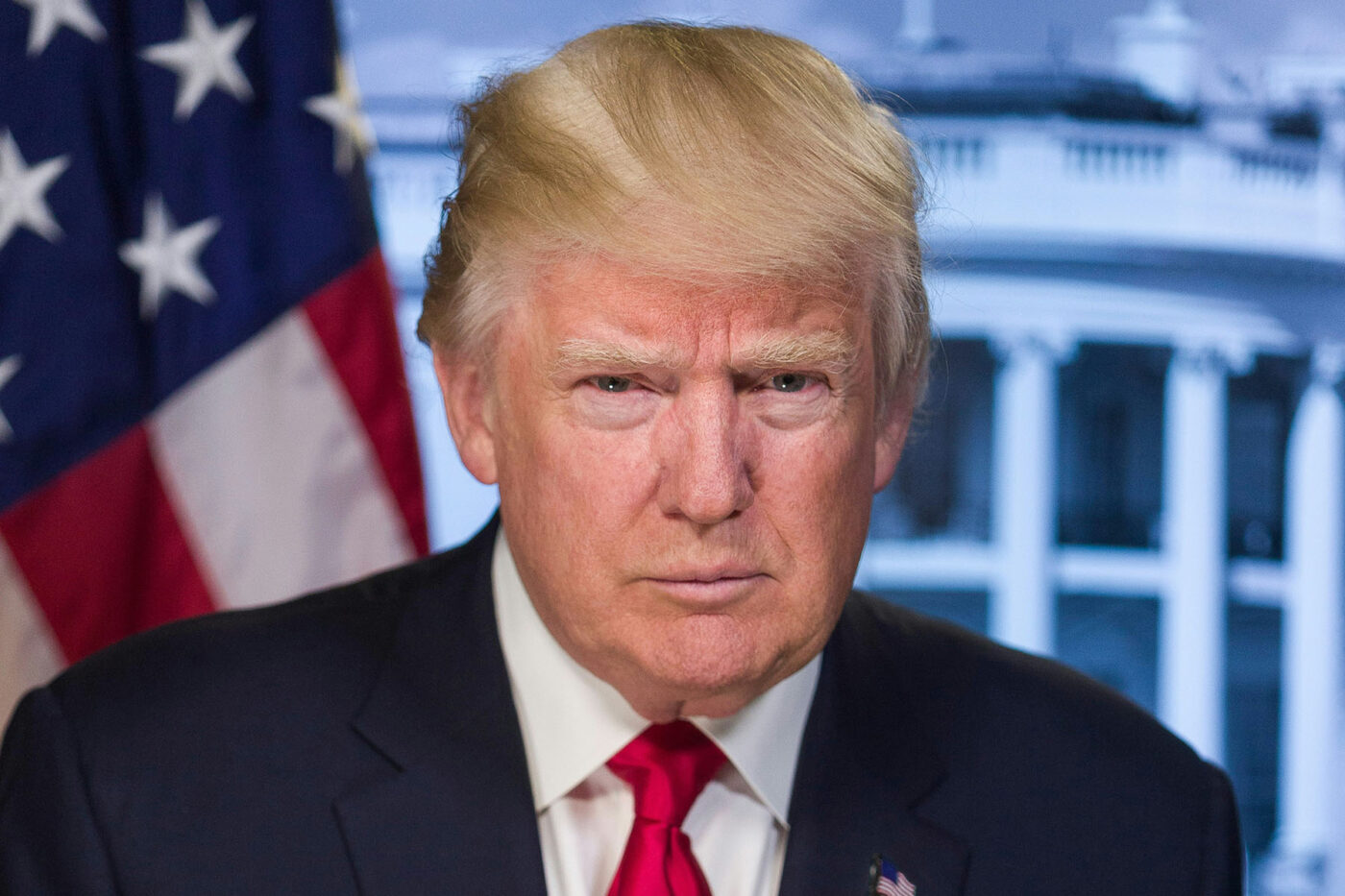
The US government has now revoked this scientifically established finding. In the past, US President Donald Trump has repeatedly referred climate change as a hoax. He presented the reversal of the EPA’s climate protection foundation as ‘the single largest deregulatory action in U.S. history,’ claiming it will save American taxpayers more than $1.3 trillion.
Trump described the climate regulations implemented under the ‘Endangerment Finding’ by the Obama and Biden administrations as ‘illegal.’ He argued that it had limited ‘consumer choice restrictions and trillions of dollars in hidden costs for Americans’ for the past 16 years.
Since the start of his second term in January 2025, Trump has moved to slow the expansion of electric mobility and ease regulations for vehicles with internal combustion engines. He relaxed emissions standards for combustion-engine cars and allowed the $7,500 federal tax credit for electric vehicle purchases to expire on 30 September 2025.
Halting regulations for combustion engine vehicles
Trump says he will save taxpayers the claimed $1.3 trillion by scrapping regulatory requirements to measure, report, certify and comply with federal greenhouse gas emission standards for motor vehicles. He also plans to dismantle the associated compliance, credit and reporting programmes that exclusively supported the ‘vehicle GHG regulatory regime’.
In a joint statement, the EPA and Trump’s administration said that climate policies had driven up the cost of new cars, making them unaffordable for many American families and limiting their ability to escape poverty or access essential services. They argued that affordable vehicle ownership forms a cornerstone of the American Dream and plays a key role in economic upward mobility in the United States. Through these measures, Trump says he intends to restore that dream.
Ford and industry association welcome the measures
US car manufacturer Ford has welcomed Trump’s measures. “We appreciate the work of President Trump and Administrator [Lee] Zeldin to address the imbalance between current emissions standards and customer choice,” Ford Motor said in a statement sent to CNBC. “Ford has consistently advocated for a single, stable national standard that aligns with customer choice, the market, societal benefit, and American job growth.”
The industry association Alliance for Automotive Innovation, in turn, stated that the measures would ‘correct some of the unachievable emission regulations enacted under the previous administration.’ The American automotive industry, it added, remains focused on preserving vehicle choice for consumers, securing the sector’s competitiveness, and continuing the long-term path towards emission reduction and cleaner vehicles.
However, the significantly looser emissions regulations now in place do not come as a surprise – more on that in a moment – but they only ease the pressure on US carmakers in the short term to bring as many electric vehicles as possible to the domestic market to meet what they had described as ‘unachievable emissions standards,’ or at least attempt to do so. Other major markets such as China and Europe continue to move steadily towards electric mobility. This balancing act could therefore place a greater burden on US manufacturers in the long term, as they must continue to advance both technologies at higher cost, while competitors can focus earlier on one direction. If they fail to invest, Ford, GM and others risk falling behind technologically.
Billion-dollar write-offs by the Big Three
Trump’s new measures had been anticipated for some time. In response, the three major US carmakers have proactively adjusted their strategies towards the ‘customer choice’ of powertrains now championed by the EPA and Trump. For example, Ford Motor Company announced in December that it would write down $19.5 billion, primarily due to the realignment of its battery-electric vehicle business. General Motors followed in January with an impairment charge of $6 billion. Last week, Stellantis announced write-downs of approximately €22.2 billion, mainly related to its battery-electric vehicle business. According to the new strategy outlined by CEO Antonio Filosa, the company aims to become a ‘beacon of freedom of choice’ in line with Trump’s vision—offering more combustion engine vehicles and hybrids.

3 Comments