


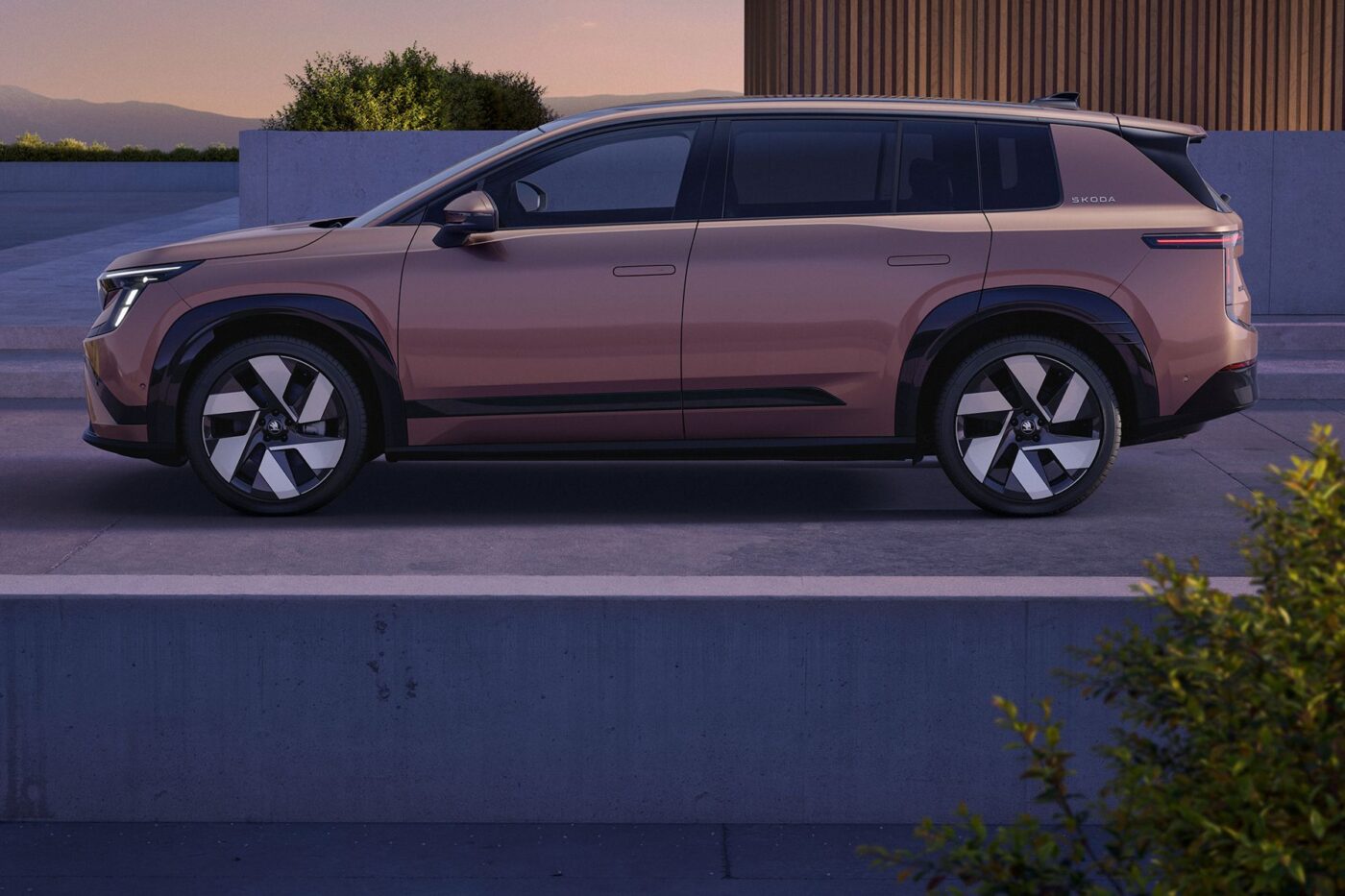
Škoda Peaq makes its world debut – offering practical space for seven
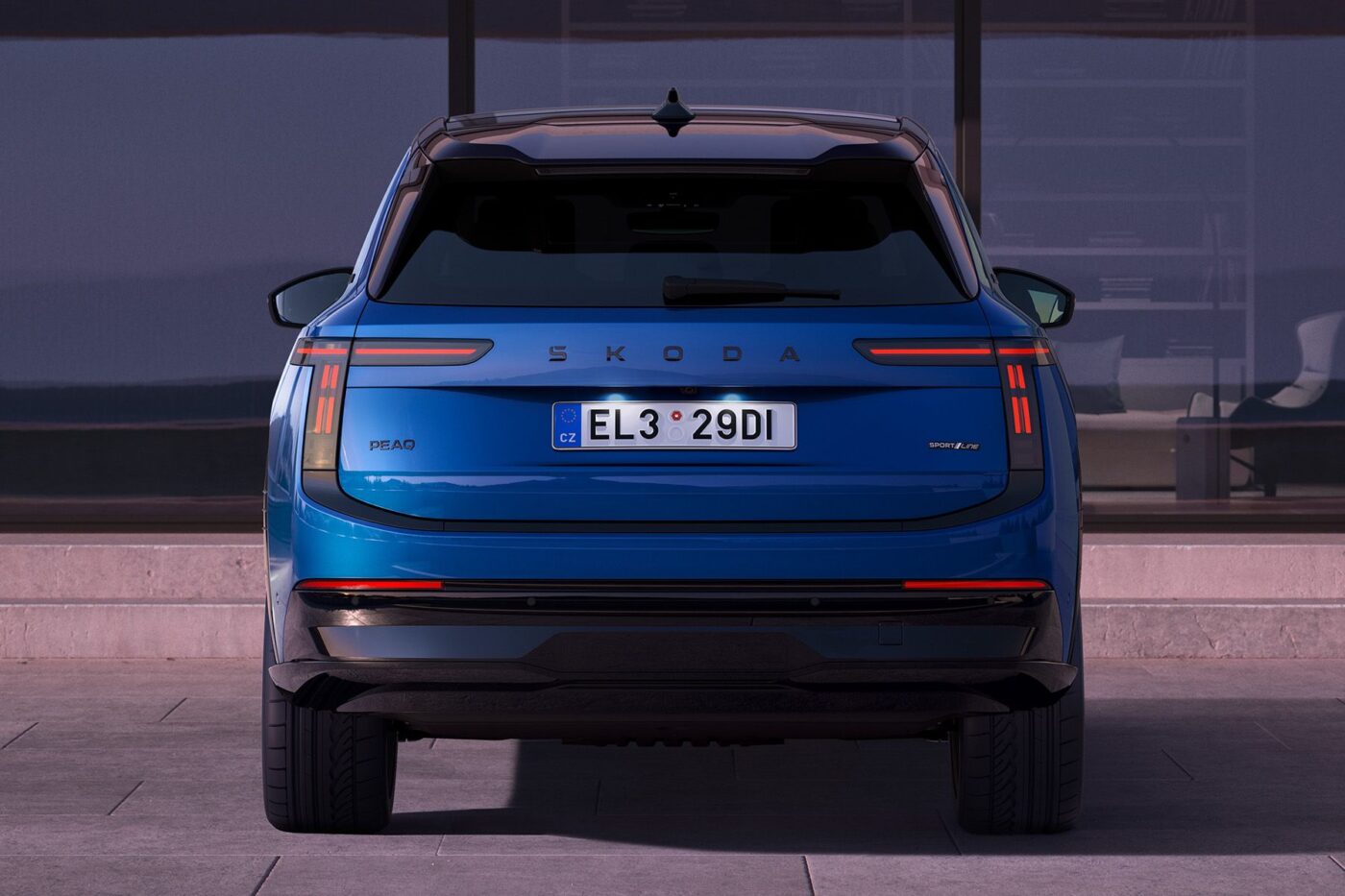
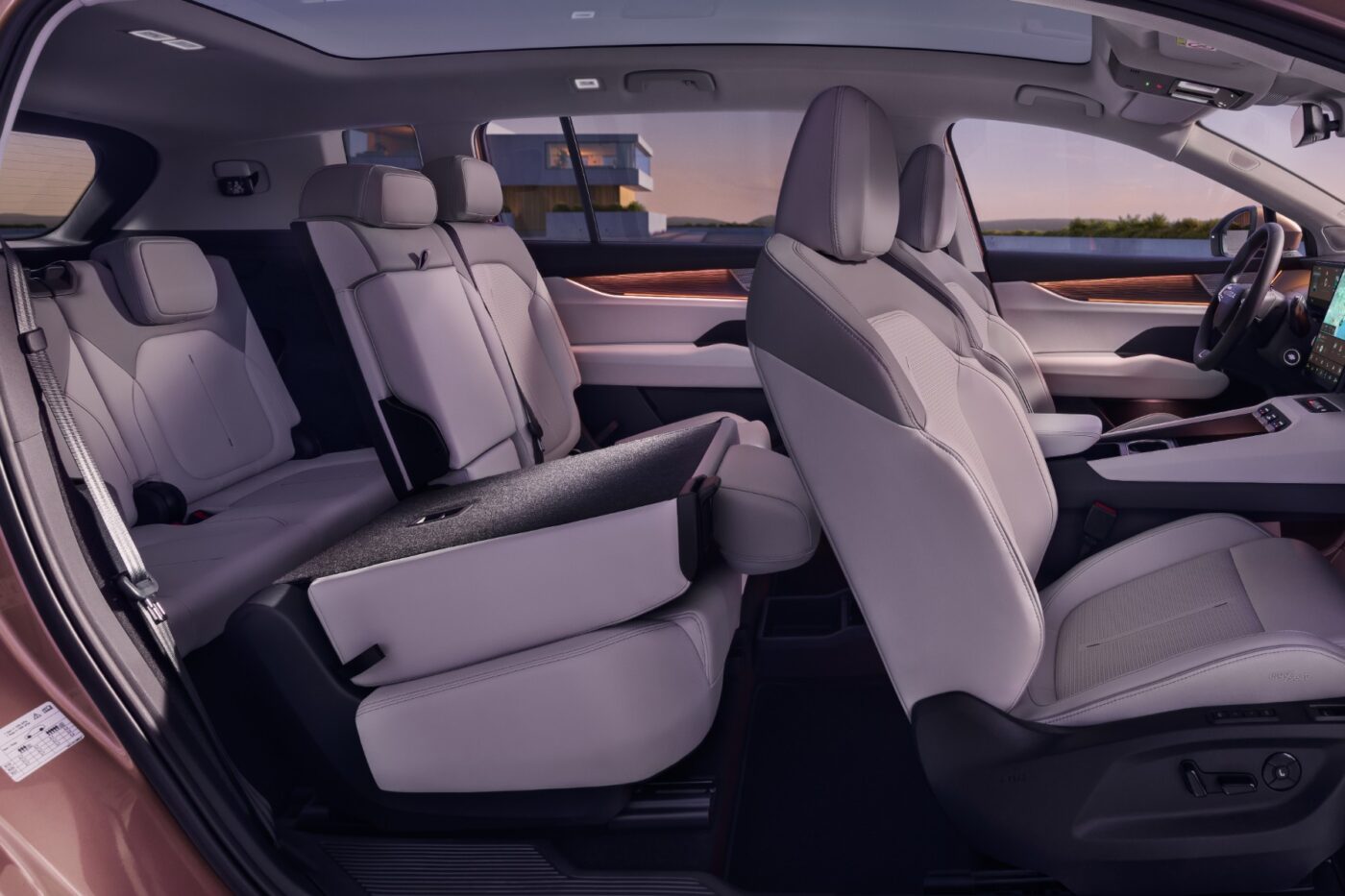
It seems that pronouncing the letter Q like a K has become a permanent hallmark of Škoda’s SUV naming convention – and nowhere is this clearer than with the brand’s newest EV, the Peaq. In English, ‘Peak’ signifies the summit, and Škoda has accordingly positioned the Peaq as the largest SUV in its lineup. At 4.87m in length, it surpasses the Enyaq by over 20cm. Even the ICE-powered Kodiaq is around 10cm shorter. Additionally, the Peaq offers a wheelbase of 2.97m – offering ample space for up to five passengers and, for an additional charge, seven. With this SUV, Škoda may once again succeed in appealing to its core target group: pragmatic buyers who value modesty as well as luxury.
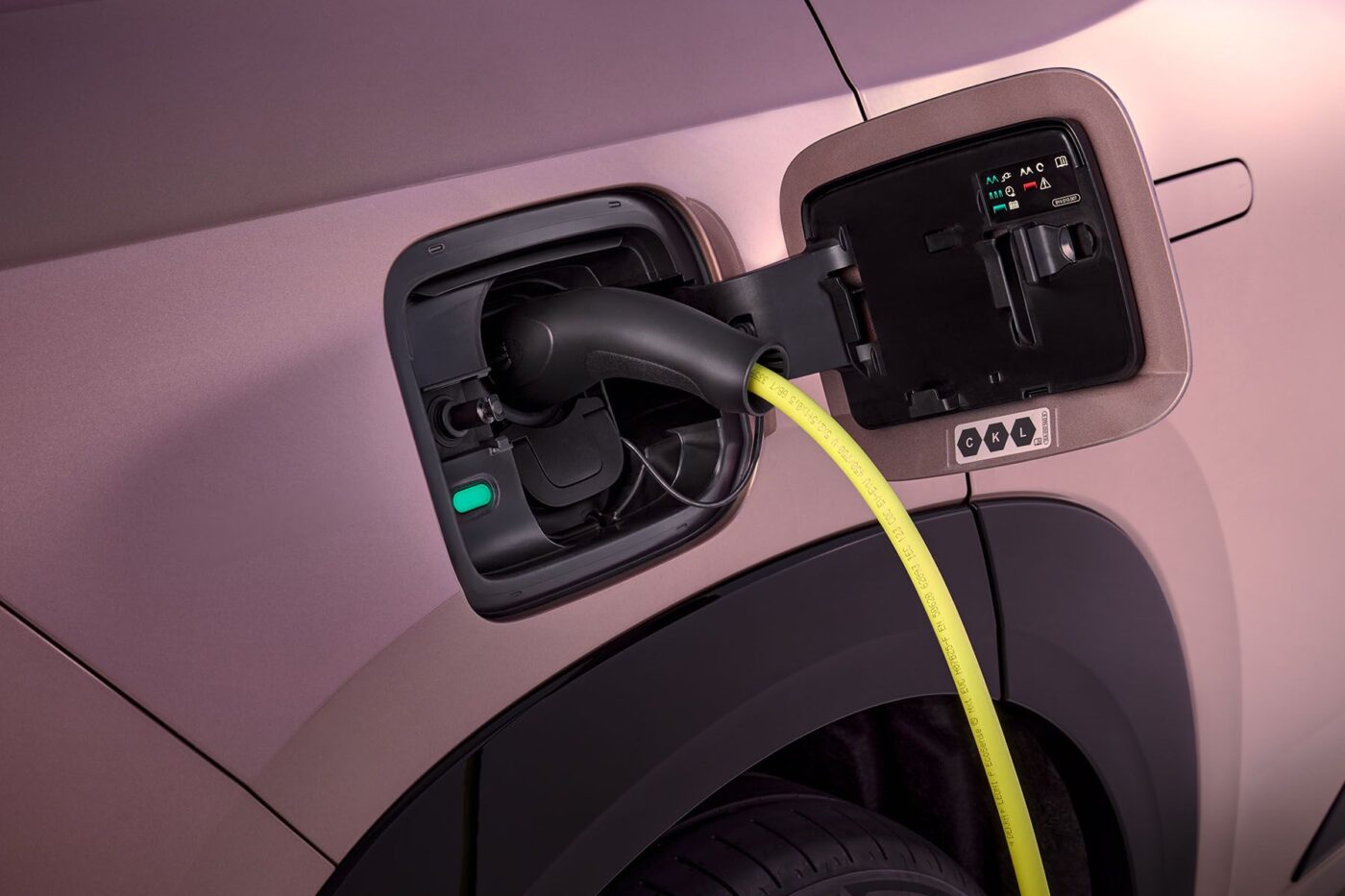
Škoda is offering the Peaq Selection 60 at a base price of €49,900. Here, the number 60 represents the approximate energy content of the traction battery: it has a net capacity of 59kWh, which Škoda claims is sufficient for over 450km of range. The time required for a standard charge from 10 to 80 per cent, at least according to ISO 12906, is 27 minutes for this version (28 minutes for the 86kWh variant). The DC charging power is specified as a maximum of 160 kW. With the large battery, it is 199 kW.
Škoda Peaq promises between 610 and 640km range
Unlike most EVs from the Volkswagen Group, the Peaq does not use new LFP cells. Instead, Škoda equips both the 59 kWh and 86 kWh versions of the Peaq 90 with NMC cathode chemistry.
With rear-wheel drive, the Škoda Peaq 90 offers a WLTP range of over 640 kilometres. The motor output increases from 150kW in the Peaq 60 to 210 kW in the Peaq 90. With all-wheel drive in the Peaq 90x, the power output is 220 kW, while the range decreases slightly to around 610km. The approximate range figures are likely due to the ongoing homologation process for this vehicle type.
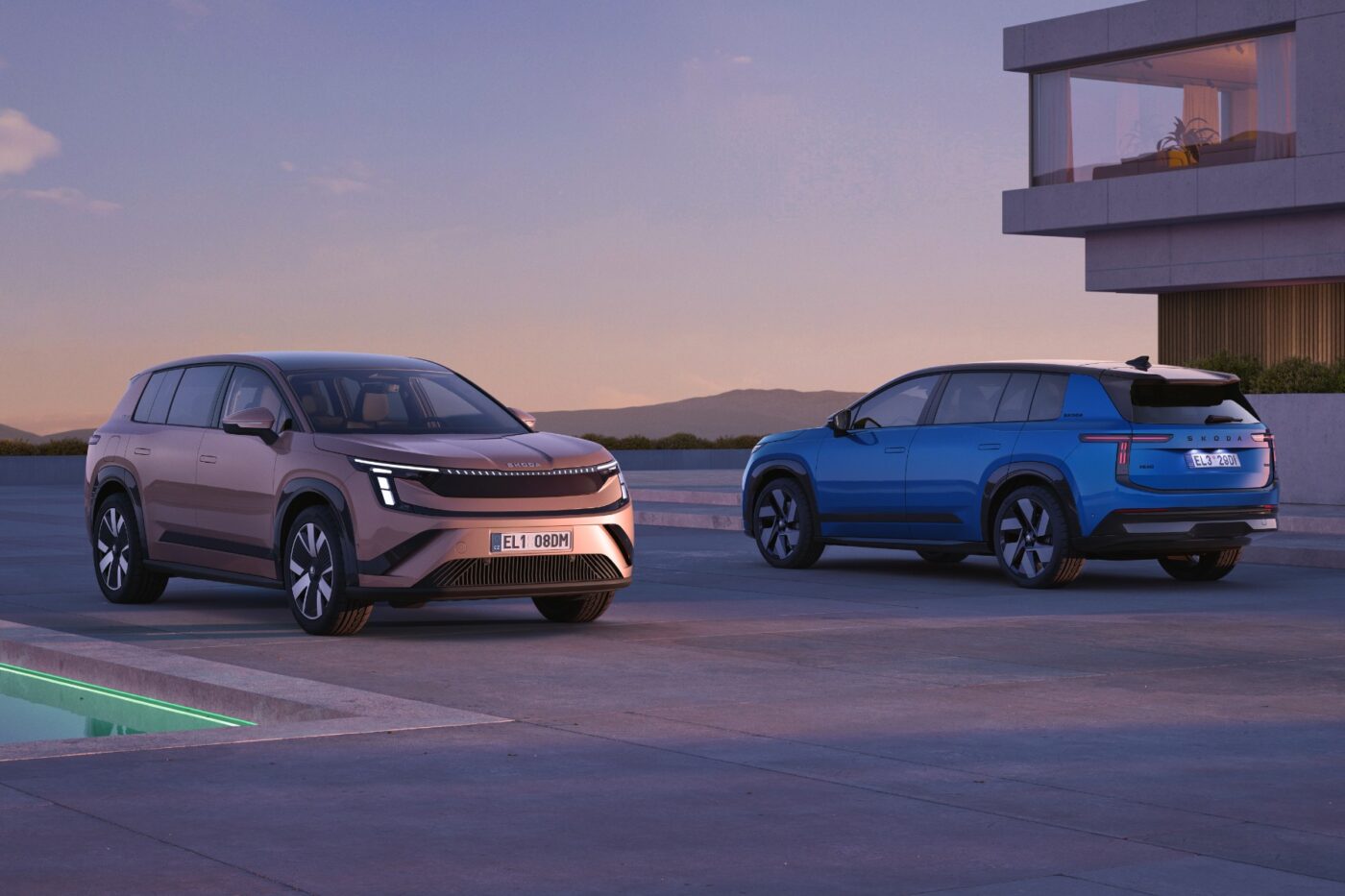
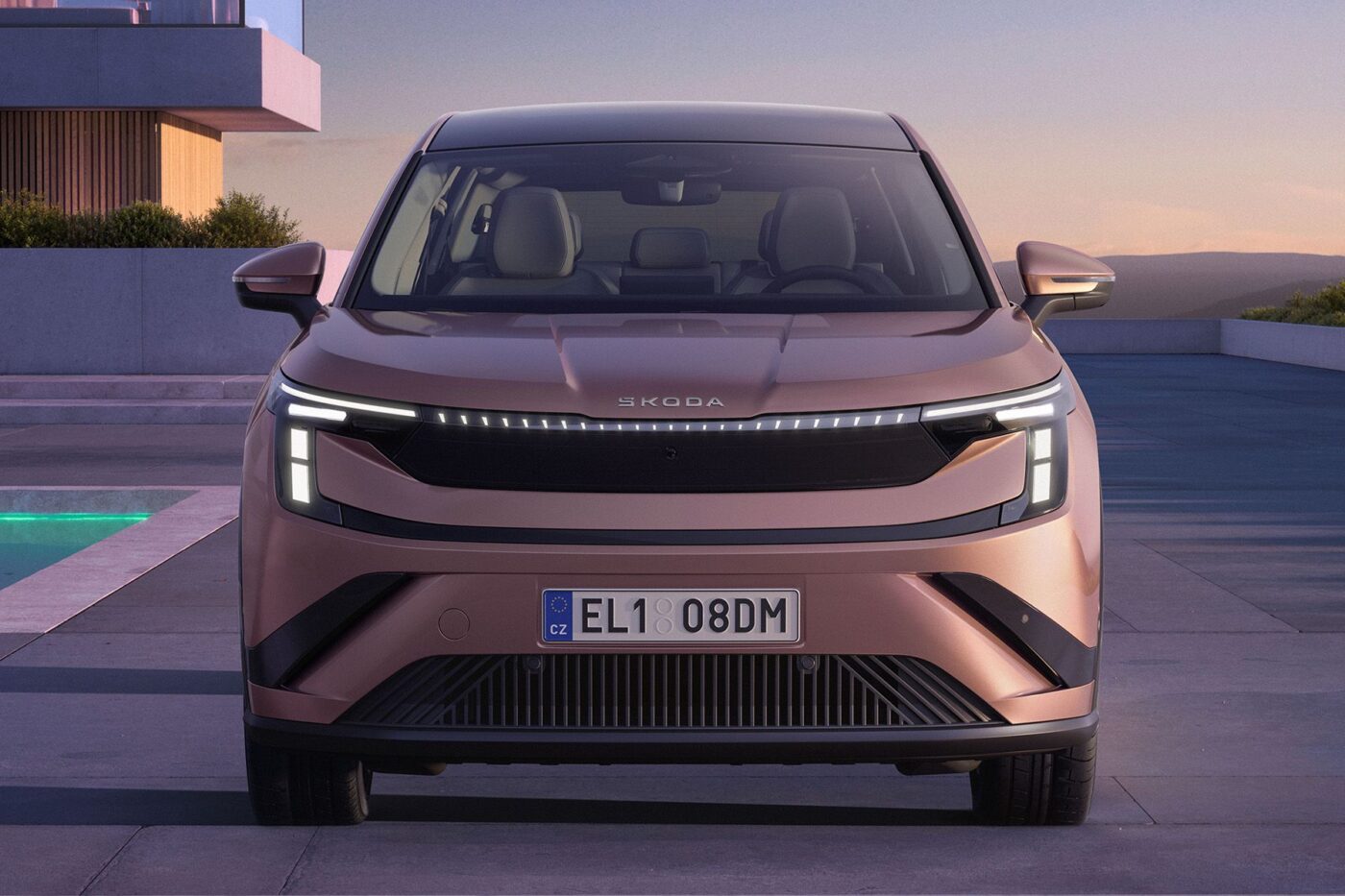
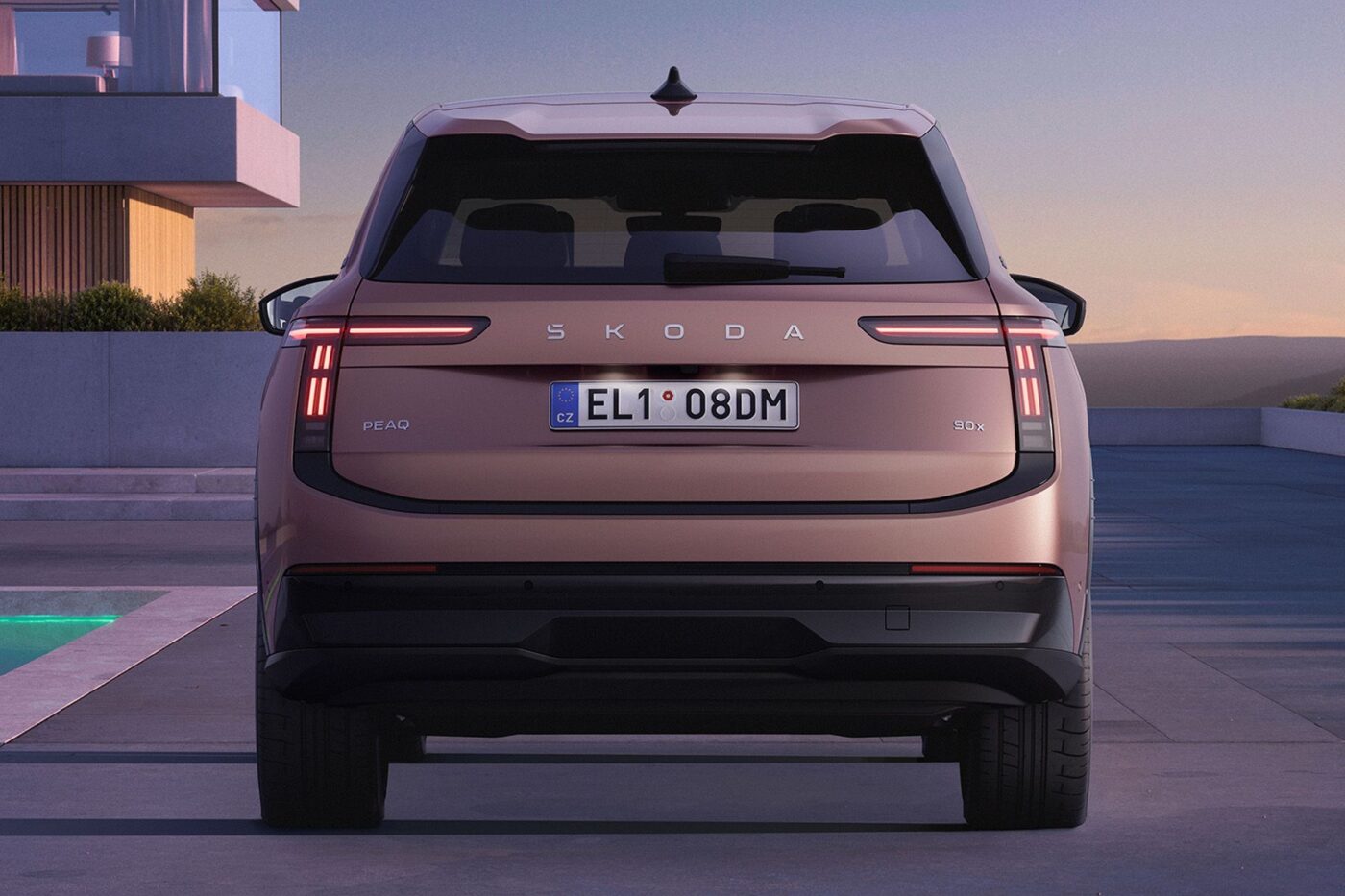
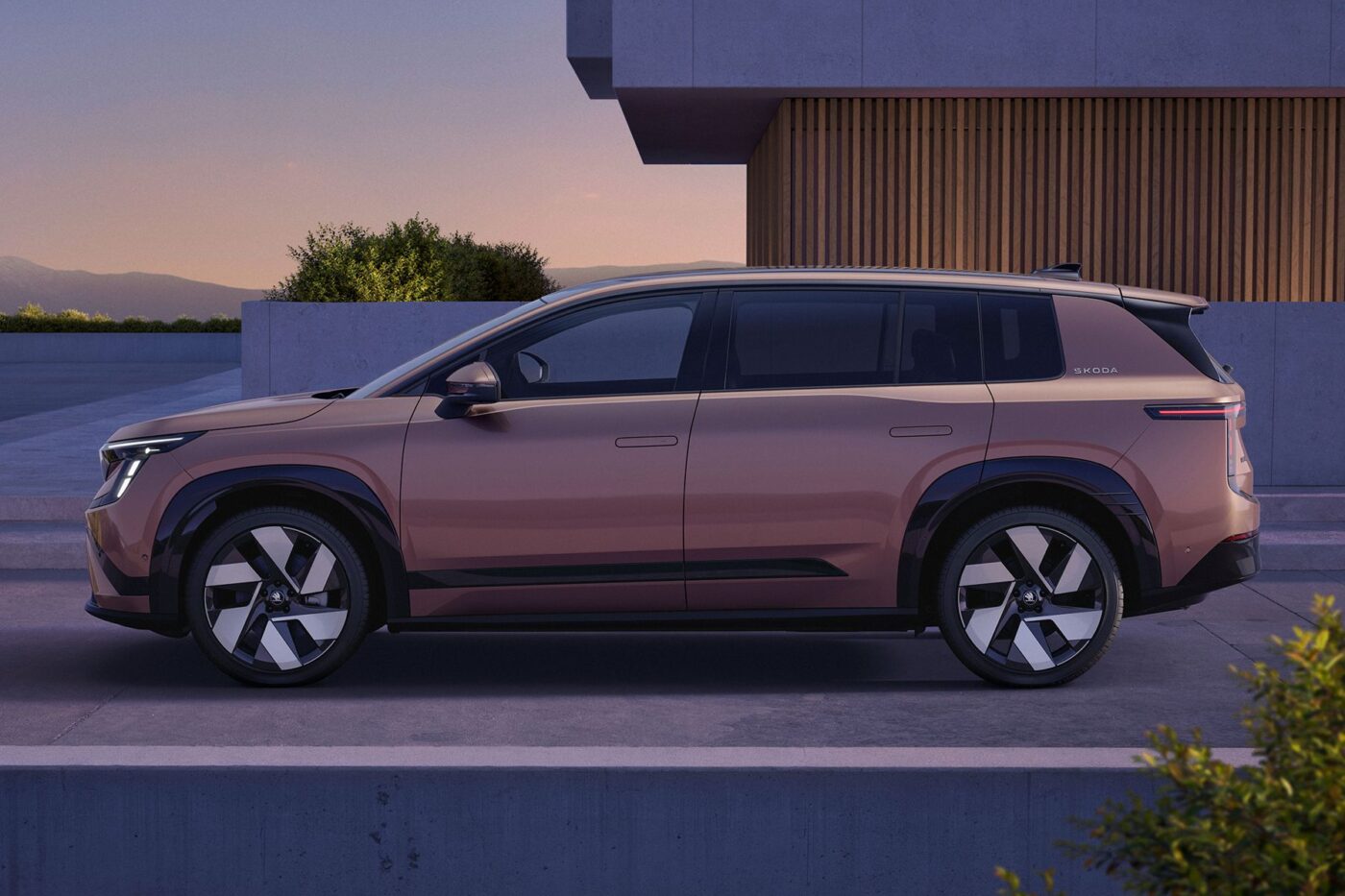
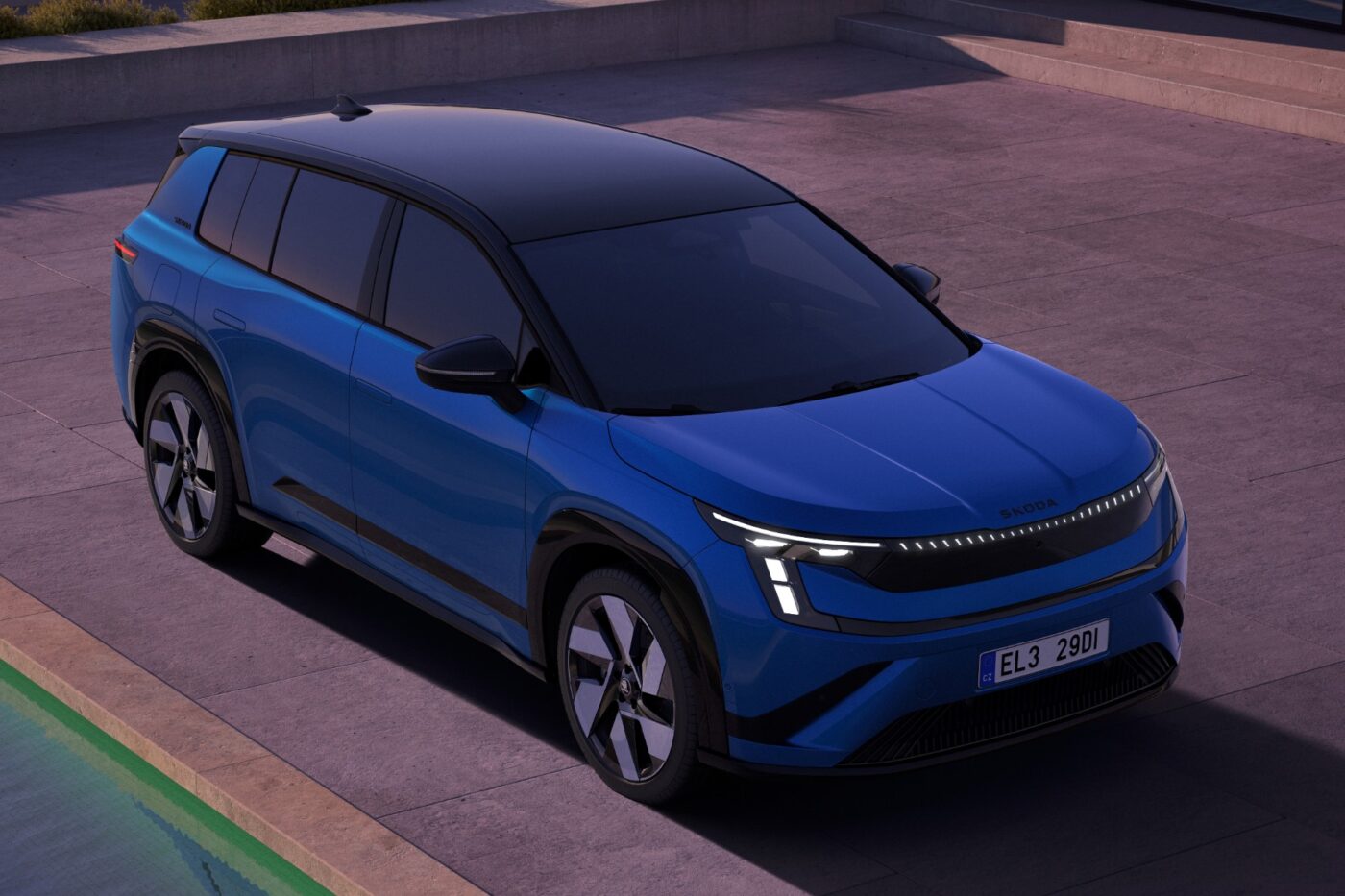
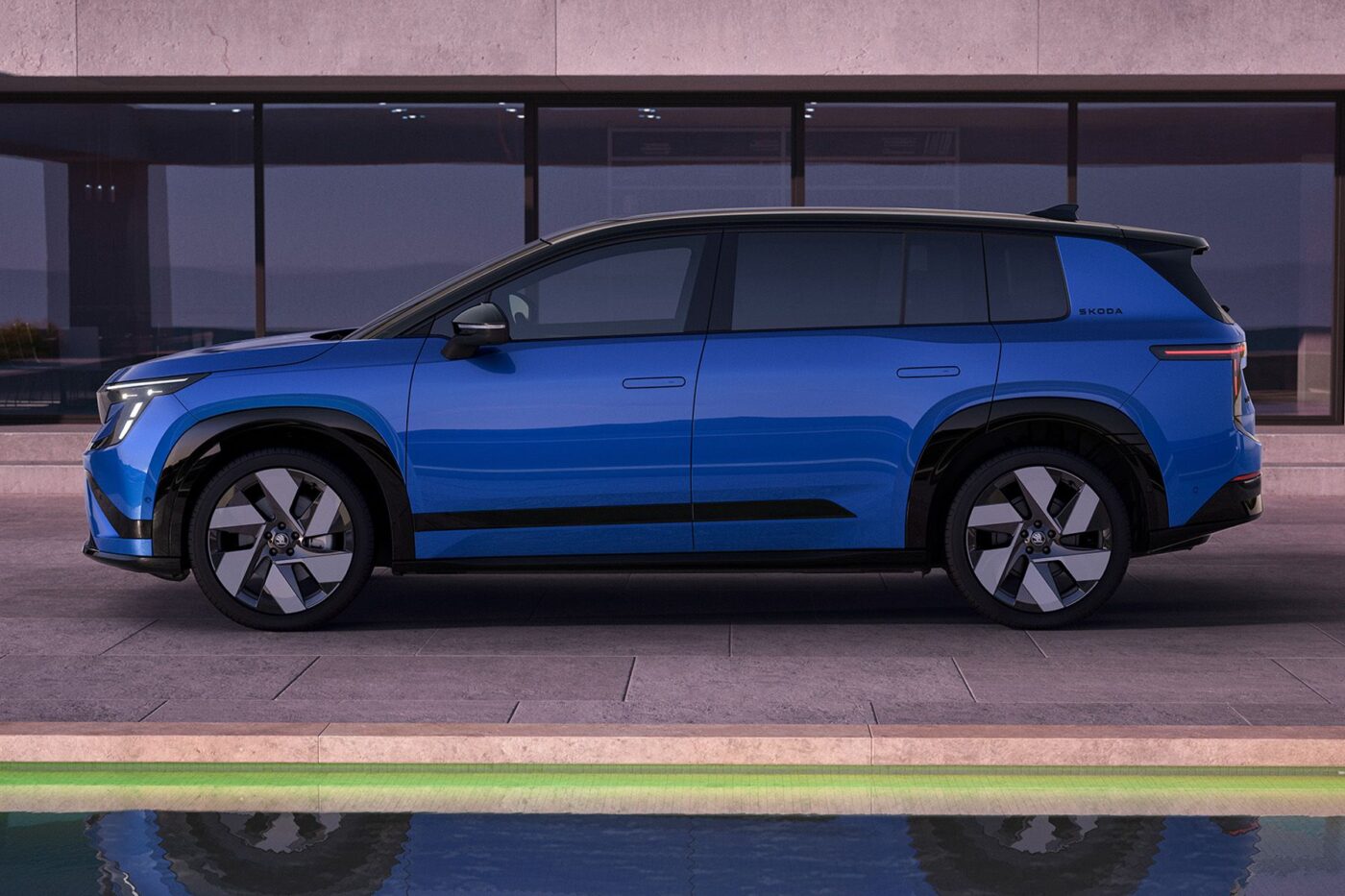
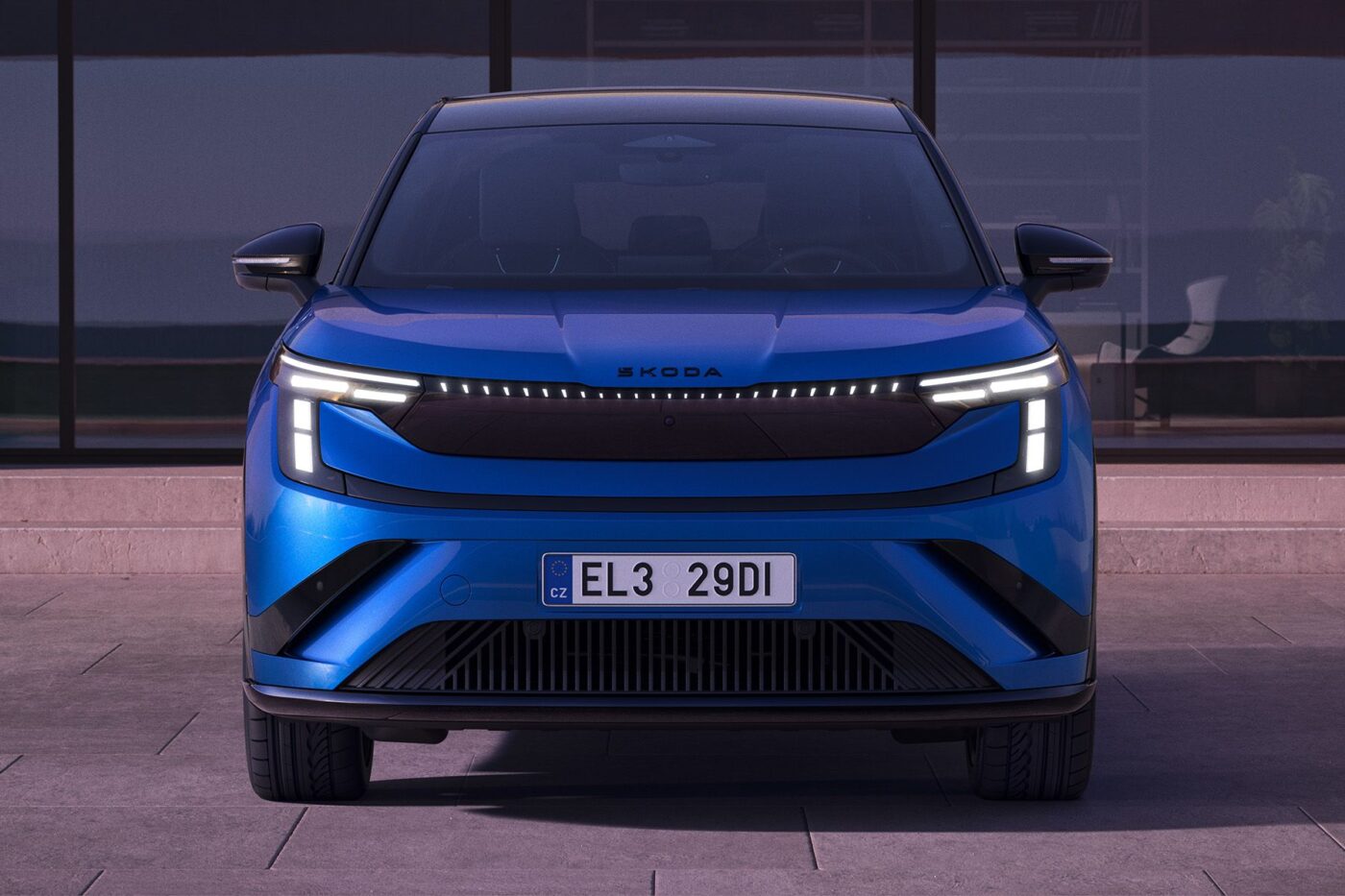


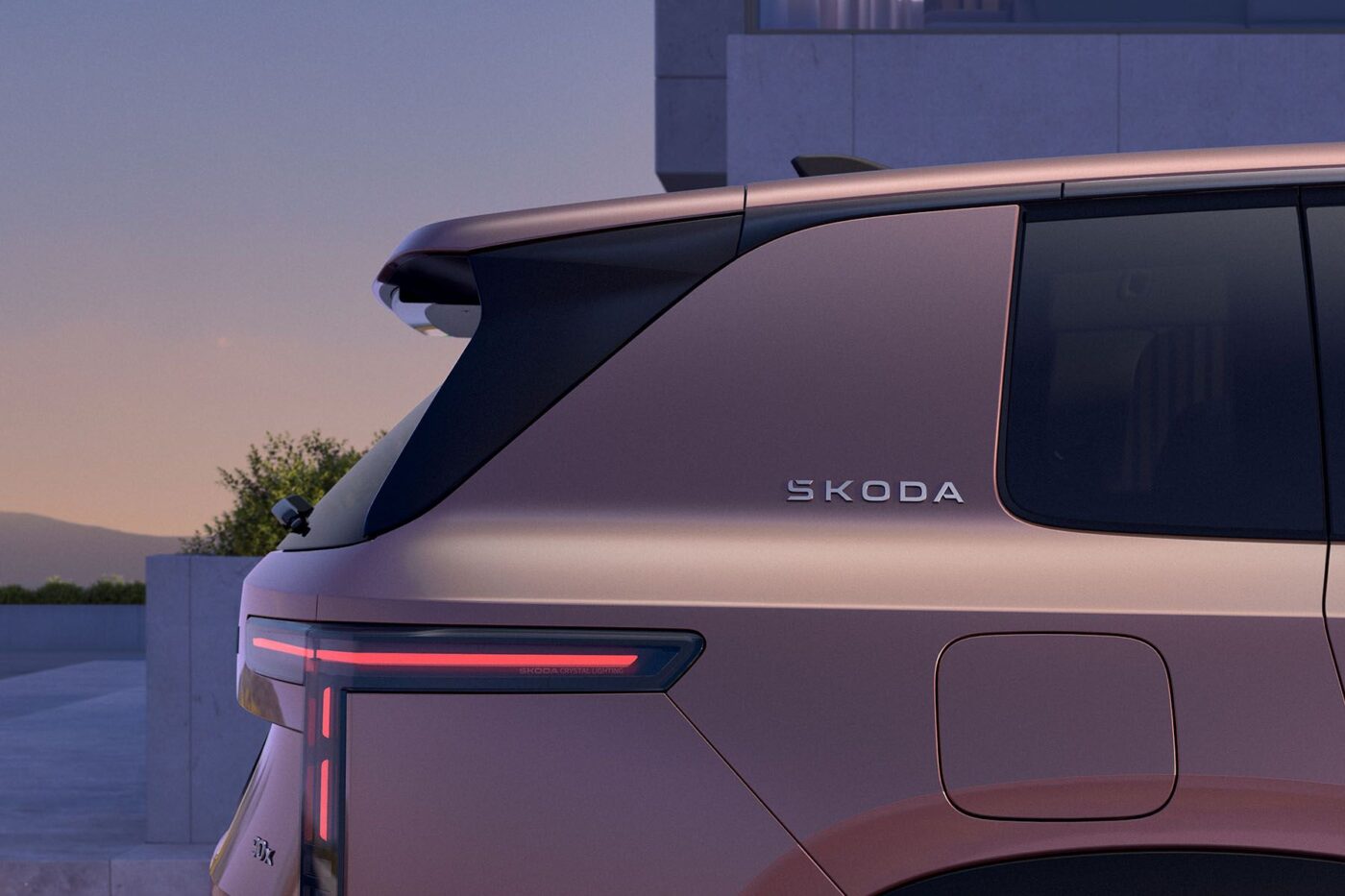
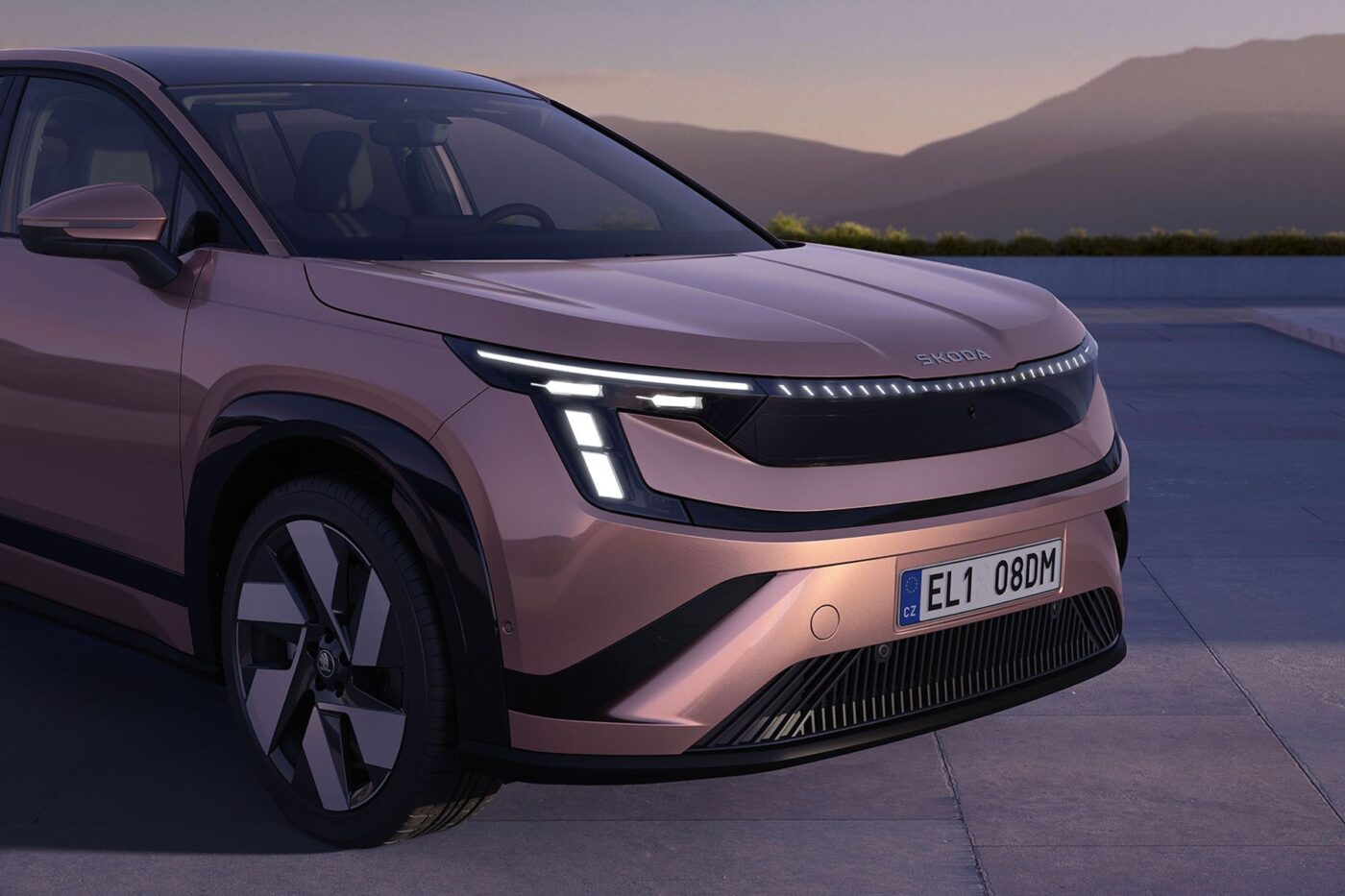
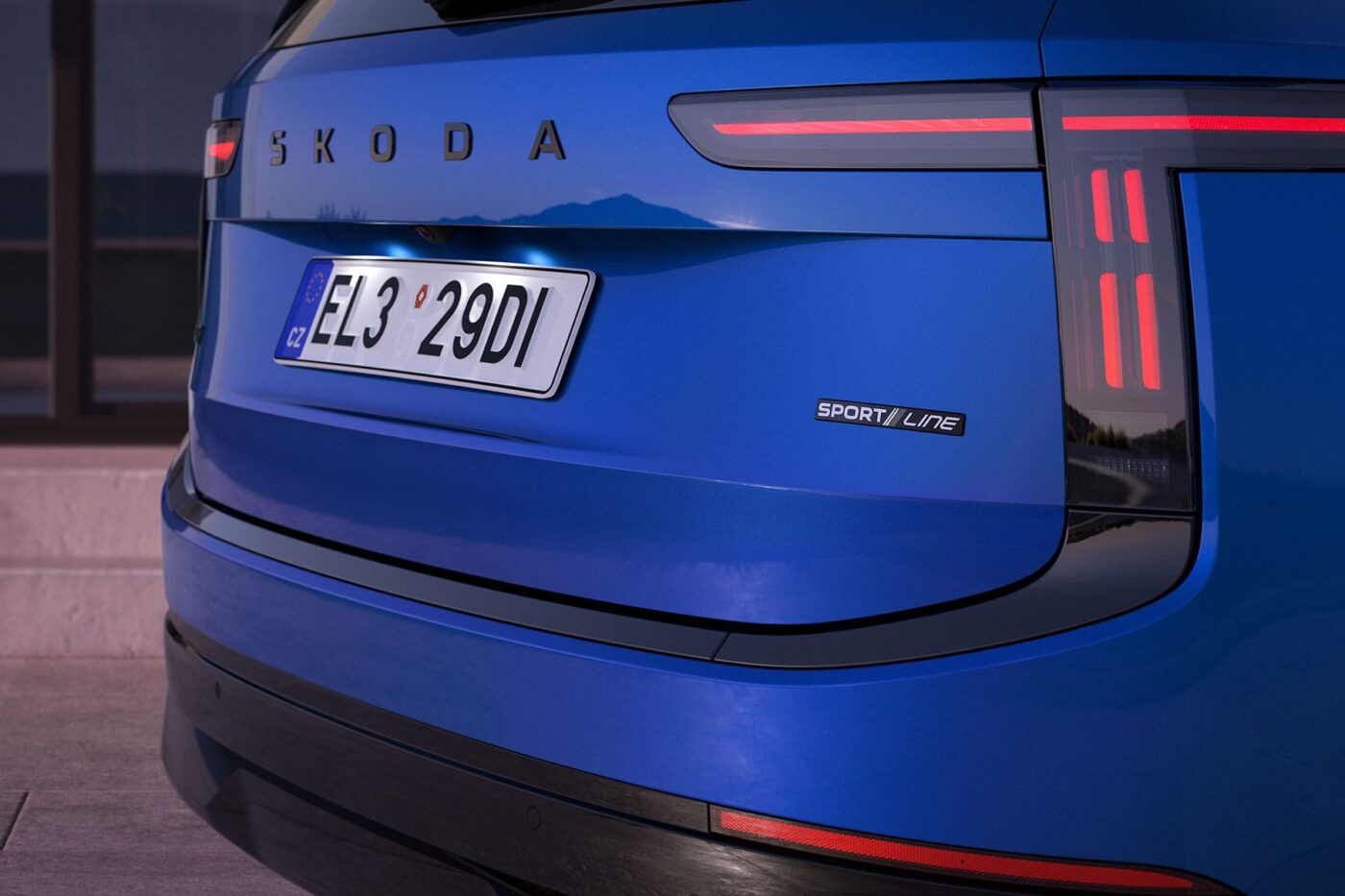
An SUV of this size must not only transport the family but also tow loads, such as a caravan. The Peaq can thus handle an unbraked trailer weight of 750kg. With a braked trailer, it can tow 1,800kg in the Peaq 60 and 90 versions, and 2,000 kg in the Peaq 90x.
935L of boot space – and 37L more in the Frunk
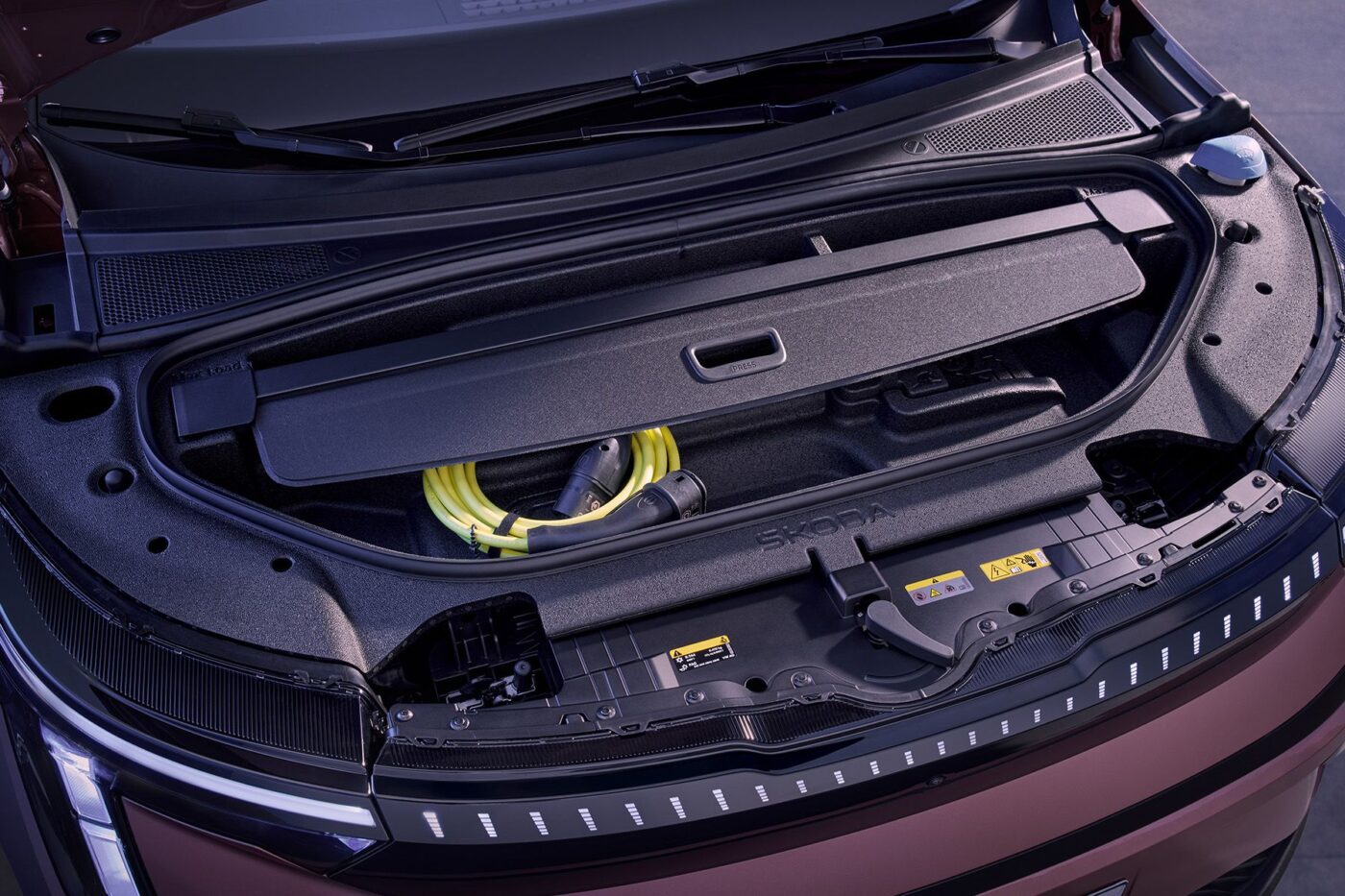
The boot volume in the five-seater configuration is a generous 935 litres, with an additional 37Lavailable in the frunk. When the third row of seats is deployed, 299L remain in the rear. As is typical for Škoda, the vehicle features so-called ‘Simply Clever’ details; for example, the boot cover roller blind can be stowed at the front above the frunk.
Škoda has recently established a leading position within the Volkswagen Group. This is perhaps because the developers and strategists have succeeded in precisely addressing their target buyers. The Elroq, for instance, is one of the best-selling electric cars in Europe due to its reasonable price-performance ratio. And practicality is a concept that is far more relevant in everyday life than in polemical digital debates.
Who exactly is the competition?
The Škoda Peaq will no doubt appeal to customers who miss the additional towing capacity in the Volkswagen ID.4. Or, those whose company car budget does not stretch to an Audi Q6 with an 800-volt platform. After all, the 400V MEB+ platform is sufficient for many use cases.
Externally, the competition is tough and includes the likes of the Hyundai Group. The Kia EV9 is even longer at 5.02m, but would you want to park such a large vehicle? Additionally, the base version of the EV9 with a similar range to the Škoda Peaq 60 costs significantly more at €63,690. The Hyundai Ioniq 9 goes even further at 5.06m, but is only available with a 110 kWh traction battery, and starts at €69,850. Its range of 620km is comparable to the Peaq 90, for which Škoda is asking 57,900 euros. If you think 5.06m is a lot, you’re right – but a BMW i5 is just as long.
With its generous space, reasonable dimensions, and competitive pricing, the Škoda Peaq occupies a unique position in its class. This could prove to be a winning formula.
Bidirectional charging with Moon instead of Elli
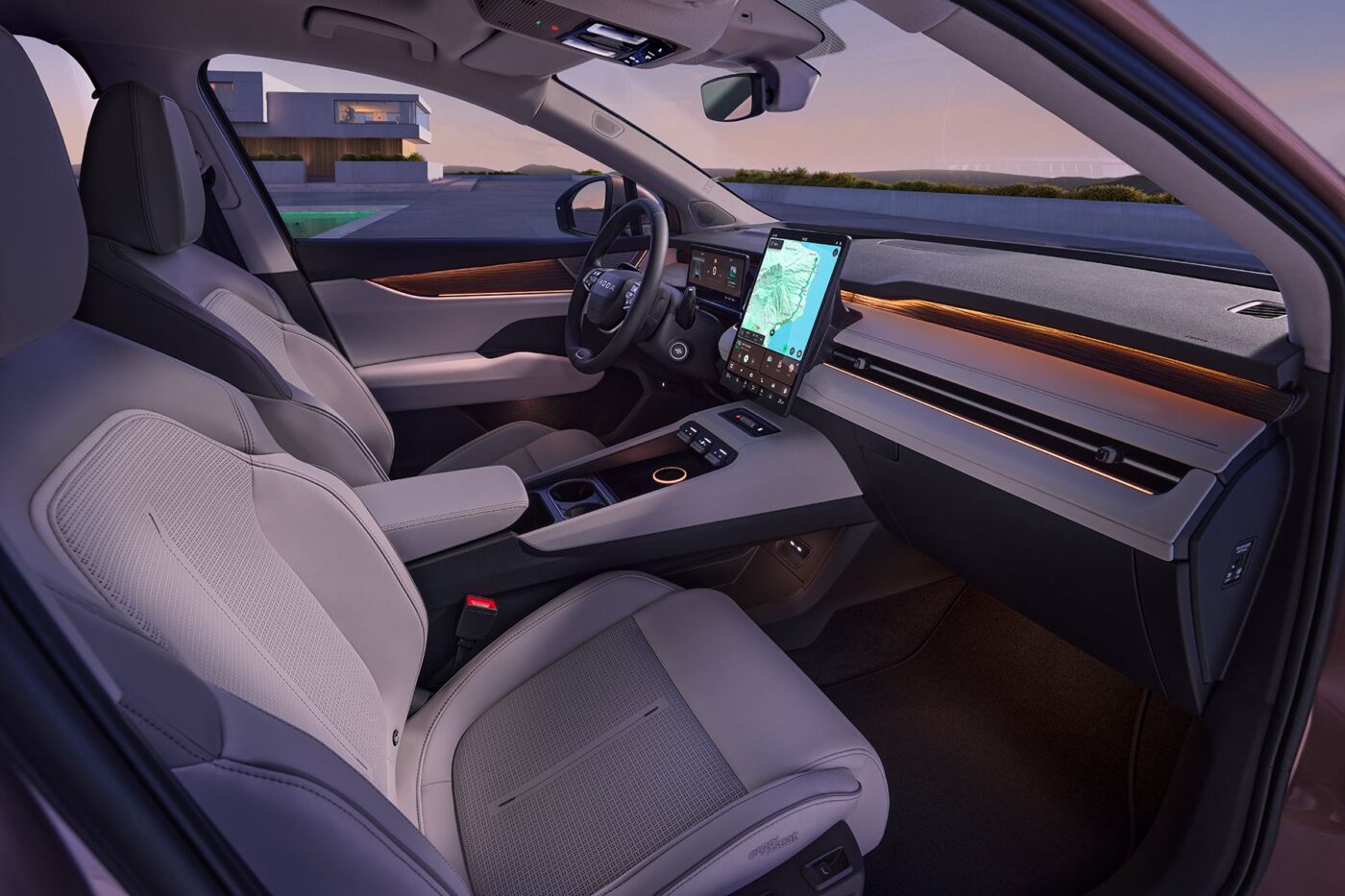
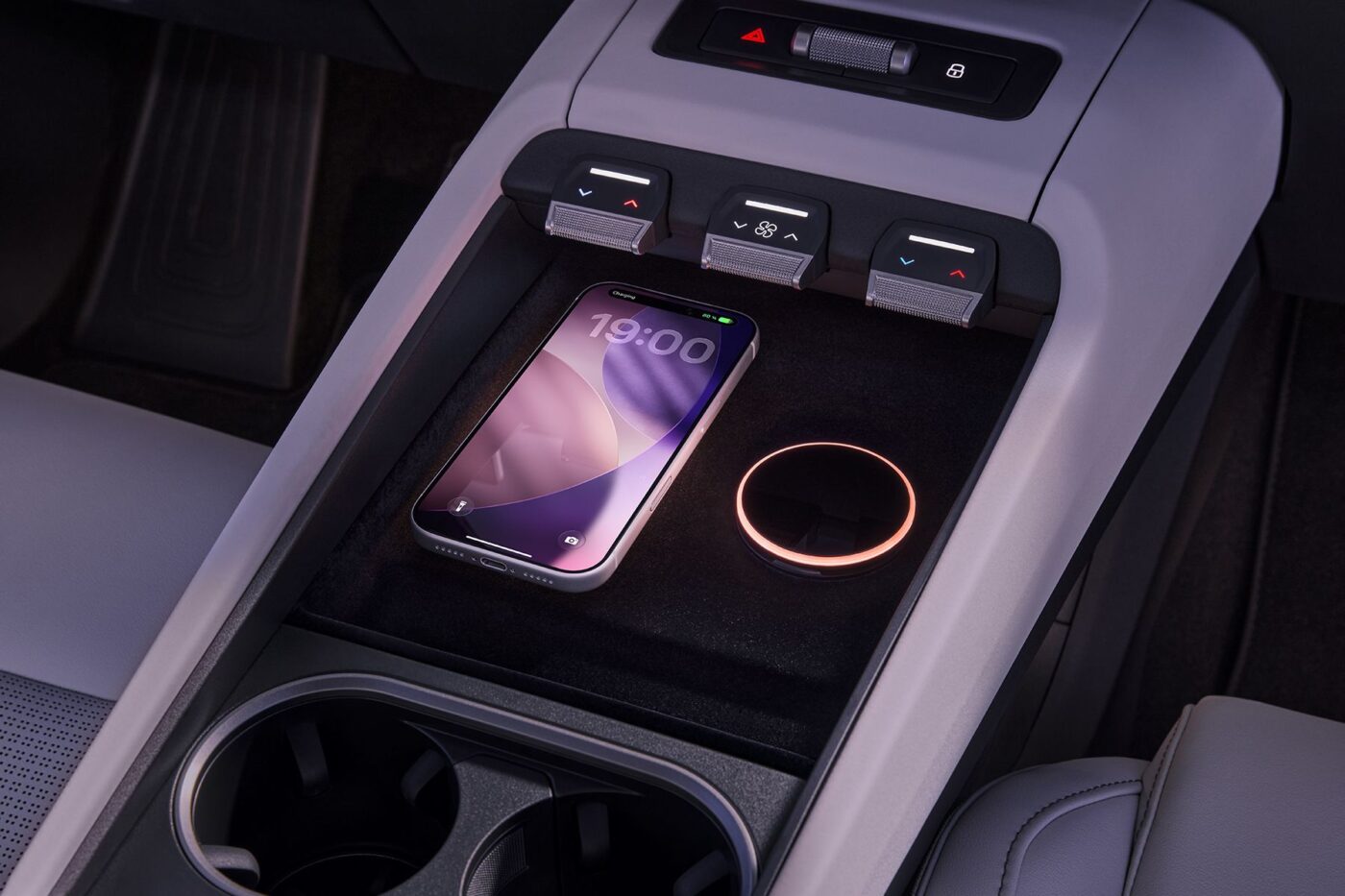
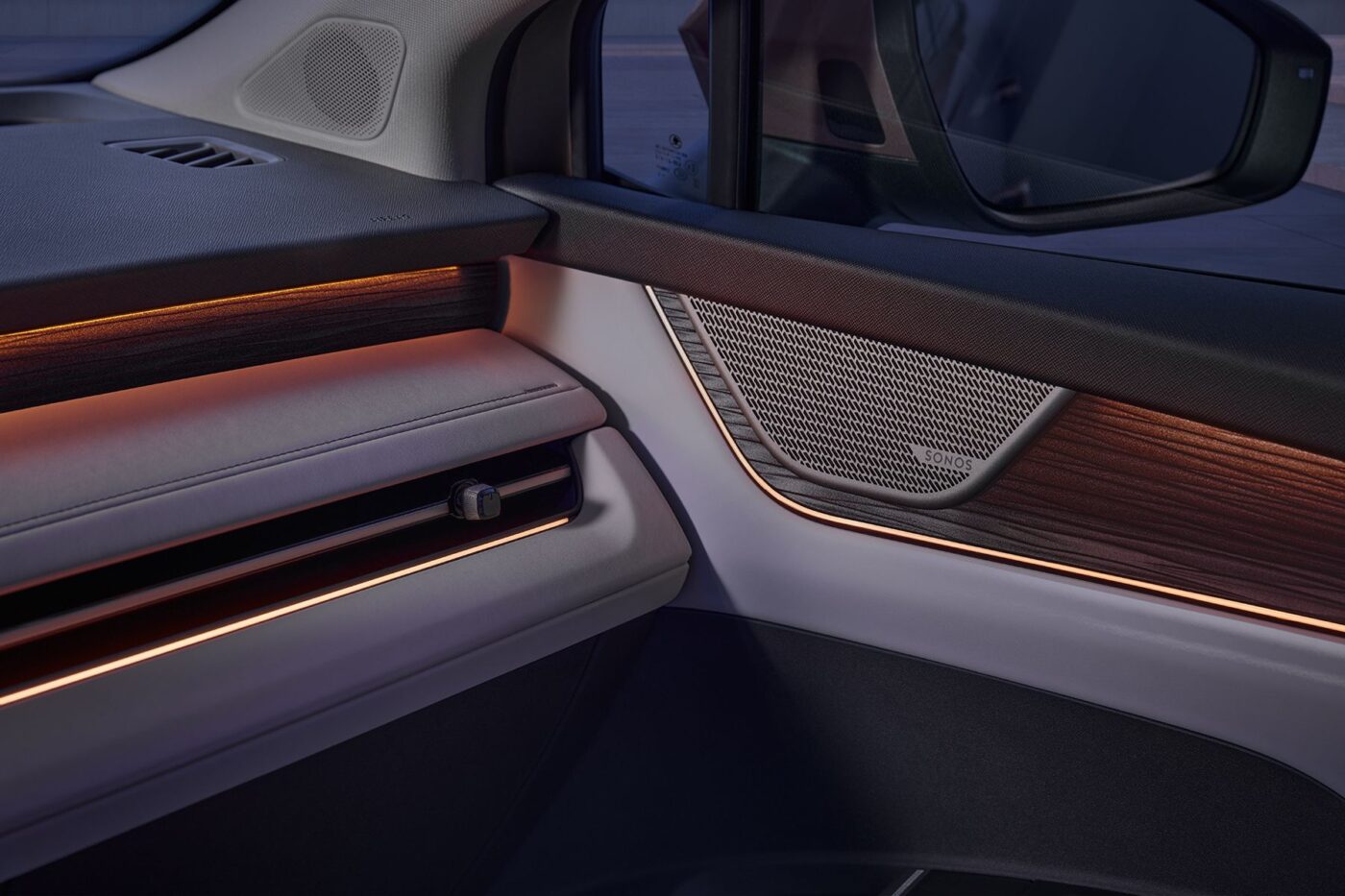
The rest of the features are as expected from the Volkswagen Group, adapted to Škoda’s usual standards. A positive note: the heat pump is standard equipment in the German market. Additional features are bundled into the Convenience, Tech, Assist, Winter, and Simply Clever packages. Each buyer can decide for themselves what is necessary and what is not.
| Peaq 60 | Peaq 90 | Peaq 90x | |
|---|---|---|---|
| Drive | RWD | RWD | AWD |
| Output | 150 kW | 210 kW | 220 kW |
| Torque | 350 Nm | 545 Nm | n.a. |
| Acceleration | 8.4 s | 7.1 s | 6.7 s |
| Top speed | 160 km/h | 180 km/h | 180 km/h |
| WLTP range | 456 km | 642 km | 609 km |
| Battery (net) | 59 kWh | 86 kWh | 86 kWh |
| Charging capacity DC | 160 kW | 199 kW | 199 kW |
| Charging time DC 10-80% | 27 min | 28 min | 28 min |
| Charging capacity AC | 11 kW | 11 kW | 11 kW |
| Towing capacity (braked) | 1,8 t | 1,8 t | 2 t |
| Price | 49,900 euros | 57,900 euros | 60,400 euros |
What stands out is Škoda’s approach to bidirectional charging: the Peaq can power external electrical devices (V2L). However, it is also designed to support the home grid (V2H) and participate in the electricity market (Vehicle-to-Grid). Unlike Volkswagen, which relies on its subsidiary Elli, Škoda is betting on the in-house competitor Moon. The hardware partner for the DC wall box is Ambibox from Mainz. It will be interesting to see how this internal competition develops in the medium term. The improved driver assistance systems based on the MEB+ platform are noteworthy, but the cost-saving potential of bidirectional charging takes centre stage.
Škoda describes the Peaq as the flagship of its EVs. It is large but not excessive, not cheap but reasonably priced. The Peaq represents an upper-middle-class option for people with significant space requirements for family, work, or hobbies. This SUV class is not particularly large in Germany, but within this segment, Škoda once again stands for a practical and down-to-earth solution.
Update 24.06.2026
AM Online reports Skoda has confirmed a starting price tag of £51,980 (~€60,283) for the seven-seater version of the Peaq when orders open in September.

0 Comments