


BMW relies on numerous Infineon components in the Neue Klasse
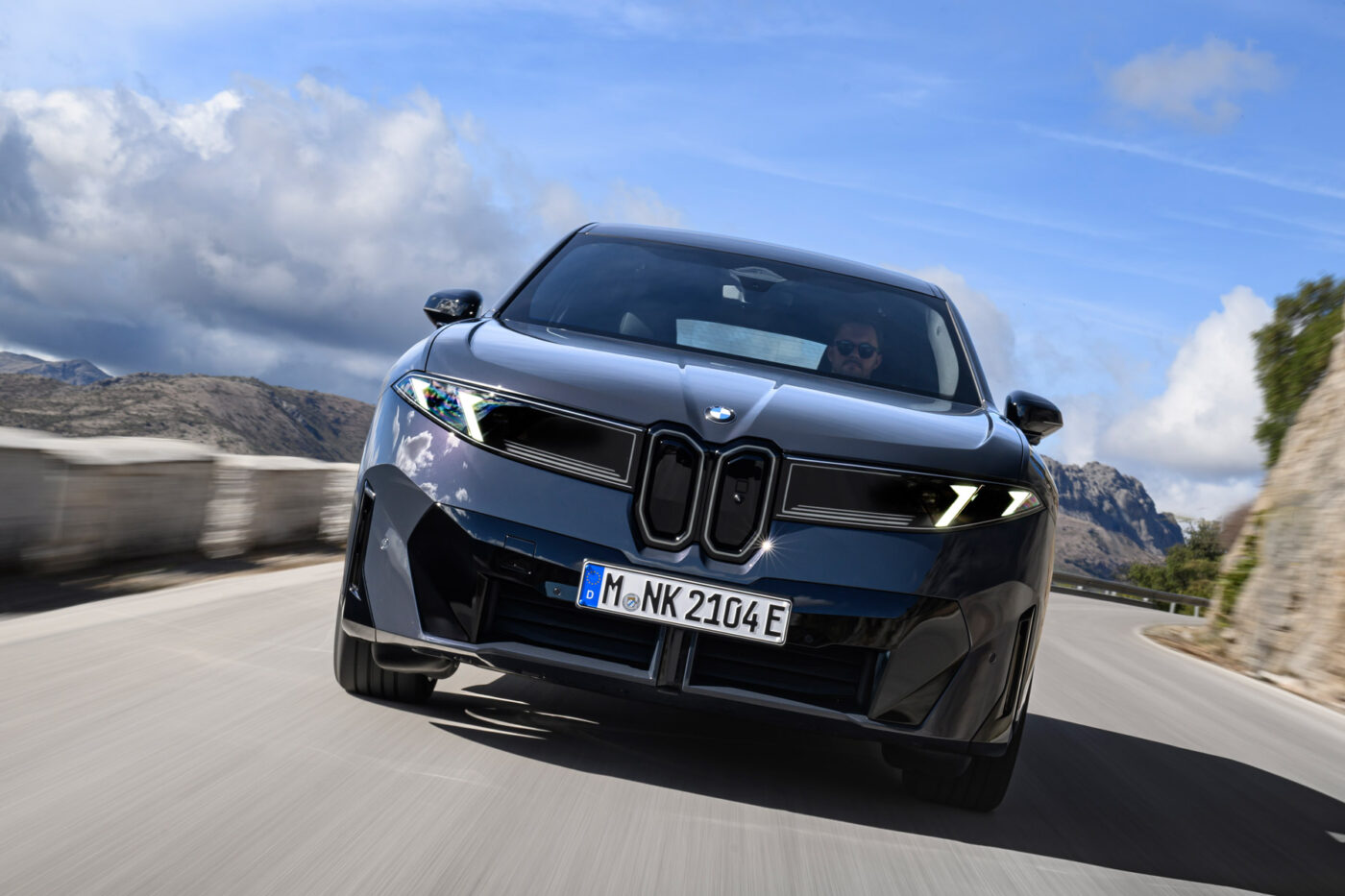
For BMW Board Member for Development Joachim Post, the Neue Klasse represents the ‘beginning of a new era.’ The moment has now arrived, as test drives with the new BMW iX3 begin on 7 March, marking the start of the first deliveries.
Semiconductor group Infineon has now highlighted its role as a key technology supplier for the Neue Klasse. The Bavarian company plays a pivotal role in the innovative electrical/electronic (E/E) architecture for software-defined vehicles (SDVs), contributing across three areas: computing power, energy management, and data connectivity.
For instance, BMW relies entirely on Infineon microcontrollers for its high-performance computer ‘Heart of Joy,’ which controls the vehicle’s powertrain and driving dynamics. The core component is an Aurix microcontroller of the latest generation (TC4D). Additionally, the ‘Heart of Joy’ is seamlessly connected to other systems via high-speed Ethernet based on Infineon’s Brightlane products.
The Neue Klasse also features three additional high-performance computers, which manage automated driving, infotainment, and the vehicle’s basic functions. All four computers—also referred to as control units—are supported by three separate zone control units, which are also fully based on Infineon microcontrollers.
“We are proud to collaborate with BMW Group to shape the future of mobility,” said Jochen Hanebeck, CEO of Infineon Technologies AG. “BMW Group’s Neue Klasse marks a significant step in introducing software-defined vehicles to the market and elevates individual mobility to the next level in terms of decarbonization and digitalization. We support the vision of a new software-defined platform with comprehensive expertise and cutting-edge technology.”
As previously mentioned, Infineon technology also enables Ethernet data connectivity in the new BMW iX3 and future vehicles of the Neue Klasse. The company highlights that the wiring harness in the BMW iX3 is less complex and approximately 600 metres shorter than in previous vehicle generations, making it around 30 per cent lighter. Furthermore, intelligent eFuses from Infineon replace up to 150 conventional fuses per vehicle. These support software-controlled energy management, which dynamically adjusts the power supply with precision. Depending on the vehicle’s state—such as charging, driving, parking, or software updates—non-essential systems are switched off. This is expected to improve energy efficiency by around 20 per cent, according to Infineon.
Incidentally, Infineon plans to increasingly supply technology for humanoid robots in the future. Many of the chips that Europe’s largest semiconductor manufacturer currently provides to the automotive industry for automated driving can also be effectively used in robots, as outlined in an interview with CEO Jochen Hanebeck in the German Handelsblatt.

0 Comments