


Polestar to reduce charging costs for EV drivers by up to 300 euros annually
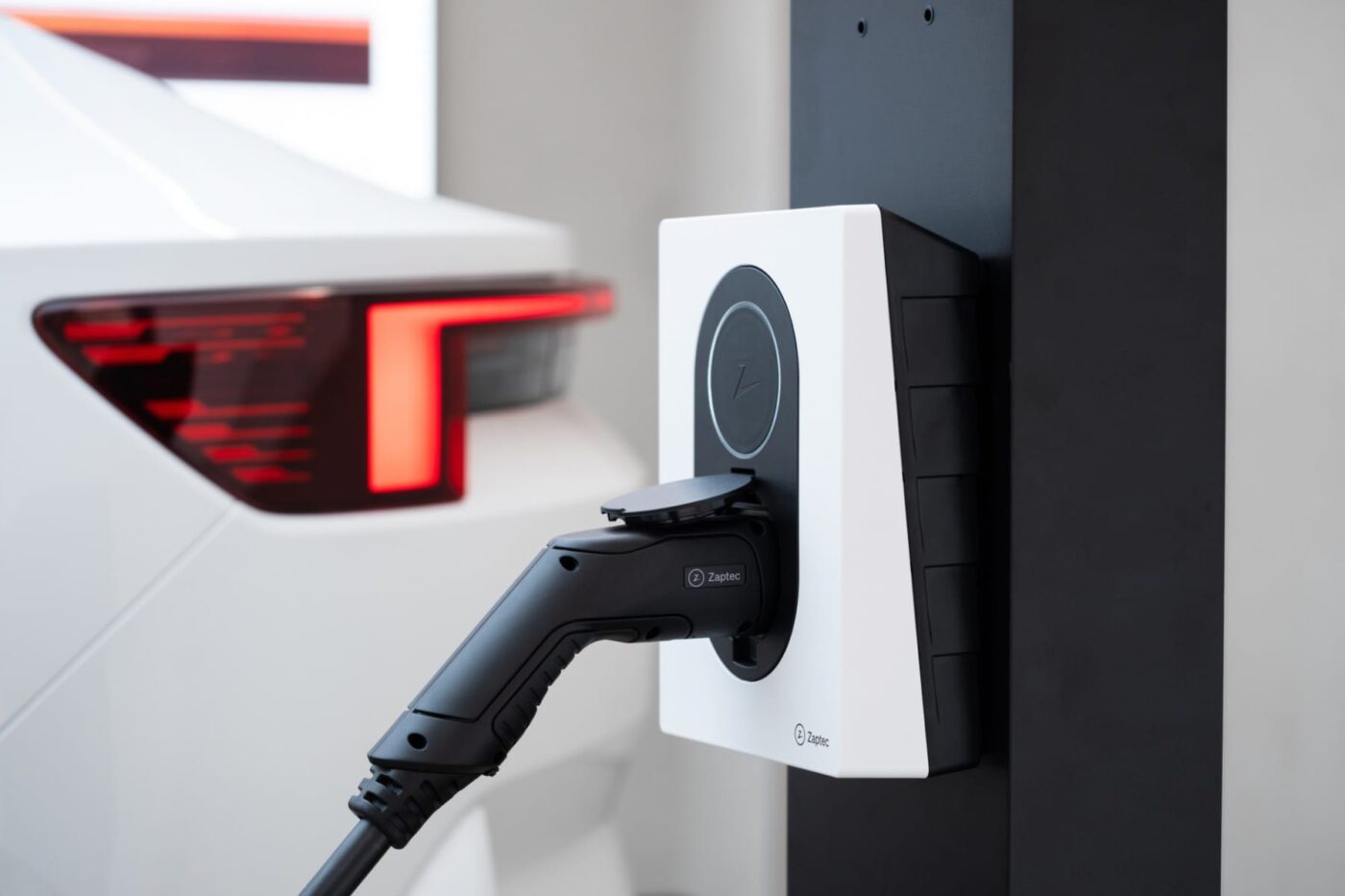
For over a year, Polestar has offered its ‘Polestar Energy’ app for smarter, more efficient and cost-effective home charging in Germany and other European markets. Using the app, customers specify when they plan to use their electric vehicle and the desired state of charge. The charging station then determines the optimal time to charge the vehicle, ensuring user requirements are met while minimising costs.
Polestar is now expanding its offering in collaboration with its partner Octopus Energy to include Grid Rewards in Germany and France. Grid Rewards enable additional savings by rewarding users when their vehicle supports grid stability through smart charging. In Germany, Polestar drivers using Polestar Energy with an Intelligent Octopus energy contract can reduce their home wallbox charging costs by up to 50% per session, potentially saving up to 300 euros annually.
Unlike conventional smart charging, which Polestar has offered for a year via Polestar Energy, the charging control system is not solely designed to save users money by charging during off-peak times. Instead, grid-supportive charging optimises the use of the public electricity grid and helps avoid peak loads. Conversely, electricity can be drawn from the EV when there is excess supply in the grid. To scale this system, Grid Rewards pools a fleet of Polestar vehicles, allowing all cars to be charged simultaneously or charging to be paused as needed.
In future, this system could potentially be extended to support bidirectional charging, enabling energy stored in the vehicle’s battery to be fed back into the public grid or a home network. However, the current offering does not yet include this feature—likely due to regulatory challenges. At least in California, Polestar has offered Vehicle-to-Home since November, allowing electricity from the traction battery to be fed back into the home network. This feature serves, among other things, as a backup solution during power outages.
For standard smart charging without Grid Rewards, Polestar has also introduced a vehicle-controlled solution for the Polestar 2 and Polestar 4. Previously, a dedicated wallbox was required to use smart charging with a Polestar vehicle, but this is no longer necessary for these two models. Instead, when connected to a home charging station, the electric vehicle itself manages charging times based on energy price signals, household demand and grid conditions. Polestar aims to remove one of the biggest barriers to adopting smart charging with this approach.

0 Comments