


Zimbabwe imposes export ban on raw lithium and lithium concentrate
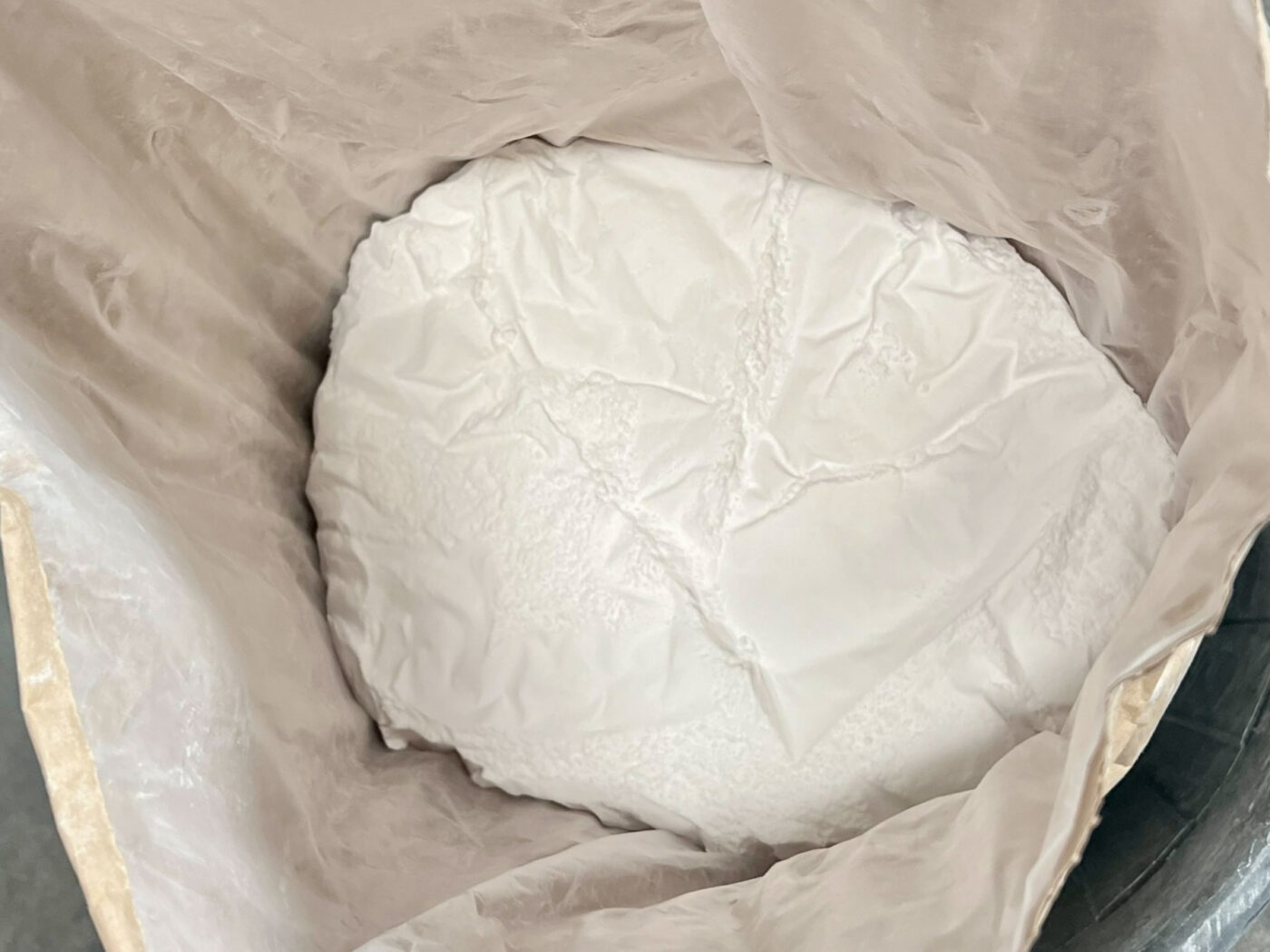
Zimbabwe’s Minister of Mines and Mining Development, Polite Kambamura, announced the export ban during a press briefing in the capital, Harare. “For now, the export ban applies to all minerals currently in transit,” he stated. The government aims to use this measure to buy time “to improve transparency in the mineral sector”. Additionally, it seeks to promote the processing of raw materials within the country to increase Zimbabwe’s value addition.
Previously, the government faced significant criticism for allowing Chinese investors to export raw lithium to China instead of processing it domestically. The issue gained traction in 2022, culminating in a ban on the export of unprocessed lithium in December of that year.
However, news agencies Reuters and Bloomberg reported at the time that Chinese companies Zhejiang Huayou Cobalt, Sinomine Resource Group, and Chengxin Lithium Group had acquired lithium mines and projects in Zimbabwe worth a total of $678 million in 2021. These projects are at various stages of development and include processing facilities, which would exempt these companies from the ban.
Zimbabwe possesses one of the world’s largest lithium reserves, a mineral critical for battery production. The stricter export ban follows years of lithium-bearing ore being removed from the country—either through legal exports or smuggling. As a result, the processing stages that follow mining have largely taken place outside Zimbabwe.
Zimbabwe’s lithium deposits are the largest in Africa. The country’s largest mine is located 300 kilometres south of Harare and holds reserves of approximately 11 million tonnes of lithium ore. Another mine is expected to produce 2.5 million tonnes annually in the future.


0 Comments