



MAN puts its battery-electric coach through rigorous winter endurance tests
For the Lion’s Coach E, this marked its first winter test. “It thus continues the tradition of MAN Truck & Bus engineers deliberately pushing their vehicles to their limits every year,” the German manufacturer states.
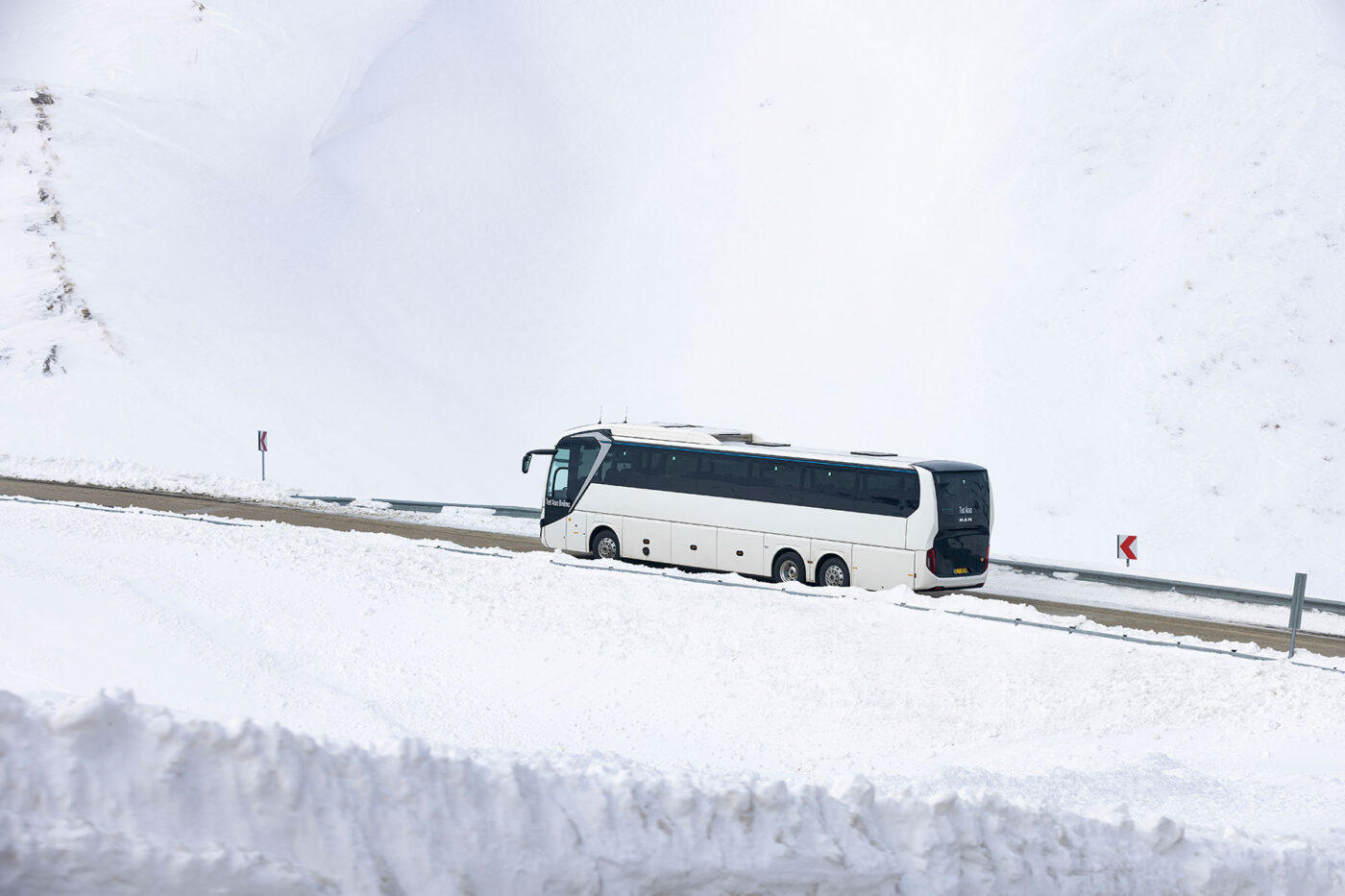
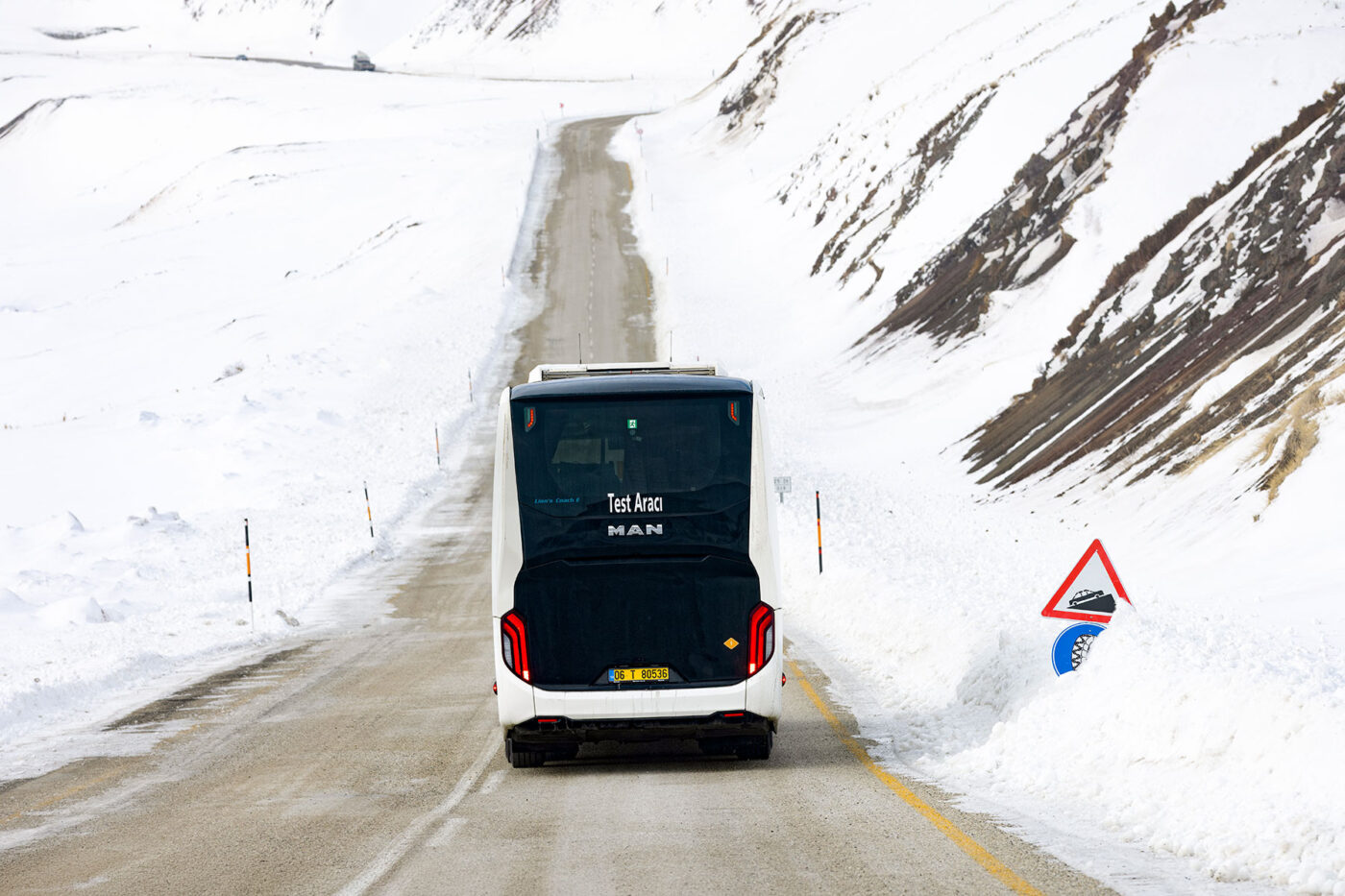
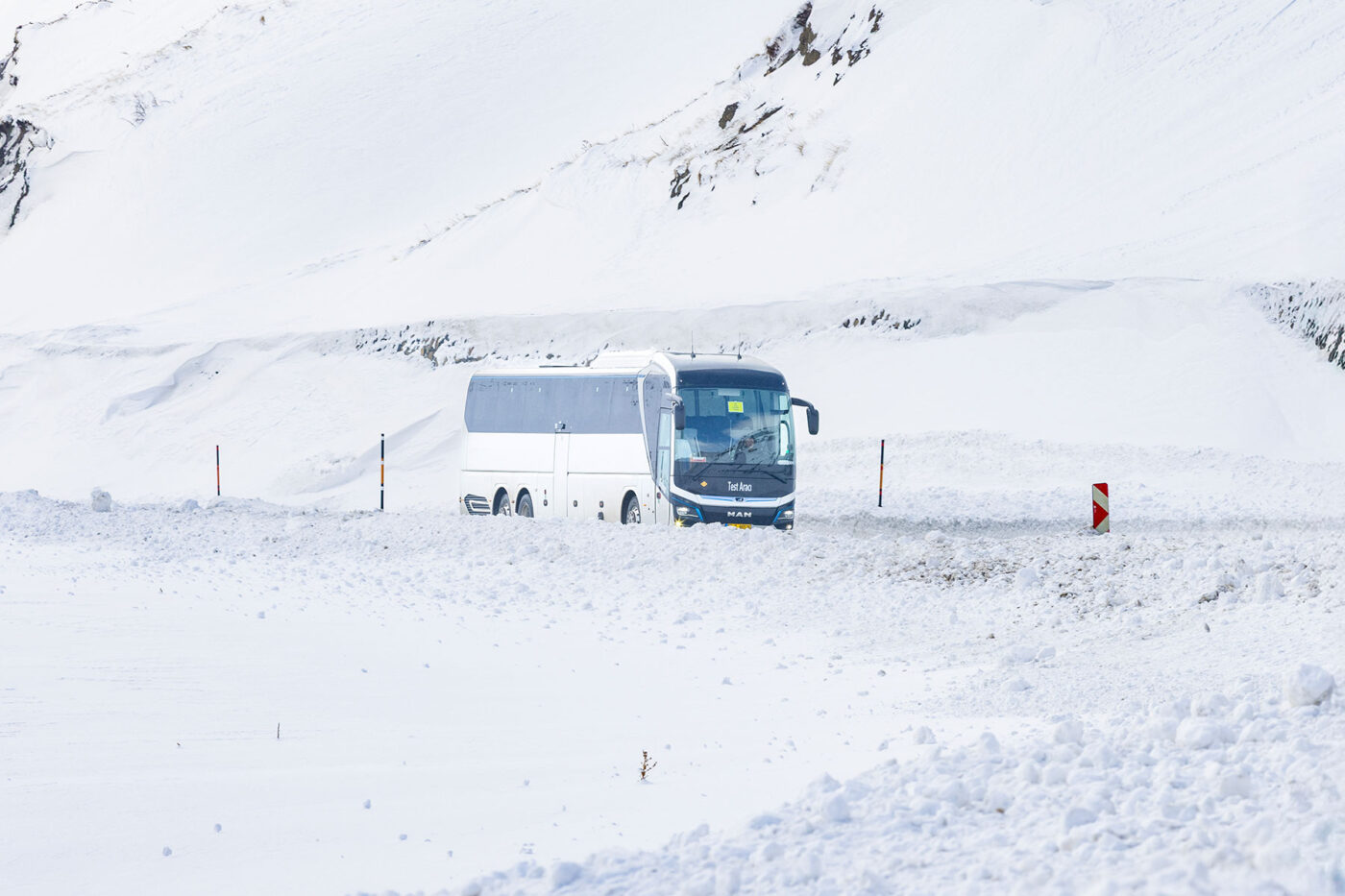
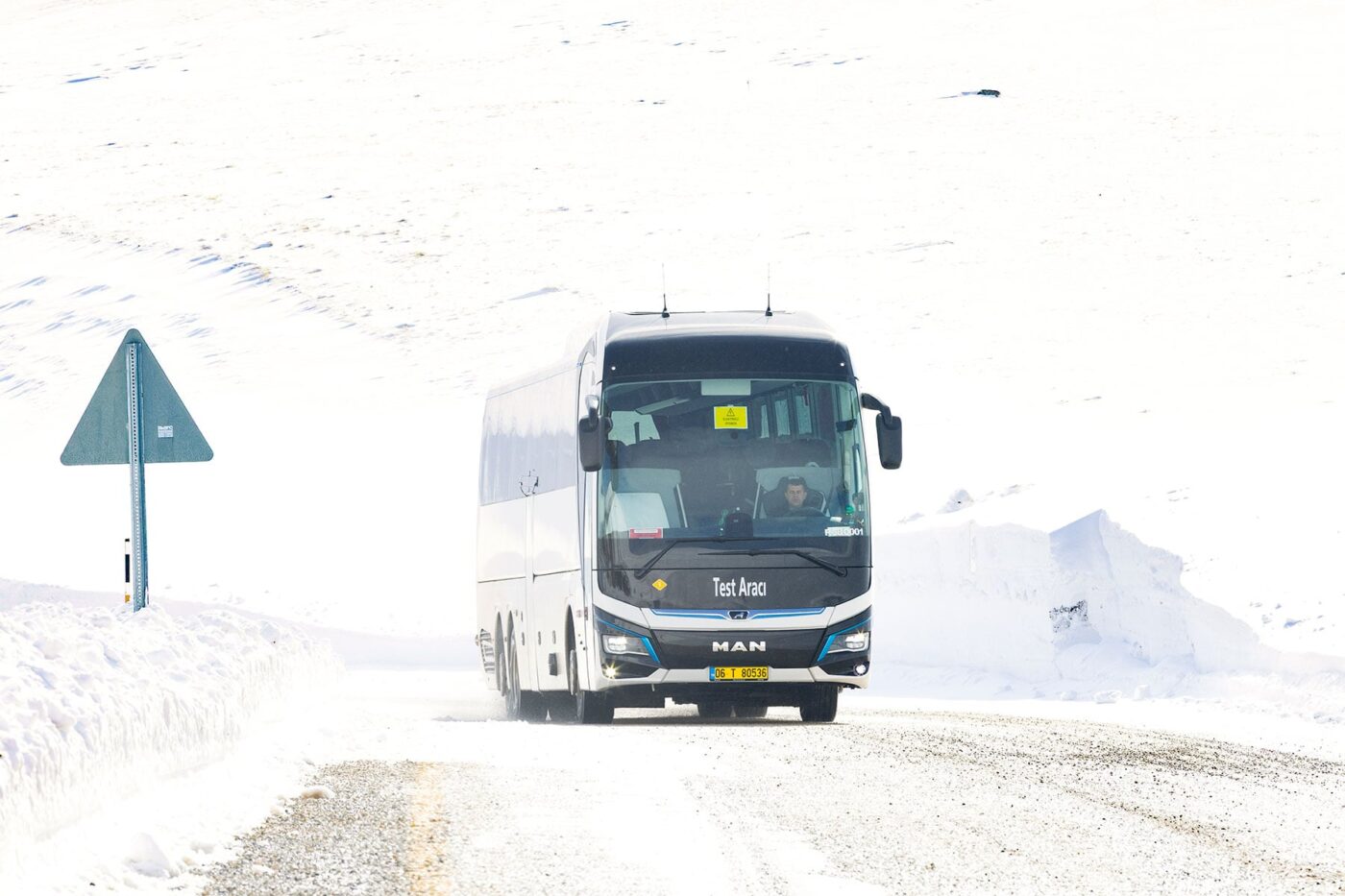
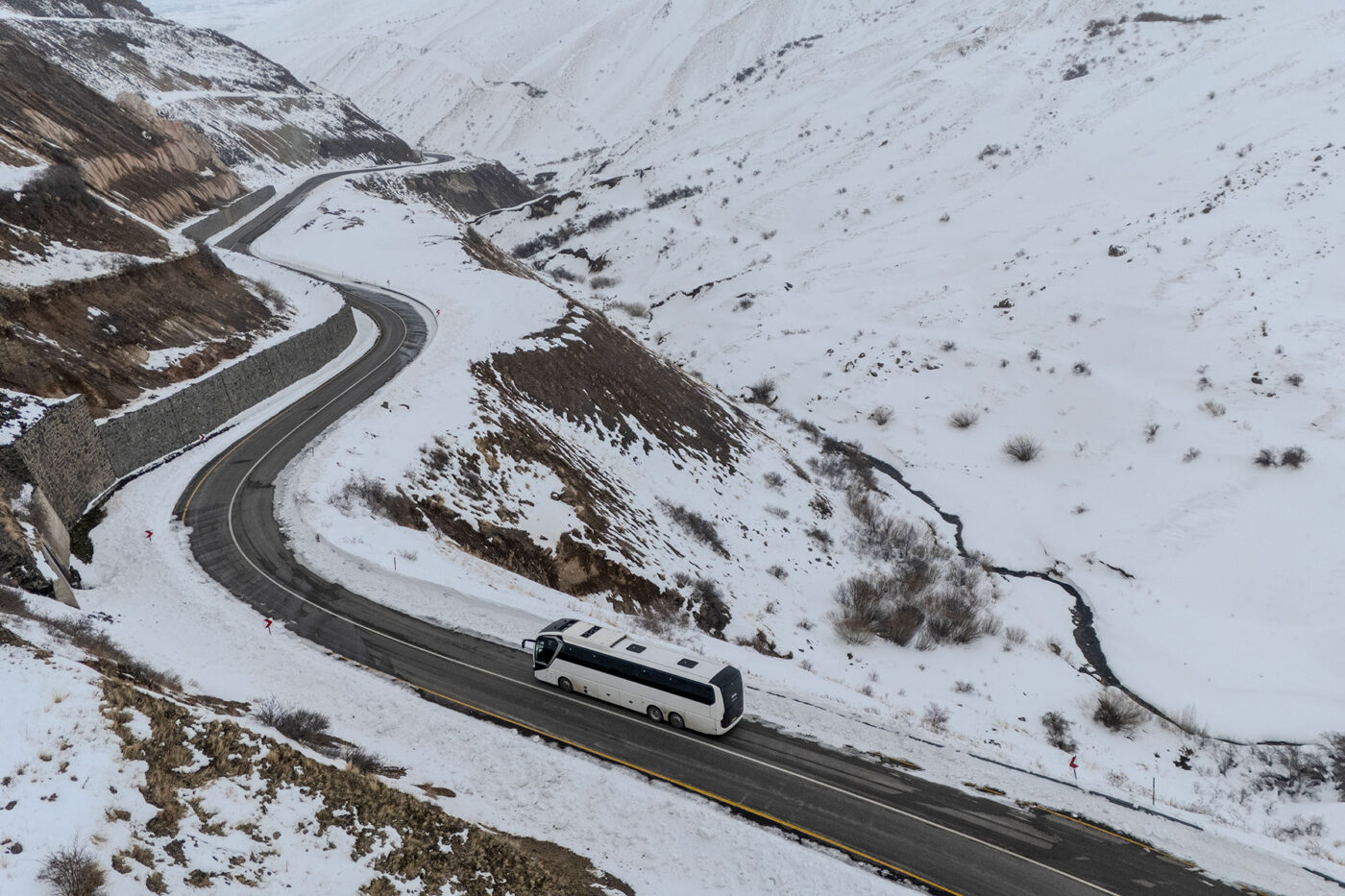
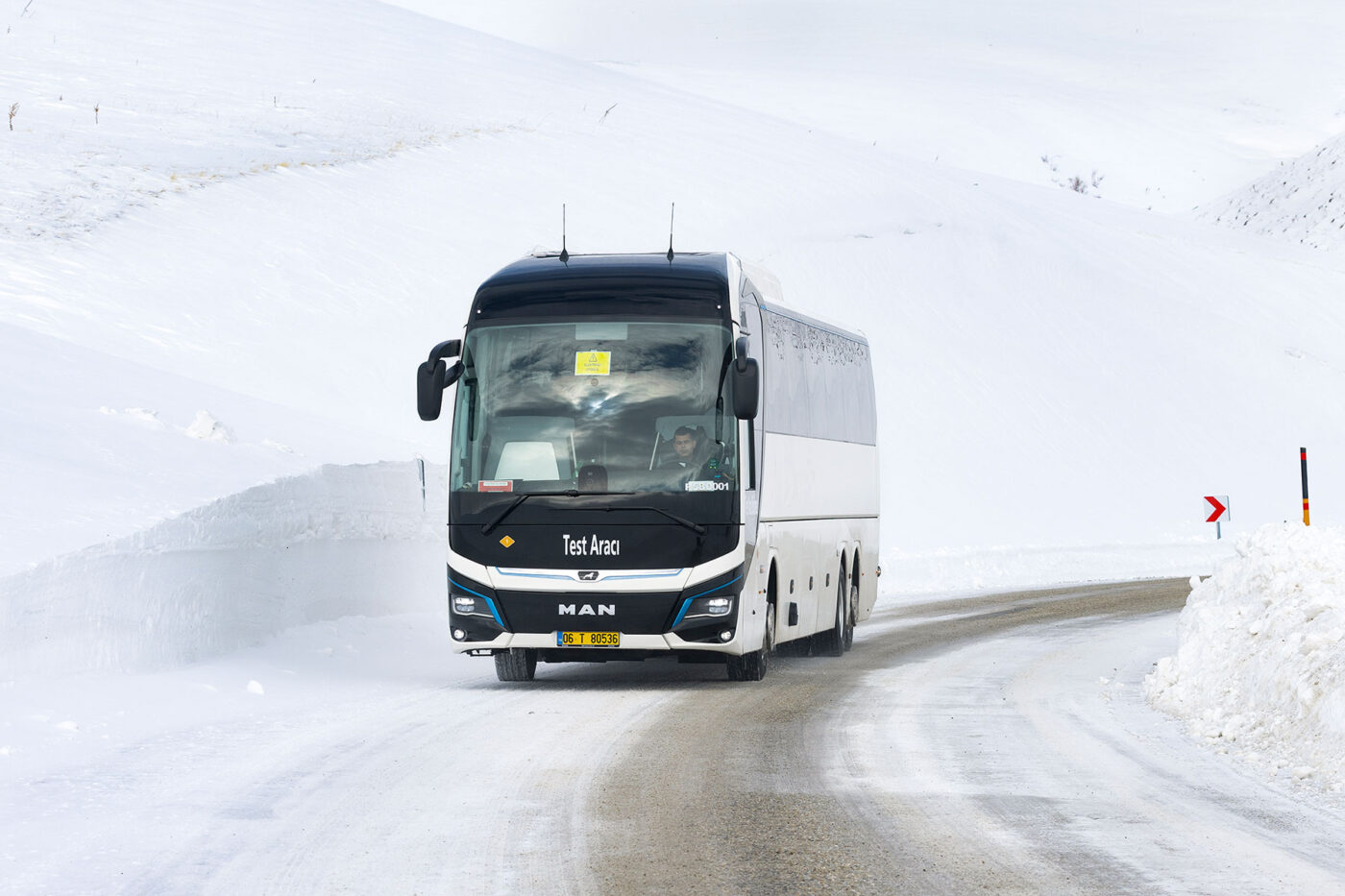
Testing took place in northern Sweden near the Arctic Circle and in Erzurum in eastern Turkey – regions known for particularly harsh winter conditions. The four units of the new battery-electric coach completed their test kilometres at temperatures of down to -30 degrees Celsius.
According to MAN, the testing focused particularly on the performance of the high-voltage battery system in extreme sub-zero temperatures, energy management including preconditioning, charging performance, the drivetrain with electric motor, and the interior thermal management system.
“But even in these freezing temperatures, the Lion’s Coach E fully met our expectations. All components and systems functioned reliably despite the cold,” emphasised Barbaros Oktay, Head of Bus at MAN Truck & Bus.
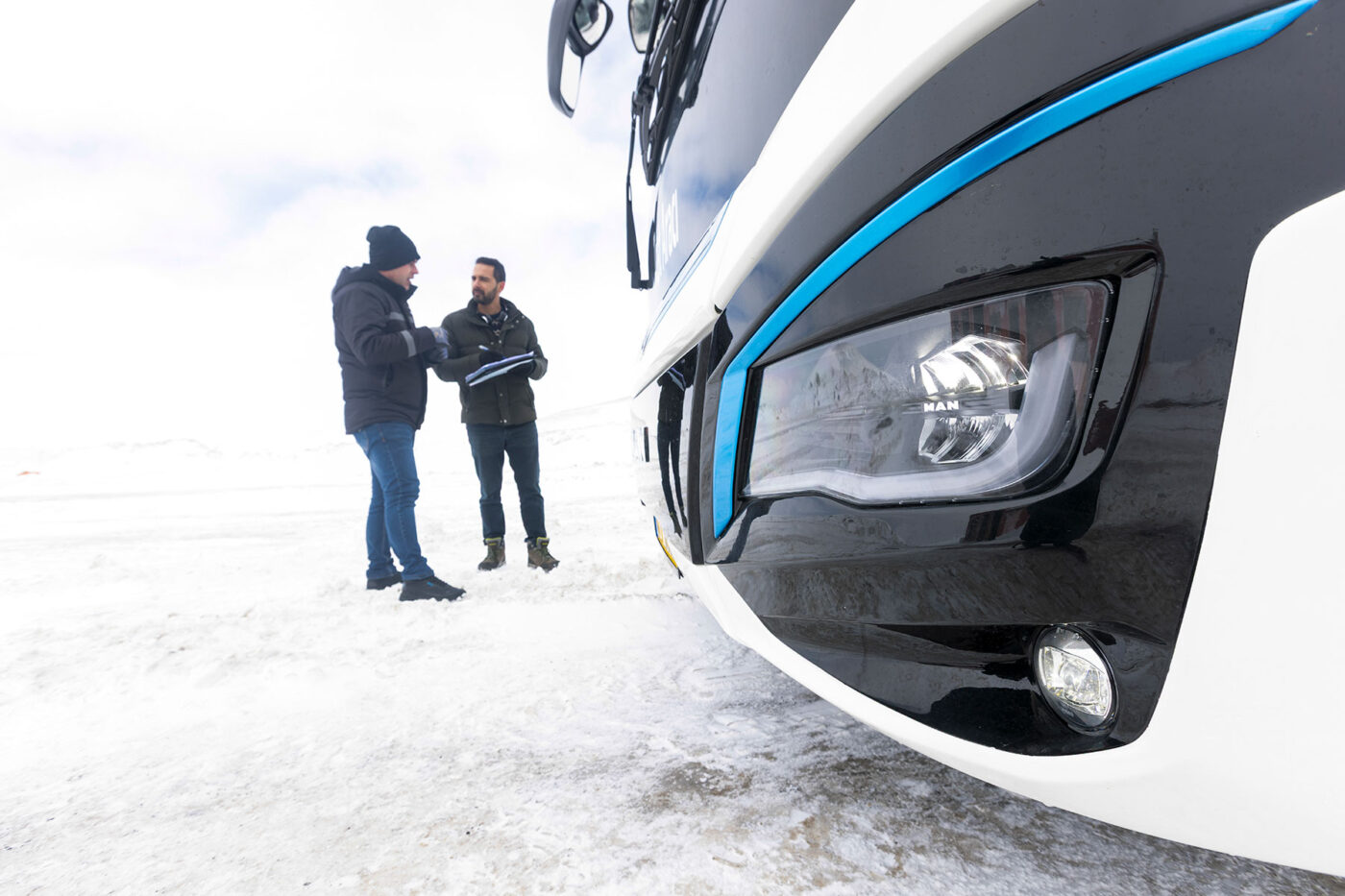
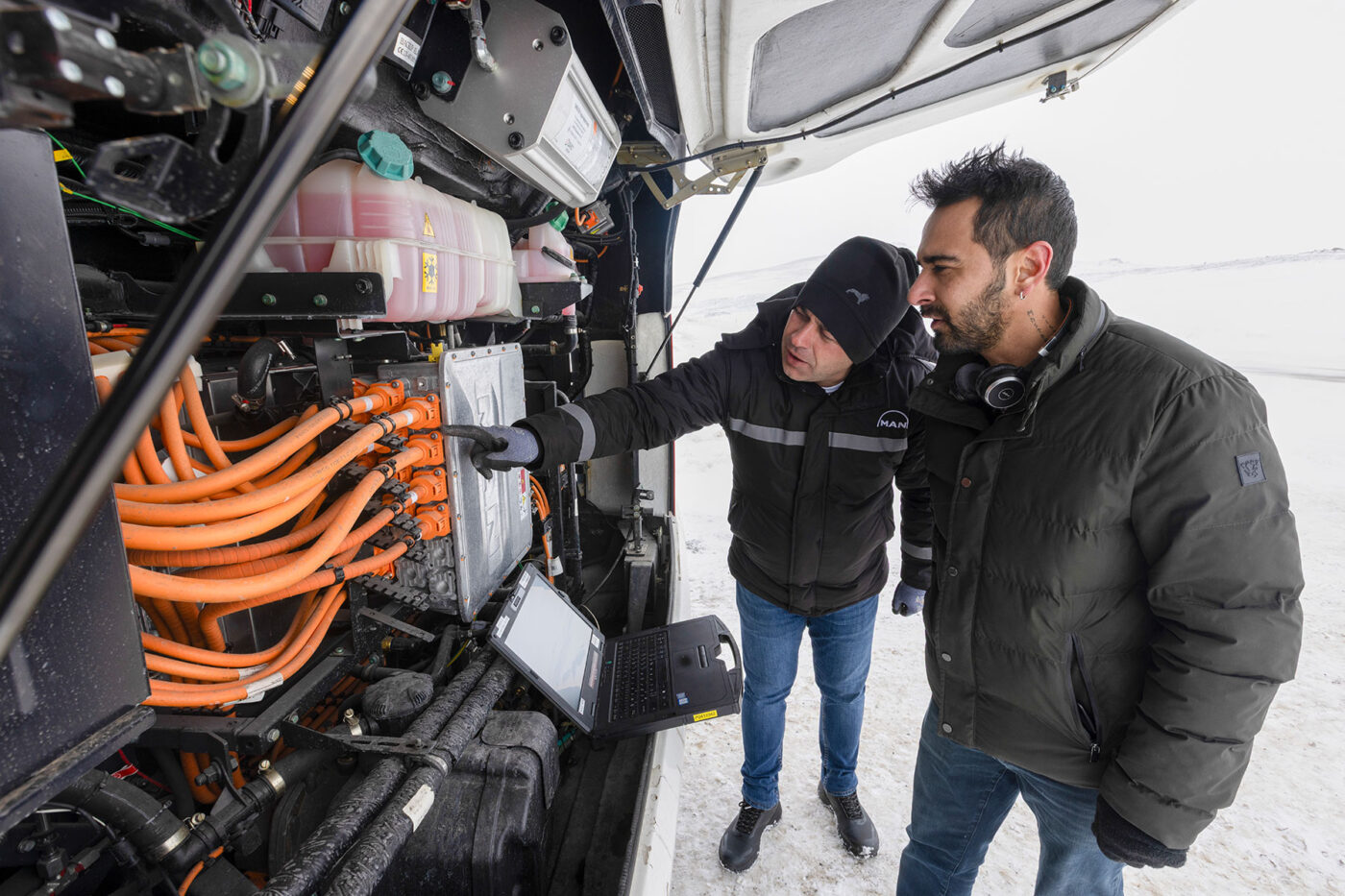
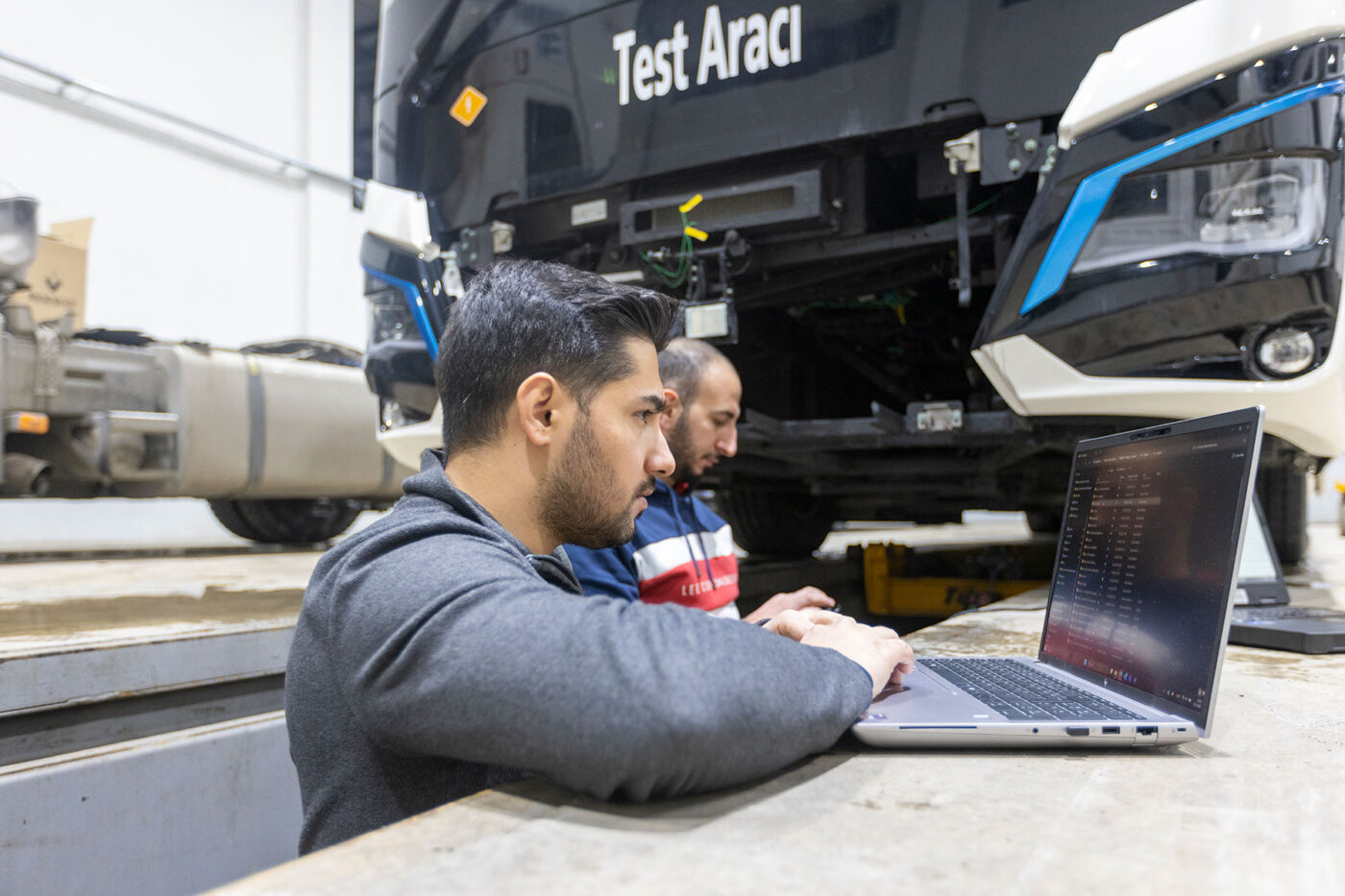
As is typical for such tests, the engineers paid special attention not only to individual components but also to their interaction – and the resulting performance of the entire vehicle. “Hundreds of sensors continuously recorded data on temperatures, pressure values, energy flows, and system statuses during the trips. This enabled the developers to gain valuable insights and validate optimisations directly,” explained those responsible.
Electric coach designed for year-round operation
The message is clear: MAN aims to deliver a battery-electric coach that is suitable for year-round use in international coach travel – whether heading south or far north. “There are high expectations for our new fully electric coach […] and we want to fully meet these expectations thanks to such intensive testing,” underscored Oktay.
In total, alongside the four battery-electric coaches, five additional vehicles participated in MAN’s 2026 bus winter test, including conventional coaches as well as city and intercity models with electric and hybrid drives. For over 30 years, the manufacturer has conducted these tests in northern Sweden.
“The combination of double-digit sub-zero temperatures, snow, and ice provides the ideal conditions for putting vehicles through their paces in the overall system,” explained Roland Scharl, Head of Engineering Bus at MAN Truck & Bus. The successful debut of the Lion’s Coach E demonstrates that electric mobility in coach travel is reliably and economically feasible even under extreme conditions.
The Lion’s Coach E celebrated its world premiere just a few months ago at Busworld in Brussels. However, most features of the new model have been known for nearly a year: in May 2025, MAN announced an initially three-axle version called the Lion’s Coach 14 E, which is set to impress with a range of up to 650 kilometres. The manufacturer states that ‘extensive testing and trial cycles are currently underway’ for this series. The model is scheduled to enter series production in Ankara this year, with the first vehicles set to be handed over to selected customers by the end of the year. Initially, the electric coach will be available as a 13.9-metre-long three-axle model with a technically permissible gross vehicle weight of up to 27 tonnes.
Close technical ties to MAN’s eTruck
Interestingly, the Lion’s Coach 14 E is technically more closely related to MAN’s own electric truck than to the Lion’s City E city bus. The future coach uses the same 89 kWh battery packs as the MAN eTruck, which can be charged via CCS with up to 375 kW DC and are mass-produced in Nuremberg. In the future, up to 750 kW will be possible via MCS (Megawatt Charging System), similar to MAN’s eTruck. It is also worth noting that MAN relies on NMC batteries in its commercial vehicles, unlike much of the competition, which predominantly uses LFP chemistry.
The coach can accommodate four to six of these NMC battery packs, corresponding to a gross energy content of 356 to 534 kWh. The maximum configuration of 534 kWh (480 kWh usable) is thus shared with the eTruck. However, the coach achieves a significantly greater range than the truck. MAN specifies the range as up to 650 kilometres. A contributing factor is the streamlined design (‘Smart Flow Design’), which reduces the drag coefficient to 0.31, which ‘brings it to a value in the range of compact SUVs,’ according to the official statement from the Munich headquarters. Such claims will, of course, be put to the test following the model’s launch this year.
What else? The future battery-electric coach also inherits its motor from MAN’s electric truck, further evidence of the Traton subsidiary’s extensive shared-component strategy. It features MAN’s eCD330 synchronous motor with 330 kW output. The packaging of the drivetrain and battery components is designed to be so compact that passenger space remains generous. MAN promises seating for up to 63 passengers and ‘no restrictions in terms of luggage volume compared to the diesel equivalent’ (a minimum of 11 to a maximum of 13 cubic metres).
For context: aside from the electric components derived from the eTruck, the new XXL battery-electric coach is based on MAN’s Lion’s Coach diesel model introduced in 2017. The three-axle internal combustion version uses a diesel engine with up to 382 kW and offers seating for up to 61 passengers.
The diesel-powered coach is available in several configurations, ranging from 12.1 to 13.9 metres in length and with two or three axles. The shortest variant accommodates up to 53 passengers and 11.7 cubic metres of luggage, while the three-axle MAN Lion’s Coach L offers 61 seats.
Whether a similar range of variants will also be offered for the battery-electric version remains unclear. However, it appears likely, as MAN has committed to ‘roll out further models in the coach segment’ by the end of the decade.
Initially a solution for short and medium distances
In any case, MAN makes no secret of the fact that its first battery-electric coach represents the beginning rather than the end of a new development. Given the current state of development and public charging infrastructure, the manufacturer sees the Lion’s Coach 14 E’s primary applications initially on short and medium distances. This includes shuttle services, corporate transport, and city trips. Longer distances, however, will remain the domain of diesel for the time being.
A pioneer customer for the eCoach has already been confirmed: MAN will provide FC Bayern with a unit to serve as a team coach for the 2025/26 season. The close relationship between the two sides is based on a sponsorship partnership in place since 2008, which MAN extended last summer until 2027.
Both parties are also planning a commercial vehicle charging park at the Allianz Arena that will be available on non-match days. This is where the team’s eCoach will charge, although it is not primarily intended for away fixtures. Instead, ‘FC Bayern’s professionals are expected to travel to the Allianz Arena in an electric team bus from 2026 onwards, at least for home matches,’ the football club stated in an earlier announcement.
MAN, meanwhile, emphasised that with the battery-electric coach, it will soon be one of the first players in the industry to have electrified all three bus segments: city, intercity, and coaches. “Our electric coach marks the beginning of a new era of emission-free and low-noise travel that many customers have been waiting for,” Oktay said. Since entering the market in 2019, the Munich-based company has sold over 2,500 electric buses, according to its own figures. In the first quarter of 2025 alone, 283 electric buses were sold, meaning that during this period, roughly every second new MAN city bus in Europe was a BEV.
MAN plans battery-electric high-floor intercity bus
Following the battery-electric coach, MAN plans to introduce a battery-electric high-floor intercity bus as early as 2026 or 2027. The current electric intercity bus offering is the MAN Lion’s City E LE, a low-entry variant of the classic Lion’s City E, which was presented at Busworld Brussels 2023. This model features a high floor at the rear instead of a stepped and podium-like layout. However, it retains the drivetrain of its closely related city bus counterpart. The high-floor intercity bus is expected to introduce innovations in its drivetrain.
To address the charging infrastructure bottleneck and make its electric buses viable for longer routes, MAN has taken proactive steps: in collaboration with E.On, MAN plans to install fast chargers for electric trucks at 170 locations across Europe. While the focus is on Germany, the initiative extends beyond it. The first sites have already been opened. Through the joint venture Milence, MAN – in the form of its parent company Traton – is also active in the truck fast-charging sector alongside Daimler Truck and the Volvo Group, with a target of 1,700 charging points.
Additionally, the German government recently launched an initial electric truck charging network: contracts for the first grid connections have been awarded, and the tender process is underway. Political targets for decarbonising transport in Germany and Europe are also defined. The German government aims to reduce greenhouse gas emissions from heavy road freight transport by 55 per cent by 2030 and achieve climate neutrality by 2045. The EU has agreed to cut CO2 emissions from heavy-duty vehicles by 65 per cent by 2035 and by 90 per cent by 2040, compared to 2019 levels.
0 Comments