


Škoda switches to LFP batteries for Elroq and Enyaq models

After Ford introduced the new battery–drive combination in base versions of the Explorer and Capri, and Cupra announced the same for the facelifted Born, Škoda Auto is now following with its MEB models. The Elroq 60 and Enyaq 60 will adopt LFP battery cells, offering 61 kWh gross and 58 kWh net capacity. They are paired with the new APP350 motor, replacing the APP310, delivering 350 Nm and improved efficiency, while output drops slightly to 140 kW, likely due to the LFP battery.
Škoda has yet to publish WLTP range figures for the updated ‘60’ variants but has released key performance data: the Elroq 60 accelerates from 0 to 100 km/h in 8.5 seconds, while the Enyaq 60 is a tenth slower. Top speed is capped at 160 km/h in both cases. Charging peaks at 105 kW, with a 10–80% session taking around 26 minutes. Towing capacity remains unchanged at 1,000 kg (12% gradient) and 1,200 kg (8% gradient).
Until now, only a few all-wheel-drive models, such as the VW ID.7 GTX, achieved a higher towing capacity of up to 1.8 tonnes. This is set to change, at least for models equipped with the larger battery, which Škoda offers under the designation 85. This refers to the long-established MEB battery with NMC cells, which has a gross capacity of 82 kWh and a net capacity of 77 kWh. While Škoda highlights several other changes for the new model year in its announcement (more on this below), the significant increase in towing capacity is only mentioned in two tables.
All Elroq model variants with the 85 battery now achieve a towing capacity of 1.8 tonnes (for both 8 and 12 per cent inclines), regardless of the drivetrain. The Elroq 85 features a 210 kW rear-wheel-drive powertrain, the Elroq 85x a 220 kW all-wheel-drive powertrain, and the Elroq RS a 250 kW all-wheel-drive powertrain.
For the Enyaq 85 and Enyaq 85x (including the Coupé versions), the towing capacity is listed as a full 2 tonnes, while the Enyaq RS achieves 2,200 kilogrammes – the highest value yet for an MEB model. For some customers, this could represent a significant improvement if towing capacity was previously a dealbreaker in their vehicle choice.
| Elroq 60 | Elroq 85 | Elroq 85x | Elroq RS | |
|---|---|---|---|---|
| Capacity (gross/net) | 61/58 kWh | 82/77 kWh | 82/77 kWh | 82/77 kWh |
| Charging power | 105 kW | 165 kW | 165 kW | 165 kW |
| Charging time 10-80% | 26 min | 29 min | 29 min | 29 min |
| Power | 140 kW | 210 kW | 220 kW | 250 kW |
| Top speed | 160 km/h | 180 km/h | 180 km/h | 180 km/h |
| Acceleration | 8.5 s | 6.6 s | 6.2 s | 5.4 s |
| Towing capacity – 12% / 8% | 1,000/1,200 kg | 1,800/1,800 kg | 1,800/1,800 kg | 1,800/1,800 kg |
| Enyaq 60 (Coupé) | Enyaq 85 (Coupé) | Enyaq 85x (Coupé) | Enyaq RS (Coupé) | |
|---|---|---|---|---|
| Capacity (gross/net) | 61/58 kWh | 82/77 kWh | 82/77 kWh | 82/77 kWh |
| Charging power | 105 kW | 165 kW | 165 kW | 165 kW |
| Charging time 10-80% | 26 min | 29 min | 29 min | 29 min |
| Power | 140 kW | 210 kW | 220 kW | 250 kW |
| Top speed | 160 km/h | 180 km/h | 180 km/h | 180 km/h |
| Acceleration | 8.6 s | 6.6 s | 6.3 s | 5.4 s |
| Towing capacity – 12% / 8% | 1,000/1,200 kg | 2,000/2,000 kg | 2,000/2,000 kg | 2,200/2,200 kg |
| Noseweight | 88 kg | 88 kg | 88 kg | 88 kg |
With the upcoming model year, set to launch this summer, both Škoda models will also receive an improved Android-based infotainment system.
“For the upcoming model year, the Elroq and Enyaq models are debuting an upgraded Android-based infotainment system, bringing a new look and feel, a redesigned home screen, grid layout, favourites, and search function, along with enhanced personalisation options for an improved, more intuitive experience. The next-generation infotainment concept forms part of an upgraded onboard platform introduced with the latest production run, making these advancements exclusive to newly produced vehicles,” explained Škoda.
However, this also means that these updates will only be available for newly produced vehicles and cannot be retrofitted to existing models via an update.

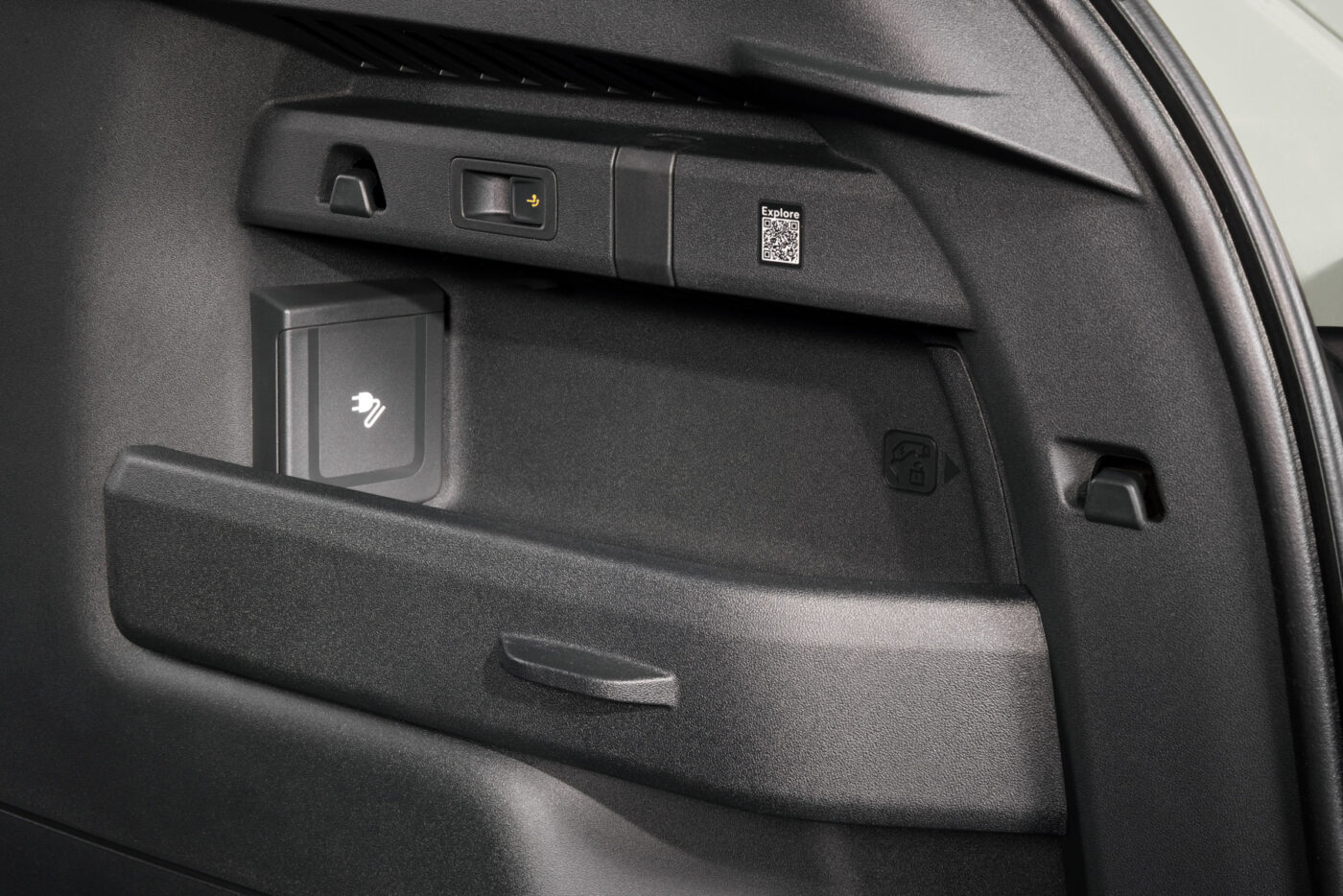
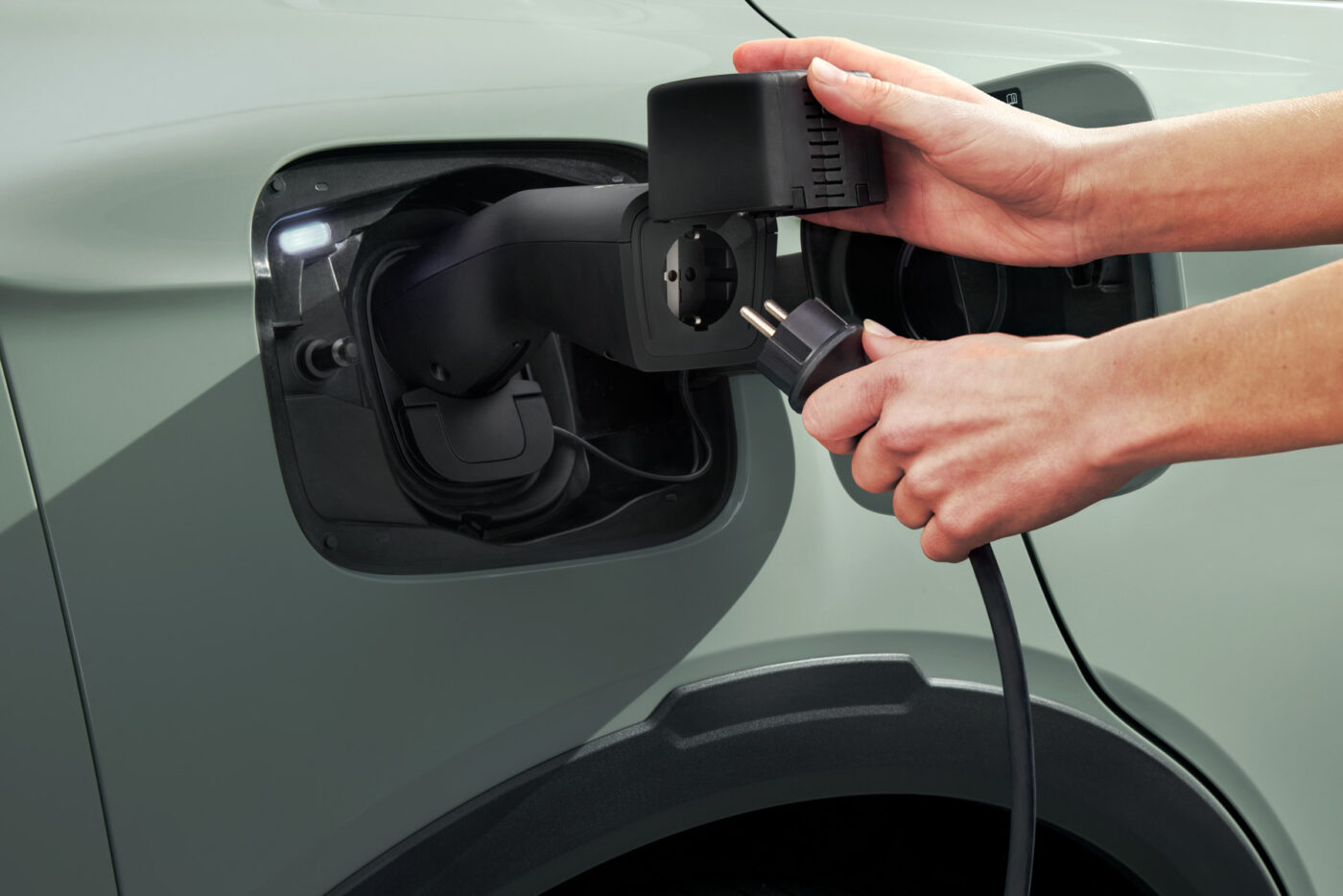
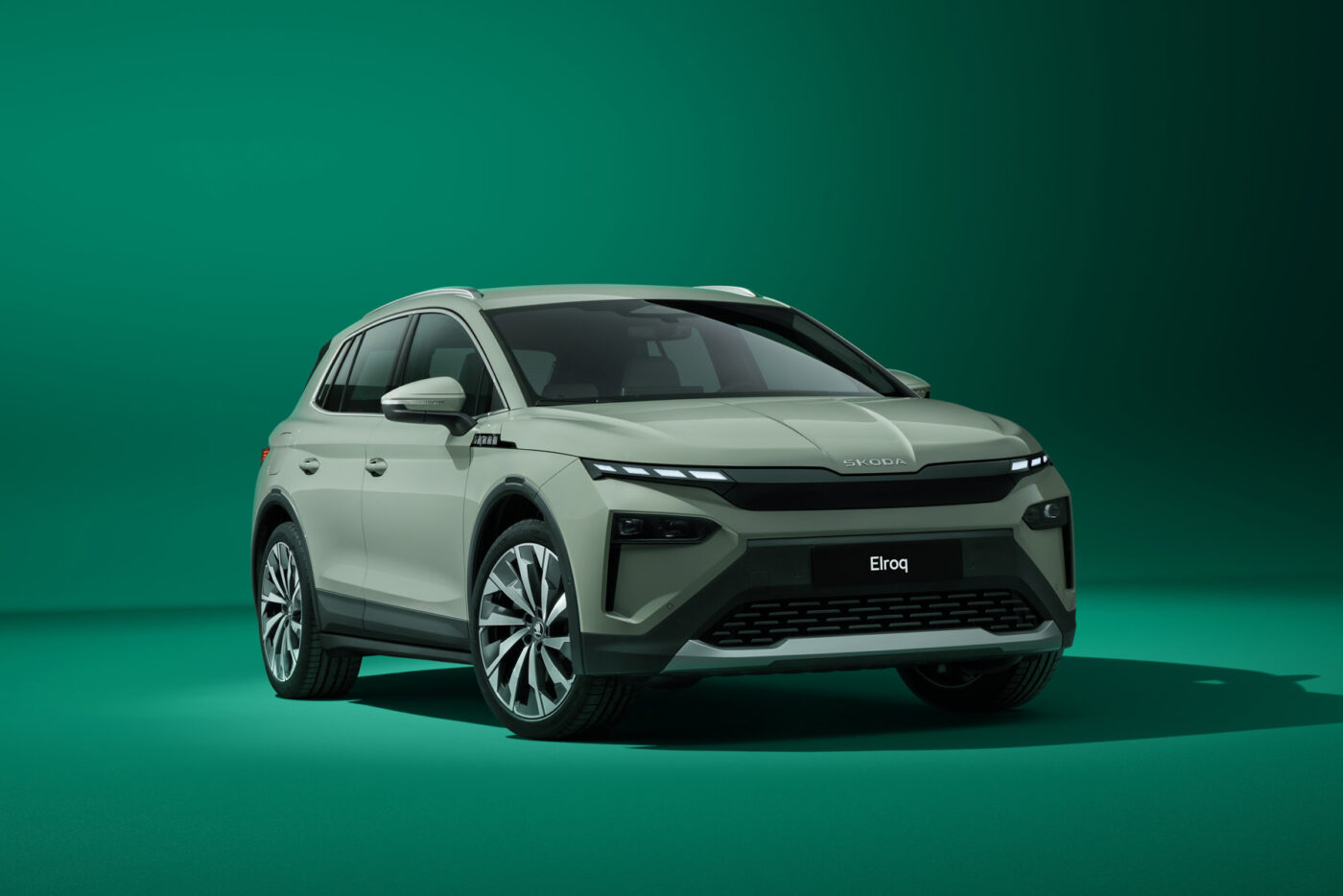
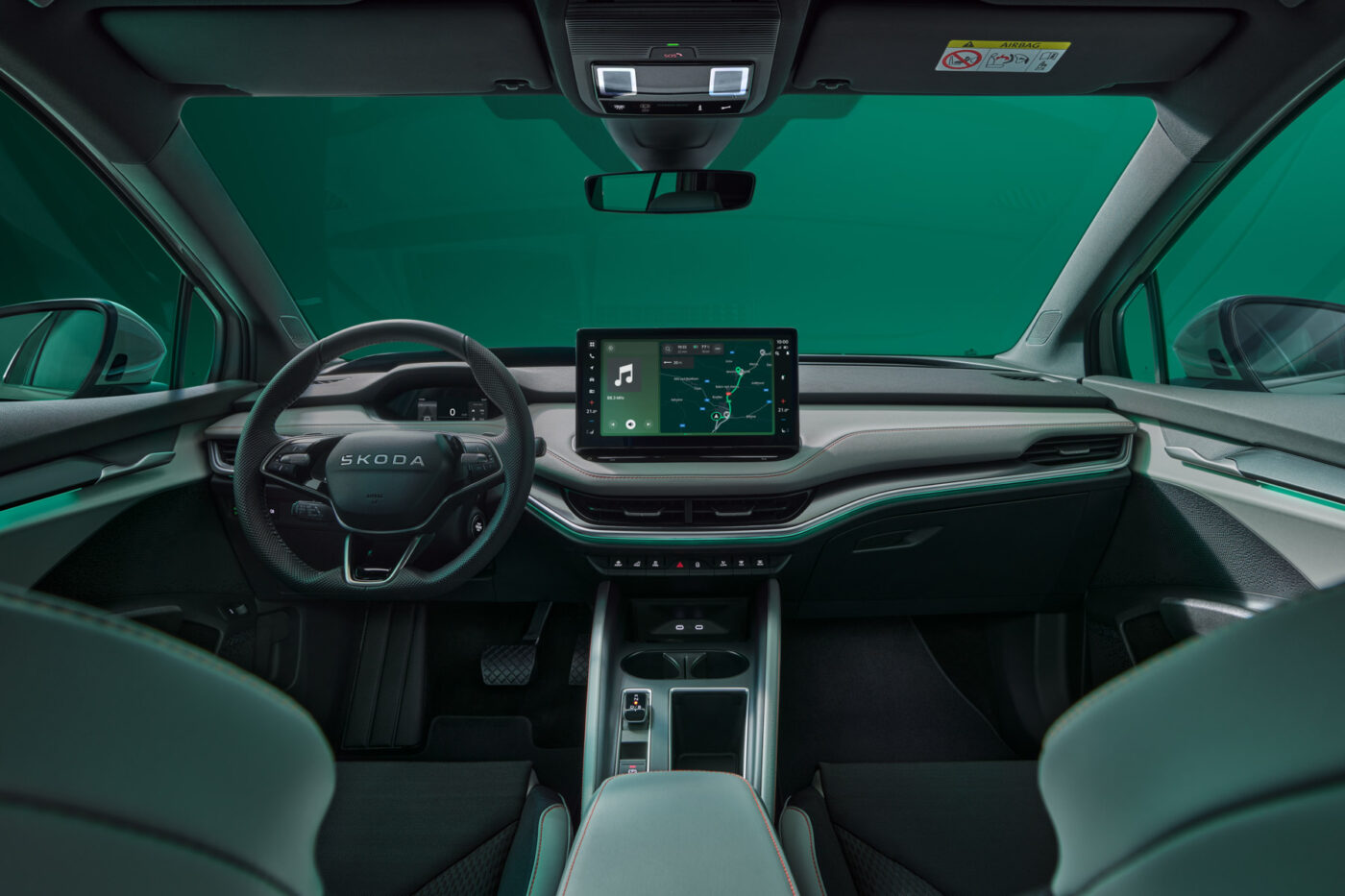
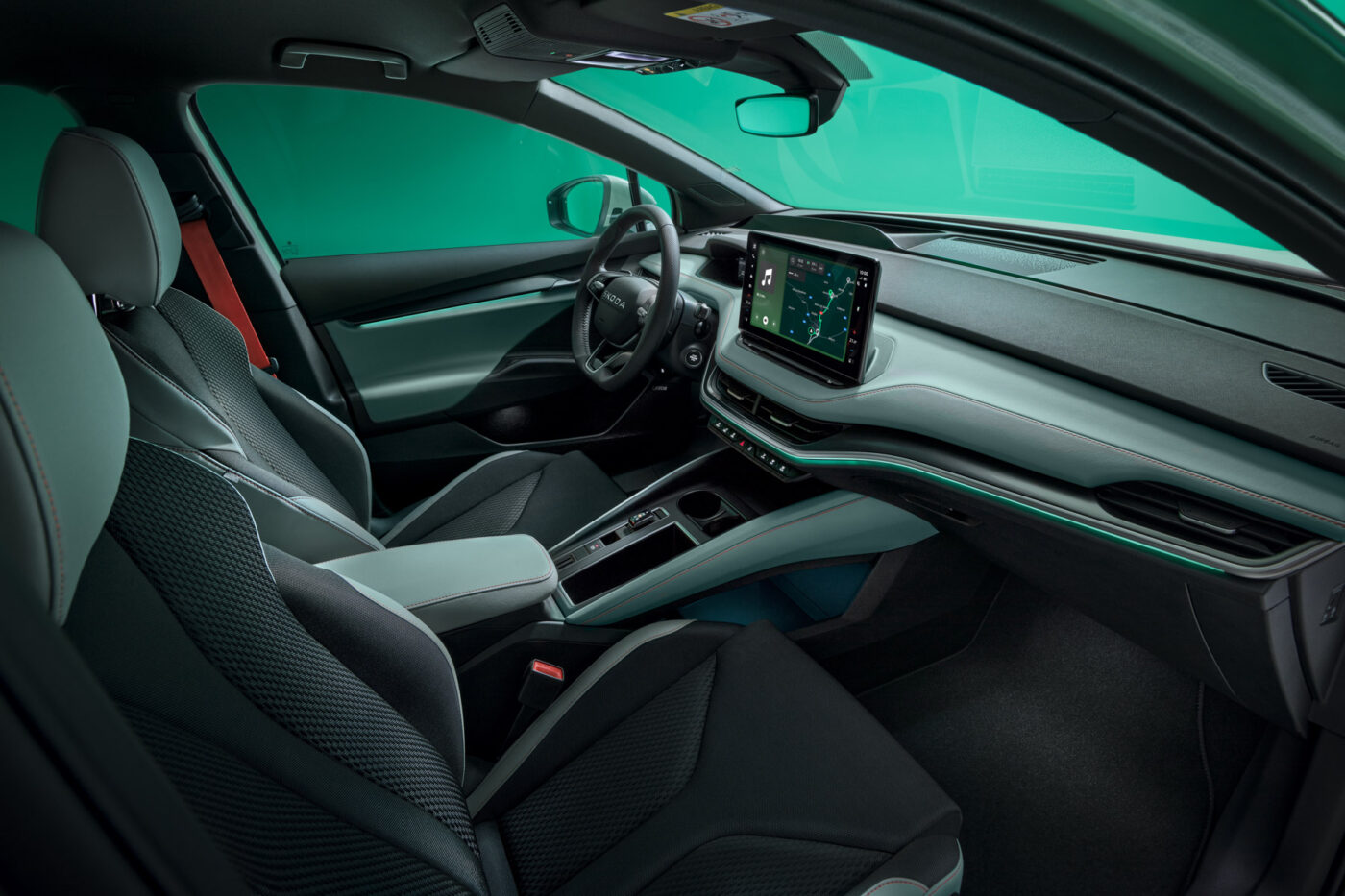
In addition, Škoda Auto is further integrating its charging ecosystem. The Powerpass service is now embedded in the navigation system, displaying charging station ratings and prices while enabling Plug&Charge authorisation directly via the in-car interface. In the MyŠkoda app, users can access charging summaries, history and driving data, including energy consumption.
Vehicle-to-Load (V2L) functionality is also included: external devices can be powered via an adapter on the charging port or a 230-volt socket in the boot using energy from the traction battery. Both models additionally gain a 21-litre frunk under the bonnet, suitable for storing items such as the AC charging cable.
New corner radar sensors in the front and rear bumpers enhance the intersection assistant at complex, low-visibility junctions by detecting approaching cars, motorcycles, bicycles and e-scooters from the side. A new interior camera integrated into the rear-view mirror improves attention and drowsiness monitoring via gaze tracking.
The exterior lighting system now includes an intermediate mode for poor daylight conditions – such as heavy cloud cover, dawn or dusk – in which the rear lights are activated alongside the daytime running lights.
Škoda has not yet announced prices.
3 Comments