


EU: German government calls for further easing of CO₂ regulations
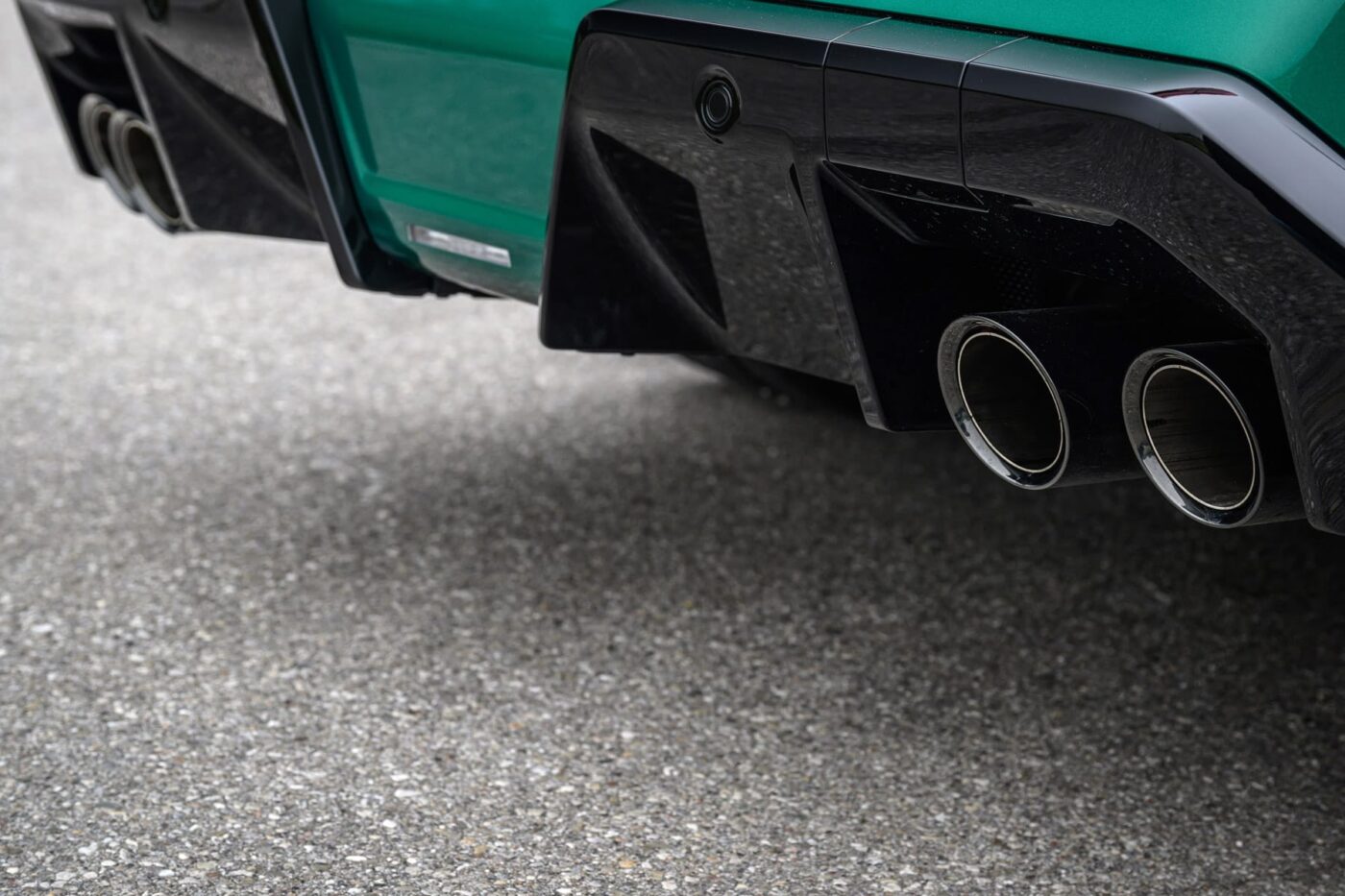
At a coalition committee meeting over the weekend, leaders of Germany’s governing parties, the CDU/CSU alliance and SPD, discussed measures to ease the burden on citizens and support the economy amid the ongoing crisis. Alongside steps to reduce fuel costs, the parties agreed on a package aimed at strengthening the automotive industry.
According to Automobilwoche, the document circulated after the meeting states that further adjustments are required to the proposed CO₂ fleet limits regulation as well as other automotive-related dossiers.
Shortly before Christmas 2025, the European Commission unveiled its ‘Automotive Package’, proposing notable adjustments to the current 2035 target of allowing only new vehicles with zero grammes of CO₂ per kilometre. The proposal would permit certain hybrid and combustion-engine vehicles to remain on the market beyond 2035, provided their emissions are fully offset—for example through clean fuels or low-carbon materials such as green steel produced in the EU. In parallel, electric vehicle quotas for corporate fleets are planned.
However, the package is only a proposal to revise the existing CO₂ regulations and still requires approval by EU institutions. If it is not adopted, the current legislation will remain in place, mandating zero-emission new vehicle registrations from 2035 onwards.
Against this backdrop, the German government has reportedly decided to push for further changes in Brussels. According to Automobilwoche, these include:
- Less stringent requirements for plug-in hybrids
- Permitted excess emissions after 2035 do not need to be fully offset
- Vehicles powered exclusively by e-fuels should be ‘immediately’ classified as zero-emission vehicles
- CO₂ interim targets before 2035 should be made more flexible
- The German government rejects the planned supercredits for electric vehicles under 4.20 metres in length
- The government also rejects the proposed regulation for corporate fleets
These demands are not new. Following the ‘Automotive Package’, several industry associations and companies had already criticised the EU proposals as insufficient and called for further concessions. Their positions closely mirror the stance now outlined by the German government. When similar demands from the CDU/CSU emerged in March, some media outlets accused the party of effectively adopting industry positions.
At EU level, the European Parliament and the Council are currently discussing possible amendments to the ‘Automotive Package’. This is where the German government could seek to push for further concessions—particularly in the Council, where member states are represented. The Council must give final approval to any changes after the Parliament has adopted the Commission’s proposal. If the amended package fails to secure backing there, the existing rules will remain unchanged.
Chancellor Friedrich Merz (CDU) said Germany would enter the negotiations in Brussels with an ‘open approach,’ while stressing that the government is presenting a strong and unified position. The coalition agreement also outlines a clear stance: while broadly supporting the electrification of vehicle fleets, the CDU/CSU and SPD oppose the Commission’s proposal for binding corporate fleet regulations.
automobilwoche.de, heise.de (both in German)

0 Comments