


A first for South Korea: Hyundai trials battery subscription model
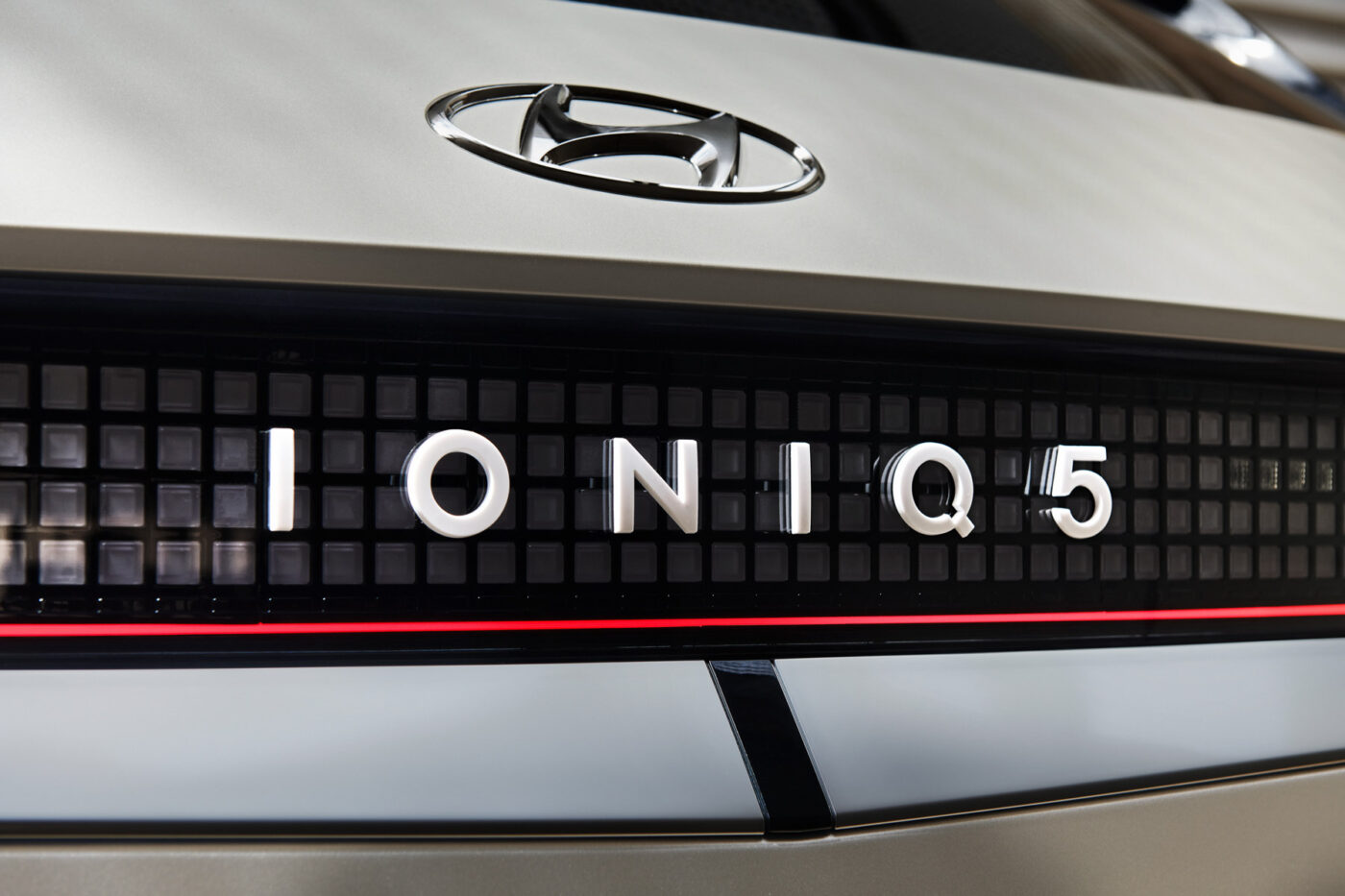
As reported by The Korea Times, separating vehicle ownership from battery ownership is unprecedented in South Korea. The pilot aims to allow Hyundai to reduce the high upfront costs of electric vehicles (EVs) and address concerns about battery lifespan. The pilot project initially targets taxi fleets, with plans to extend testing to private consumers in the second half of the year. Details about the project’s scope and duration remain unclear and are reportedly currently under consideration.
The initiative is a collaboration between Hyundai Motor and its in-house auto finance arm, Hyundai Capital. The programme is enabled by a special regulation approved in November by South Korea’s Ministry of Land, Infrastructure and Transport, which for the first time permits the registration of electric vehicle bodies and batteries under separate ownership. This was previously impossible under existing vehicle regulations. The report cites this issue as being a barrier to EV adoption, as declining battery performance can reduce resale value and leave owners facing costly replacements.
The pilot programme initially includes five Ioniq 5 fleet taxis operating in the greater Seoul area. Participating operators pay a monthly subscription fee to Hyundai Capital and exchange used batteries for replacements owned by Hyundai Capital when a battery reaches the end of its lifespan. According to Hyundai Motor Group, fleet taxis are particularly well-suited for the pilot due to their high mileage, which accelerates battery wear and necessitates more frequent replacements. The automaker also states that it will use the pilot to evaluate potential cost savings, extensions to vehicle lifespan under real-world operating conditions, and the development of a viable business model.
A spokesperson for Hyundai Motor Group told Korean media that the company ultimately aims to expand battery subscription and financing products to the broader market. Meanwhile, Hyundai is also testing traditional battery-swapping technology, which allows an empty battery to be replaced with a fully charged one in just ten minutes. Pit In, a startup spun off from the Hyundai Group, is developing a corresponding system, which has been tested in Anyang, Gyeonggi Province, South Korea, since September 2025. Currently, around 30 taxis from four companies are using battery subscription and swapping services from the Hyundai Group. The special regulatory approval was also pivotal for this initiative.
1 Comment