


Nissan collaborates with partners on sulphur-based solid-state battery research
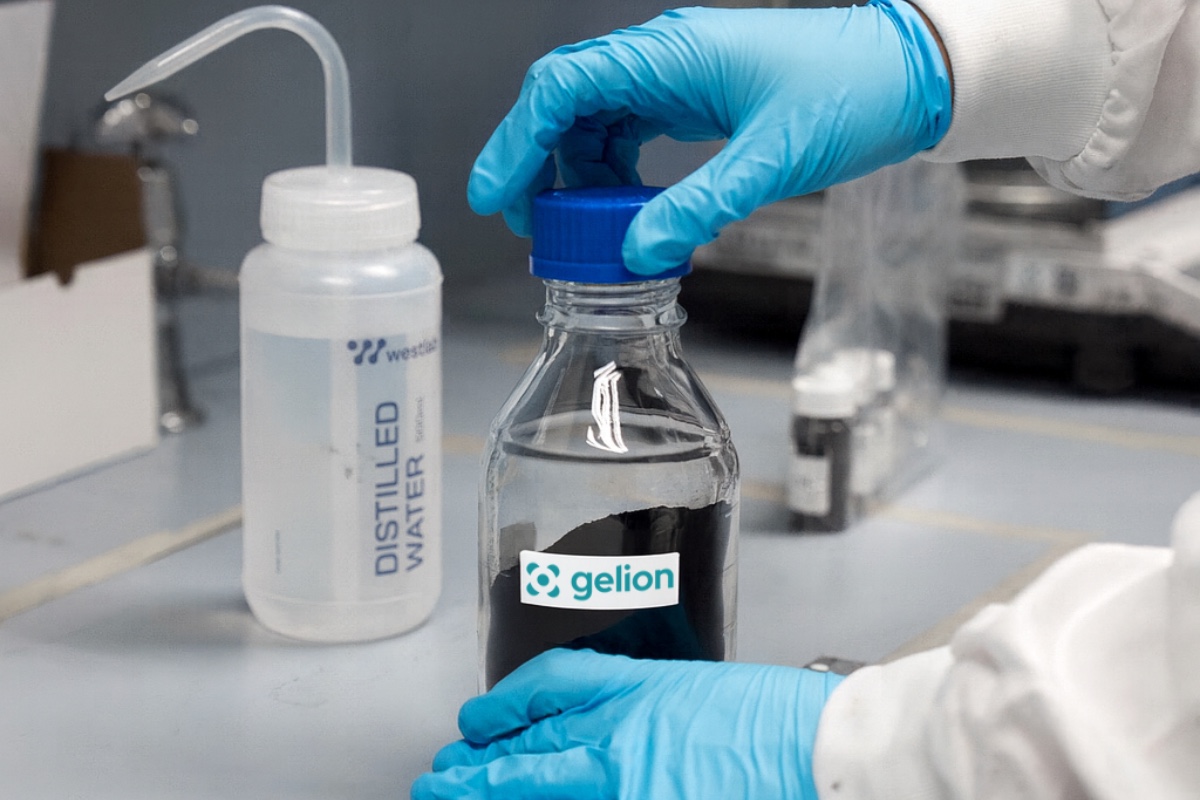
The CoRe-SoLiS project, funded by the UK government, aims to integrate nano-encapsulated sulphur (NES) into a battery cell. This material is being developed by Gelion Technologies, based in Norwich, England, which was previously focused on batteries with liquid electrolytes. The project partners now plan to incorporate Gelion’s NES cathode into Nissan’s future solid-state batteries for electric vehicles.
Gelion’s approach involves replacing the conventional cathode in lithium-ion batteries with nano-encapsulated sulphur. According to the company, this material is cost-effective, easy to source and can be integrated into existing production lines.
Nissan’s involvement in the project is through the Nissan Technical Centre Europe (NTCE). The University of Oxford is also participating. The total cost of the project is expected to reach £3.4 million, equivalent to approximately €3.9 million. Around two-thirds of the budget (£2.4 million) is covered by public funding.
“The Project brings together Gelion’s breakthrough NES™ sulfur‑based cathode active material with Nissan’s world‑leading solid‑state battery development capabilities,” the partners state. The goal is to create high-energy, long-lasting lithium-sulphur solid-state batteries specifically for automotive applications. The integration of Gelion’s cost-effective sulphur cathode is seen by the project team as addressing ‘the key barriers to mass‑market solid‑state battery adoption – durability and cost.’
However, sulphur-based batteries face several inherent technical limitations that have hindered their commercialisation to date. Key challenges for lithium-sulphur (Li-S) batteries include limited performance and cycle life due to polysulphide formation. The project partners claim that these limitations can be overcome with NES technology, ‘unlocking performance levels previously considered unachievable for sulfur cathodes.’ No further details have been provided at this stage, except that the funded project is expected to accelerate R&D activities in this area and advance the integration of NES cathodes into solid-state battery systems.
“Results from CoRe‑SoLiS will inform future scale‑up, manufacturing, and commercialisation efforts for solid‑state batteries, with potential to expand collaboration across the automotive and energy storage sectors,” the participants believe. Gelion already collaborates with TDK (Japan), QinetiQ (UK), and the Max Planck Institute of Colloids and Interfaces (Germany).
Gelion CEO John Wood comments: “This endorsement of our technology’s commercial potential in solid-state cells for automotive applications highlights the platform nature of NES™ building on our work in liquid electrolyte and graphitic anode systems. The two primary opportunities to push battery performance boundaries (independently) are solid-state and sulfur cathode material. This project combines both and we are excited by the way the core technologies have the potential to complement and extend each other.”
Adrien Amigues, President of Gelion UK & Europe and Project Lead for CoRe-SoLiS, adds: “This project has the potential to be a game-changer for the UK, Nissan and Gelion. Our technology is particularly well-suited to solid-state batteries due to the exceptional physical properties of NES™ , its unique potential to substitute NMC and be used as a drop-in solution into existing and future solid-state battery production lines. I look forward very much to working with our partners to the benefit of all of our stakeholders.”
gelion.com

1 Comment