


Automakers call for delay to UK-EU EV tariffs
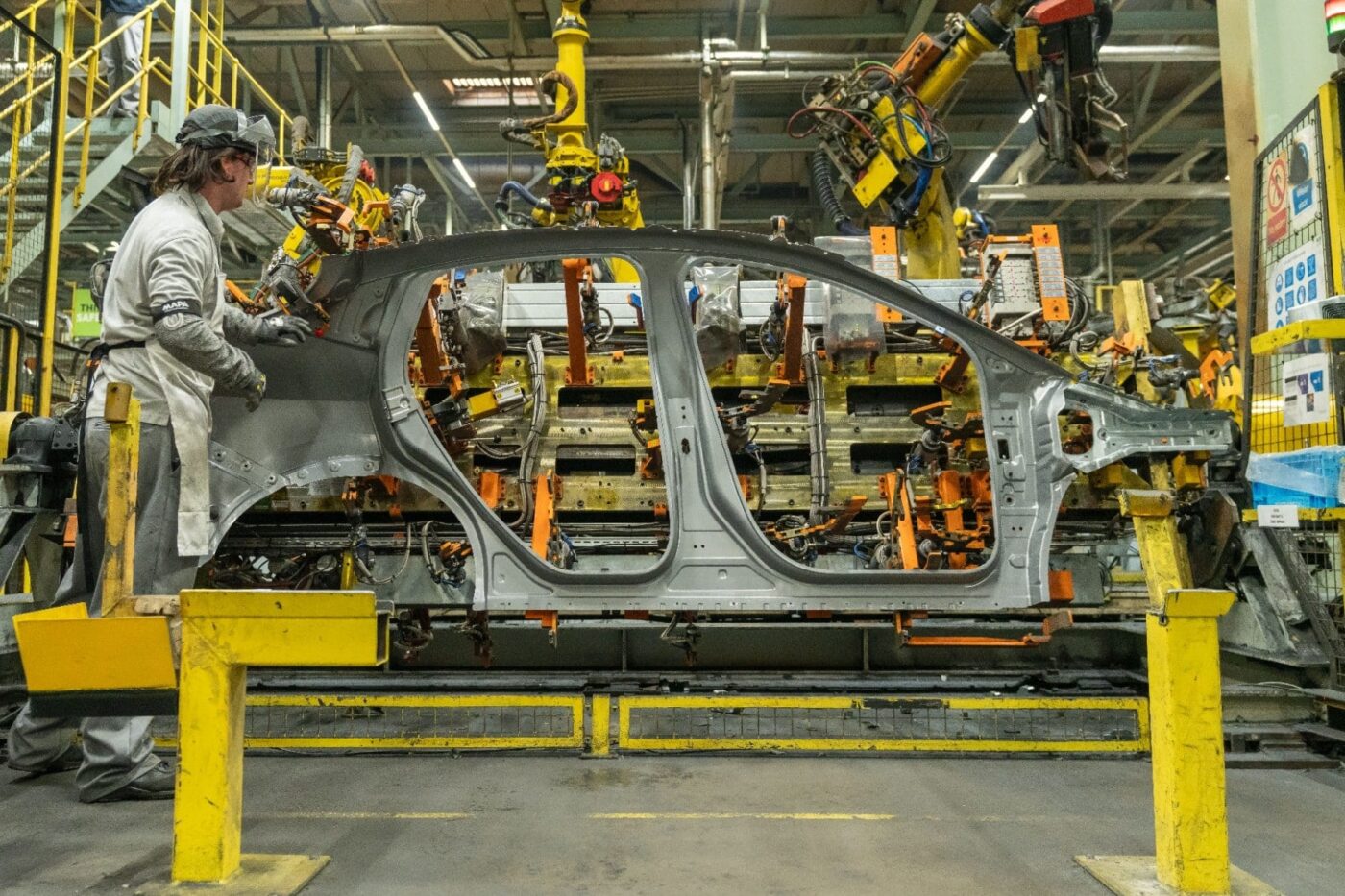
The dispute centres on the so-called “Rules of Origin” from the 2020 Brexit agreement, which stipulate that 55% of the value added in car production must be generated in Europe (combined EU and UK) to allow tariff-free imports from Great Britain into the EU and vice versa. For electric vehicles, however, an additional challenge arises: 70% of the battery pack and 65% of the battery cells must also be manufactured in Europe to qualify for tariff-free imports. If any of these three “Rules of Origin” are not met, a 10% tariff is applied.
The rules were originally due to take effect on 1 January 2024 but received a last-minute three-year postponement, meaning the Rules of Origin are now scheduled to come into force on 1 January 2027. However, as was already the case when the delay was agreed, the requirement for 65 per cent of battery cells to originate in Europe remains difficult to fulfil. So far, only a limited number of models source their cells from the still small number of European battery cell plants, including CATL’s and PowerCo’s German facilities, while most cells continue to be imported from Asia.
As a result, automotive associations ACEA on the EU side and SMMT in the UK are now calling for a further delay to the introduction of Brexit tariffs on electric vehicles.
Jonathan O’Riordan, Director of International Trade at ACEA, estimates that by the end of 2026/27, only 20% of electric vehicle batteries will be produced in Europe. Sigrid de Vries, Director General of ACEA, told the Guardian that the development of battery propulsion in Europe is progressing far too slowly and called for a ‘policy shift’ at the European Commission to accelerate the transition.
“Battery supply chains are still not ready to meet these stringent requirements, which were based on assumptions that have not materialised despite major investment,” said SMMT Chief Executive Mike Hawes. “The UK and EU must now find a pragmatic solution that avoids self-defeating tariffs on the very vehicles consumers are being urged to buy, while safeguarding investment in domestic battery capabilities.”
Just a few days ago, sources close to BMW’s new CEO, Milan Nedeljković, indicated that the planned production of fully electric Minis at the company’s Oxford plant in the UK could become uneconomical due to the impending Brexit tariffs. According to an insider quoted by the German Wirtschaftswoche, if the agreed trade rules come into force as planned on 1 January 2027, BMW will be unable to produce and sell any electric vehicles at the Mini’s main European plant. This warning is likely an initial move by BMW to push for a delay in the tariff regulations.
Conversely, France recently proposed including the UK in the EU’s planned Made in EU rules under the Industrial Accelerator Act. The programme stipulates that electric vehicles and other goods must demonstrate a high proportion of value added within the EU to qualify for any form of financial support from a member state, such as subsidies or public procurement.
Both issues — the Brexit tariffs and the Made in EU rules for electric vehicles and other products — are now expected to be negotiated together. A spokesperson for the European Commission told the Guardian that ‘discussions on these and related topics can take place within the framework of ongoing EU-UK negotiations.’ According to the spokesperson, the Commission is also in constant contact with stakeholders in the electric vehicle sector to assess their readiness to comply with the Rules of Origin.

0 Comments