


EU plans additional tariffs on Chinese PHEVs
The EU’s additional tariffs on battery-electric vehicle imports from China took effect on 31 October 2024. The measures followed an investigation into subsidies granted to Chinese manufacturers in their domestic market, which the EU concluded distort competition.
Since then, manufacturer-specific duties have applied in addition to the standard 10 per cent import tariff. For example, BYD vehicles are subject to an additional 17 per cent duty, bringing the total tariff to 27 per cent. Geely faces an additional tariff of 18.8 per cent, resulting in a total duty of 28.8 per cent. SAIC, the parent company of MG, is subject to the highest additional tariff of 35.3 per cent, bringing the total import duty to 45.3 per cent.
It became apparent as early as last summer that Chinese brands with a strong presence in Europe, including BYD and MG, were using a loophole to increase sales in the region. Rather than focusing solely on battery-electric vehicles, which are subject to the EU’s additional anti-subsidy tariffs, they increasingly shifted towards plug-in hybrids. PHEVs are subject only to the standard 10 per cent import duty and are exempt from the additional tariffs. The impact of this strategy is reflected in the market data: in May 2026, BYD announced that it had become Germany’s best-selling PHEV brand for the first time, recording 4,290 new registrations.
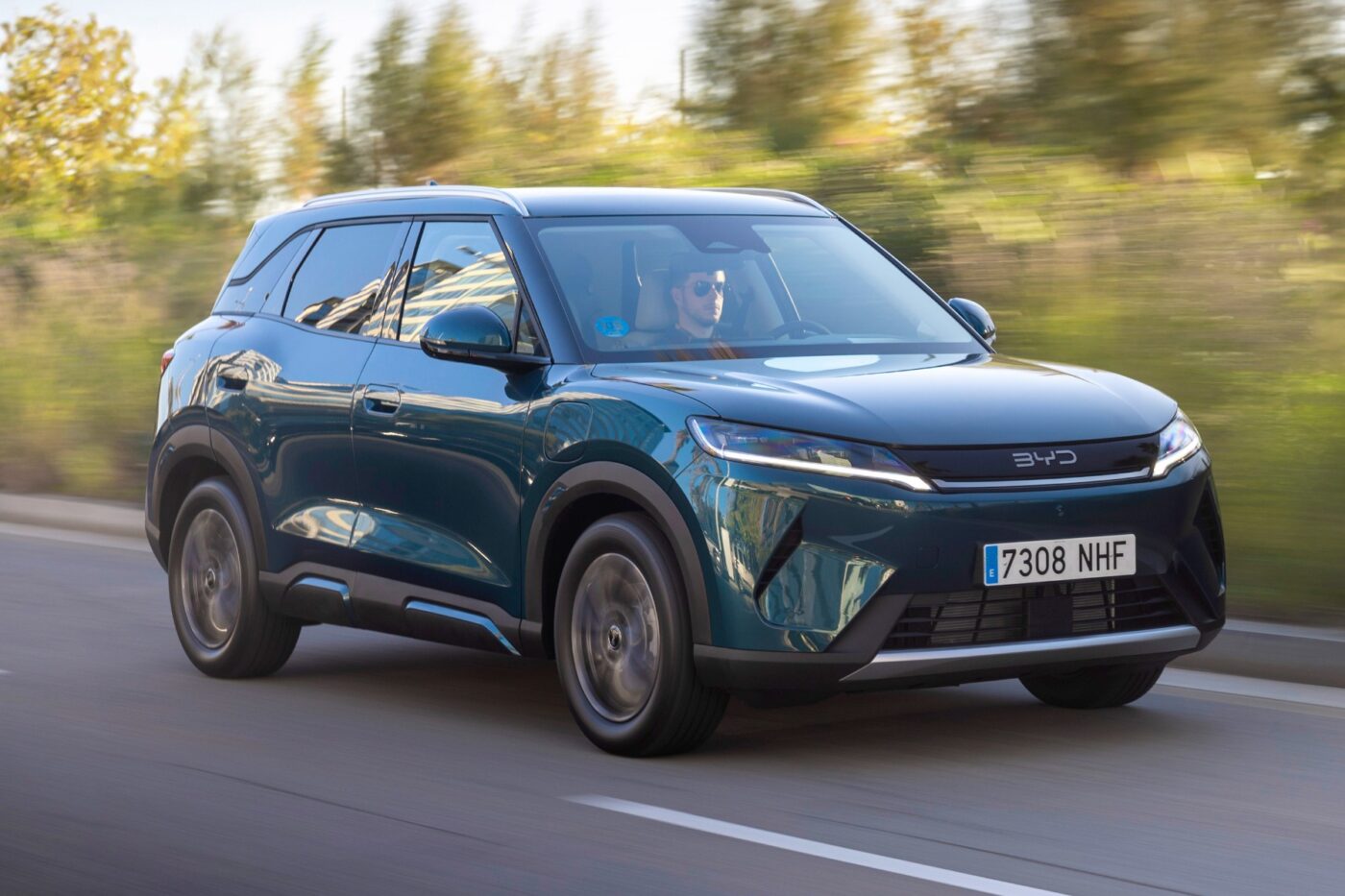
Among BYD’s plug-in hybrid models, the compact Atto 2 DM-i SUV proved particularly popular in May, recording 2,113 new registrations. It was followed by the larger Seal U DM-i SUV and the Seal 6 DM-i Touring estate. BYD has also recently expanded its PHEV portfolio with the launch of the compact Dolphin G DM-i. The trend becomes even more significant when considering the brand mix: around 70 per cent of BYD’s new registrations in Germany were plug-in hybrids, while only 30 per cent were battery-electric vehicles. Although these figures relate to a single manufacturer in one market, they are likely indicative of a broader trend across the EU.
In response to the significant shift from battery-electric vehicles to plug-in hybrids in imports from China, the European Commission is now taking action, as reported by the Handelsblatt—this despite having denied plans for tariffs on Chinese hybrids as recently as January. According to the report, the European Commission intends to impose countervailing duties on Chinese hybrid vehicles in the coming weeks. This measure aims to offset the effects of distortive Chinese subsidies, as stated in the Handelsblatt.
A corresponding anti-subsidy investigation is reportedly already underway, according to senior EU officials—and heads of state and government were set to vote on the matter at the EU summit on Thursday evening. However, the outcome of this vote remains unknown. Notably, the German federal government appears not to oppose the move this time, unlike its stance on the additional tariffs for battery-electric vehicles.
As with the additional tariffs on battery-electric vehicles, the planned tariffs on plug-in hybrids are expected to be manufacturer-specific, according to the Handelsblatt. However, these are likely to be lower on average than those for full battery-electric vehicles, as the battery accounts for a smaller share of the value added in PHEVs.
handelsblatt.com (in German)

0 Comments