


India to slash tariffs on UK-made cars starting in July
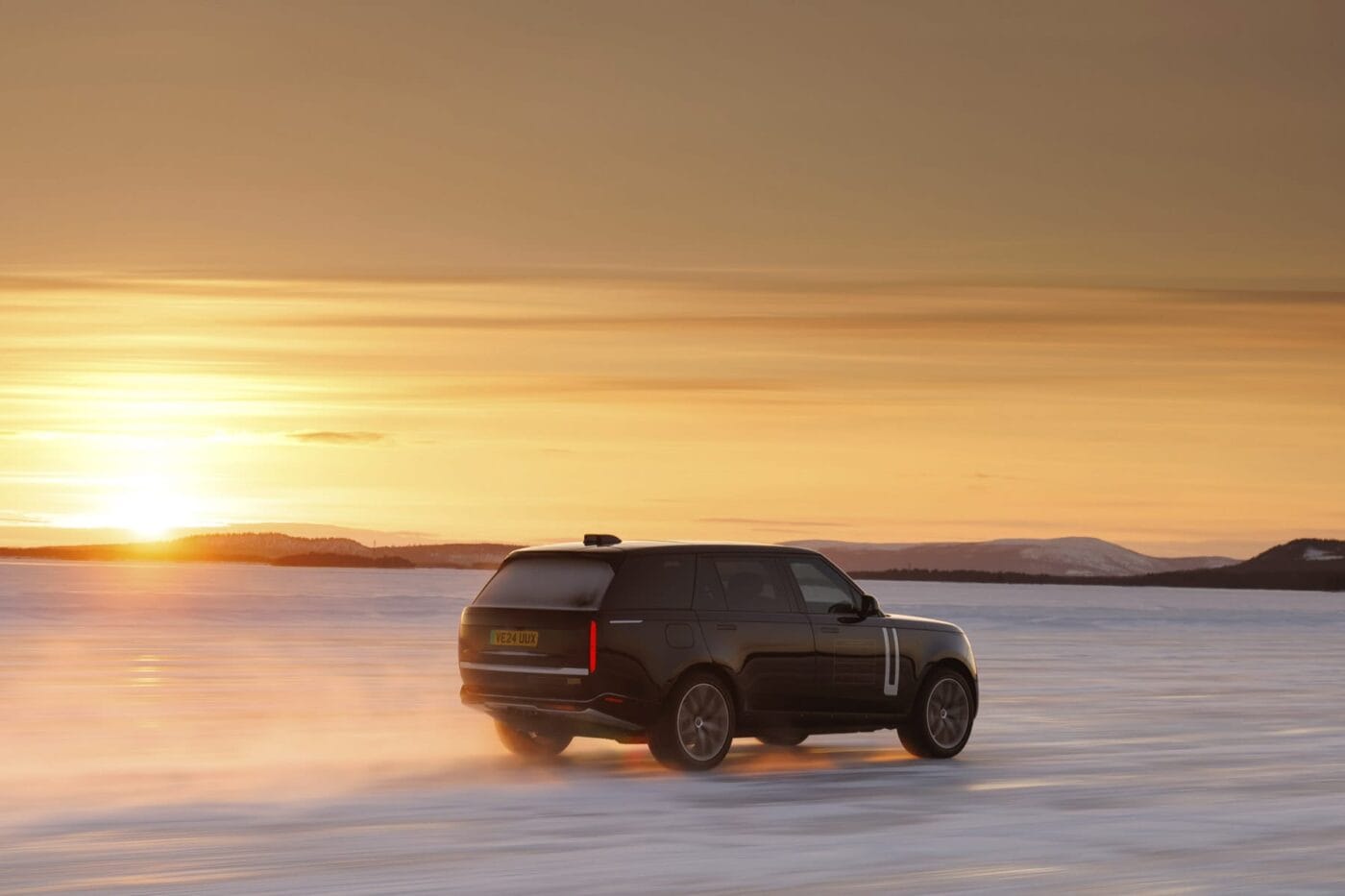
According to one of the FTA documents released by the UK government, India will lower the customs duty on ICE cars from as high as 110 per cent to as low as 10 per cent, based on engine capacity and fuel type. It will implement these reductions in phases, starting at 30 per cent in the first year and reaching 10 per cent across all engine capacities and fuel types in the fifth year.
India has set a quota of 378,000 ICE cars for the first 15 years, with the annual limit ranging from 15,000 to 37,000 units. For cars exceeding this quota, it will reduce the customs duty from as high as 110 per cent to as low as 45 per cent over a period of ten years.
India’s concessions for UK-origin electrified cars
As for hybrid, electric, and hydrogen vehicles, India has adopted a protectionist measure to safeguard domestic production. It plans to reduce the customs duty starting only in the sixth year, presumably 2031. Over a period of ten years, it will allow imports of up to 137,500 units at reduced tariffs, with the annual limit ranging from 4,400 to 22,000 units.
Unlike for ICE cars, India has specified a minimum CIF (Cost, Insurance, and Freight) value for companies to take advantage of the lower customs duty on hybrid, electric, and hydrogen vehicles. It will not provide any reductions on models with a CIF value below £40,000, ensuring it does not ease imports in the lower-priced segments where domestic production is concentrated.
| Year | Below £40,000 CIF | £40,000-80,000 CIF | Above £80,000 CIF | Total Quota | |||
In-quota tariff | Quota Size | In-quota tariff | Quota Size | In-quota tariff | Quota Size | ||
| 6 | No | Nil | 50% | 400 | 40% | 4,000 | 4,400 |
| 7 | No | Nil | 40% | 600 | 30% | 6,000 | 6,600 |
| 8 | No | Nil | 30% | 800 | 20% | 8,000 | 8,800 |
| 9 | No | Nil | 20% | 1,000 | 15% | 10,000 | 11,000 |
| 10 | No | Nil | 10% | 1,200 | 10% | 12,000 | 13,200 |
| 11 | No | Nil | 10% | 1,400 | 10% | 14,000 | 15,400 |
| 12 | No | Nil | 10% | 1,550 | 10% | 15,500 | 17,050 |
| 13 | No | Nil | 10% | 1,700 | 10% | 17,000 | 18,700 |
| 14 | No | Nil | 10% | 1,850 | 10% | 18,500 | 20,350 |
| 15 or more | No | Nil | 10% | 2,000 | 10% | 20,000 | 22,000 |
For hybrid, electric, and hydrogen vehicles with a CIF value of £40,000 to £80,000, India will reduce the customs duty from 110 per cent to 50 per cent in the sixth year after the FTA takes effect and gradually to 10 per cent in the tenth year, expected to be 2035. Similarly, it will reduce tariffs on models with a CIF value of more than £80,000, including models like the Range Rover Electric and Rolls-Royce Spectre, from 110 per cent to 40 per cent in the sixth year and gradually to 10 per cent in the tenth year.
While India will levy a preferential out-of-quota customs duty on ICE cars, it has made no such provision for hybrid, electric, and hydrogen models. Beyond the 137,500-unit quota, it would apply the regular customs duty, currently set at up to 110 per cent.
The UK’s concessions for Indian-origin electrified cars
The UK will also make its market more accessible for India-made cars, albeit only for hybrid, electric, and hydrogen models. It will eliminate customs duty on these low-emission vehicles imported from India from the sixth year of the FTA, subject to an annual quota ranging from 17,600 to 88,000 units.
| Year | Under £20,000 CIF | £20,000-40,000 CIF | Above £40,000 and up to £80,000 | Above £80,000 | Total Quota |
| 6 | 6,800 | 6,800 | 4,000 | Ineligible | 17,600 |
| 7 | 10,200 | 10,200 | 6,000 | Ineligible | 26,400 |
| 8 | 13,600 | 13,600 | 8,000 | Ineligible | 35,200 |
| 9 | 17,000 | 17,000 | 10,000 | Ineligible | 44,000 |
| 10 | 20,400 | 20,400 | 12,000 | Ineligible | 52,800 |
| 11 | 23,800 | 23,800 | 14,000 | Ineligible | 61,600 |
| 12 | 26,350 | 26,350 | 15,500 | Ineligible | 68,200 |
| 13 | 28,900 | 28,900 | 17,000 | Ineligible | 74,800 |
| 14 | 31,450 | 31,450 | 18,500 | Ineligible | 81,400 |
| 15 and later years | 34,000 | 34,000 | 20,000 | Ineligible | 88,000 |
Over ten years, the UK will allow imports of up to 550,000 units at zero tariff, including 212,500 units each of models with a CIF value of less than £20,000 and £20,000 to £40,000, and 125,000 units of models with a CIF value of more than £40,000 and up to £80,000. It will not provide any concessions on cars with a CIF value of more than £80,000.
The UK has made no provision for tariff concessions on India-made hybrid, electric, and hydrogen cars beyond the specified quota.
0 Comments