


Spain invests €100m euros in national rapid charging network
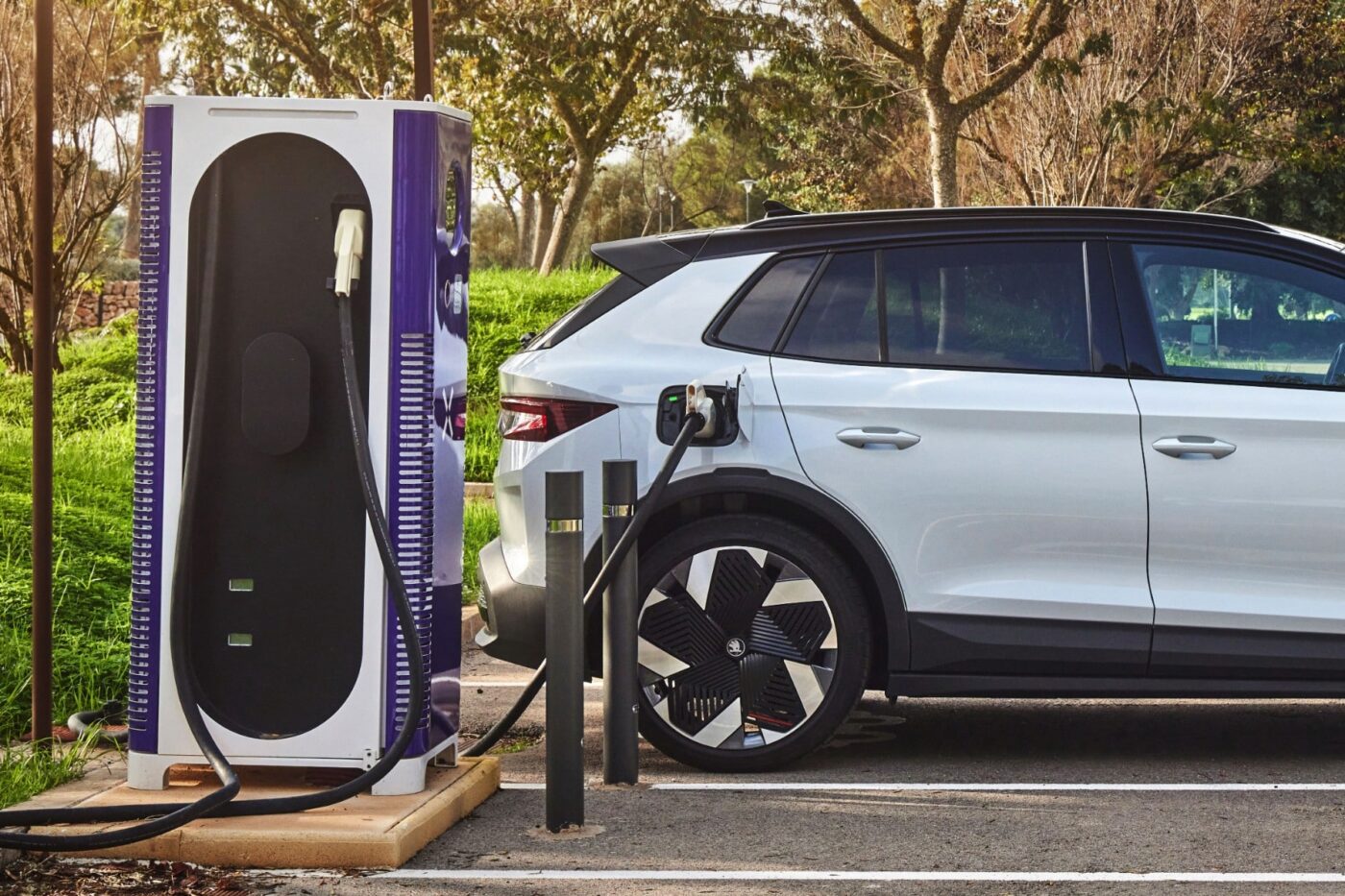
Spain is currently restructuring its electromobility funding in line with the national ‘España Auto 2030’ plan. Moving forward, the plan will focus on three pillars: a consumer purchase incentive for EVs (the ‘Plan Auto+’ programme), subsidies for EV and battery manufacturers (funding programme PERTE), and the ‘Moves Corredores’ scheme to develop a rapid charging network.
In May, Sara Aagesen, Spain’s Minister for Ecological Transition and Demographic Challenge, announced that the latter pillar would receive a provisional allocation of €670 million for various funding projects under the national Recovery, Transformation and Resilience Plan (‘Plan de Recuperación, Transformación y Resiliencia, PRTR’). Of this amount, €105 million was earmarked for strengthening electromobility in the country. The PRTR is an investment programme funded by EU resources. In Germany, the equivalent programme is known as the German Recovery and Resilience Plan (DARP).
Following a formal government decision, the figures have slightly changed compared to the plans published in May. While the allocation for ‘Moves Corredores de Recarga’ remains at just over €97 million, this funding will now support 341 projects that are expected to deliver 2,674 charging points along the country’s most important transport corridors. This represents four additional projects but around 200 fewer charging points than initially proposed in May.
Separately, €7.8 million has been allocated to the ‘Moves Flotas Plus’ programme to support 20 companies in procuring around 3,700 electric vehicles and installing nearly 300 charging points. This brings the total funding amount to almost €105 million.
According to the government, the 341 charging infrastructure projects selected under ‘Moves Corredores de Recarga’ are distributed across 15 autonomous communities on the Iberian Peninsula. By region, Andalusia leads with 61 projects, followed by Castile-La Mancha (44), Galicia (38), and Castile and León (37). The maximum timeframe for completing the projects is 36 months, extendable to 42 months. Funding covers the construction of new charging stations or the upgrade of existing ones, with a minimum requirement of 150 kW per charging point. The government’s expansion plans align with the requirements of the European AFIR regulation.
It is evident that with these two Moves programmes, Spain is continuing the Moves funding initiative introduced in 2019, even though the purchase incentives for electric vehicles will soon operate under a different name. To date, Moves I-III have facilitated the acquisition of 204,915 electric vehicles and the installation of 160,095 charging points. According to the government: “This has provided a strong boost to zero-emission mobility in our country. Additionally, funding has been approved for 161 innovative special projects to promote electromobility.”
However, Spain is fundamentally restructuring its electromobility funding and reassigning responsibilities. A key component is the ‘Plan Auto+’ programme, which aims to channel €400 million euros in subsidies directly to consumers in 2026 – thereby reducing car prices. Plan Auto+ will specifically replace the Moves programme for purchase incentives. From 2026 onwards, subsidies will then be managed by the central government rather than the autonomous regions, as was the case with the Moves III programme, which expires at the end of 2025. Originally, Plan Auto+ was intended to replace the Moves III programme at the turn of the year, but applications cannot yet be submitted. According to the latest media reports, this is expected to be possible from this month, with funding retroactively applying to purchases made from 1 January.
miteco.gob.es (in Spanish)


0 Comments