


PET bottles could become battery graphite for EVs
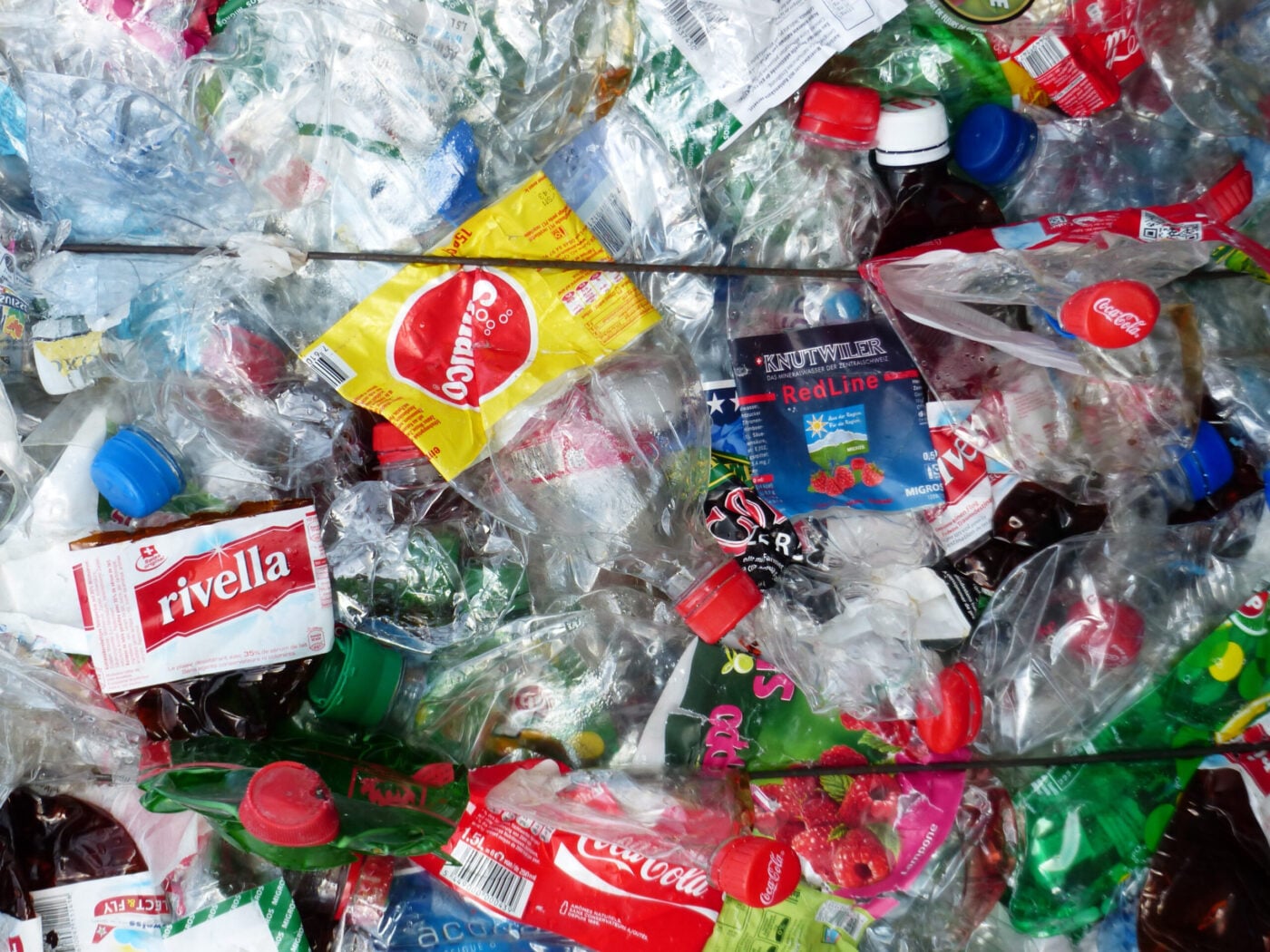
A research team at Pennsylvania State University (Penn State) has developed a process to convert polyethylene terephthalate (PET) into synthetic graphite, which has now been published in the journal Diamond and Related Materials. The scientists transformed PET into graphite using small quantities of graphene oxide and a controlled thermal process. According to the study, the resulting material exhibited a more ordered crystal structure than commercially available natural graphite – a key quality feature for use as anode material in lithium-ion batteries.
Graphite is one of the most critical raw materials for lithium-ion batteries, serving as the anode material for storing and releasing electrical charge. With the rising demand for electric vehicles, stationary energy storage systems, and consumer electronics, the need for battery-grade graphite is also increasing. Meanwhile, PET is one of the world’s most widely used plastics, much of which – despite existing recycling systems – remains unrecovered.
For their process, the researchers shredded PET plastic and mixed it with graphene oxide. The optimal graphite was produced with a graphene oxide content of 2.5 per cent. According to the team, this promotes the formation of ordered graphite crystals and, unlike conventional methods, eliminates the need for metal catalysts such as iron, nickel, or cobalt. This removes the additional purification steps required to eliminate metal residues. “Most people think of a plastic bottle as waste once they’re done using it. Our work shows that the same material can become a valuable resource for producing graphite, which is essential for modern battery technologies,” explains lead author Shakshi Sekar. By avoiding metal catalysts, the process also reduces the use of chemicals, enabling the production of cleaner graphite.
However, the research remains in its early stages. The scientists now aim to investigate how the process can be scaled for industrial applications and how the material performs in battery cells. If successful, PET waste could in future be recycled and repurposed as a raw material for battery components. This development aligns with the broader search for alternative raw material sources for battery production. Alongside efforts to expand graphite recycling, research institutions and companies worldwide are working to reduce the use of critical raw materials and utilise waste streams for battery manufacturing.
0 Comments