


Researchers aim to regenerate EV battery electrodes instead of recycling them
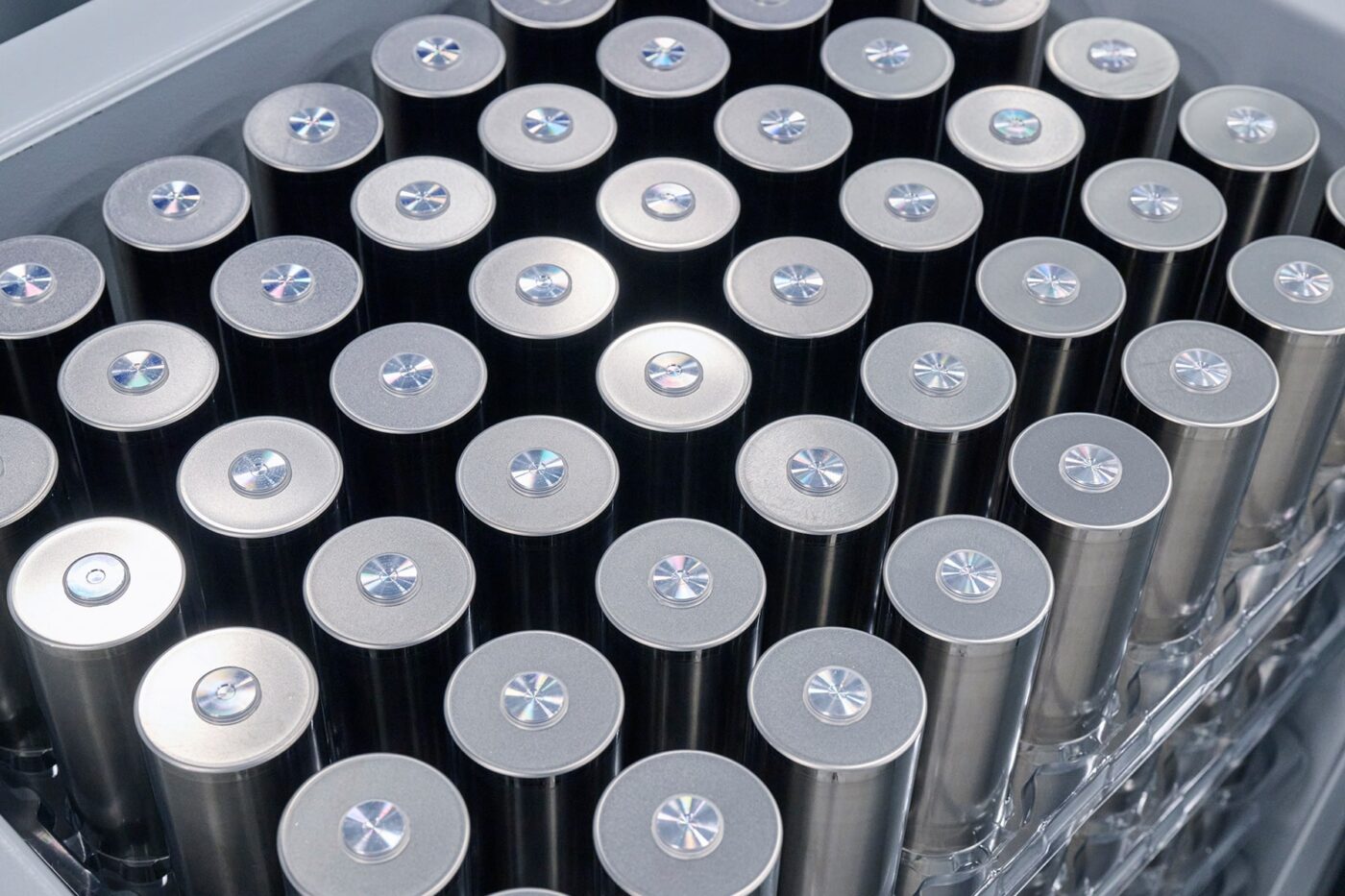
This approach fundamentally differs from established recycling methods. At present, end-of-life lithium-ion batteries are typically fully dismantled and mechanically shredded. The resulting black mass is then processed chemically or thermally to recover raw materials such as lithium, nickel, or cobalt. These materials must subsequently be reprocessed into electrode materials.
The method developed by Cornell University, called Direct Electrode-to-Electrode Regeneration (DEER), intervenes much earlier in the process. Instead of shredding the batteries, the cells are carefully opened, and the electrodes are removed. These are then treated in an electrochemical solution that removes the so-called Solid Electrolyte Interphase (SEI), a layer that forms during battery operation and increases internal resistance. According to the researchers, the electrode structure itself remains intact. They presented their findings in detail in early June in the journal Energy and Environmental Science.
In tests conducted on batteries retaining 70 to 80 per cent of their original capacity, the university reported that the process restored up to 95 per cent of the initial capacity. A accompanying techno-economic analysis further concluded that processing costs could be reduced by 56 per cent compared to conventional recycling methods. Additionally, water consumption and air pollutant emissions could be lowered.
However, the process is still in the early stages of development. To date, only laboratory results are available. As a next step, the researchers plan to test the technology on industrial batteries and investigate whether the approach can be applied to other ageing mechanisms, such as the loss of active lithium.
Furthermore, it remains unclear which battery types and cell chemistries the process will be suitable for in the future. The results published so far relate only to laboratory tests on batteries with intact electrode structures. Whether the method can be economically applied to more heavily degraded batteries or is equally effective for different cell chemistries was not addressed in the study. Additionally, it remains to be seen whether the approach will transition from the laboratory to industrial scale.



0 Comments