


UNECE adopts regulatory framework for fully autonomous vehicles
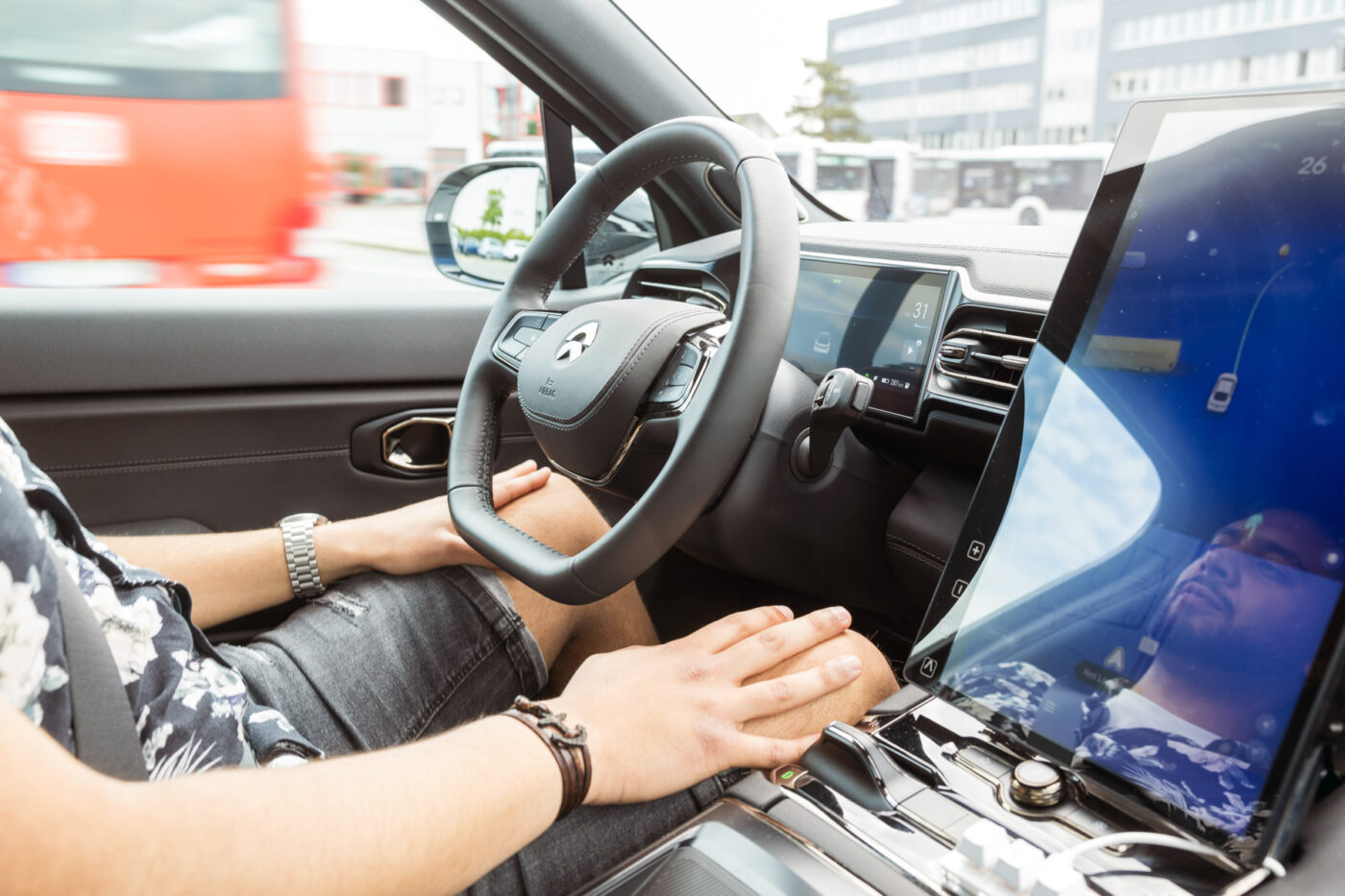
This initiative aims to establish a unified legal framework for so-called automated driving systems (ADS). These systems take over all driving tasks without human intervention—from steering, accelerating, and braking to operating lights and indicators. Typically, this applies to vehicles at SAE Level 4 or above. According to the UNECE, the regulation will come into force in approximately one month.
At the core of the new regulation are transparent safety requirements for the development, approval, and operation of autonomous driving systems. Manufacturers must, among other things, implement a comprehensive Safety Management System, demonstrate their systems’ performance through simulations, test tracks, and driving trials, and submit a so-called Safety Case. This must prove that the automated driving system does not pose an unreasonable safety risk.
The regulation also mandates continuous monitoring of vehicles during operation. Safety-relevant data must be recorded, and the performance of the systems must be monitored throughout their entire lifecycle. Vehicles must therefore be equipped with a data storage system for automated driving to document safety-relevant events and enable subsequent analysis.
The UNECE requirements stipulate that an automated driving system must achieve at least the safety level of an attentive and competent human driver. In parallel with the new regulation on automated driving systems, around 90 existing UN vehicle regulations have been adapted to ensure that current regulatory frameworks remain applicable to vehicles with automated driving systems, including vehicle concepts without traditional controls such as steering wheels or pedals.
The new regulation does not, however, grant automatic approval for driverless vehicles on public roads. Instead, it defines an internationally harmonised regulatory framework, on the basis of which contracting states can issue corresponding national approvals. The initiative is supported by the European Union, the USA, China, Japan, Canada, and the United Kingdom, among others. Manufacturers also have a strong interest in this overarching framework, as uniform requirements are expected to prevent them from having to develop and validate their vehicles according to different national regulations for each market.
The UNECE initiative could significantly simplify the approval process for future autonomous vehicle platforms and pave the way for broader market introduction. The new regulation is also expected to help clarify the distinction between driver assistance and autonomous driving in the future. A recent video from Canada, showing a Tesla with an apparently sleeping driver, reignited discussions about the capabilities of today’s driver assistance systems. In reality, however, the new UNECE guidelines target fully autonomous vehicles and not assistance systems at SAE Levels 2 or 3, where the human driver remains responsible.



0 Comments