

Volvo Cars puts battery cell subsidiary Novo Energy into hibernation
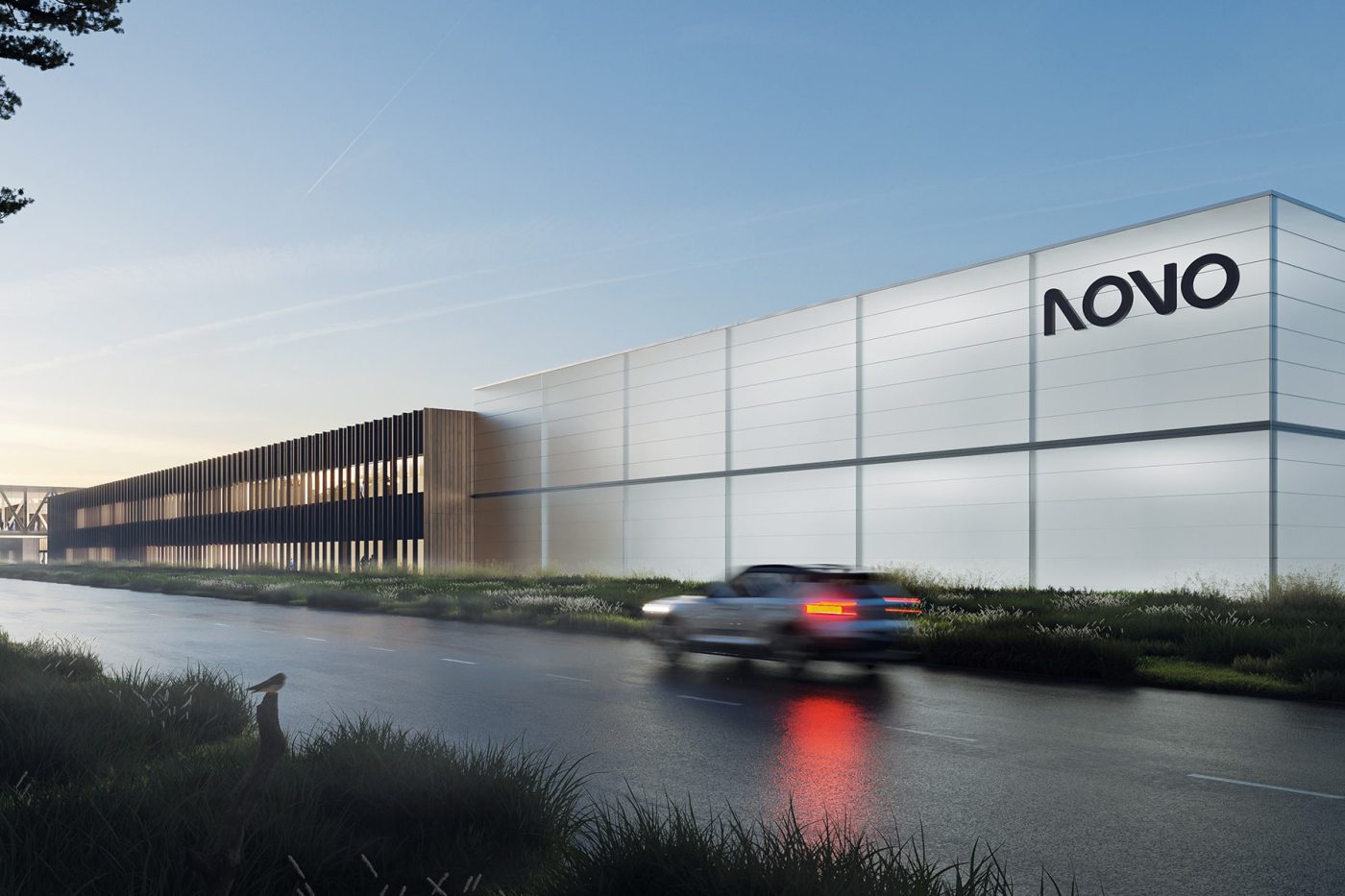
Originally, Novo Energy was set to begin producing battery cells this year at a new facility in Gothenburg, Sweden, whose construction began in September 2023. Novo Energy had announced plans to produce up to 50 GWh per year, not only to supply battery cells for Volvo’s European plants in Gothenburg and the Belgian city of Ghent but also potentially for other brands within the Chinese Geely Group (to which Volvo Cars belongs.)
However, it has long been clear that these plans would not come to fruition, at least for the time being. The insolvency of Northvolt and the subsequent complete takeover of Novo Energy by Volvo left the Swedish carmaker without a suitable technology partner to operate the cell factory. This became evident as early as May 2025, when Volvo was forced to lay off 150 Novo Energy employees due to the lack of a partner.
Even now, the search for a new external technology partner has been unsuccessful, despite the company having ‘intensively searched for a new partner over the past year.’ While the search continues under Volvo’s leadership, the company currently sees no way to proceed with operations as originally planned.
Will operations ever resume?
As a result, Novo Energy is now laying off its remaining 75 employees and putting the company into hibernation until a partner is found. “This decision was not made lightly but is necessary given the current situation,” the company stated. Novo Energy added that it is currently impossible to provide further details on when battery production might begin or what organisational structure it could take.
To put this into perspective: the battery factory was originally intended to create 3,000 jobs, but it now risks becoming a stranded investment. A trade union representative expressed little hope that operations might resume: “We had hoped and trusted that the matter would be resolved, so this is truly sad. It is also a loss for Gothenburg and western Sweden that this chapter is now closed,” said Katarina Atterström, Head of Department at the Swedish Union of Engineers, in an interview with Swedish broadcaster SVT.
European battery production faces uphill struggle
This development highlights the significant challenges facing the ramp-up of electromobility in Europe. To date, there is no meaningful European value chain for battery production on the continent, with the Swedish company Northvolt having been one of the biggest hopefuls until its insolvency. Currently, the industry remains heavily dependent on Chinese and Korean suppliers, with the Chinese market leader CATL also producing in Thuringia.
The only exception is the joint venture ACC, formed by Mercedes-Benz, Stellantis, and TotalEnergies, which has been producing battery cells in France since 2023. However, ACC already put the construction of cell factories in Kaiserslautern and the Italian town of Termoli on hold in 2024. Meanwhile, Volkswagen’s subsidiary PowerCo recently launched its cell production in Salzgitter, which is set to ramp up this year. However, VW has largely acquired the know-how of the Chinese cell manufacturer Gotion and taken a stake in the company. In contrast, Stefan Hartung, CEO of supplier Bosch, recently stated in an interview with Zeit when asked why Bosch did not enter cell production: “The risk was simply too great: to play a relevant role, we would have had to invest double-digit billions.”
novoenergy.com, svt.se (Swedish)
0 Comments