

France’s second social leasing programme reaches 50,000 EV target
France launched its first social leasing programme for electric vehicles in early 2024, which quickly reached its limit after just six weeks and around 50,000 approved leasing contracts. In the summer of 2025, the government decided to relaunch the programme, and since the end of September 2025, applications have been open again.
The French Ministry of Economy has now announced that 50,000 vehicles have been allocated under the second round of the programme. However, according to automotive magazine L’Argus, there is a waiting list in case some contracts fall through. The timeline of the subsidy programme is notable: while 41,500 applications were submitted in the first four weeks, it took another two and a half months to reach the full 50,000 EVs under social leasing.
In total, across both funding rounds, France has now enabled 100,000 low-income households to access affordable electric vehicles. In the second round, monthly leasing rates range from €95 to €195 depending on the model—and this without any down payment. These low rates are made possible by a subsidy of up to €7,000 per vehicle, which is deducted from the monthly leasing cost. In the first round, the subsidy was even higher, at €13,000.
“By enabling over 100,000 low-income households, particularly in rural areas, to access an electric vehicle at a price below market rates, we are making the transition to a low-carbon economy both economically viable and attractive. Social leasing also demonstrates that ecological transformation, social justice, and industrial ambition can go hand in hand by promoting an attractive range of vehicles produced in France and Europe,” stated Monique Barbut, Minister for Ecological Transition.
Indirect support for French manufacturers
The French government also highlighted that the programme has particularly benefited domestic car manufacturers: “Social leasing is a concrete tool for reindustrialisation. By directing demand towards vehicles produced in France and Europe, we are creating and securing jobs, expertise, and industrial investments while meeting a need expected by the French population. The ecological transition must not work against our industry but with it. This system proves that industrial competitiveness, sovereignty, and equal opportunities can go hand in hand,” explained Sébastien Martin, Minister of State for Industry.
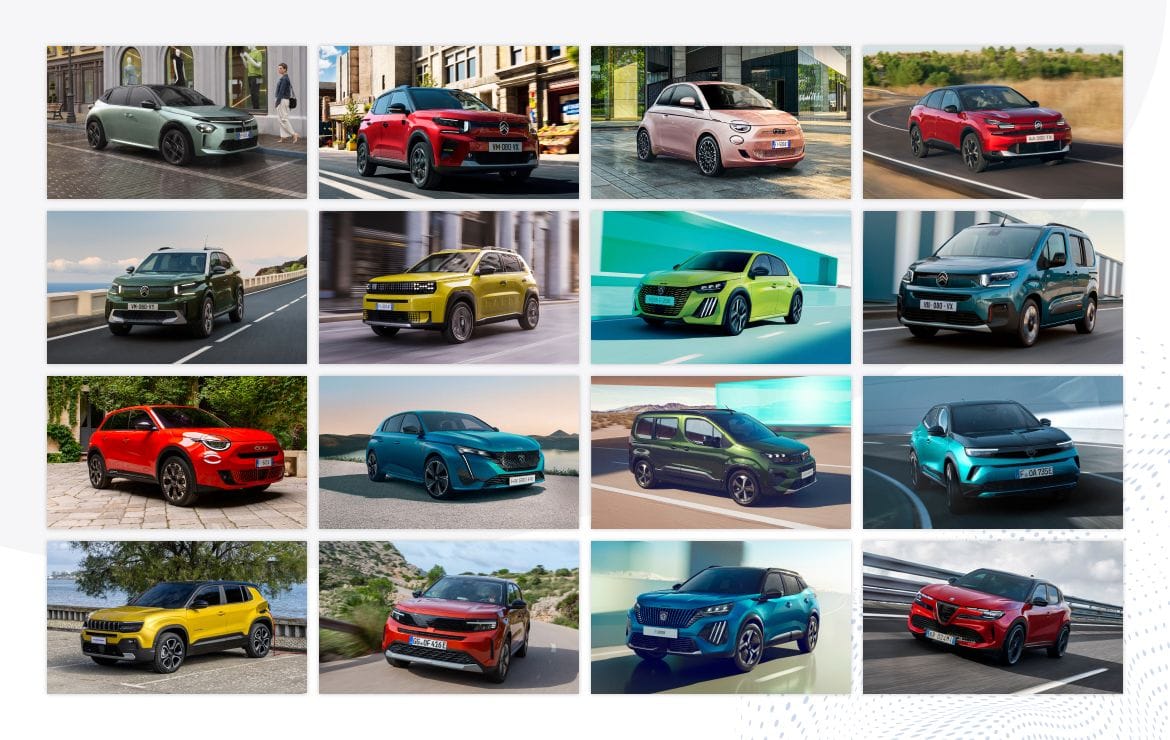
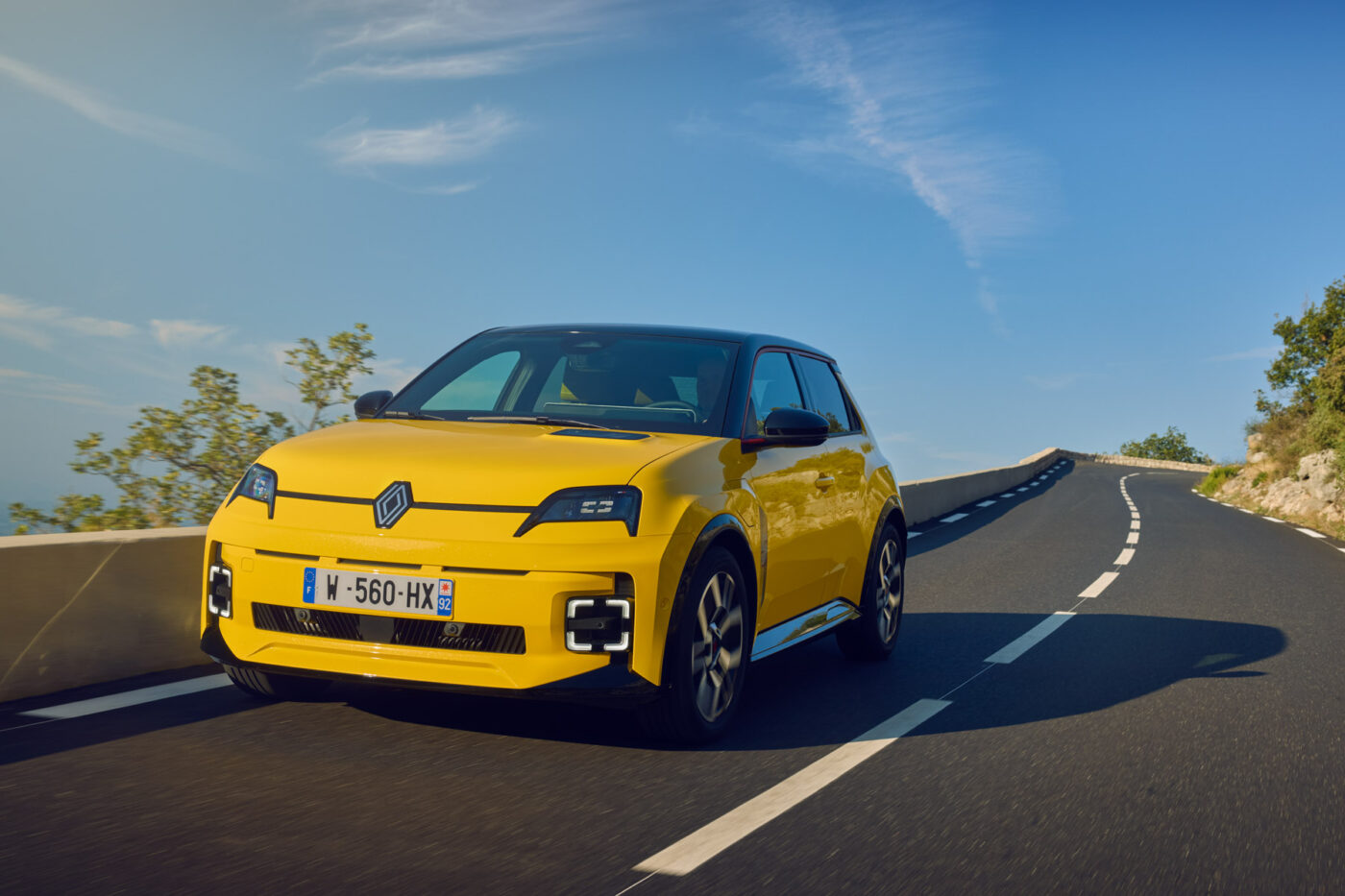
After all, 34 per cent of all ordered vehicles are manufactured in France. By far the most popular model was the compact Renault R5, with over 11,500 orders. At the same time, around half of all orders were for 17 different models from the Stellantis Group, including the Peugeot E-2008 at the top, followed by the Peugeot E-208, Citroën ë-C3, ë-C3 Aircross, and Fiat Grande Panda.
Very low income threshold
Eligible participants for the social leasing programme included households with at least one employed person and a taxable reference income of less than €16,300 per person. These households must either commute at least 15 kilometres to work by car or drive at least 8,000 kilometres per year for professional purposes. The programme was particularly aimed at part-time workers or single parents.
It remains unclear whether there will be a third round of social leasing. In Germany, the Social Democratic Party (SPD) would like to introduce a similar programme from 2027, but the current focus of the German government is on introducing a new EV subsidy of €3,000 to €5,000 for households with a taxable annual income of up to €80,000. While leasing may also be possible under this programme, unlike France’s social leasing, it does not guarantee monthly rates as low as €95 to €195. Additionally, the programme could still require down payments for leasing contracts. Meanwhile, France also offers a purchase grant for EVs, ranging from €3,500 to €5,700 depending on income.
economie.gouv.fr, largus.fr ( both in French)


1 Comment