

Connected Energy to build large testing facility for used EV batteries
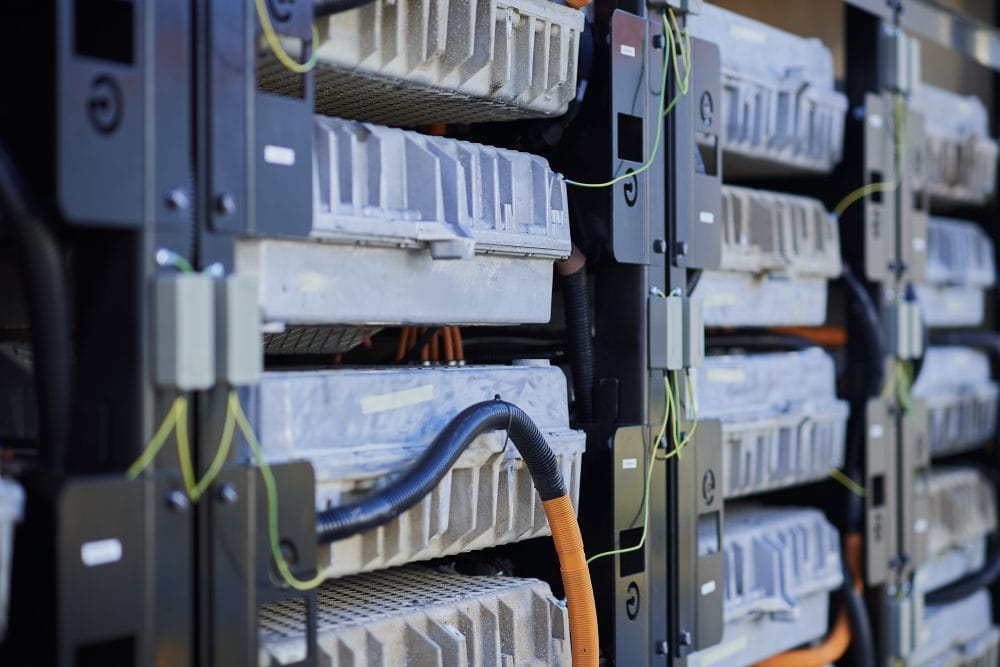
Connected Energy is already well established in the EV sector. In 2020, the company collaborated with Renault to implement a large-scale stationary storage system and has counted the Swedish commercial vehicle manufacturer Volvo Group (not to be confused with Volvo Cars) among its investors since 2022. Like the German startup Voltfang, Connected Energy specialises in stationary battery storage systems built using retired electric vehicle batteries—also known as second-life applications.
To ensure that used EV batteries are still in good condition, Connected Energy must test them. To this end, the UK-based company plans to build a new testing facility at Scottow Enterprise Park in Norfolk, near its technical centre. The £2 million project is scheduled to become operational by mid-2026 and is supported by the Advanced Propulsion Centre UK (APC) as part of an initiative to enhance the reuse and recycling of EV batteries.
The facility will primarily test and integrate batteries from electric buses and trucks from various manufacturers. This will likely include battery packs from vehicles produced by its investor, Volvo Group. The testing centre will also demonstrate the clear economic benefits of repurposing used batteries in grid-connected, second-life battery storage systems.
“This development marks the next step in Connected Energy’s growth. Having successfully shown how second-life BESS can work on a commercial scale, we are now moving to owning and operating grid-scale storage sites, with our first site also functioning as an advanced test facility,” says Matthew Lumsden, CEO of Connected Energy.
In addition to the testing facility, the site will house Connected Energy’s first 5 MWh battery storage system. Through energy trading and the provision of grid services, the facility will provide concrete evidence of the value creation potential of repurposing retired electric vehicle batteries.
“Insights from this multi-battery 5MWh project will shape future, larger deployments,” says Lumsden. “Our goal is to optimise what can be achieved with second-life batteries. We will gather extensive data to support a scalable commercial model for large-scale sites as more second-life batteries become available.”
The market for second-life battery storage systems is still in its early stages. This is because relatively few electric vehicles have reached the end of their regular lifecycle to date. In other words, there are currently only a limited number of EVs in scrapyards. Additional sources of retired EV batteries with an acceptable state of health (around 70 to 80 percent) for battery storage include dismantled pre-series vehicles, such as those used in a project by Porsche in Leipzig, or accident-damaged vehicles where the battery remains intact. Another option is “first-life” batteries, such as those used by Voltfang at Stuttgart Airport (link in German): these are new EV batteries that were not utilised due to overproduction and insufficient demand for electric vehicles.

0 Comments