

Honda and GM discontinue fuel cell production in the US
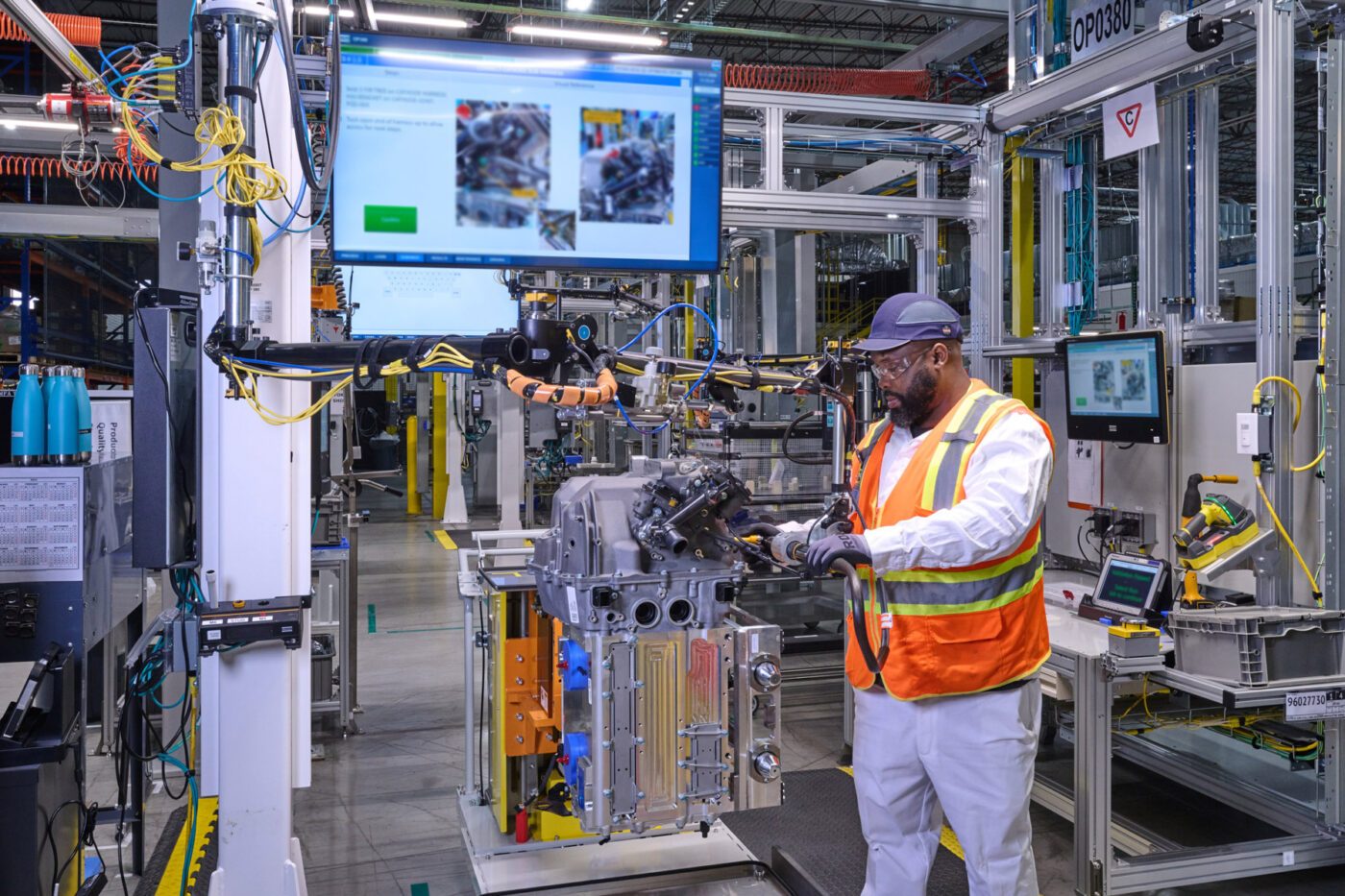
Honda has officially announced that it will discontinue production of the current generation of fuel cell systems by FCSM before the end of 2026. FCSM, which stands for ‘Fuel Cell System Manufacturing,’ was established in January 2017 as a joint venture between Honda and General Motors founded. However, the actual production phase was short-lived: the partners only began their joint series production of fuel cell systems in Brownstown, Michigan, at the beginning of 2024. Now, it will soon come to an end.
The fuel cell systems produced in Brownstown were used by both partners in various applications—not only in vehicles but also for data centres and power generation. In retrospect, Honda describes FCSM as ‘first ever joint venture in the automotive industry that would produce advanced fuel cell system.’ Through this collaboration, both companies pooled their expertise and achieved numerous synergies.
While Honda acknowledges the joint venture’s positive outcomes, after ‘extensive discussions’ with GM, both parties agreed to cease production at FCSM. For General Motors, this decision marks a temporary departure from fuel cell technology. As early as October 2025, the American company terminated the development of the next generation of hydrogen fuel cells under its Hydrotec brand.
For Honda, however, fuel cell technology remains a core part of its identity. The company is regarded as a pioneer in hydrogen and hybrid technologies but has lagged behind in battery-electric vehicles. While other manufacturers have turned away from the technology, Honda stated as recently as late 2024 that it aimed to expand its hydrogen business into one of its core operations. It identified four lucrative application areas: hydrogen passenger cars, hydrogen commercial vehicles, stationary power plants, and construction machinery. Honda currently offers the CR-V e:FCEV, a compact plug-in hybrid SUV with a hydrogen fuel cell electric powertrain, on the market.
Regarding fuel cell production, Honda plans to focus on its self-developed next-generation systems—and ‘further expand business opportunities in order to grow its hydrogen business as one of the new core businesses of Honda,’ as the manufacturer reiterated in its latest statement. It positions hydrogen alongside electricity as ‘high-potential energy carriers.’
However, even Honda faces challenges in pursuing alternative drive technologies on two fronts—particularly when partners like GM, with whom it shared investment costs, withdraw. In mid-2025, Honda announced that it would scale back its plans to build a new production facility for fuel cell modules in Japan. At the time, the company stated it would reduce the initial production capacity and postpone the start of series production, despite government subsidies. Honda cited recent changes in the global hydrogen market as the reason.
Behind the scenes, Honda must continually balance its ambitions with feasibility. In its latest announcement, the company adopts a defiant tone, emphasising its 30 years of R&D experience in the field. However, the discontinuation of FCSM production in Michigan represents another setback for Honda’s hydrogen ambitions.
0 Comments