

LGES builds pilot line for sodium-ion batteries
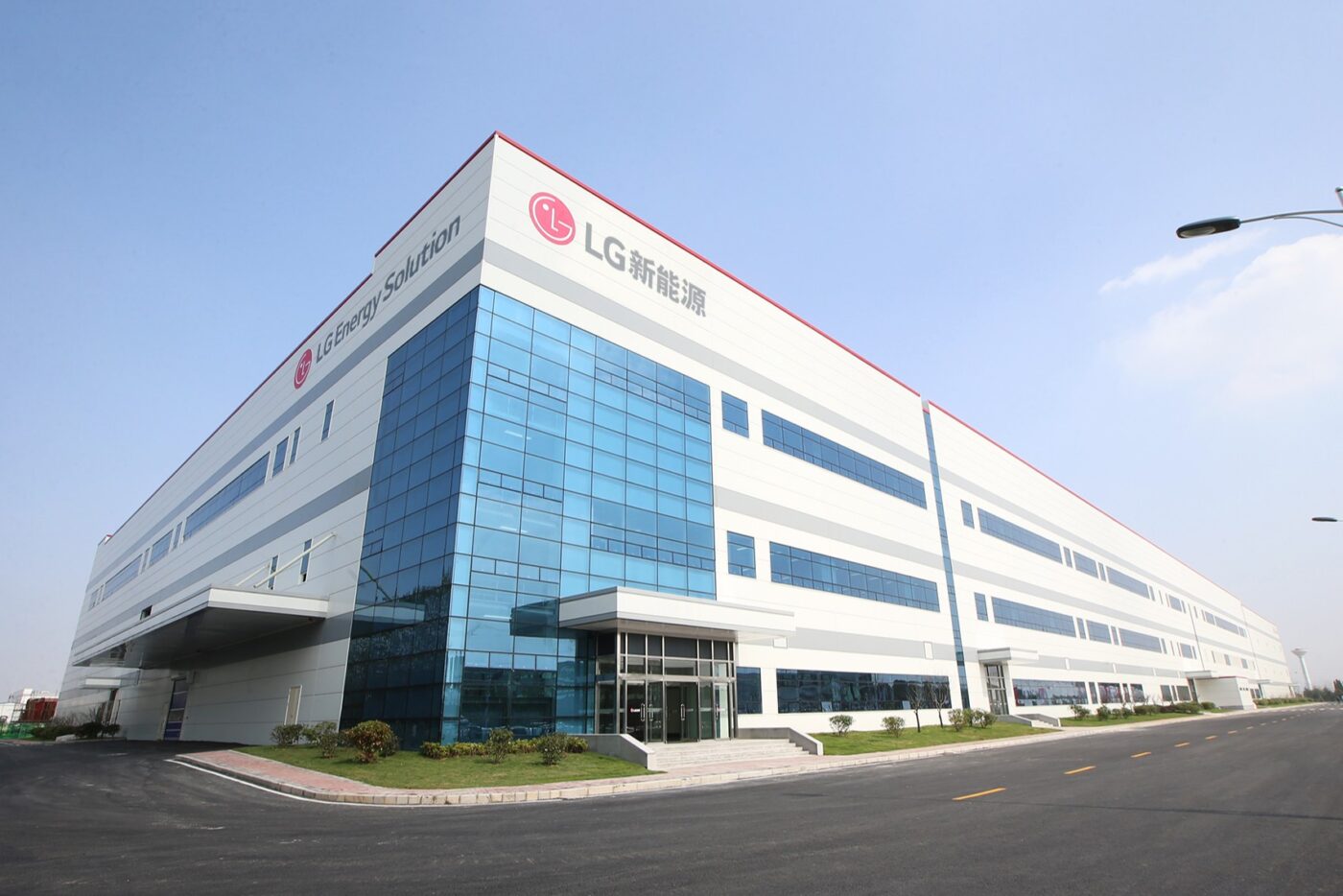
As reported by Asian media, LG Energy Solution has begun constructing a pilot line for sodium-ion batteries at its existing plant in Nanjing. Located in the capital of China’s eastern Jiangsu province, approximately 300 km from Shanghai, the facility will enable LGES to assess the feasibility of mass production.
The pilot production line is expected to be completed within this year to facilitate the rapid commencement of sample production. LGES is adopting a two-stage approach: initially, an A-sample prototype will be produced at its headquarters in Ochang, North Chungcheong Province. This will be followed by the manufacture of a B-sample in Nanjing, which will closely resemble a finished product. Finally, a C-sample will be developed as a product suitable for mass production.
Like solid-state batteries, sodium-ion batteries are considered a major breakthrough for the industry. They are particularly resource-efficient, as sodium is abundantly available in nature—found in sea salt and rock salt, for example. This could significantly reduce costs. In contrast, lithium is currently mined in only a few countries, such as Chile and China, often under challenging conditions, leading to high prices and supply chain dependencies. However, the challenge with sodium-ion batteries lies in compensating for their lower energy density and scaling the technology into industrially viable cells.
Alongside LGES, other battery manufacturers are also developing sodium-ion batteries, particularly the industry leaders CATL and BYD. CATL was one of the first battery manufacturers to introduce its own sodium-ion battery in mid-2021. At the turn of the year, the company provided a technology update, announcing that sodium-ion batteries will be deployed on a large scale this year in battery swap stations, passenger cars, commercial vehicles, and stationary energy storage systems.
Meanwhile, BYD began construction of its first sodium-ion battery factory two years ago. The facility in Xuzhou, Jiangsu Province, is designed for an annual production capacity of 30 gigawatt-hours. Additionally, the Federal Institute for Materials Research and Testing (BAM), in collaboration with the European Synchrotron Radiation Facility (ESRF) and the Fraunhofer Institute for High-Speed Dynamics (EMI), recently investigated the safety of sodium-ion batteries. The findings revealed that the new battery technology requires bespoke safety mechanisms, as these cannot be directly transferred from lithium-ion batteries.
0 Comments