


Genesis plans bespoke vehicle platform as early as 2027
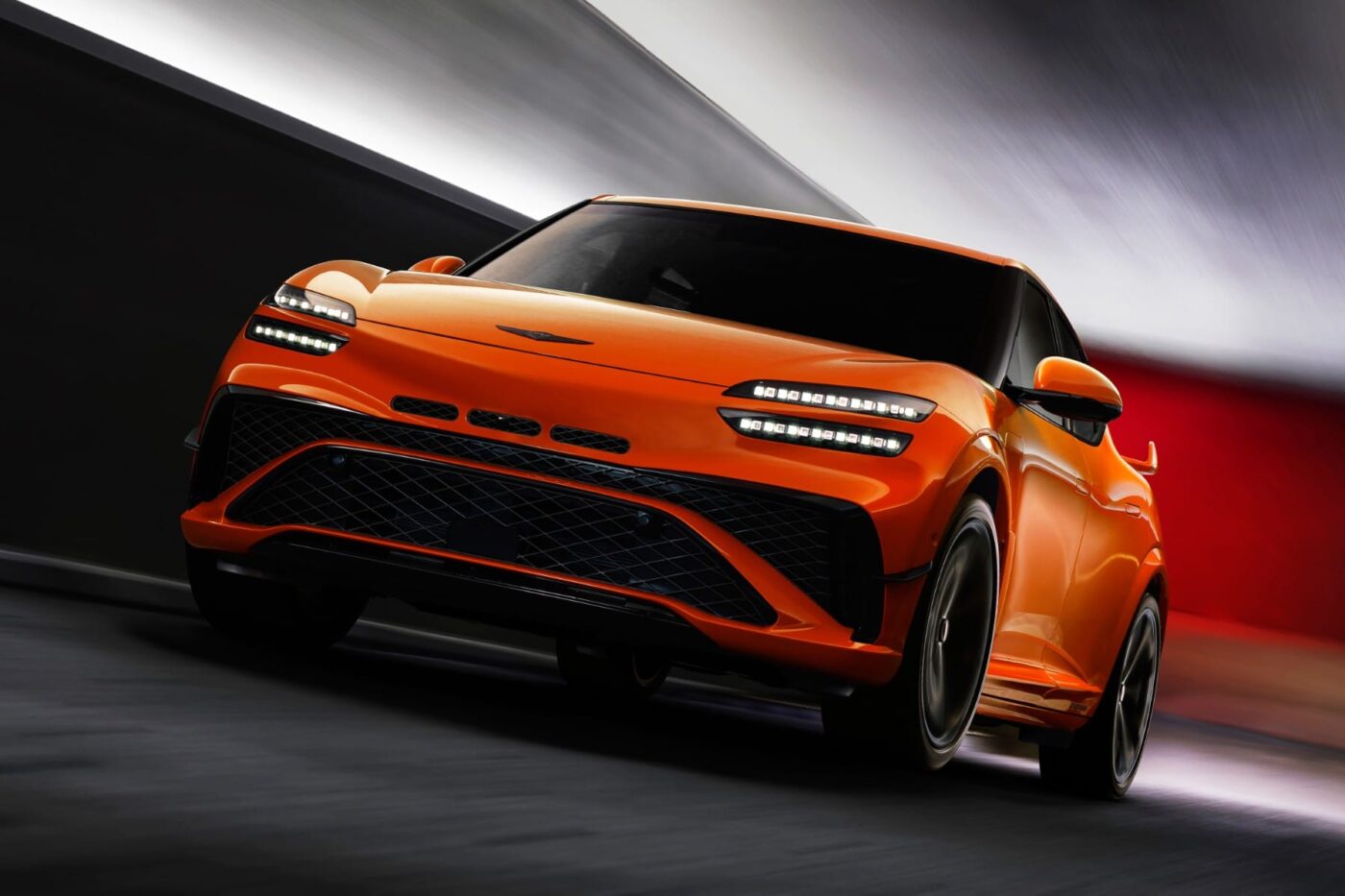
This was reported by Autocar, citing Genesis Europe Chief Peter Kronschnabl. The platform is expected to debut in a Genesis model as early as 2027. According to the report, the aim is to strengthen Genesis’s positioning as an independent premium brand.
In practice, Genesis has always faced the challenge of leveraging as much group technology and shared components as possible to achieve economies of scale while simultaneously distinguishing itself as a premium brand from the volume models of Hyundai and Kia. After all, Genesis aims to compete internationally with Audi, Mercedes-Benz, and BMW. However, when its vehicles offer more or less the same technology as a significantly cheaper Hyundai or Kia—albeit with a distinct design and different interior materials—justifying the price difference can be difficult, even if the group’s technology is excellent.
The new Genesis platform is therefore intended to differ fundamentally from the electric platform E-GMP (used in the Genesis GV60) and the M3 architecture, which underpins the larger Genesis models (both internal combustion and battery-electric). The upcoming luxury SUV Genesis GV90 is set to use the eM platform, an evolved version of the E-GMP—once again, group technology. So far, it has only been confirmed that the Genesis platform will be suitable for electric models and hybrids. However, whether the platform was developed with a BEV-first or hybrid-first approach, along with further details, remains unknown.
Peter Kronschnabl, Genesis’s Europe Chief since last year, told the British portal Autocar that the platform is designed to ensure Genesis models deliver a driving experience that “is at once in line with the brand’s premium positioning and obviously distinct from its Hyundai and Kia siblings.” “Genesis is a brand of the Hyundai Motor Group, and within that has certain specifics as a brand, be it on the drivetrain, the chassis set-up, interior packaging or other core attributes,” said the former BMW manager. “And therefore, it was decided that in order to fulfil the requirements of the brand’s driving dynamics, Genesis needs its own platform for the future models. That was the reason why this platform was created.”
However, the extent to which the Genesis platform differs from the E-GMP or M3 architecture remains unclear. It is therefore unknown whether Genesis will develop and use entirely bespoke electric drivetrains or if individual components will be sourced from the group’s existing parts bin. Even with some shared drivetrain components, a bespoke platform still offers the flexibility to pursue independent solutions in areas such as suspension or spatial layout.
It may seem unusual that Europe Chief Kronschnabl is the one announcing the bespoke Genesis platform, given that the brand sold just under 2,500 of its global total of 220,000 units in Europe last year. It is likely that financially more lucrative markets in Asia and North America are being prioritised in Genesis’s development plans—an investment in a bespoke platform would hardly be justified for just 2,500 vehicles. On the other hand, this could enable Genesis to truly differentiate itself from Hyundai and Kia and sell more cars.
The Koreans have harboured ambitious plans for the Genesis brand for several years. Originally derived from the large Hyundai Genesis saloon, the brand aims to establish itself at the premium level. As a distinctly sporty sub-brand in the style of Mercedes-AMG and BMW M, the Genesis Magma label has already been launched. Genesis initially planned to become an all-electric brand but adjusted this strategy in light of global sales performance.

0 Comments