


Toyota sells more battery-electric cars in China than VW
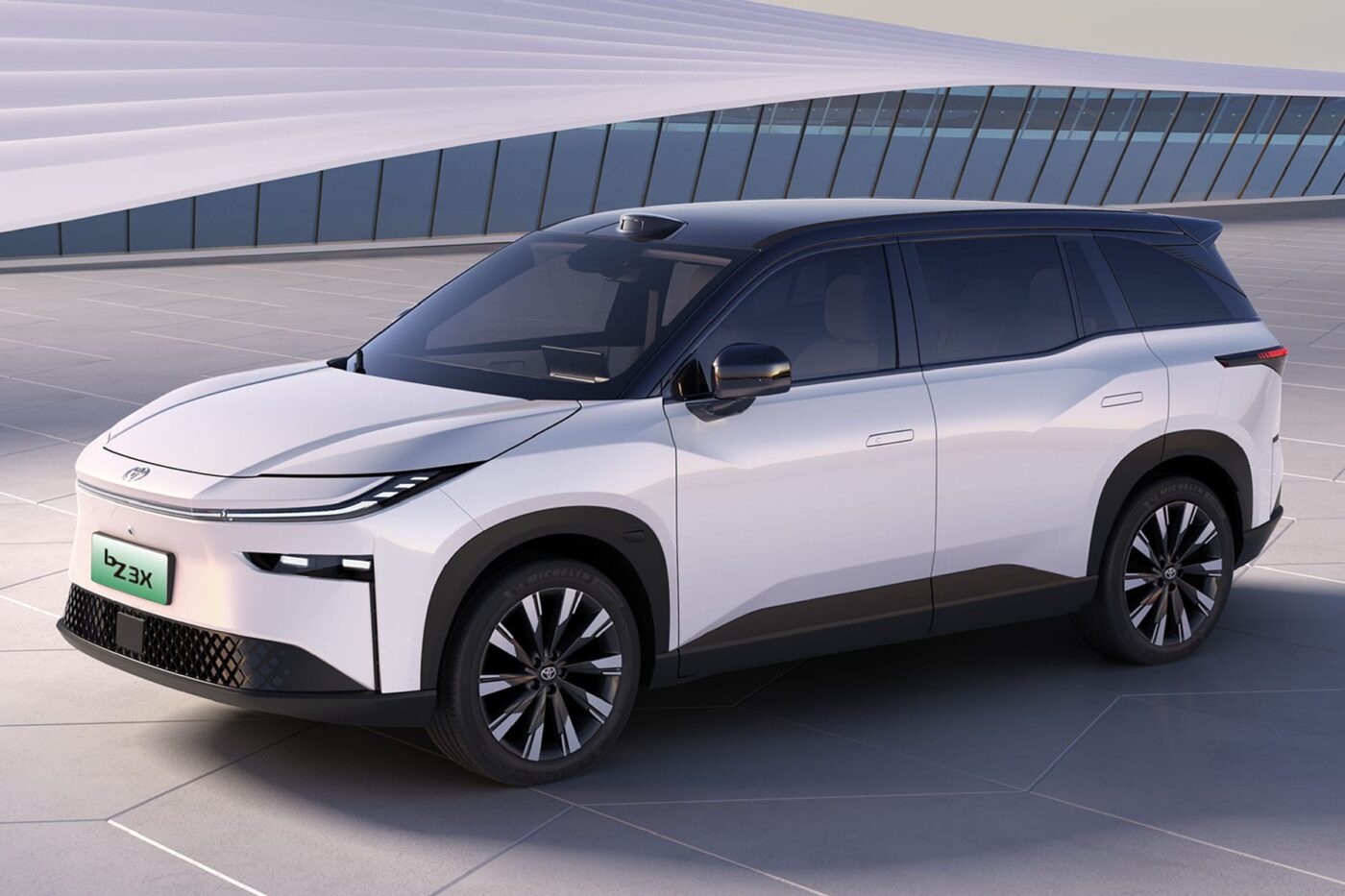
According to a report by Handelsblatt, citing data from the data service provider Marklines, Toyota (at brand level) sold 100,000 battery-electric cars in China last year, while the VW brand (not the group) sold around 85,000 BEVs. The significance of the Chinese market for both brands differs greatly: VW sells over 40 percent of its cars in China, making the People’s Republic the Wolfsburg-based company’s most important single market. For Toyota, however, China accounts for less than one-fifth of its global sales.
The Japanese manufacturer has also overtaken VW in terms of electric vehicle share. Despite Toyota slightly increasing its total sales to 1.8 million vehicles in China, the proportion of electric cars in its sales rose from 0.8 to 1.4 percent. In contrast, the VW brand experienced a significant decline, from 2.8 to 1.1 percent.
This is remarkable, as battery-electric vehicles are not a primary focus for the Japanese manufacturer. While Toyota has expanded its comprehensive vision of hydrogen-powered mobility—supplemented by hybrids—into a “multi-path strategy” that now includes battery-electric vehicles, VW has committed far more strongly to battery-electric powertrains.
BYD leaves competitors far behind in China
Nevertheless, both brands, which rank among the world’s largest car manufacturers, operate at a relatively modest level in China’s electric vehicle market. The Chinese market leader BYD, which has recently faced its own declines, sold more battery-electric cars in December 2025 alone (190,712 vehicles) than VW and Toyota combined did in the entire year.
In China, both global corporations primarily operate through joint ventures—VW has since taken a majority stake in Volkswagen Anhui, its joint venture with JAC. However, the larger sales volumes come from its partnerships with FAW and SAIC. Last year, VW’s sales in China fell by eight percent, while its electric vehicle sales dropped by 50 percent. This was partly due to the fierce price competition in China, in which VW consciously chose not to participate fully—at the expense of its sales figures.
Toyota also collaborates with FAW in China and, in another joint venture, with GAC. The battery-electric SUV bZ3X, developed through the GAC partnership, has been available for order since March 2025 at prices starting from the equivalent of £14,000—and, according to Marklines, has become Toyota’s bestseller with around 70,000 registrations. This model accounts for approximately 70 percent of Toyota’s electric vehicle sales in China and around 35 percent of its global electric vehicle sales.
However, globally, VW is significantly ahead of Toyota in the electric vehicle race. The VW brand delivered 382,000 all-electric vehicles in 2025, representing a slight decline of 0.2 percent. Overall, 8.1 percent of the brand’s deliveries were electric. Toyota, on the other hand, sold 199,140 electric cars last year. With 10.5 million vehicles sold under the Toyota and Lexus brands (Toyota’s figures are unfortunately not reported separately), the electric share remains below two percent.
0 Comments