


Kawasaki develops an H₂-powered robotic horse
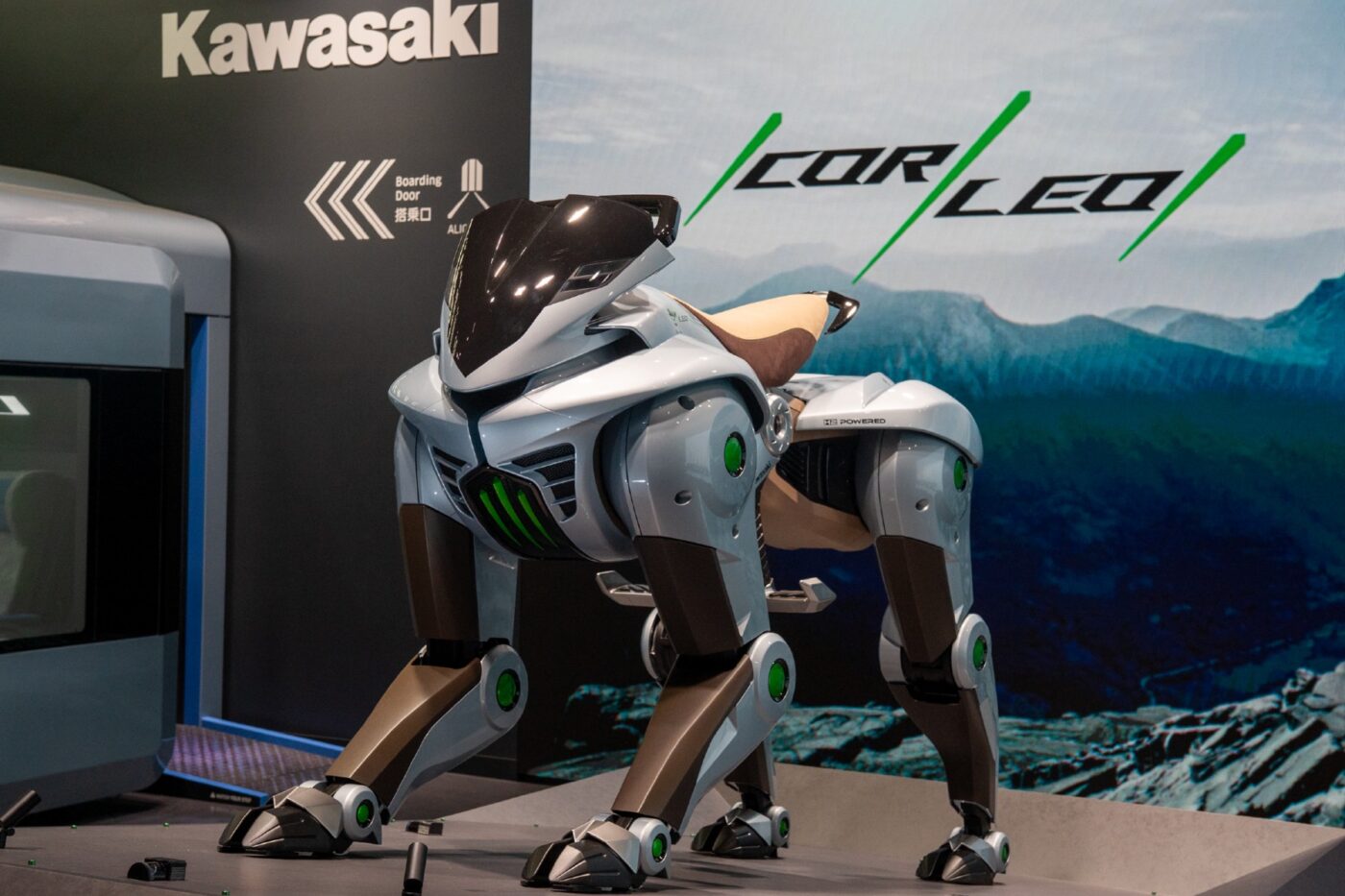
Kawasaki unveiled the concept at Expo 2025 in Osaka and, according to its own statements, has established a business development team named ‘Safe Adventure’ to transform the robotic horse concept into a commercial product. This team reports directly to the company’s CEO, the organisation confirmed. With both robotics and motorcycle divisions, Kawasaki theoretically possesses the in-house expertise to develop a four-legged robot for locomotion.
Regarding the timeline: prototypes suitable for test excursions are expected to be ready by Expo 2030 in Riyadh. Kawasaki has indicated a potential market launch in 2035. However, technical details remain vague. The propulsion system will use a 150-cc hydrogen engine, with the fuel likely stored in hydrogen cartridges at the rear.
Several features of the robotic horse are derived from motorcycle technologies (“By applying the swing-arm mechanism developed for motorcycles, the rear legs move independently up and down to absorb shock”). However, riders control the direction of movement by shifting their weight, much like riding a real horse. Corleo is primarily designed for individual locomotion in natural environments.

1 Comment