


VW Group to cut around 50,000 jobs in Germany
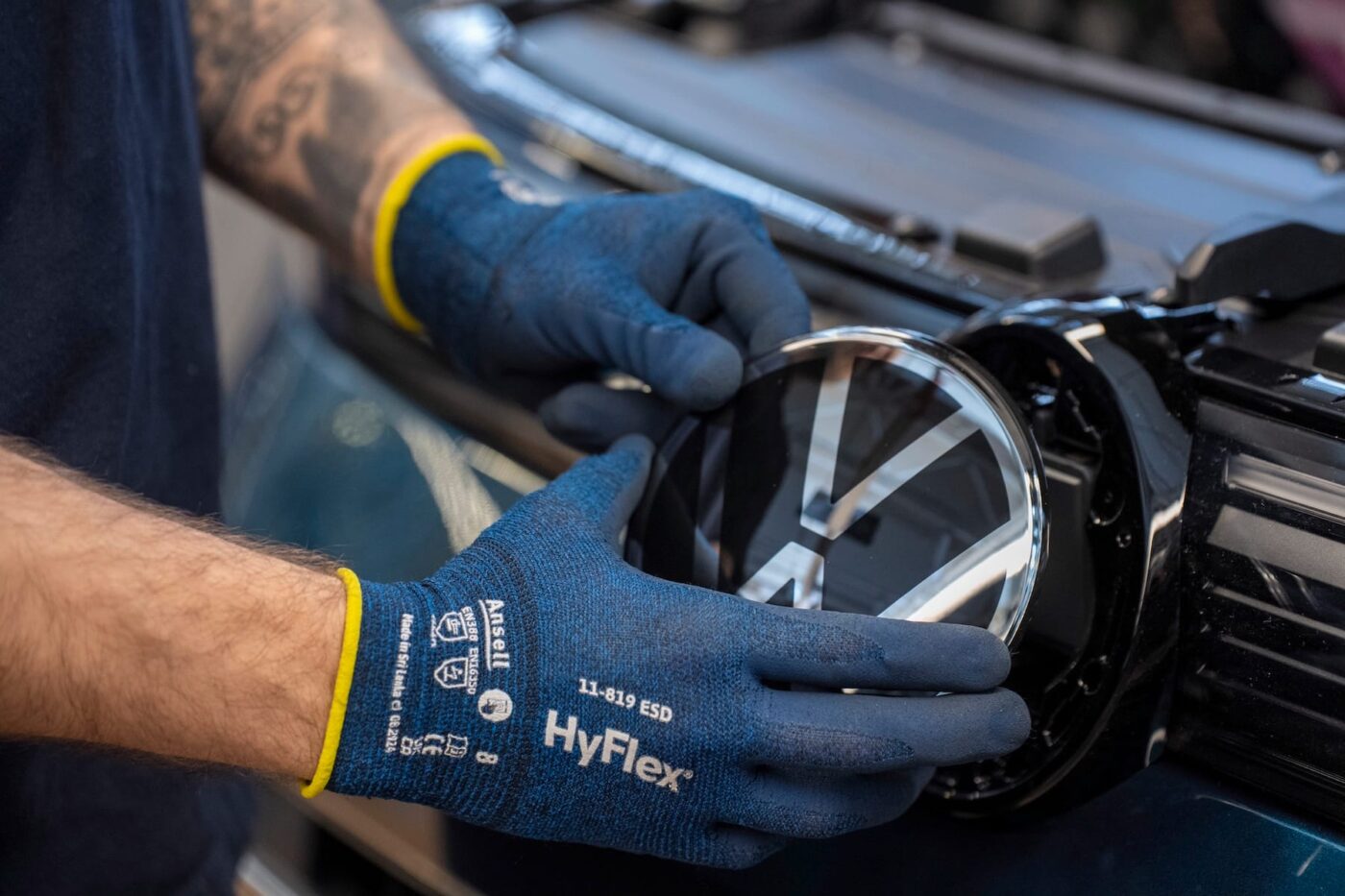
VW Group CEO Oliver Blume announced the figure in a letter to shareholders published alongside the presentation of the company’s financial results for the 2025 fiscal year. The planned reductions cover all brands currently running job-cut programmes in Germany, including Audi, Porsche and the software unit Cariad.
According to the annual report, the Volkswagen Group employed around 293,000 people in Germany at the end of 2024. If the reduction plans are implemented as announced, the workforce would fall to roughly 250,000 employees—assuming that some new hiring continues during the period.
The majority of the cuts, as previously reported, will affect the VW brand. As early as the end of 2024, the carmaker reached an agreement with trade unions to reduce 35,000 jobs in Germany by 2030, primarily within the core brand. However, other group brands were also known to require significant cost savings. At Porsche, for example, previously high profits have recently declined, leading to the appointment of Michael Leiters as the new Porsche CEO, allowing Blume to focus entirely on Wolfsburg.
In the past fiscal year, the VW Group maintained sales of €321.9 billion, nearly matching the previous year’s figure (€324.7 billion), representing a decline of 0.8%. However, the operating result halved to around €8.9 billion, while net profit fell by 38%, from €10.7 billion to €6.7 billion. The key operating margin has thus dropped to just 2.8%—the lowest level since 2016, when VW was in the midst of the Dieselgate crisis.
Blume had already made clear to executives in January that significantly stricter cost-cutting measures would be necessary in light of the economic developments. The VW CEO has now openly confirmed this approach, telling journalists during the presentation of the annual results that the group would ‘leave no stone unturned,’ as reported by Handelsblatt. “We are talking about a programme that will address all areas of the company,” Blume said regarding the comprehensive transformation plan. This initiative aims to cover all cost areas without exception. From development and procurement to sales, quality, and production, every department will be required to cut costs.
Following the debacle surrounding the sudden emergence of a multi-billion-euro cash flow issue, senior management aims to contribute to the effort with leaner structures. Cross-cutting functions such as procurement, production, and sales will increasingly be managed centrally from Wolfsburg under Blume’s leadership, rather than at the brand level. From 1 April, the divisions of Group Procurement, Group Production, and Group Sales will report directly to CEO Oliver Blume—just as Group Development already does. Group Sales, for example, was previously part of the Progressive brand group, which primarily includes Audi, Bentley, and Lamborghini.
The restructuring of the group’s operations is part of a larger overhaul following the end of Blume’s dual role at VW and Porsche. According to Automobilwoche, this move is ‘a further step to accelerate the group’s transformation—and to create a clear centre of power and responsibility.’ Centralising these key functions under Blume strengthens his position—particularly after reports suggested that the CEO’s support among the owning families was waning.
“Our future group steering model is based on the principle of a strategically operational group with strong brands. This includes striking the right balance between realising synergies across the group and fostering entrepreneurship within the brands,” explained Group CEO Oliver Blume. “With the new structure, we are creating the conditions to enhance operational excellence, increase efficiency and quality, and reduce costs.”
volkswagengroup.com (financial results), handelsblatt.com, automobilwoche.de (both in German), reuters.com
0 Comments