


Amid renewed FCEV focus, China aims to cut hydrogen prices to €3/kg
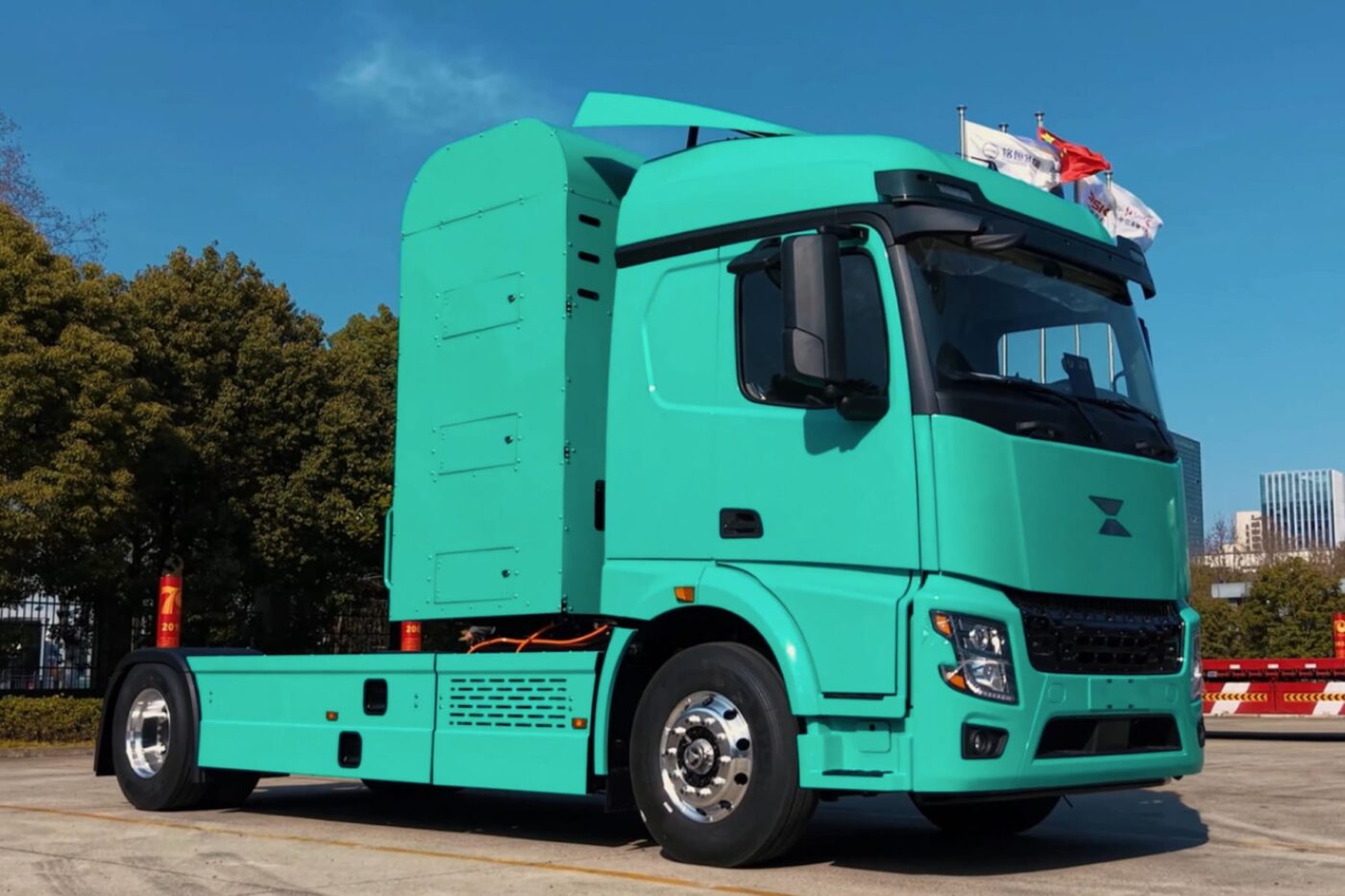
Among other initiatives, China plans to double its fleet of fuel cell electric vehicles (FCEVs) to 100,000 by 2030. This was announced in a joint statement by the Ministry of Industry and Information Technology (MIIT) and two other ministries.
“The announcement proposes selecting city clusters with a strong industrial base, diverse application scenarios, a secure hydrogen supply, and complete value chains as pioneers for comprehensive hydrogen energy pilot projects,” states the document published by the MIIT on Weibo. “This aims to explore pathways for the commercialisation of hydrogen energy in a scientific, systematic, and proactive manner, improve the framework conditions for industrial development, and promote the integrated development of the entire hydrogen energy value chain – from production and storage to transport and utilisation.”
In these city clusters, hydrogen is expected to be used on ‘a large scale and across various sectors’ by 2030. Each selected city cluster will receive up to 1.6 billion Yuan (approximately €200m Euros) from the central government for the pilot programmes. However, the exact city clusters have not yet been determined; they will now be selected through a ‘competitive mechanism’ as part of the pilot programme. To succeed in this competition, city clusters must demonstrate a robust industrial base, diverse application scenarios, and a complete hydrogen supply chain. This means hydrogen must be producible, storable, transportable, and consumable within these clusters.
A key focus of the entire project is the price of hydrogen. According to the MIIT document, the government aims to reduce the average end-consumer price of hydrogen to below 25 Yuan per kilogramme, which currently equates to €3.16 Euros per kilogram. “In some regions with favourable conditions,” a price of 15 Yuan – equivalent to 1.90 €/kg – is expected to be achievable. The MIIT and media reports, such as those from CnEVPost, do not specify the current end-consumer price of hydrogen in China. However, in Europe, hydrogen prices are considered one of the reasons why fuel cell vehicles have struggled to gain market traction—particularly when compared to the electricity costs for operating comparable battery-electric vehicles.
In China, too, fuel cell vehicles currently occupy a niche market and are, if at all, primarily used in the commercial vehicle sector. In the passenger car segment, the China Passenger Car Association (CPCA) reports only two- or three-digit sales figures for FCEVs, while sales of battery-electric vehicles (BEVs) and plug-in hybrids (PHEVs) in China remained at 483,000 units even in a weak February. As a result, Chinese automakers are primarily focusing on these drivetrains. Only Geely is advancing hydrogen projects – primarily through its commercial vehicle brand, Farizon.
The central government in Beijing now aims to establish fuel cell technology in the passenger car sector as well. According to the document, the national strategy seeks to position hydrogen as ‘a new engine for economic growth ‘and support the ‘comprehensive green transformation of the country’s economic and social development’. This strategic focus is expected to drive advancements and breakthroughs in core technological areas of hydrogen mobility, including vehicle fuel cells, electrolysers for hydrogen production, and hydrogen storage and transport.
While the first point mentioned in the pilot projects’ objectives is the fuel cell vehicle sector, the initiative extends further: it also includes research into green ammonia and methanol, the substitution of hydrogen-based chemical raw materials in the refining and coal industries, and hydrogen metallurgy.
cnevpost.com, weixin.qq.com (Weibo post)
0 Comments