


Rolls-Royce backs away from full electrification target for 2030
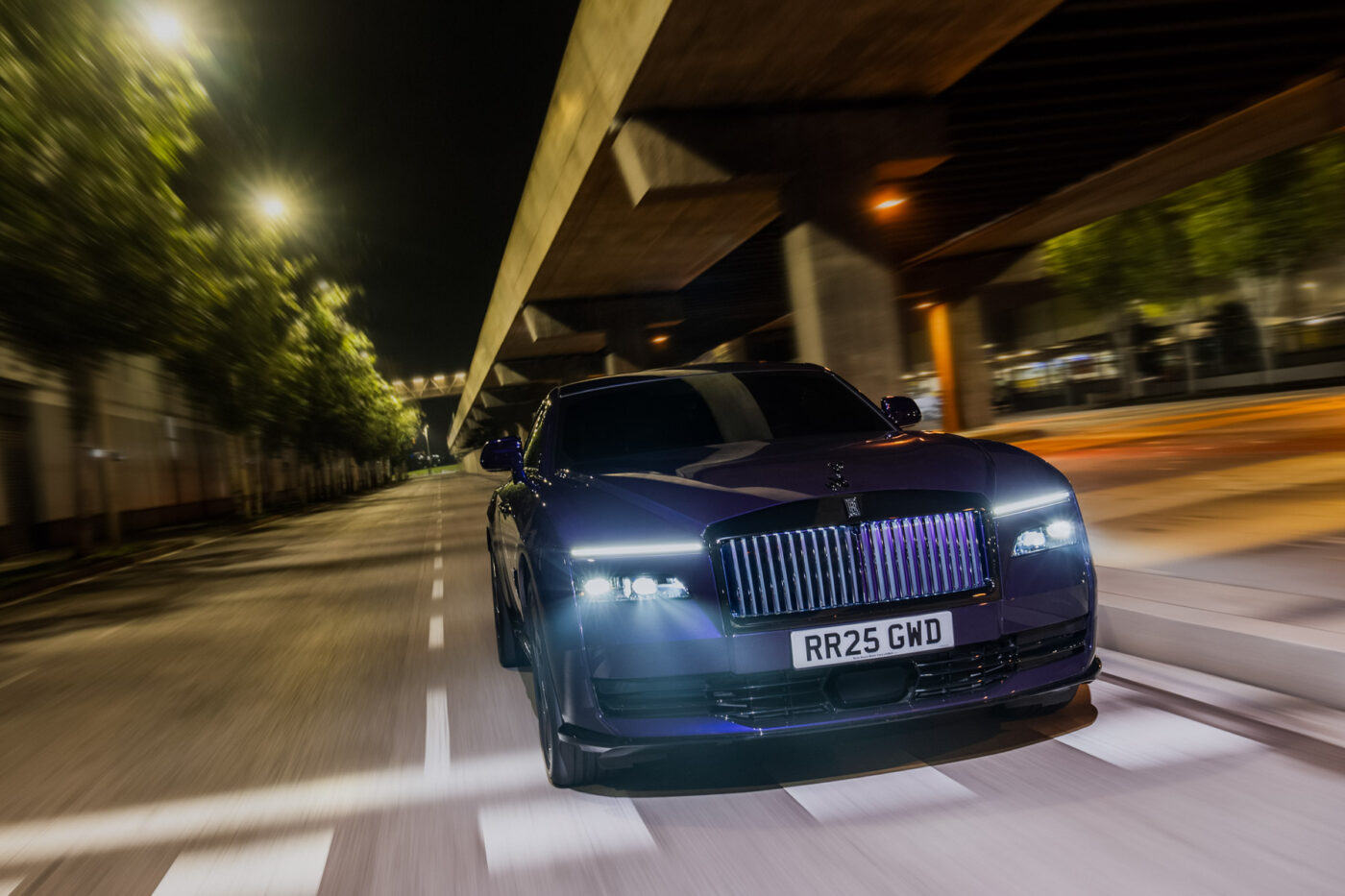
With this decision, Rolls-Royce joins a growing list of manufacturers that are scaling back the ambitious electric vehicle targets they set just a few years ago. For example, its direct competitor Bentley announced in 2024 that it would delay its goal of selling only electric cars from 2030 to 2035. By September 2025, however, Bentley had abandoned its fixed phase-out date entirely. Porsche, too, has since announced new internal combustion engine models, after the German sports car manufacturer scrapped its own EV targets.
Former Rolls-Royce CEO Torsten Müller-Ötvös had set the goal in 2021 to sell only battery-electric vehicles from 2030 onwards. In 2022, during the unveiling of the first all-electric model, Spectre, he reaffirmed that the share of electric vehicles in annual sales was expected to reach 70% by 2028.
However, his successor, Chris Brownridge, who took over the role in December 2023, sees things differently and has publicly abandoned the 2030 target. He cites the relaxation of regulatory and legal requirements by governments worldwide, as well as customer demand, as reasons.
“For every client that loves an electric vehicle there is one who does not,” said Brownridge. “Some clients do want an electric vehicle, we build what is ordered.”
Conversely, many customers still prefer a Rolls-Royce with an internal combustion engine: “We recognise some clients would rather have a V12 engine. The V12 is part of our history,” Bownridge tol The Times.
The CEO has refused to set a new fixed target for when Rolls-Royce might offer only all-electric vehicles. He also declined to provide the media with a specific figure regarding how many new electric models the company plans to bring to market in the future.
According to BMW’s latest annual report, demand for Rolls-Royce’s only all-electric model to date declined significantly last year. Deliveries of the Spectre fell to 1,002 units, down 47% from 1,890 vehicles in 2024—the model’s first full year on sale. The figures point to a possible first-mover effect, with early demand driven by launch interest before easing thereafter.
The Spectre’s weak performance likely influenced CEO Brownridge’s decision to abandon the rigid 2030 target. After all, the share of electric vehicles across all deliveries fell to 17.7% in 2025, down from a notable 33% in 2024.

2 Comments