


China tightens rules for range-extended electric vehicles
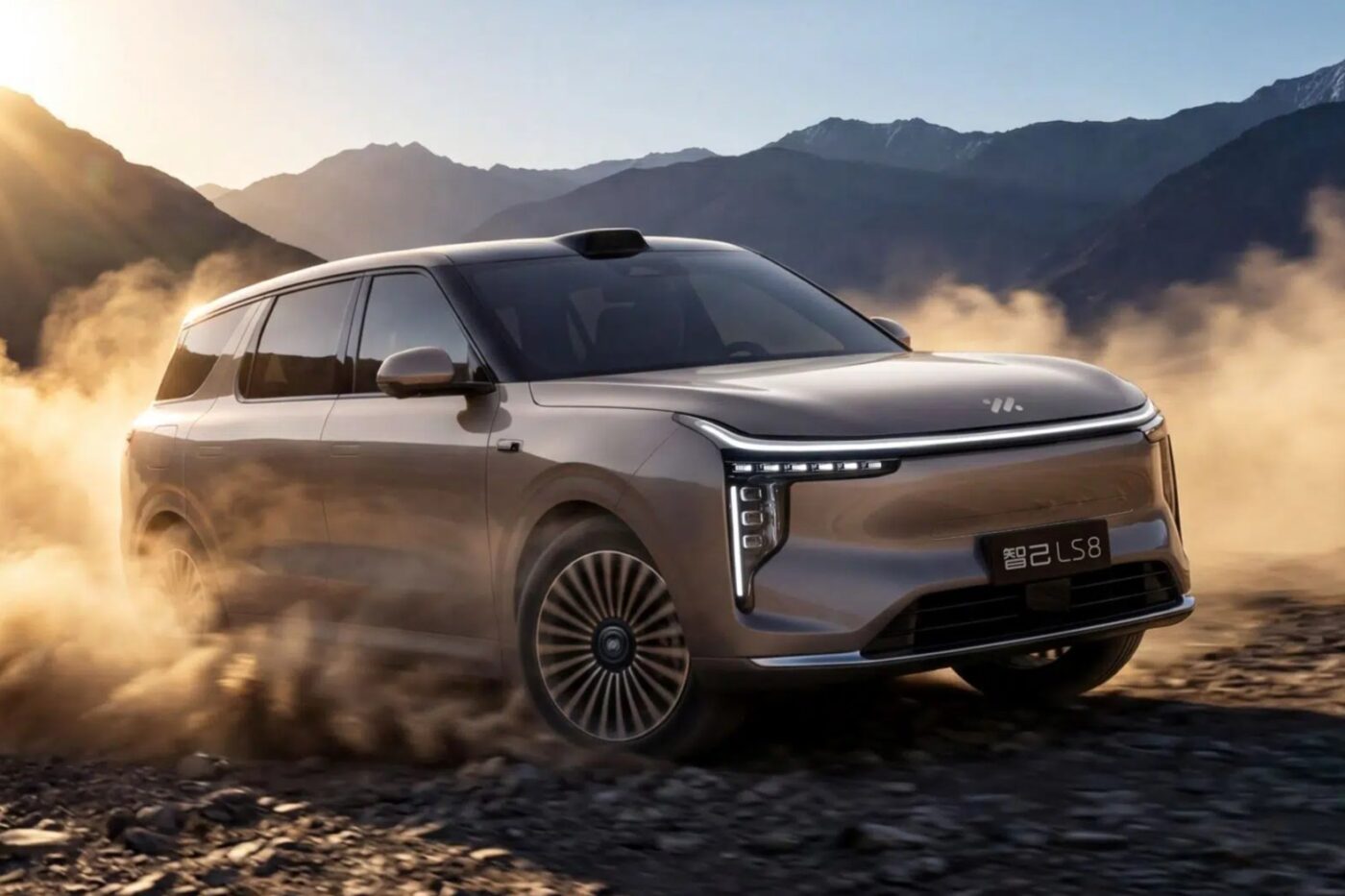
The new Chinese industry standard QC/T 1086-2026 replaces the previous version, QC/T 1086-2017, which dates back to 2017. It introduces significantly more concrete technical requirements and testing procedures for range-extender systems in electric vehicles.
The shift is already reflected in the name change: what were previously broad ‘Technical Conditions’ are now defined as ‘Technical Requirements and Testing Procedures’. This marks a significantly more binding framework. According to CarNewsChina and CNR, many previously qualitative specifications have been replaced with measurable requirements.
For example, the old standard used vague wording such as ‘should correspond to the technical product documentation’, whereas the new version defines specific criteria. This becomes particularly clear in the generator’s power control accuracy: systems with a rated output of up to 50 kW may deviate by no more than ±1.5 kW, while more powerful systems must remain within a maximum deviation of ±3 per cent.
Reports indicate that the limit values were established through industry consultations with major automakers and suppliers. They are designed to be easily achievable for leading providers, feasible with effort for established companies, and simultaneously push technically weaker solutions out of the market.
The standard also defines the requirements for electromagnetic compatibility, as well as noise and vibration behaviour, in greater detail. This places two key aspects of range-extender systems more firmly in focus: the interaction between the generator, power electronics and electric drive must operate without interference, while noise and vibrations generated by the additional combustion engine are now assessed according to more standardised criteria.
New additions include specific durability tests. These comprise a 750-hour test with varying loads and a start-stop test covering 100,000 cycles. The tests are designed to simulate real-world usage of around 300,000 kilometres, including urban traffic with frequent switching on and off of the internal combustion engine.
The scope of application has also been expanded. The standard now accounts for integrated designs in which the generator and drive functions are combined within a shared transmission unit. This ensures that the standard covers not only classic range-extender systems but also newer, more highly integrated drive concepts.
The update reflects the rapidly growing importance of extended-range electric vehicles (EREVs) in China. According to reports, the market has expanded significantly for five consecutive years since 2020. More than one million vehicles with range extenders were sold in 2024, while sales are expected to exceed 1.2 million units in 2025. Manufacturers including HIMA, IM Motors, Zeekr, Seres, Deepal, Li Auto and Leapmotor have all significantly expanded their EREV portfolios. At present, the growth trend shows no sign of slowing.
carnewschina.com, cnr.cn (in Chinese)

0 Comments