


Tokyo plans higher EV subsidies
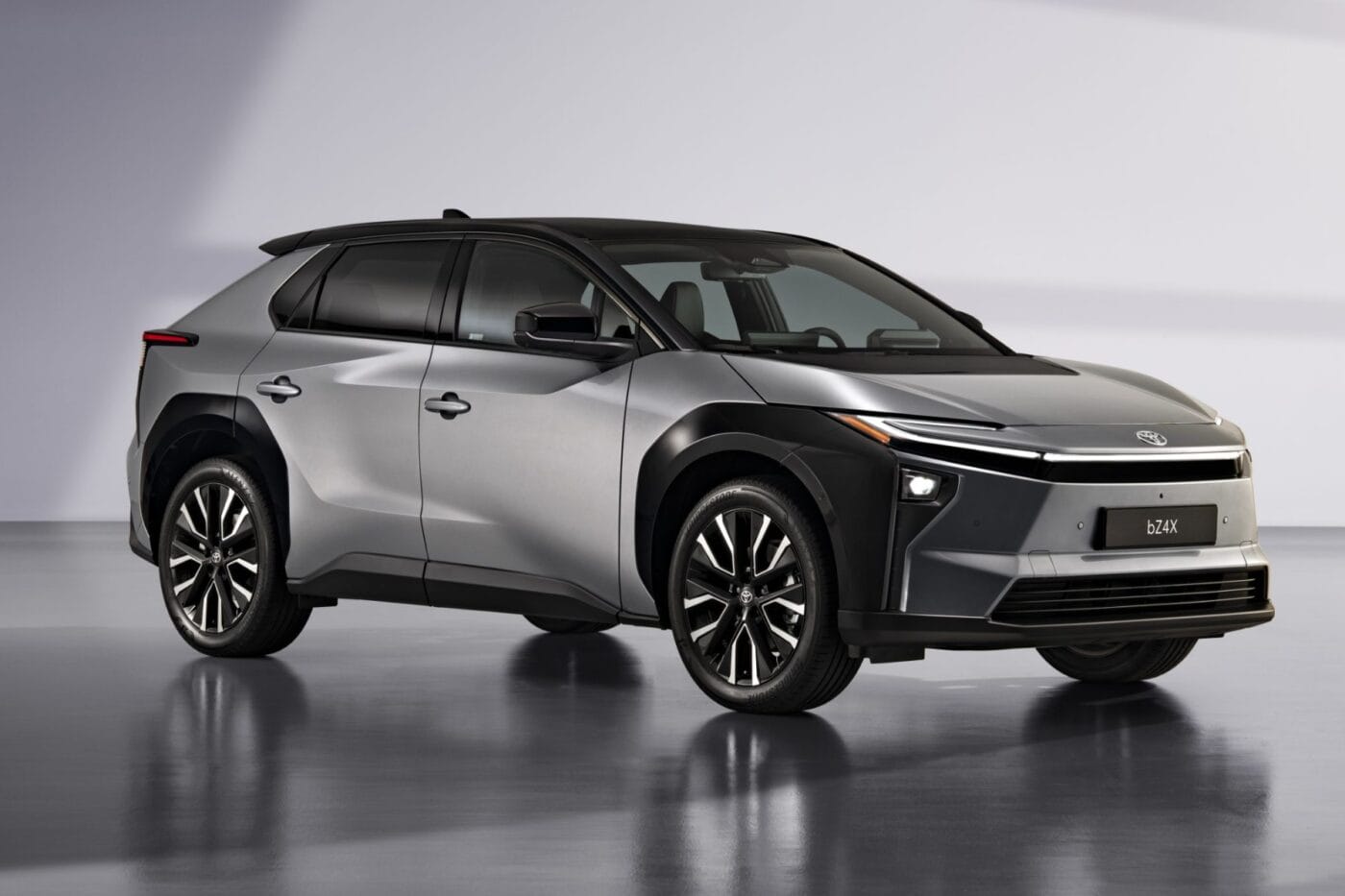
The proposal would double Tokyo’s basic EV subsidy from ¥100,000 to ¥200,000. Existing bonus payments tied to vehicle-to-home or vehicle-to-load capabilities, charging and discharging equipment, renewable electricity contracts and solar power installations would remain unchanged.
Tokyo also plans to adjust how it evaluates vehicle manufacturers for additional subsidy payments. The current system considers factors such as zero-emission vehicle sales, the breadth of electrified model portfolios and wider decarbonisation efforts. At present, Toyota, Nissan and Honda qualify for the highest manufacturer-related incentive of ¥400,000. Tesla, BMW, Mercedes-Benz and Mitsubishi Motors receive ¥300,000, while BYD currently qualifies for ¥100,000.
As reported by Nikkei, the metropolitan government intends to place greater emphasis on manufacturers’ broader green transformation efforts. The maximum score in this category could double from ¥200,000 to ¥400,000, increasing the manufacturer-related subsidy component to as much as ¥600,000.
To fund the changes, Tokyo has earmarked an additional ¥8.3 billion in a supplementary budget due to be submitted to the Tokyo Metropolitan Assembly this month. The final details of the programme are expected after approval later in June.
The planned changes would stack on top of incentives already available from Japan’s national government. Earlier this year, Tokyo raised the maximum national EV subsidy to ¥1.3 million and introduced additional support for vehicles equipped with batteries sourced from Japanese manufacturers.
Toyota and Tesla are expected to be among the main beneficiaries. According to Nikkei, buyers of the Toyota bZ4X could receive the full ¥1.3 million national subsidy alongside the maximum Tokyo incentive. Combined support would therefore reach ¥2.6 million. Based on a list price of around ¥4.8 million, the effective purchase price could fall to approximately ¥2.2 million.
Despite these measures, EV adoption in Japan remains comparatively low. Citing market data, Nikkei reports that battery-electric vehicles accounted for 1.6 per cent of new passenger car sales in 2025. The share increased to 2.5 per cent during the first four months of 2026 but remains well below levels seen in many other major automotive markets.
nikkei.com (paywall)
0 Comments