


UK to relax 2030 EV target
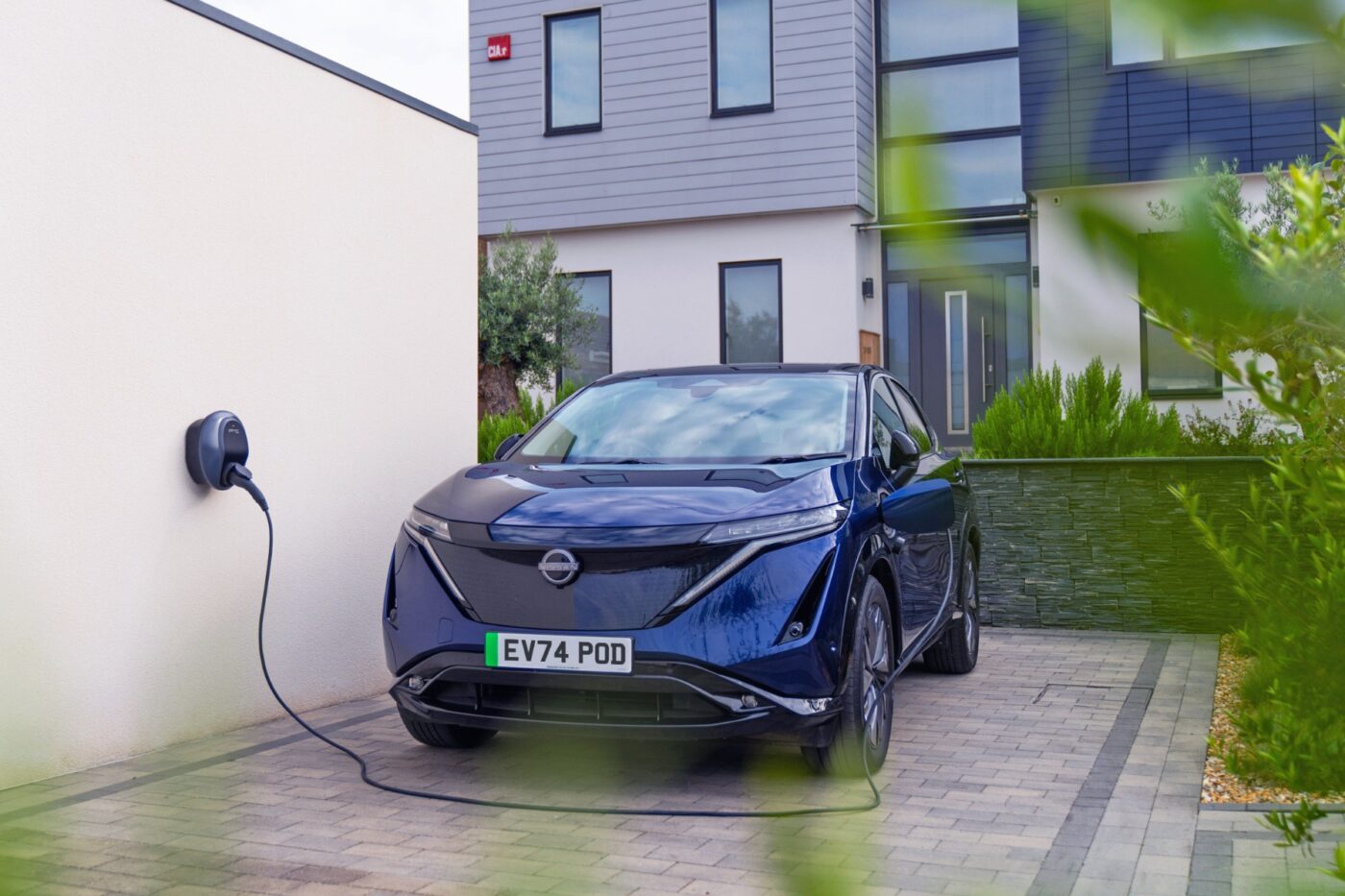
The UK’s ZEV Mandate (Zero Emission Vehicle Mandate) requires automotive manufacturers to annually increase the minimum percentage of new zero-emission cars sold, including battery-electric vehicles or those powered by fuel cells. However, it now appears that current targets of 80 per cent zero-emission vehicles by 2030 will be significantly reduced.
As part of the ongoing review of ZEV sales targets, the 2030 goal is now expected to be lowered to just 50 per cent. This was reported by the Sunday Times, which stated that Prime Minister Keir Starmer has made the decision. According to the report, Starmer, alongside Business Secretary Peter Kyle, has reined in Net Zero Secretary Ed Miliband under pressure from the automotive industry and trade unions.
The decision is said to have been driven by fears of widespread job losses and the potential for automakers to withdraw investments from the UK. Sharon Graham, General Secretary of the Unite union, claimed last week that the ZEV mandate is “significantly contributing to the loss of automotive jobs in Britain. This is a clear fact. The targets must be radically reduced.” She also warned: “If the government sits on its hands it will be responsible for the decimation of the automotive industry.”
However, the new ZEV sales target of 50 per cent for 2030 is not yet finalised. The government will now launch a consultation to determine the revised 2030 target. This process could take months before a decision is reached; according to another BBC report, values between 50 per cent and 70 per cent are being considered.
The ZEV mandate was initially introduced in 2020 by then-Prime Minister Boris Johnson. It came into force in 2024, requiring manufacturers to ensure that 22 per cent of new car sales were zero-emission vehicles in the first year. This proportion rose to 28 per cent in 2025 and 33 per cent in 2026. The target was set to increase annually thereafter, reaching 80 per cent in 2030 and 100 per cent in 2035, with no pure internal combustion engine vehicles to be sold from 2030 onwards – only electrified vehicles. However, even this target, along with the 2035 goal, could still change, particularly since the EU has also backtracked on its 100 per cent target for 2035.
thetimes.com, cardealermagazine.co.uk, cityam.co.uk, bbc.co.uk
2 Comments