


Small, electric, and quick to charge: Smart’s bid to reinvent the two-seater
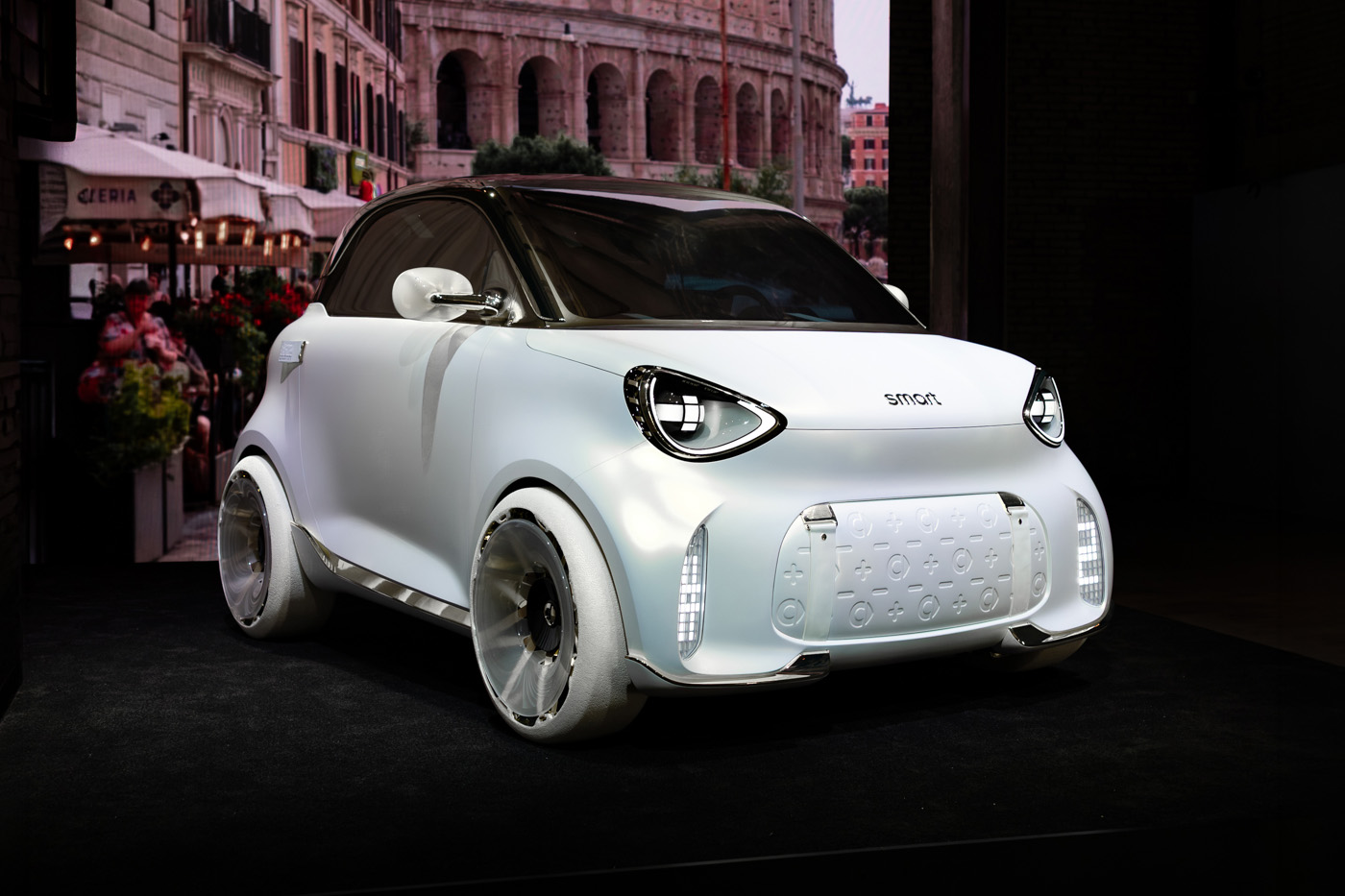
Rome remains something of an open-air museum for the Smart Fortwo. Wander narrow streets of the Italian capital and you’ll encounter them at every turn: parked diagonally into impossibly small parking spaces, squeezed between scooters, delivery vans, and historic walls. There, the internal combustion-powered Fortwo is not just a car – it is part of the cityscape. It’s fitting, then, that Smart recently chose Rome to reveal new details about the upcoming Smart #2 to hundreds of journalists from around the world. If the electric two-seater is to prove it can carry the old concept into the future, there is no better place to do so than the Italian capital.
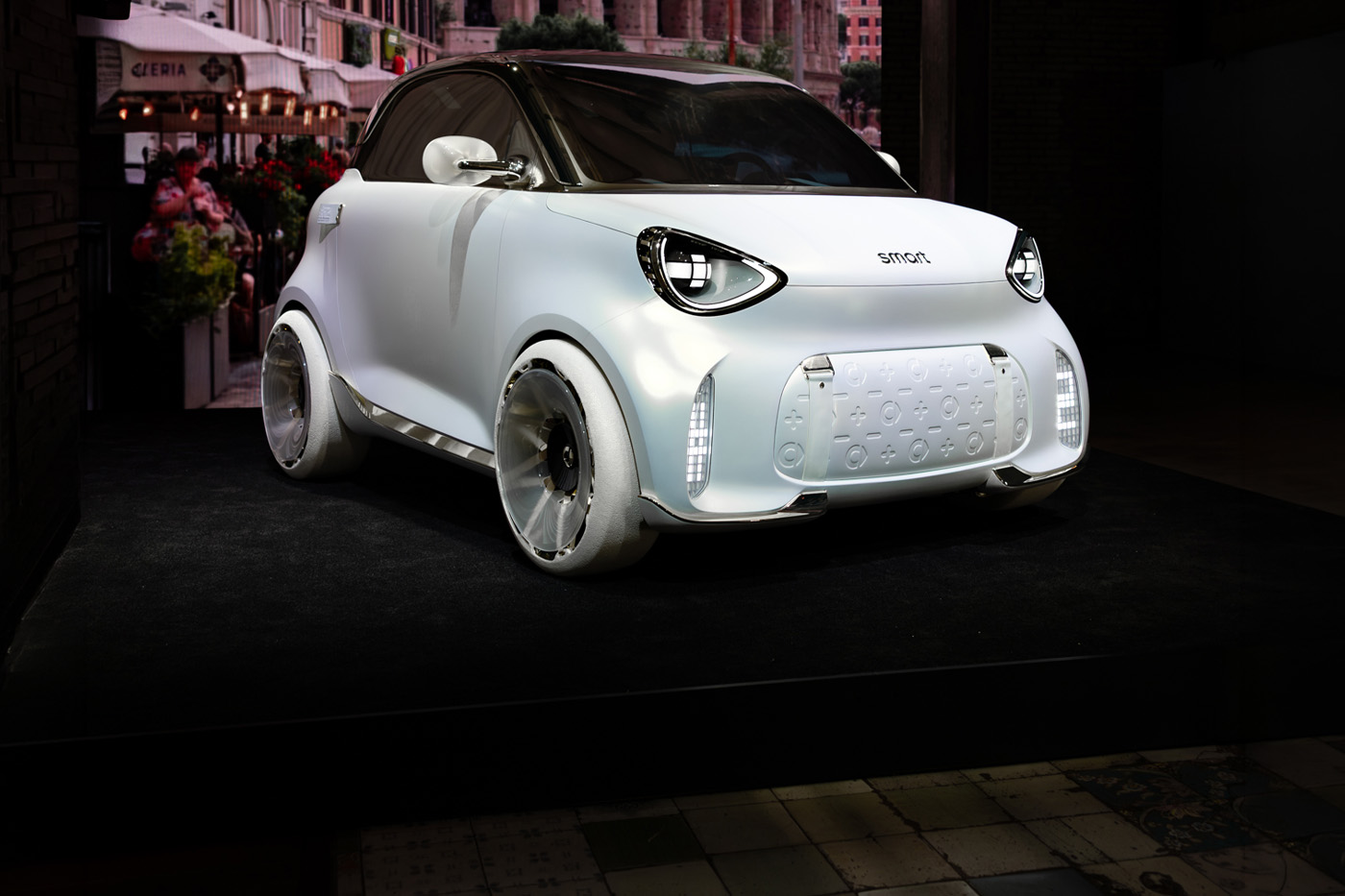
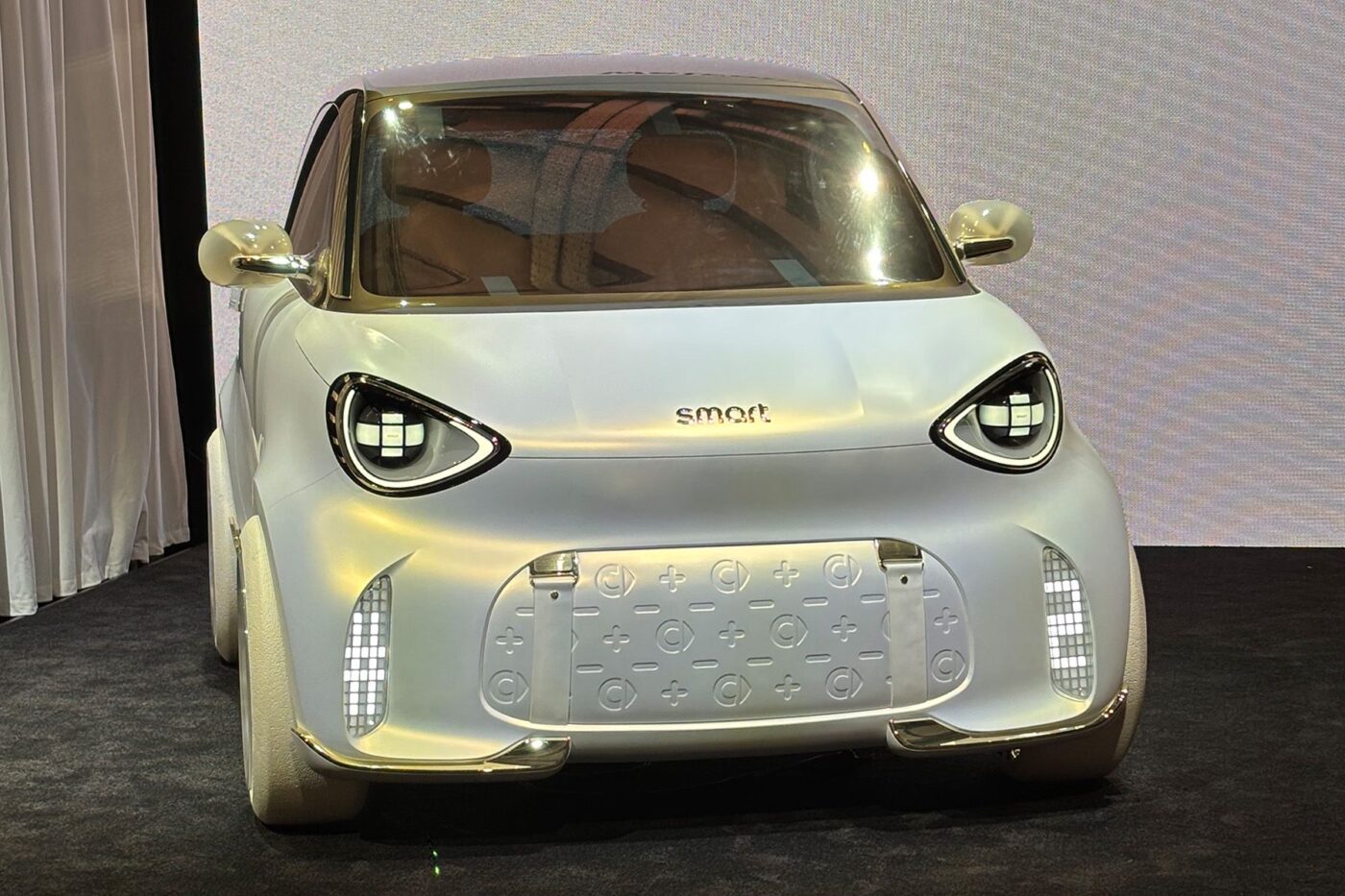
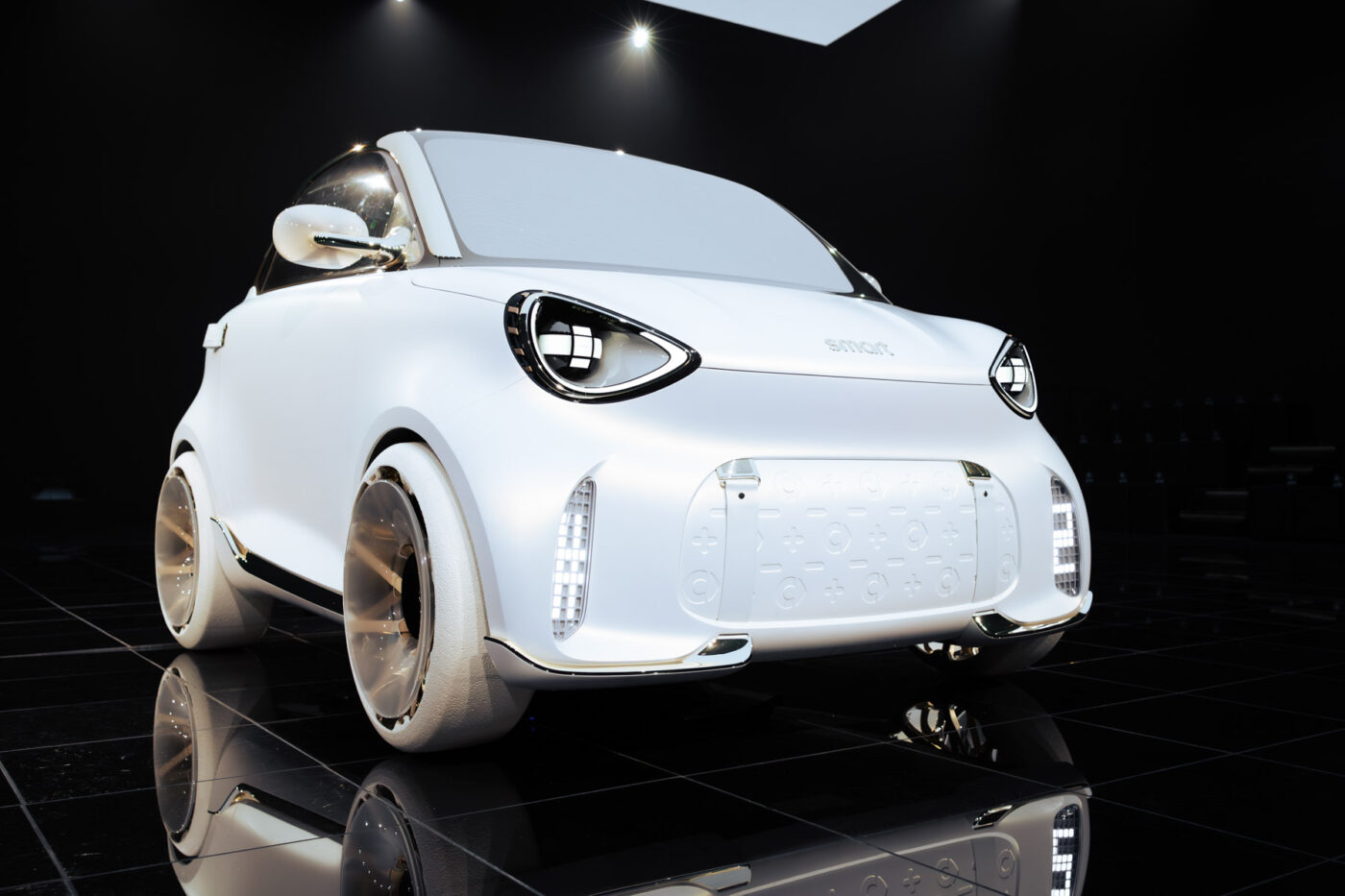
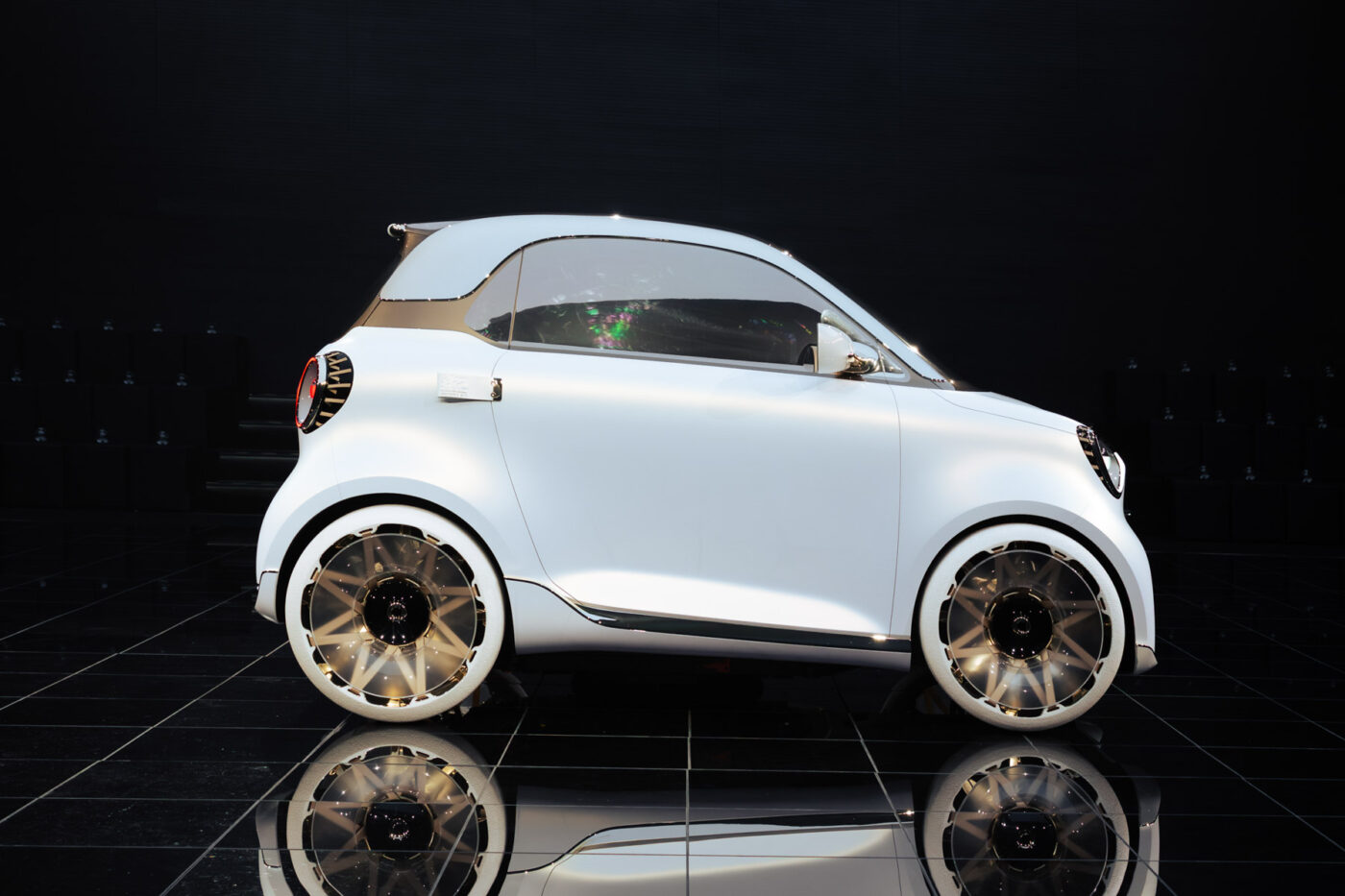
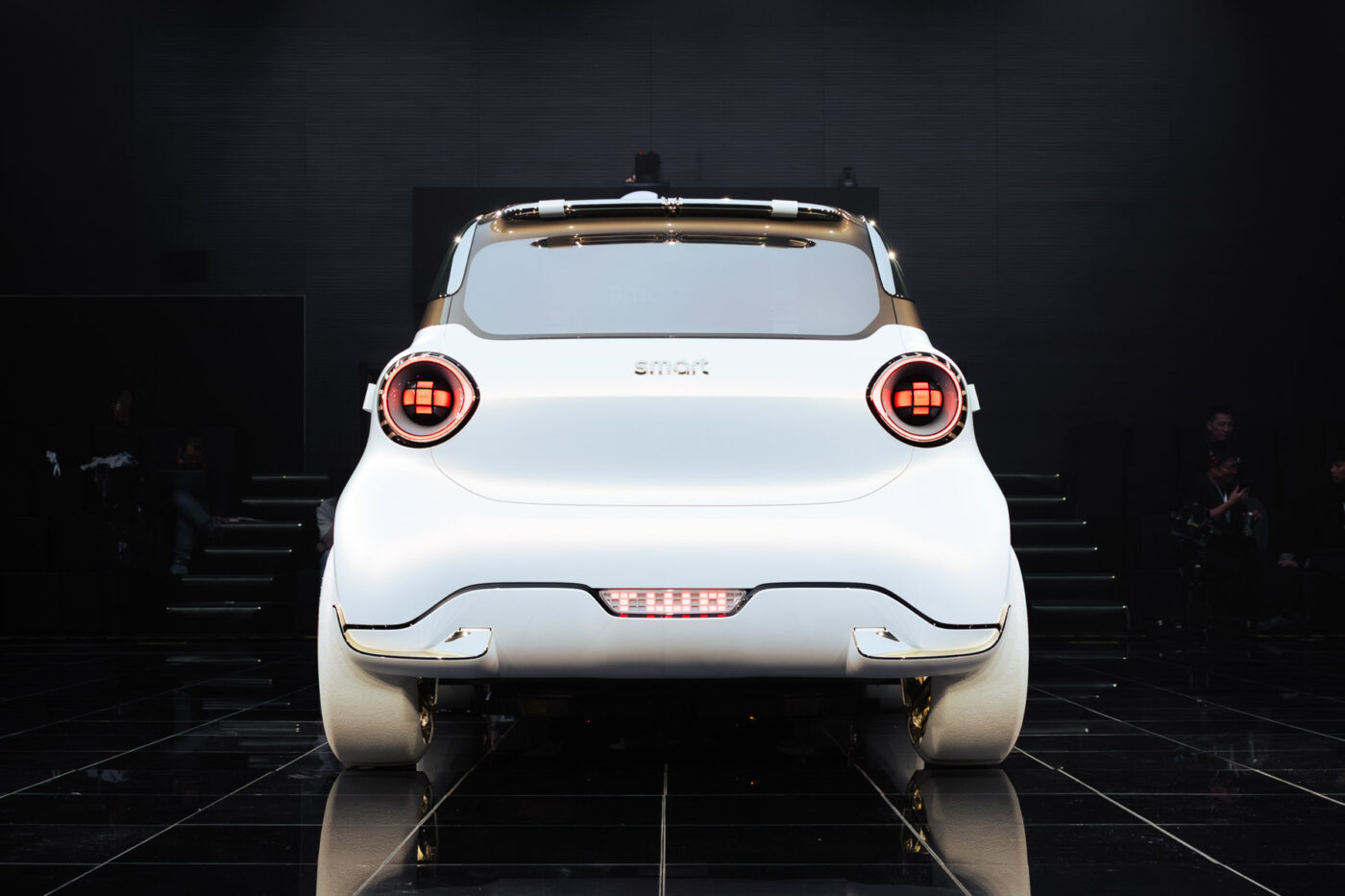
At the event in Rome, Smart presented the Concept #2 in Europe for the first time, while teasing some technical details about the production model. Despite the fact that the upcoming Smart #2 is set to debut at the Paris Motor Show this autumn, only the concept vehicle was on display in Rome – with final homologation figures for the production model are still pending. Nevertheless, the direction is clear: Smart aims to build an ultra-compact electric car that is not merely small but leverages its size as a technical advantage.
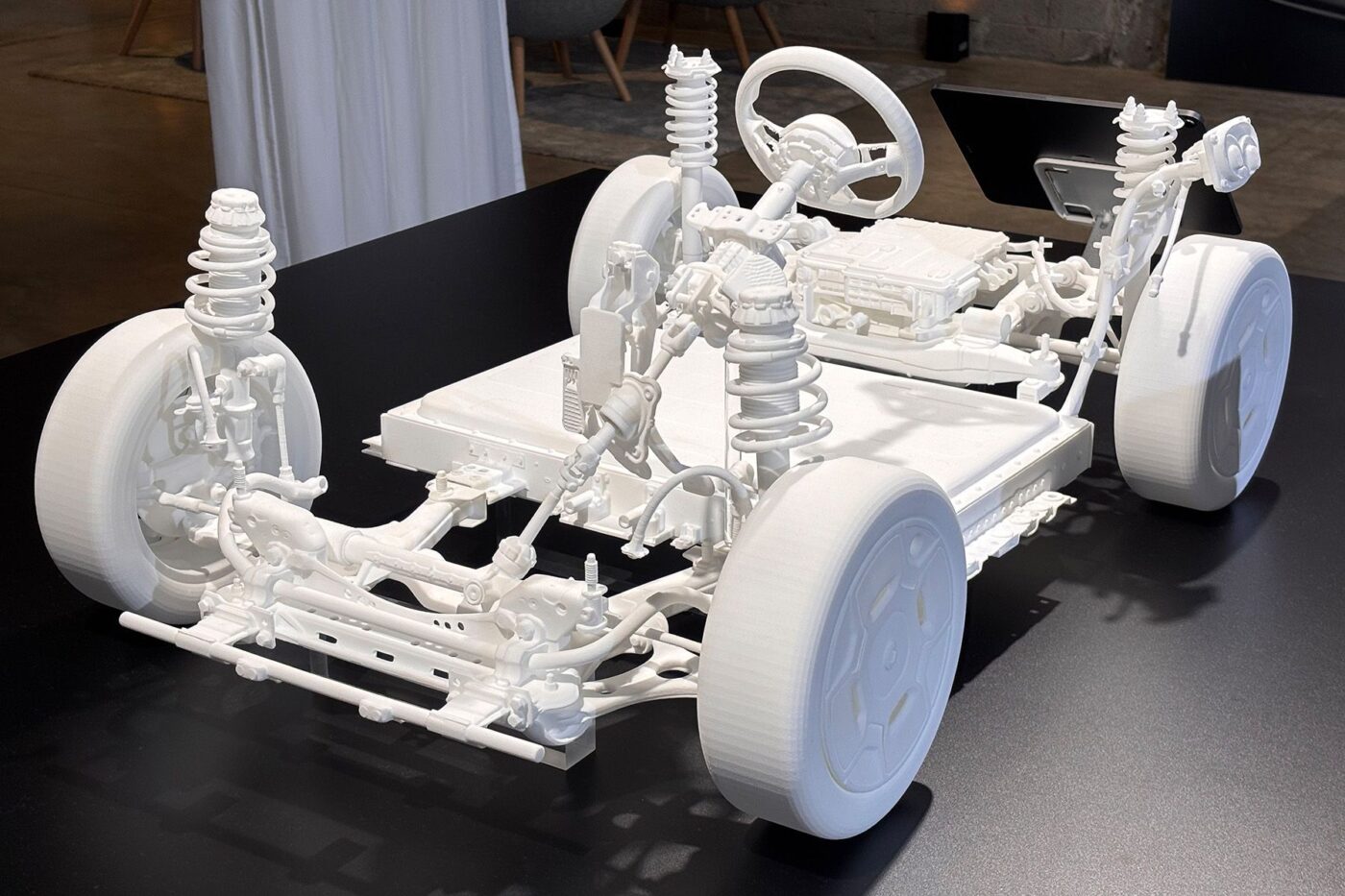
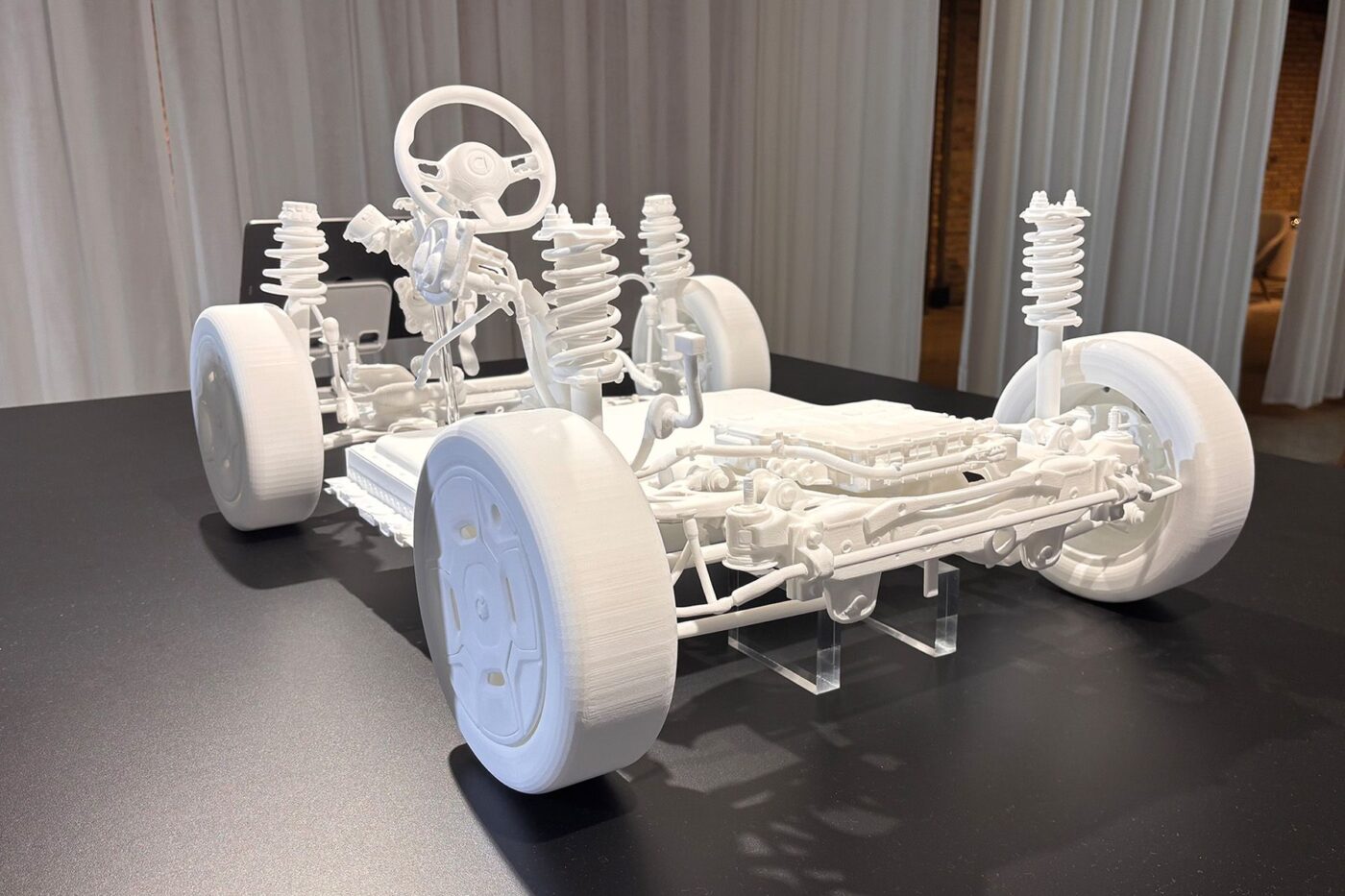
At the heart of this effort is a newly developed platform called the Electric Compact Architecture, or ECA. According to Smart, it was designed specifically for an ultra-compact, fully electric vehicle. This is a crucial point: the #2 was intentionally not built on a downsized standard platform but on an architecture engineered from the ground up for short exterior dimensions, electric components, and maximum space utilisation.
Turning circle and packaging as key strengths
One core feature underscores this ambition: the upcoming Smart #2 is set to achieve a turning circle of just 6.95 metres from kerb to kerb. This matches the turning circle of the last Smart two-seater and is a strong selling point for urban driving – and not just in Rome. For private customers, it means easier manoeuvring, simpler parking, and less stress in tight streets. For commercial users, such as urban delivery and care services or car-sharing providers, such a tight turning circle is also highly practical. Here, the focus is not only on the time spent searching for parking but also on spatial efficiency in everyday use cases.
Technically, this is no small feat. A battery-electric vehicle introduces different packaging constraints compared to a combustion-powered microcar, due to the battery, crash safety requirements, and electrical auxiliary systems. Smart highlights its short overhangs, compact technical layout, and a chassis designed specifically for electric drive. The clever design was demonstrated in Rome using a model of the platform.
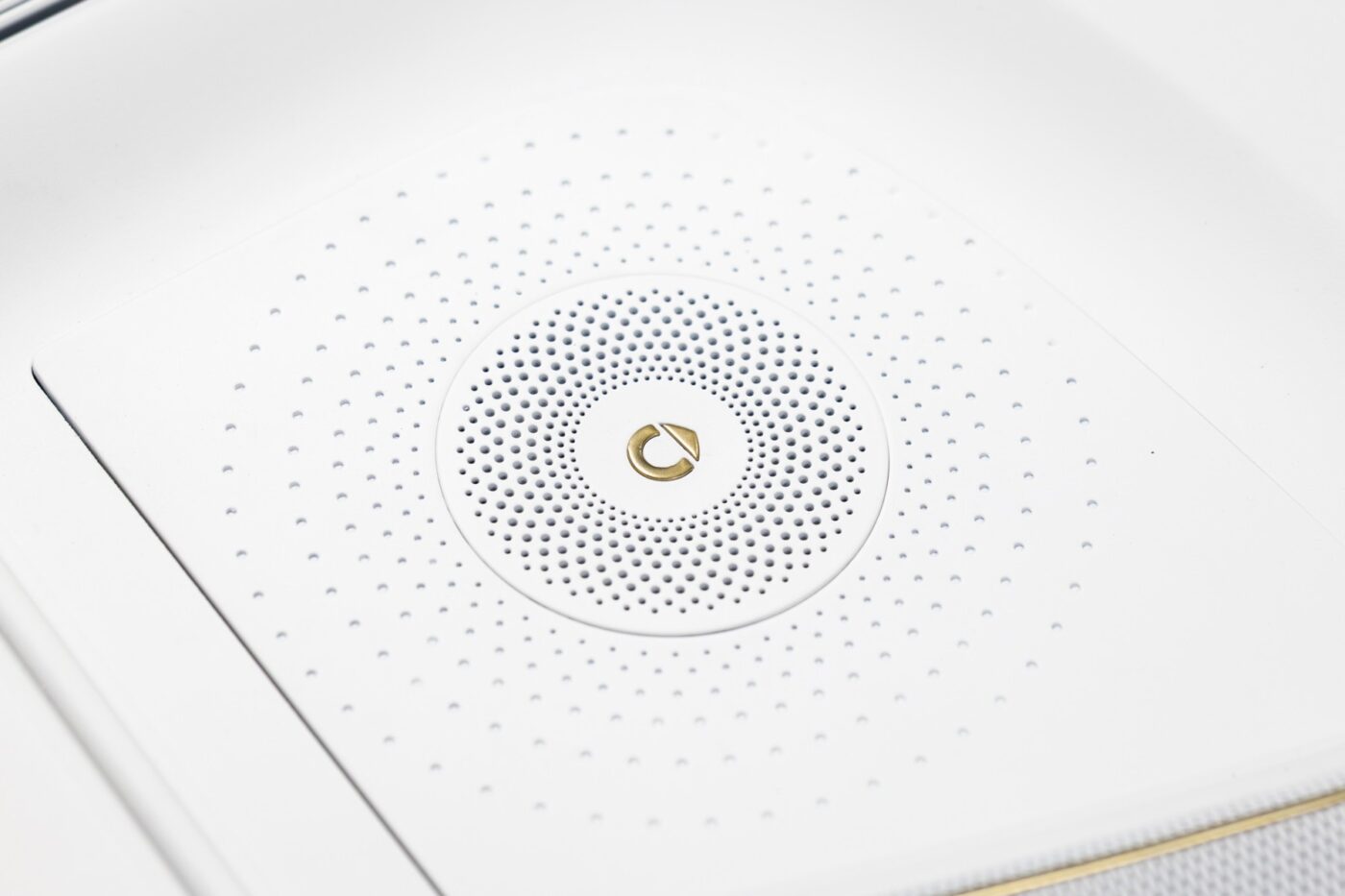
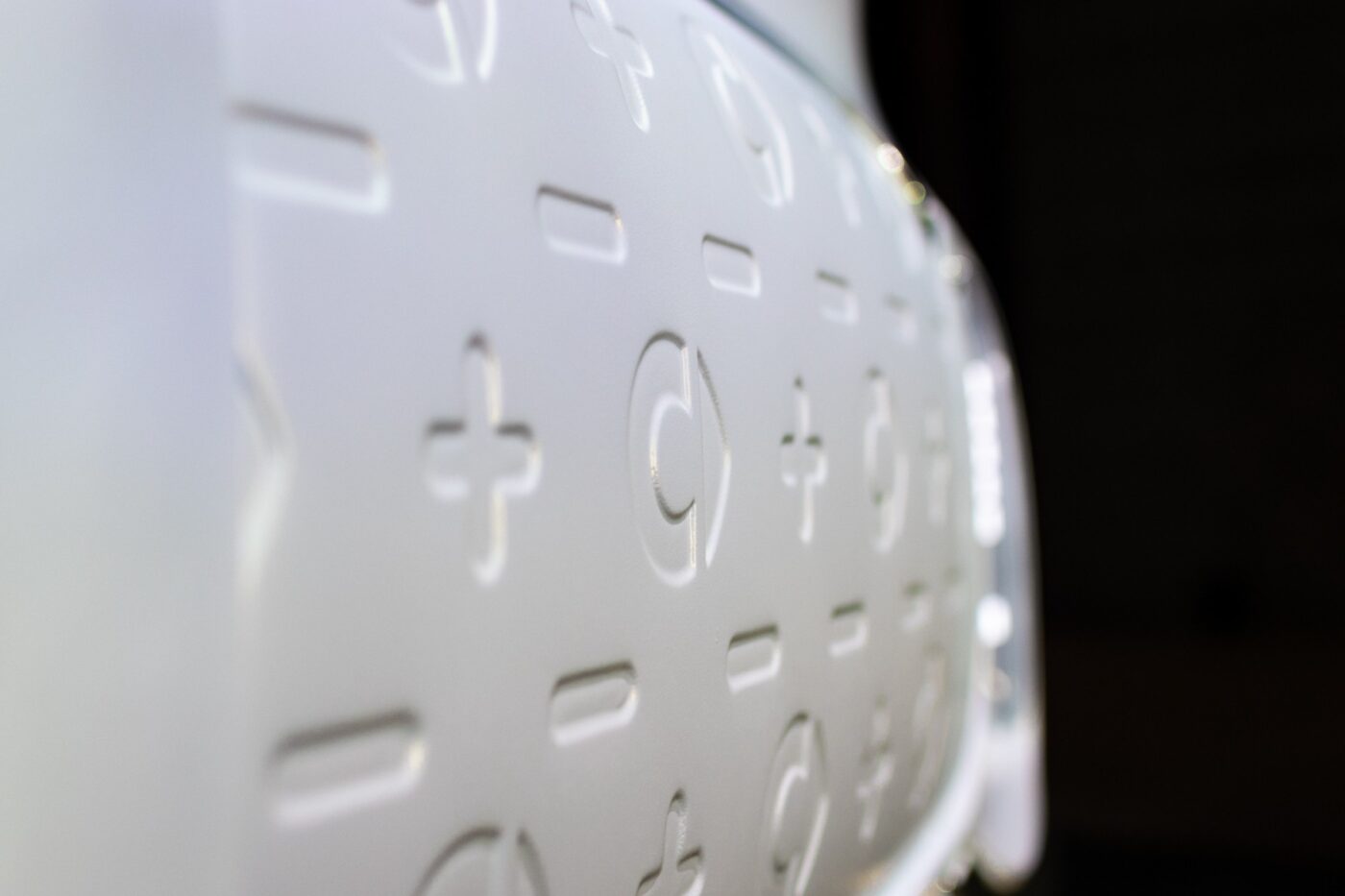
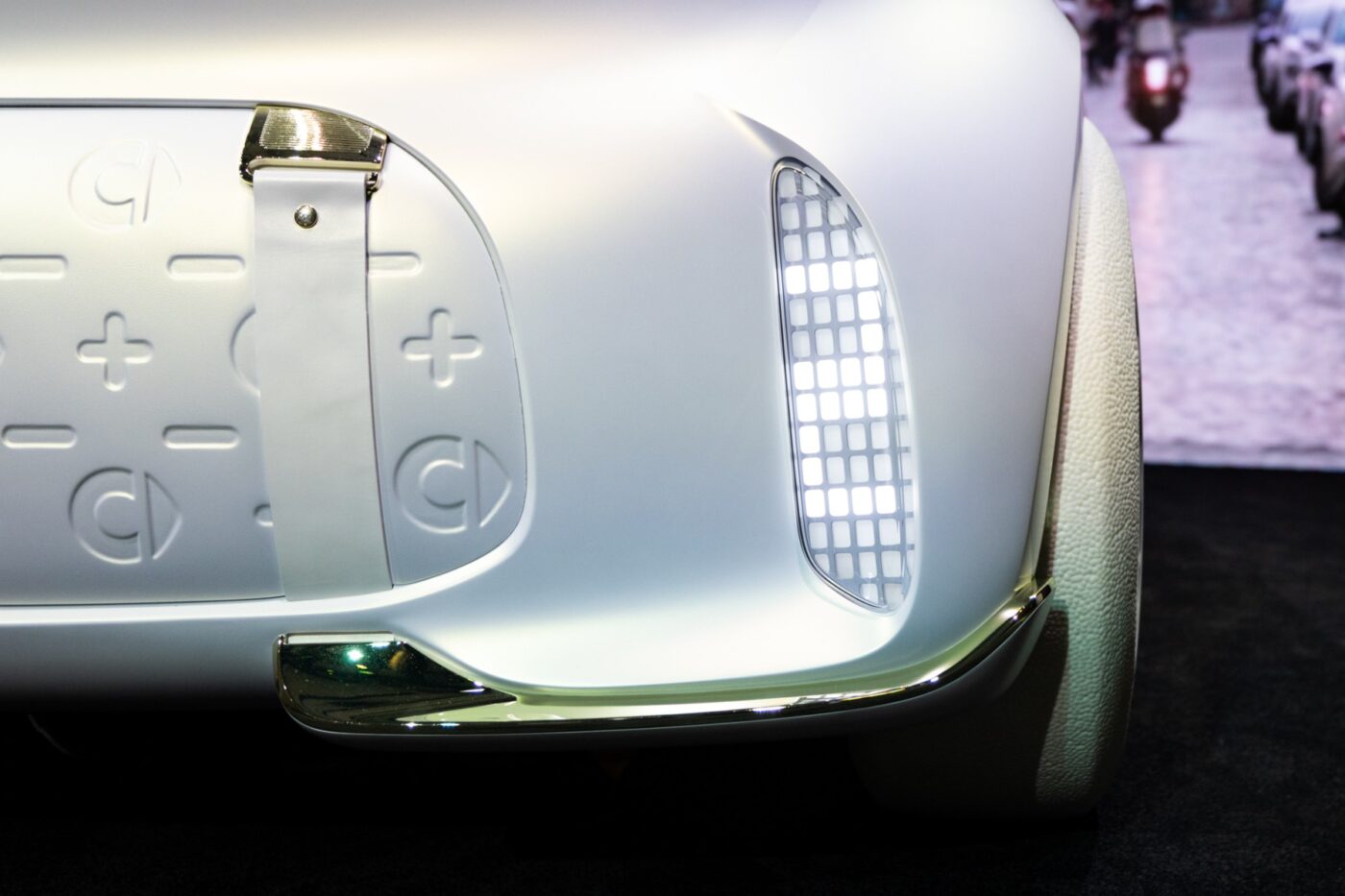
Tridion cell to reinforce safety
On the safety front, Smart is relying on tried-and-tested technology. The Tridion cell is making a return. Previously, it was one of the most visible features of the Fortwo and a key part of the brand’s identity. For the upcoming #2, this principle has been transferred to a new generation. Smart describes it as a robust structure that combines compact exterior dimensions with modern safety requirements. This is particularly critical for a very short electric vehicle: the battery must be protected, while crash structures must function effectively within a small vehicle body. For B2C customers, this is about trust in a small car. For B2B customers, it also raises questions about how safety, repair costs, and insurance groups will impact operational costs.
Regarding energy storage, Smart has set a target of 35.7kWh. For a microcar, this is quite remarkable – but it also requires explanation. On one hand, 35.7kWh enables a practical range for everyday use; on the other, the battery’s size and weight place demands on efficiency, cost, and packaging. It is also surprising that Smart has aligned almost exactly with the battery size found in the entry-level versions of Volkswagen Group’s new MEB-Entry models. For instance, VW claims up to 329km of range for the base model of the ID. Polo. Smart is targeting around 300km under the WLTP cycle, though this figure has yet to be certified. If achieved in the production model, the #2 would be on par with VW’s four-door electric models. This would position the Smart not merely as a short-distance vehicle. While conceptually designed for urban use, it could also handle commutes, suburban trips, and occasional longer journeys – just like the combustion-powered Smart Fortwo of the past.
10 to 80 per cent in under 20 minutes
Charging performance is equally impressive for a car of this size. Smart promises DC fast charging from 10 to 80 per cent in under 20 minutes. This is not just a brochure figure but an indication that the battery’s thermal management is well-engineered. However, Smart’s representatives in Rome did not disclose further details about heat management to electrive. For small batteries, charging power is particularly sensitive: high charging rates generate significant heat, which must be effectively dissipated from the battery. Otherwise, charging performance can drop quickly, especially during repeated fast-charging sessions or in high ambient temperatures, such as those in Southern Europe.
For private users, this determines whether the advertised charging time holds up on a holiday trip. For commercial operators, it is about predictability, downtime, and charging windows during daily operations. In practice, Smart’s robust charging performance also serves another purpose: in cities like Rome, where charging infrastructure remains relatively sparse, users could cover their weekly needs with a single fast-charging stop during a shopping trip, according to Smart’s European developers. This would eliminate the frequent search for charging opportunities.
Smart remains tight-lipped about the drivetrain itself. The focus is on “maximum manoeuvrability in confined spaces”. This could mean many things: instant throttle response, low weight, strong traction, direct steering, or simply an agile driving feel in urban traffic. For an electric two-seater, dynamism does not necessarily equate to high power. More important is how harmoniously the drivetrain, recuperation, and chassis work together. In urban stop-and-go traffic, a well-tuned electric powertrain can contribute more to the driving experience than sheer acceleration figures.
Continuous bench seat
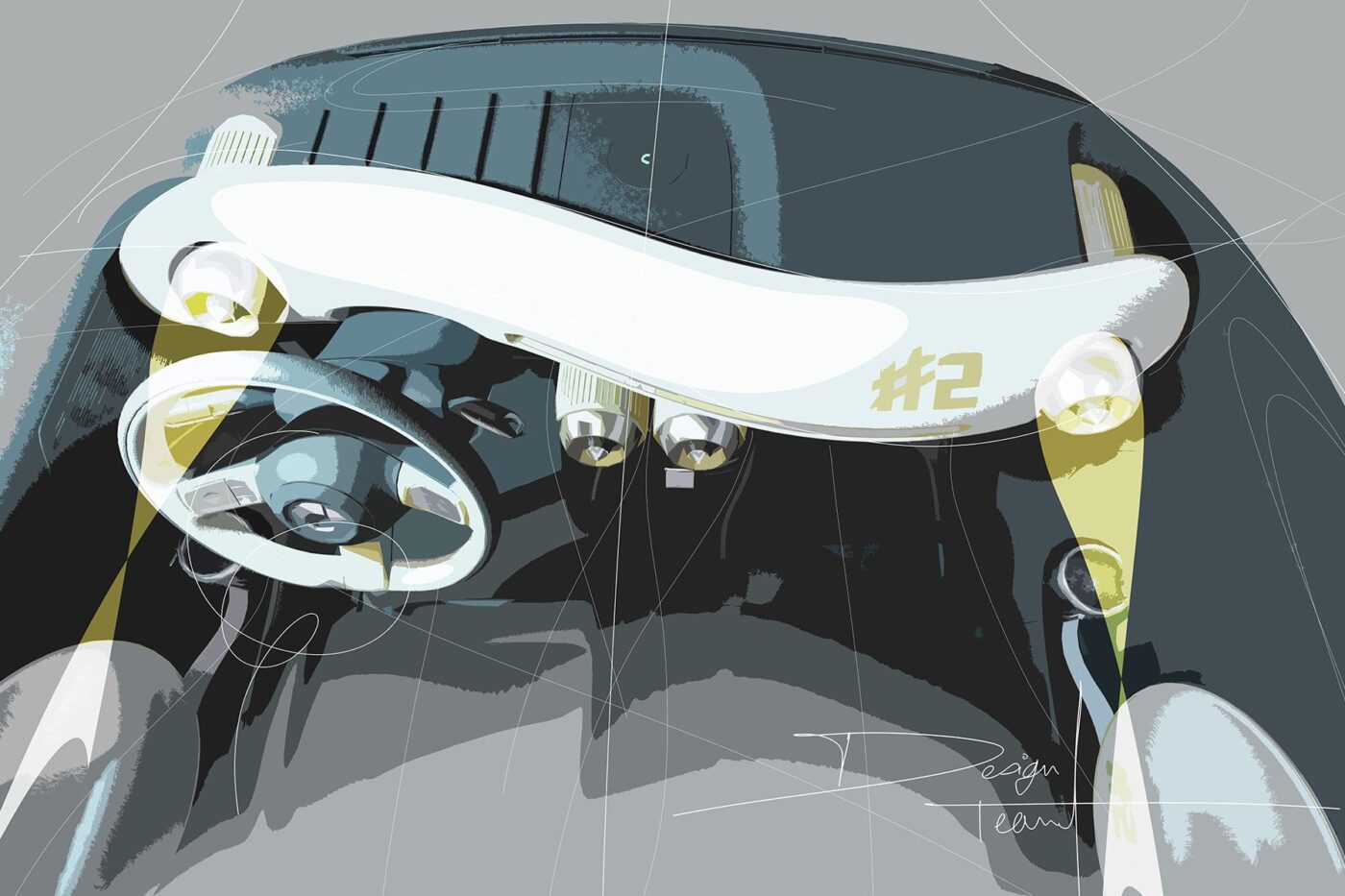
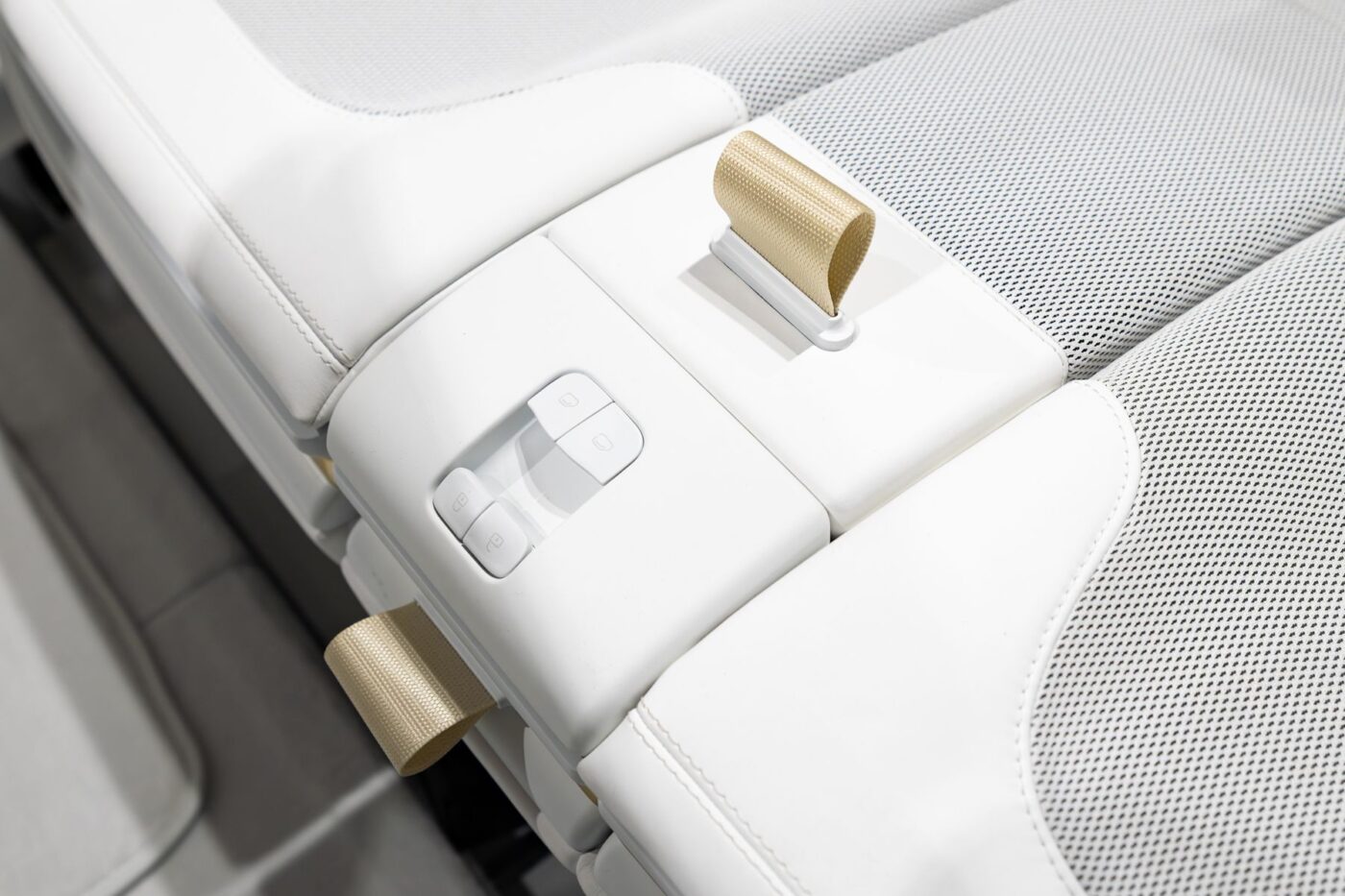
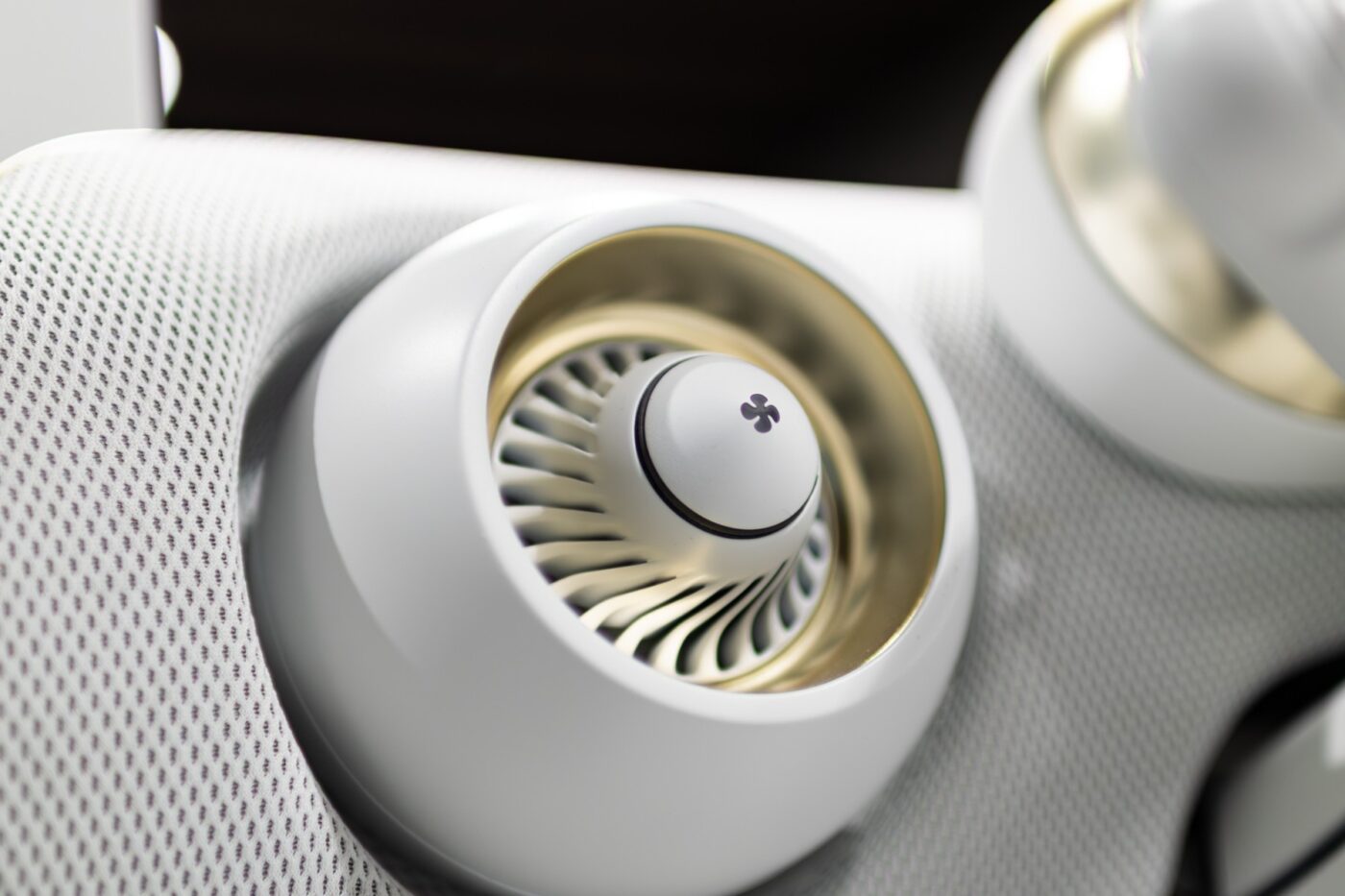
Inside, Smart aims to ensure the limited footprint does not feel like a compromise. The concept features a continuous bench seat, a quasi S-shaped cockpit design, and an open interior architecture – elements that were exclusively previewed in Rome. While this may sound like design rhetoric, it has a practical core: if the visual and functional separation between driver and passenger sides can be reduced, a very small car can feel more spacious. The continuous bench seat also simplifies entry, as occupants can slide across from the passenger side to the driver’s seat if needed – a major advantage in tight parking spaces. The S-shaped cockpit is intended to combine orientation, usability, and spatial efficiency.
The Smart #2 can be critically assessed from two perspectives. From a customer standpoint, Smart is tapping into a real need: small electric cars have become rare in Europe, even as cities offer less space and many people do not require a large SUV. An electric two-seater with around 300km of range, fast charging, and an ultra-tight turning circle could fill a genuine gap. At the same time, expectations regarding price, quality, and practicality are higher than ever. Nostalgia alone will not be enough.
This brings us to the most pressing unanswered question: the price. As electrive has learned, Smart Europe is continuing its efforts to offer the base model of the upcoming Smart #2 at an entry price below €20,000. If successful, the electric two-seater would not only boast nostalgic appeal and technical distinctiveness but also a compelling market argument. In an era where affordable small electric cars are urgently needed in Europe, the Smart #2 could be more than just a revival of an icon. It could once again become what the Fortwo was in cities like Rome: a perfect solution for too little space. And this time, without emissions.


2 Comments