


MG announces new PHEV technology with semi-solid-state batteries for 2027
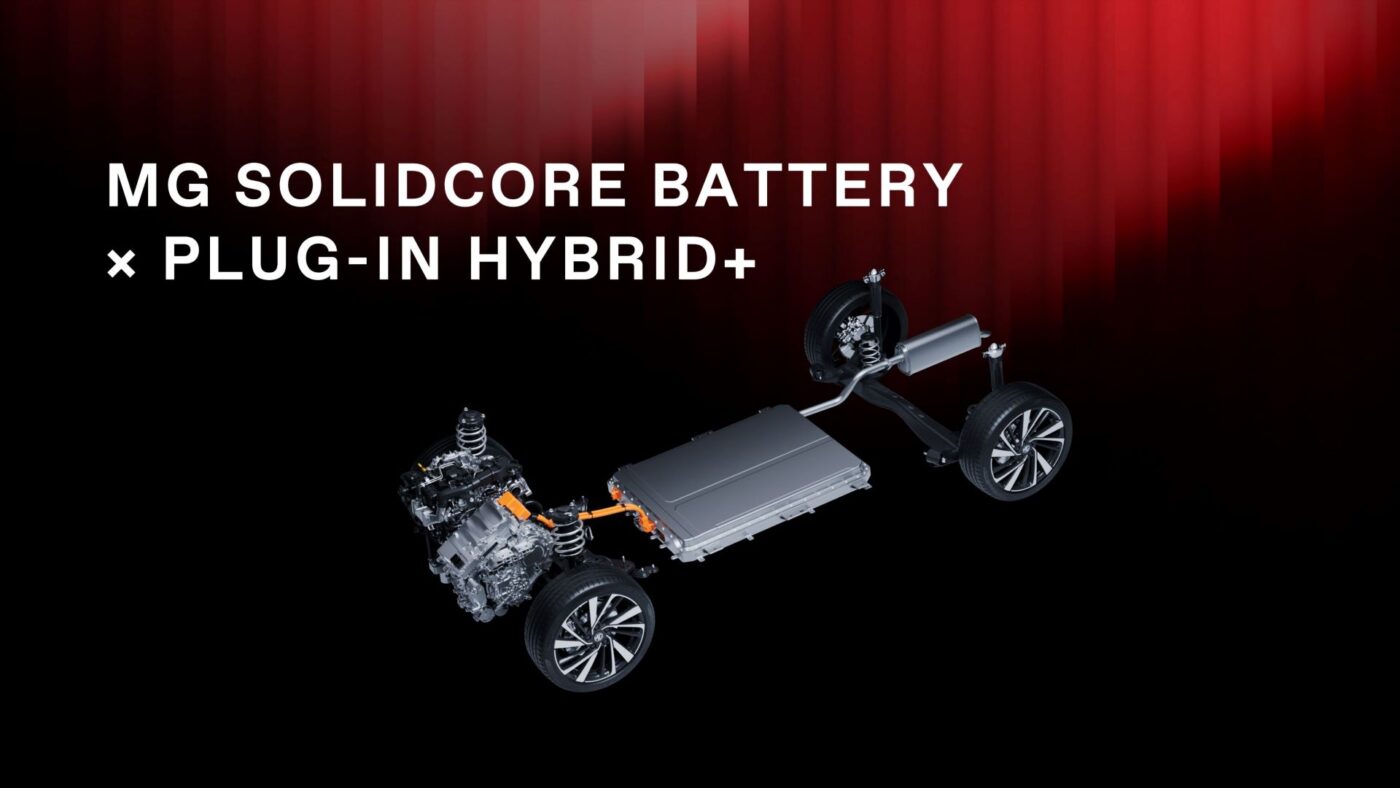
At the heart of MG’s presented corporate strategy are a new plug-in hybrid generation, semi-solid-state batteries for future plug-in hybrid models, and the further development of automated driving functions, including test drives with SAE Level 4 robotaxis. However, MG’s official statement on its technology strategy does not address the future role of battery-electric vehicles. Most of the announced technologies are set to be introduced gradually in production vehicles from 2027 onwards. Leading the charge is the new ‘Plug-in Hybrid+’ generation, which is scheduled to debut in the MG ZS Plug-in Hybrid+ in 2027.
The powertrain combines newly developed 1.1- and 1.5-litre turbocharged petrol engines with a new hybrid transmission that automatically switches between electric driving, hybrid operation, and direct combustion engine mode depending on the driving situation. According to MG, the engines achieve a thermal efficiency of over 42 per cent and 43 per cent, respectively. The sprint from 0 to 100 kilometres per hour is expected to take less than six seconds. In parallel, the introduction of a new SolidCore battery technology for all future ‘Plug-in Hybrid+’ models is planned. The semi-solid-state battery is designed to offer higher energy efficiency, faster power delivery, and more stable performance at low temperatures and low states of charge. According to MG, three new SUV model ranges in the B, C, and D segments will be the first to feature this technology.
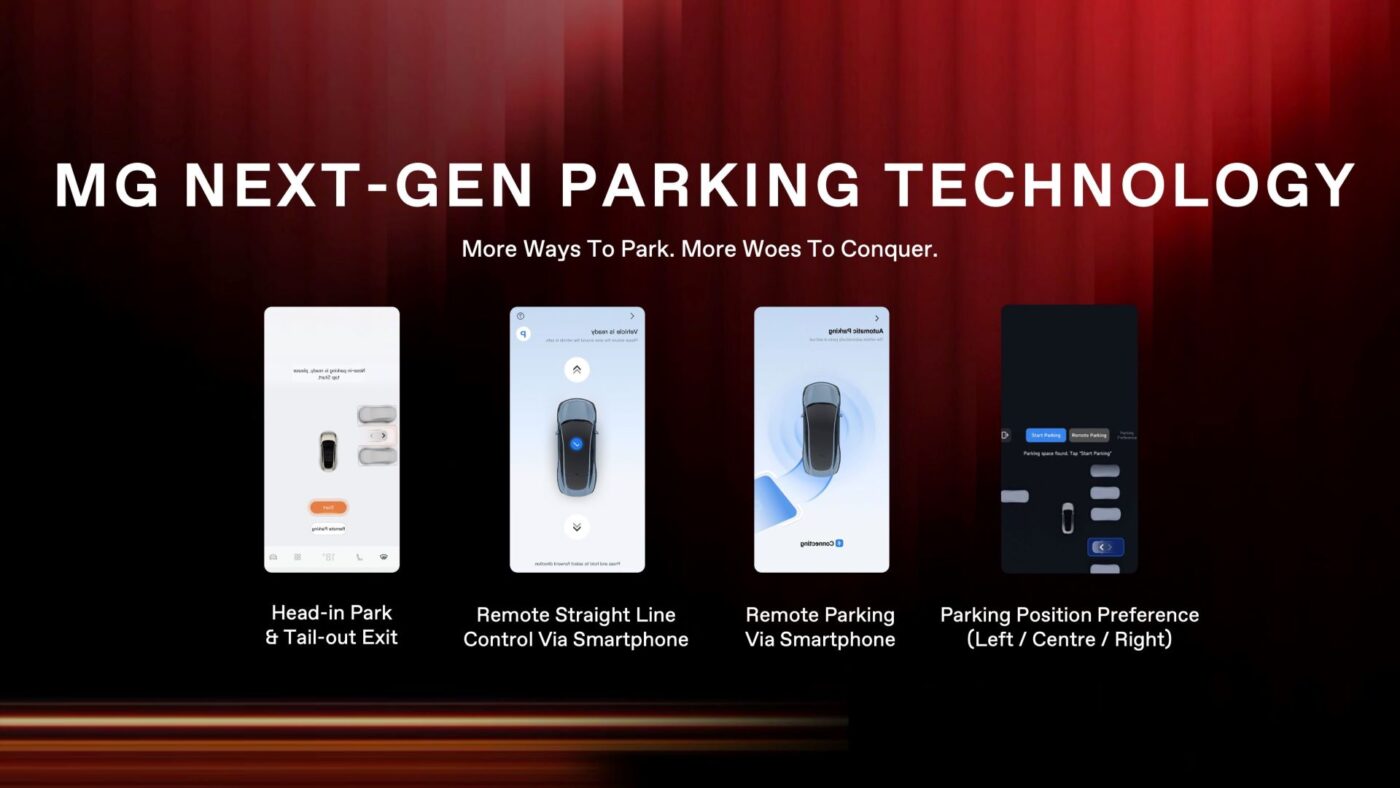
MG is also announcing the next developmental step in driver assistance systems. The foundation for this is built on data from around 1.2 million test kilometres across 24 European countries. By the end of 2027, a new SUV featuring the ‘Navigate On Autopilot’ (NOA) motorway assistant is set to launch. The system assists the driver — under supervision — with tasks such as merging onto motorways, changing lanes, and overtaking. Additionally, MG is advancing automated parking functions and, according to its own statements, is already working on SAE Level 4 robotaxis, which are currently being tested in Europe, the Middle East, and China.
These announcements come at a time when the regulatory framework for automated driving is also evolving. Recently, the UNECE adopted the world’s first internationally harmonised legal framework for fully autonomous vehicles. While MG is initially developing driver assistance systems and SAE Level 4 robotaxis, the new regulations could facilitate the later series deployment of such technologies.
The technology offensive is also part of MG’s Europe strategy. In early June, the SAIC subsidiary announced the construction of its first European plant in Ferrol, Spain, which is scheduled to begin production in 2028. In parallel, MG is developing its driver assistance systems specifically based on European traffic data, pursuing its ‘In Europe, for Europe’ strategy.
0 Comments