

Six more EU countries seek to scale back ICE phase-out
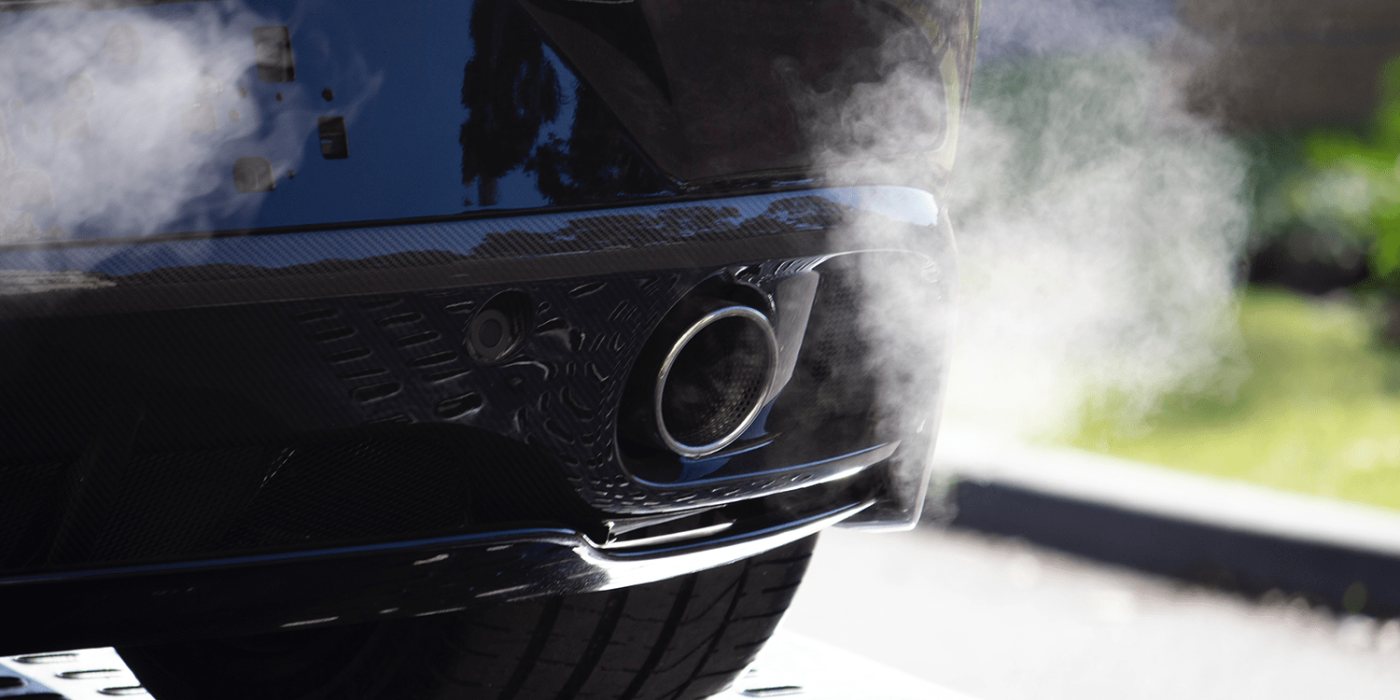
A group of six EU member states is urging the European Commission to permit the sale of hybrid vehicles or vehicles powered by other existing or future technologies ‘that could contribute to the goal of reducing emissions’ even after 2035. This demand is outlined in a joint letter obtained by Reuters, signed by the prime ministers of Bulgaria, the Czech Republic, Hungary, Italy, Poland, and Slovakia. The signatories are also calling for low-carbon and renewable fuels to be included in the EU’s plan to reduce CO₂ emissions in transport.
In the letter, the prime ministers state: “We can and we must pursue our climate goal in an effective way, while not killing our competitiveness in the meanwhile since there is nothing green in an industrial desert.” The EU’s 2023 decision to permit only new cars and light commercial vehicles that emit no CO₂ during operation from 2035 onwards, in line with the bloc’s CO₂ fleet limits, has faced growing scepticism among member states. The recent surge in criticism—and support—is linked to the EU’s upcoming support package for the European automotive industry, which may include a potential softening of the internal combustion engine (ICE) phase-out.
There are strong indications that the EU is reconsidering the regulation. Just last week, EU Transport Commissioner Apostolos Tzitzikostas spoke positively about softening the EU’s CO₂ targets and allowing new ICE vehicles after 2035. In an interview with the German newspaper Handelsblatt, Tzitzikostas responded to a question about whether the EU would permit not only hybrid cars but also conventional ICE vehicles by stating that the Commission is ‘open to all technologies’ and will incorporate ‘all technological developments’ into the new regulation.
His statements were made in the context of recent developments in Germany. The EU Commission is expected to present a new proposal for CO₂ targets from 2035 later this month—more on this below. The review of this target has been anticipated for some time. At the end of November, the CDU/CSU and SPD agreed on a joint position for the German government during a coalition meeting. Chancellor Friedrich Merz (CDU) had previously sent a letter to Commission President Ursula von der Leyen, calling for the EU to consider not only battery-electric vehicles but also plug-in hybrids, vehicles with range extenders, and ‘highly efficient’ ICE vehicles in its revision of fleet limits from 2035.
At first glance, the statements by Transport Commissioner Tzitzikostas suggest that ‘highly efficient’ ICE vehicles could indeed have a future beyond 2035. However, the Greek politician quickly qualified his remarks, stating that the Commission would also examine ‘the role of zero-emission and low-emission fuels, including advanced biofuels.’ Two additional Commission officials reportedly confirmed to Handelsblatt that ‘traditional combustion engines would be permitted, provided they are fuelled exclusively with biofuels or e-fuels.’ This qualification was not made by Merz, which suggests that the Chancellor aims to allow ‘highly efficient’ ICE vehicles to run on fossil fuels.
Clarity on this critical issue is imminent. The EU Commission had initially planned to present its new ‘Auto Package’ with revised CO₂ fleet limits on 10 December. However, Reuters, citing insiders, reports that the publication has been postponed to 16 December—though this date may still change. EU Transport Commissioner Tzitzikostas hinted last week that a delay into January was possible, citing the package’s scope and significance as it is ‘decisive for the European industry, citizens, and our competitiveness.’
Incidentally, the ‘Auto Package’ is expected to include not only new regulations on CO₂ targets but also ‘new incentives for electric vehicles in corporate fleets.’ The exact details remain unclear. A 100% electric vehicle quota for corporate fleets from 2030 has long been discussed, which would mean that only private customers could purchase ‘highly efficient’ ICE vehicles and hybrids thereafter. The car rental industry is already vehemently opposing the potential EU requirements.
reuters.com (letter), reuters.com (‘Auto Package’)
This article was first published by Cora Werwitzke for electrive’s German edition.

1 Comment