


Brazil ends preferential tariffs for EV assembly kits
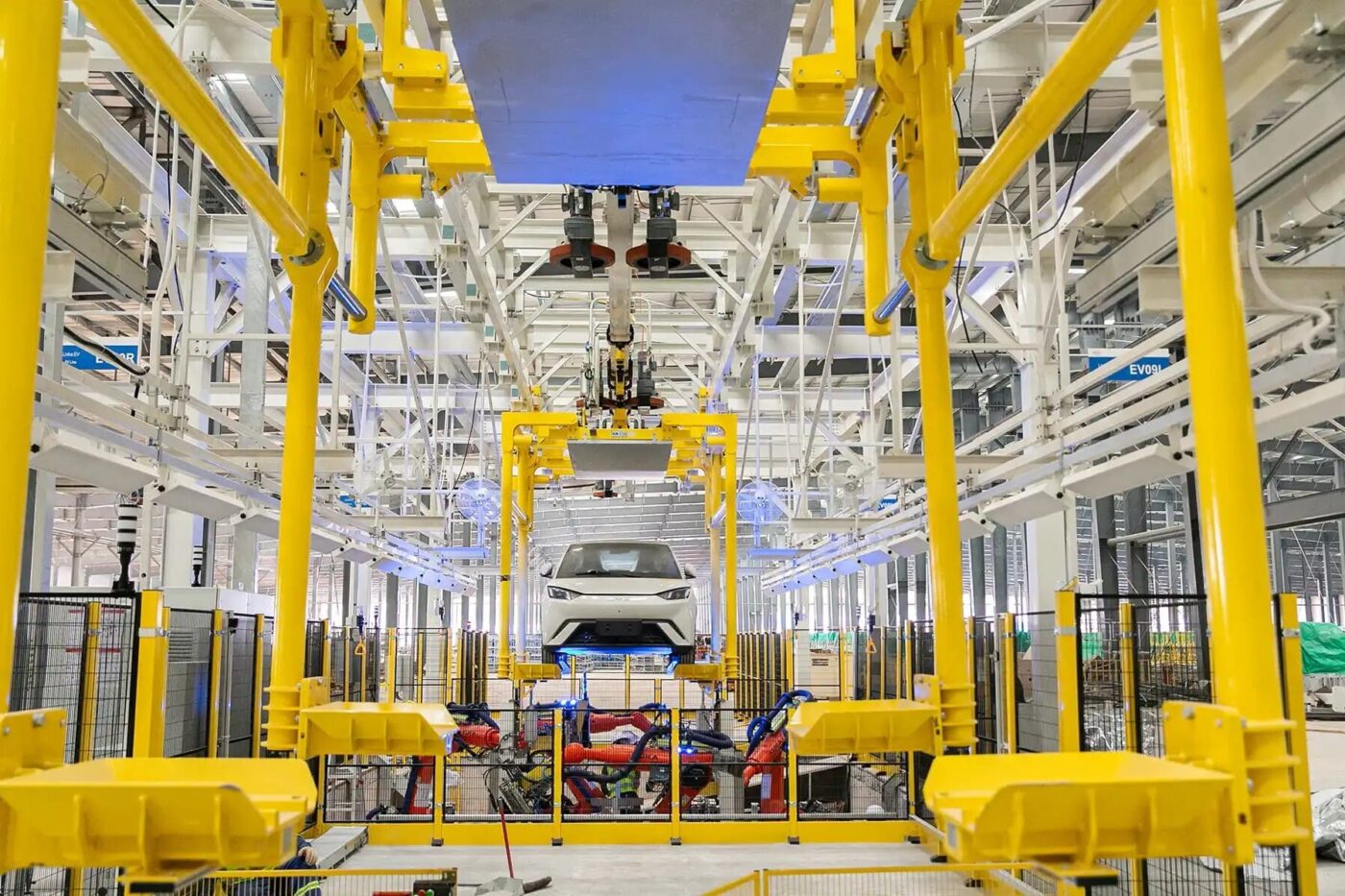
It was already known in July 2025 that the preferential tariff rate for EV assembly kits would expire at the end of January 2026. At the time, Brazil’s trade committee, Gecex-Camex, had decided to bring forward the measure—originally planned for July 2028—following a dispute with BYD. Until then, EV assembly kits had been subject to a duty of just 14 per cent. Gecex-Camex had also approved an additional duty-free quota worth 463 million US dollars for CKD and SKD imports, valid for six months.
What was initially uncertain has now been confirmed: importing EV assembly kits for the SKD (Semi Knocked Down) and CKD (Completely Knocked Down) processes has become significantly more expensive. In these processes, vehicles are partially or completely disassembled after production at a foreign plant, transported to the importing country in parts, and reassembled locally. The key difference between SKD and CKD lies in the degree of disassembly.
It remains unclear exactly which tariff rate will apply to CKD and SKD kits for electric vehicles. However, Brazilian media reports suggest that the tariffs will be increased in stages, reaching 35 per cent by 1 January 2027. This rate will then match the tariff for fully assembled electric vehicles.
The disparity in tariff rates for fully assembled EVs and assembly kits emerged after Brazil introduced a 10 per cent tariff on electric vehicles in January 2024. By July 2025, this rate had risen to 25 per cent, while CKD and SKD kits continued to benefit from a reduced rate of 14 per cent. From 1 July 2026, the tariff for fully assembled EVs will increase to 35 per cent, with assembly kits set to match this rate from 1 January 2027.
Brazil’s decision to end the preferential rates for CKD and SKD kits earlier than planned has already prompted BYD to accelerate the expansion of its new vehicle plant in Camaçari. Initially operating under the SKD process, the plant is scheduled to transition to more complex manufacturing stages—such as welding, painting, and stamping—in the second half of 2026. This shift will reduce BYD’s reliance on imports, boost local value creation, and create new jobs. Currently, BYD states the plant’s annual capacity as 150,000 vehicles, with plans to double this to 300,000 units in the next expansion phase.
Anfavea, the Brazilian association of vehicle manufacturers (which includes VW, Stellantis, GM, and Toyota), had long campaigned against the general tariff preferences for electric vehicles and demanded the standard 35 per cent tariff. The organisation also opposed the preferential rates for assembly kits, warning that failure to adjust the tariffs could lead to reduced investments in Brazil if the market were flooded with low-tariff imported vehicles and kits.
scmp.com, insideevs.uol.com.br (in Portuguese)
0 Comments