


Mahle reduces energy demand of EV heating systems
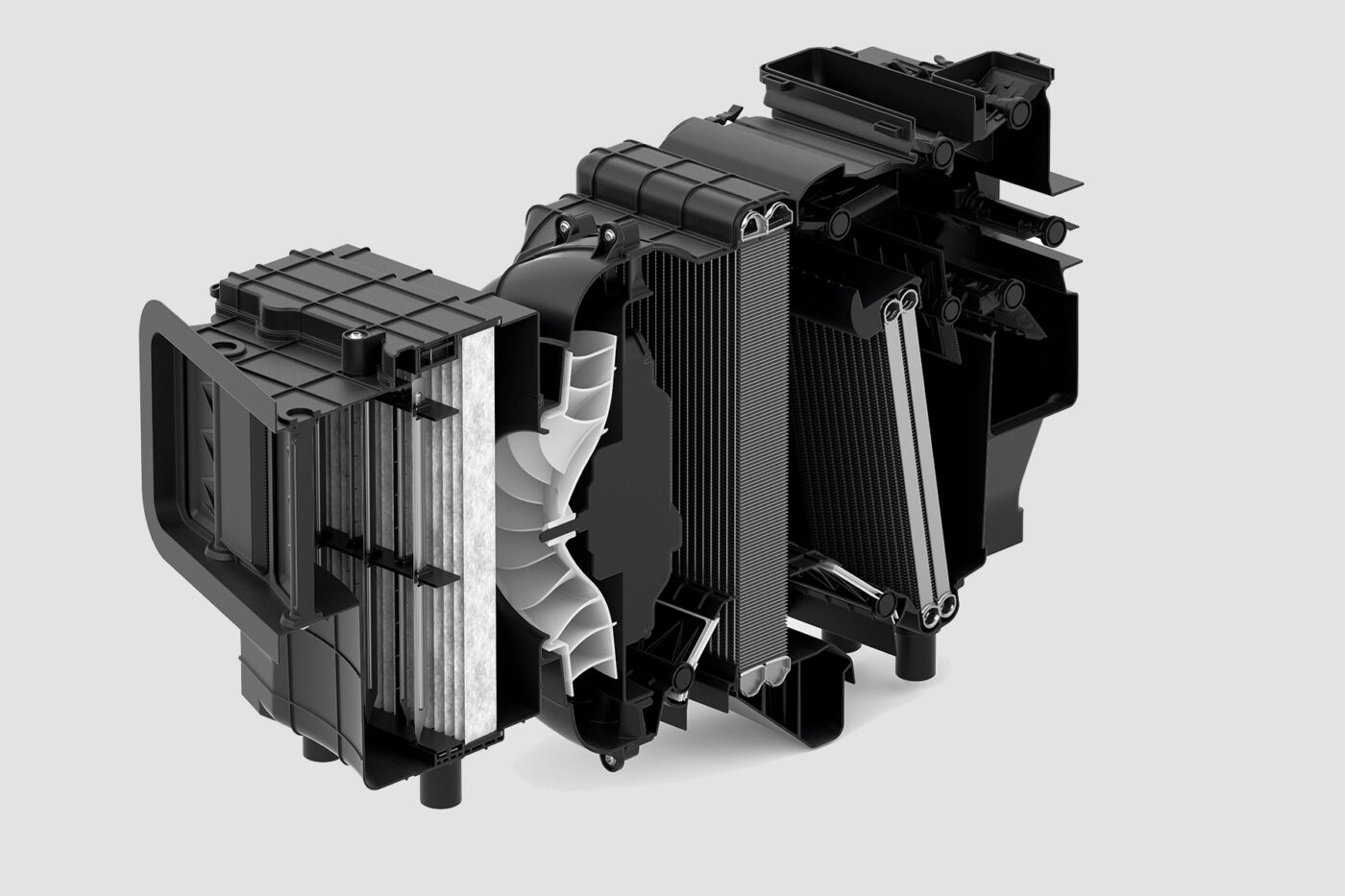
Anyone who has driven an electric vehicle (EV) in winter knows that heating significantly impacts energy consumption and range. Unlike internal combustion engine vehicles, which can use waste heat from the engine to warm the interior with minimal additional energy, EVs, due to their high-efficiency electric powertrains, generate very little excess heat. As a result, warmth must be produced using electric heating elements powered by the traction battery.
Mahle’s new solution addresses this challenge, though it still relies on electricity from the traction battery. The system now includes an additional heat recovery feature to better utilise the heat generated and reduce further heating demand. Beyond warmth and heating power, a continuous supply of oxygen-rich air is still required in winter to maintain high interior air quality and minimise the risk of condensation on vehicle windows.
The new heat recovery system uses the air conditioning system’s evaporator to capture and reuse thermal energy from the passenger cabin’s exhaust air. “As the air directed outside passes through the evaporator, it heats the refrigerant while leaving the cabin. The refrigerant then transfers the stored energy to the fresh air intake before it enters the vehicle interior,” Mahle explains. “This efficiently preheats the fresh air and reduces heating power demand at winter temperatures compared to conventional exhaust air systems.”
According to Mahle, the system reduces the energy consumption of the heating system by around 20 percent compared to conventional exhaust air systems—or extends the range per battery charge by ten kilometres. This was demonstrated in tests “conducted with a typical mid-size battery-electric vehicle at an outside temperature of -7 degrees Celsius and an interior temperature of 20 degrees Celsius,” the company states.
Importantly for end customers and vehicle manufacturers, the new heat recovery system is designed to have “no adverse impact on the airflow performance or acoustic behaviour of the vehicle’s air conditioning system,” Mahle assures. Furthermore, the system can be integrated into existing vehicle architectures without requiring costly redesigns of the often tightly packed space around the air conditioning unit. The current design is optimised for the refrigerant R1234yf and can be adapted with minimal modifications to accommodate all alternative refrigerants.
“Our HeatX Range+ heat recovery concept maximizes the everyday practicality of electric vehicles in winter and makes a decisive contribution to further increasing the attractiveness of electric mobility,” said Martin Wellhöffer, Member of the Mahle Group Executive Board responsible for the Thermal and Fluid Systems business unit. Uli Christian Blessing, Head of Development for Thermal and Fluid Systems, added: “As early as the 1990s, MAHLE introduced the ”Economizer”, the first cabin heat recovery system concept for passenger and commercial vehicles, thereby pioneering today”s trend toward efficient cabin climate control.”
0 Comments