


Austrian company Brantner electrifies its refuse collection fleet
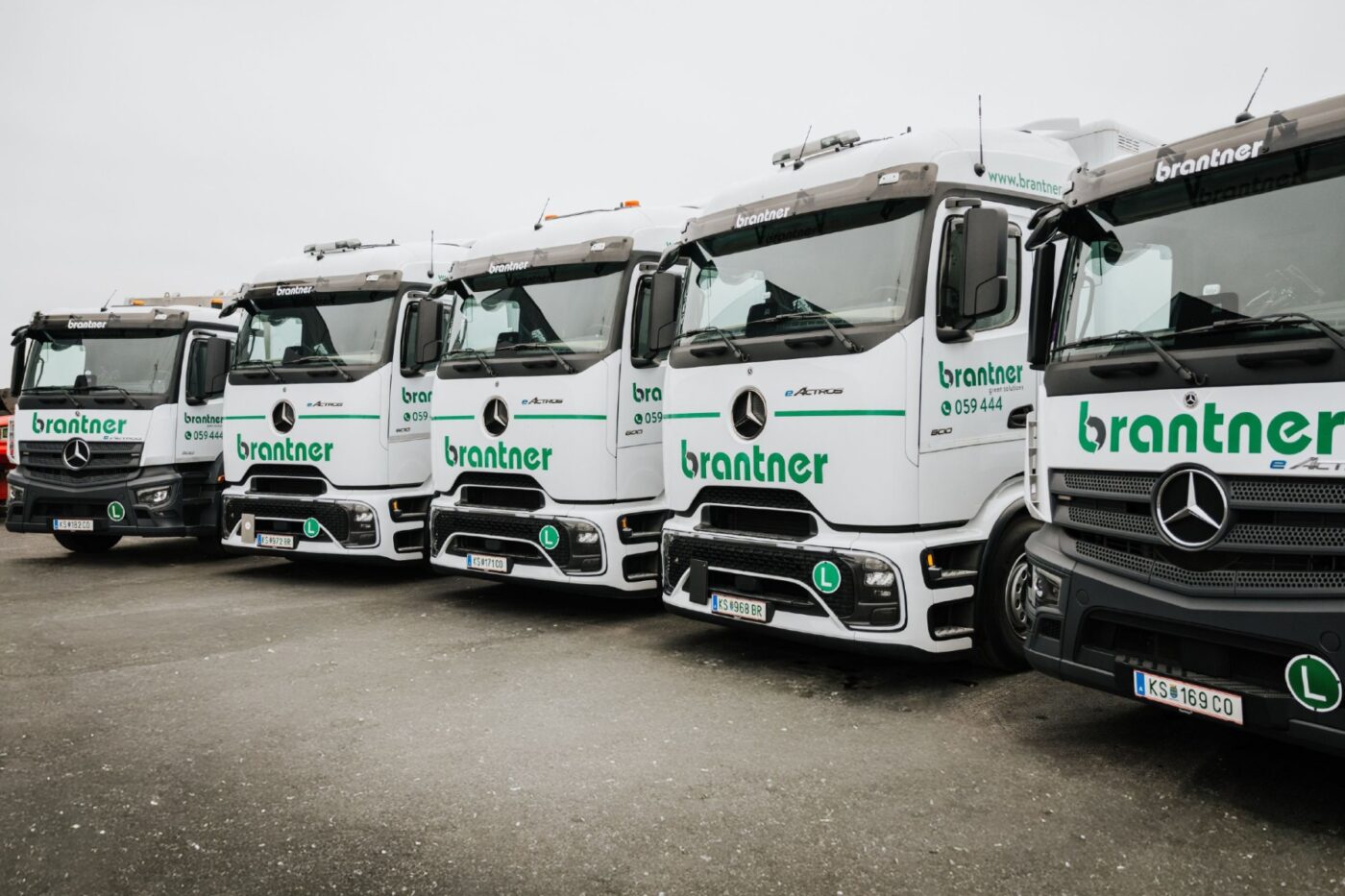
In a single move, Brantner has integrated 13 battery-electric heavy-duty trucks into its fleet. The vehicles include a mix of eActros 300 and eActros 600 models, deployed as tractor units (2x), refuse compactors (6x), and box trucks (5x). The Lower Austrian waste management specialist is convinced that ‘high-performance electric mobility is practical for heavy-duty applications, too.’ Josef Scheidl, Managing Director of Brantner Green Solutions, says the new electric trucks have been fully integrated into the fleet since the beginning of 2026. “This not only reduces our CO₂ emissions but also encourages other companies to take a step in the right direction.”
Today’s Brantner Group traces its roots back to a family-run business founded in 1936. Now in its third generation, it is led by Bernd Brantner and still operates from its original location in Krems an der Donau. The group comprises 65 branches and joint ventures across five countries (Austria, Romania, Serbia, Slovakia, and the Czech Republic) and employs around 2,745 staff.
The Brantner Green Solutions division operates twelve sorting facilities, one biogas plant, 13 landfill sites, and eleven composting plants across Europe, including what Brantner describes as ‘Austria’s most modern composting plant’ in Gneixendorf. To serve its approximately 1,000 municipalities and over 26,000 customers domestically and abroad, the company relies on a large fleet of refuse collection vehicles. At its headquarters, Brantner is now accelerating its shift towards electrification. In addition to the 13 newly arrived electric trucks, eleven more are expected to join the fleet ‘in the coming years.’ The leasing specialist Pappas Wr. Neudorf facilitated the delivery of the vehicles received so far.
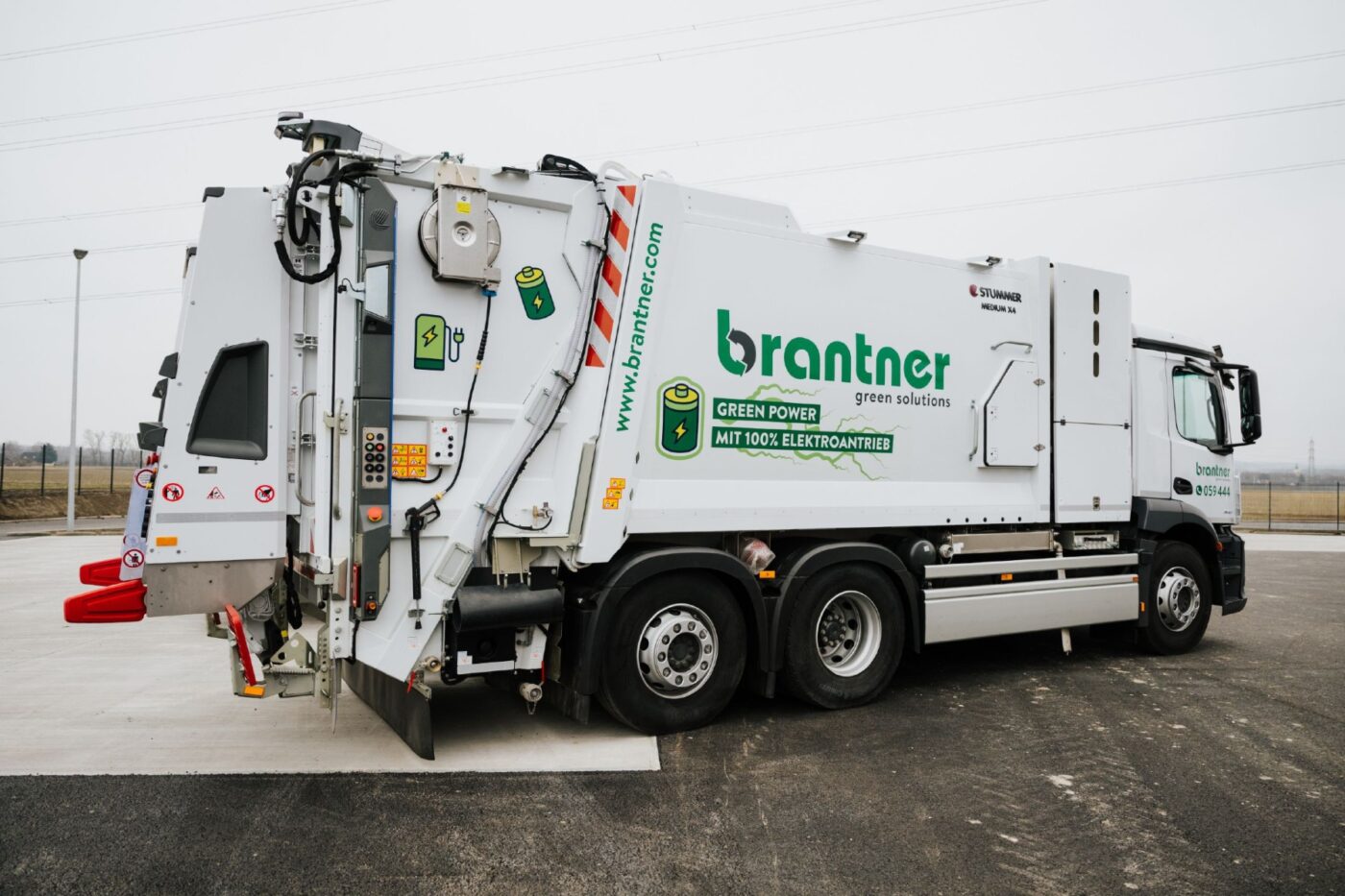
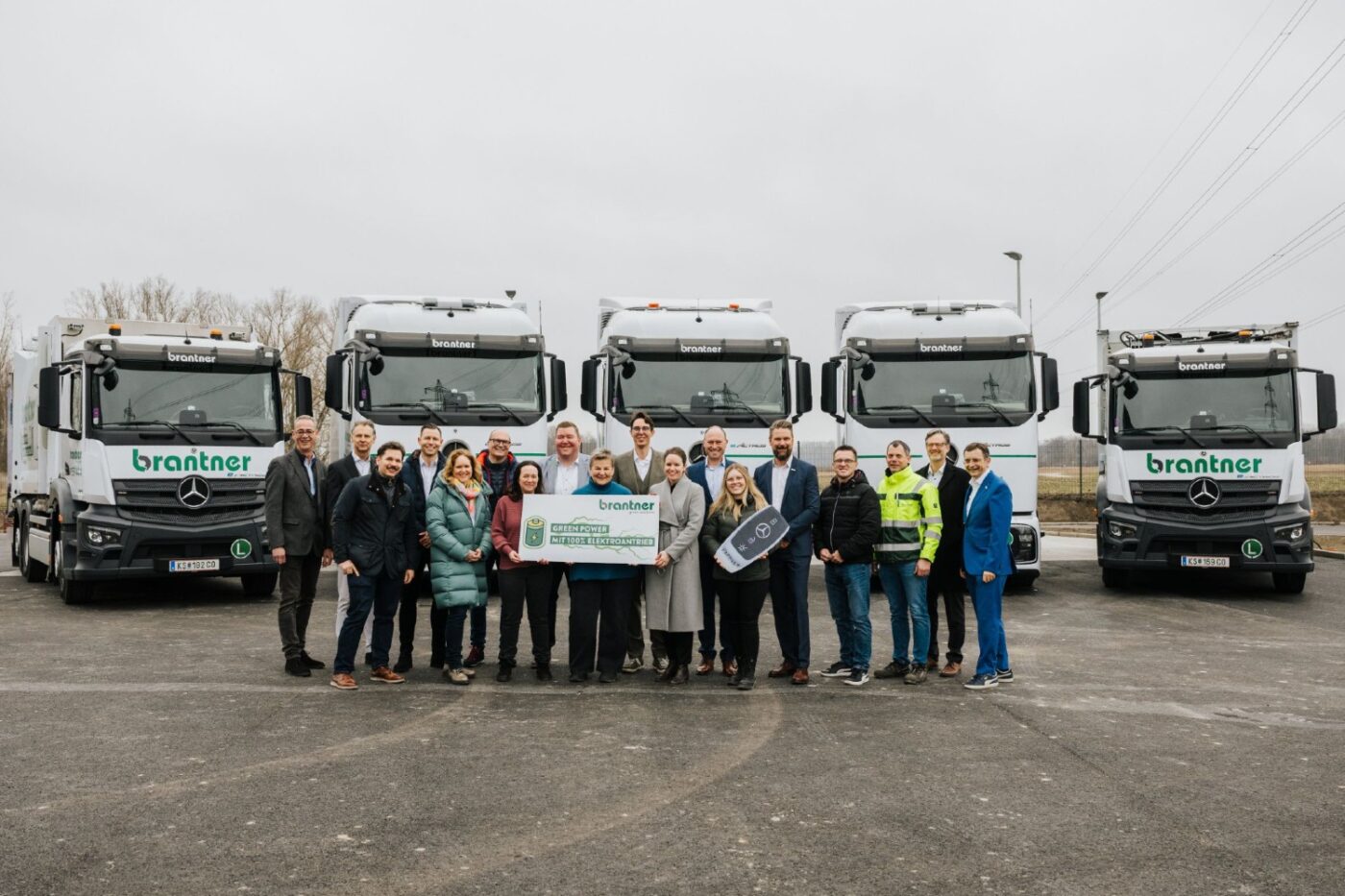
As the company explains, it identified suitable routes for the electric trucks in recent months using comprehensive route-tracking data. This analysis clarified ‘which routes would allow for the most efficient transition to maximise the vehicles’ ranges of up to 550 kilometres.’ The trucks are charged at a company-owned depot charging hub, recently completed by Brantner. The process takes ‘a maximum of seven hours,’ according to company representatives.
Meanwhile, the group is already thinking ahead regarding charging infrastructure: high-power charging hubs are being developed in Brennaustraße, Krems, and Hagenbrunn. Additional charging locations are planned in Traiskirchen, Wulkaprodersdorf, and Hohenruppersdorf. In parallel, the roofs of several Brantner sites have been fitted with photovoltaic systems to generate a portion of the required electricity on-site.
A notable feature is that the solar power is generated within a supra-regional citizen energy community, the BEG (‘Brantner Energy Community’), founded in 2024. This community currently includes five photovoltaic plants and three hydropower stations. By April 2025, Brantner had already achieved a self-sufficiency rate of 64% thanks to this electricity production.
The necessary capital for expanding the charging infrastructure and purchasing the vehicles comes primarily from the company’s own resources. “However, strong commitment to emissions targets also comes from politics, business, and research: the transition to the electric truck fleet was made possible through targeted funding from the Republic of Austria,” Brantner says. Specifically, the waste management specialist received funding from the ENIN programme of the Austrian Research Promotion Agency.
brantner.com, brantner.com (press release, PDF; both links in German)

0 Comments