


Stellantis revives several diesel models in Europa
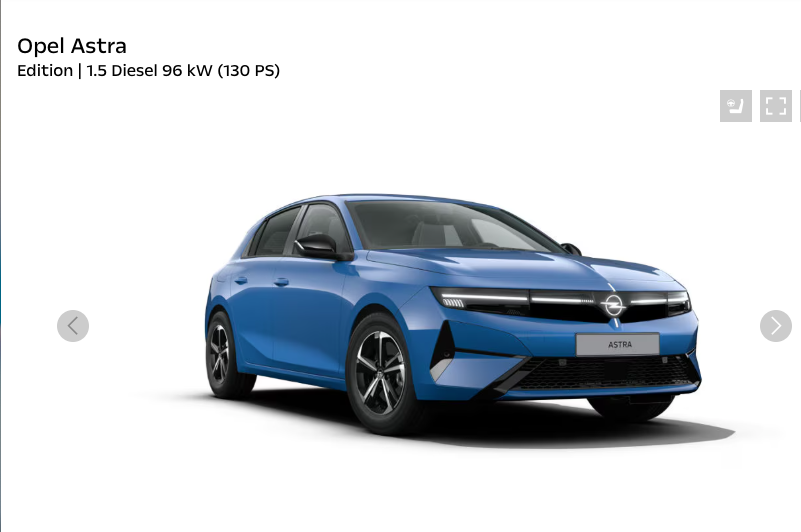
According to the news agency Reuters, this move represents a ‘previously unreported strategic shift.’ Since the end of 2025, Stellantis has begun reintroducing diesel versions of several models in Europe, which had already been phased out. Examples include the Peugeot 308, Opel Astra and DS 4, as well as various passenger transporters such as the Opel Combo Van, Citroën Berlingo and Peugeot Rifter.
Particularly in the panel van and van segments, Stellantis had previously attempted to transition to a fully electric portfolio in select markets, only to reverse this decision shortly afterwards due to shifting demand. In these segments, diesel engines remain particularly popular.
For the two passenger car models from Peugeot and DS mentioned by Reuters, diesel versions are now available in the German configurator, although the battery-electric variants are displayed first. Until recently, Stellantis brands had primarily relied on a combination of battery-electric vehicles and petrol hybrids to meet demand.
As the news agency reports, this decision is driven not only by the new global strategy of the multi-brand automaker but also by its EV sales figures, which have fallen short of expectations. Additionally, new Chinese competitors entering the European market are focusing mainly on battery-electric drivetrains or petrol hybrids—but not on diesel. Stellantis evidently sees an opportunity to differentiate itself for European customers in this segment.
After Reuters confronted the group with findings from its analysis of dealer websites, Stellantis confirmed the approach: “We have decided to keep diesel engines in our product portfolio and – in some cases – to increase our powertrain offer. At Stellantis we want to generate growth, that’s why we are focused on customer demand,” the statement to the news agency reads.
However, customer demand in Europe is currently shifting—away from diesel. According to the 2025 statistics from the European Automobile Manufacturers’ Association (ACEA), 34.5% of all new cars sold in the EU last year were hybrids, 26.6% were petrol-only models, and 17.4% were battery-electric vehicles—these three drivetrain types account for over 75% of EU sales. The diesel engine, which in 2015 still represented nearly half of all sales, now accounts for just 8.9%, less than one-tenth of the market. However, many of the hybrids still include electrified diesel engines.
Update 11 March 2026
Stellantis is now actively promoting its multi-energy strategy for the first time with a new announcement concerning the Citroën Berlingo. The company confirmed the return of the Diesel 100 and 130 versions as well as the petrol 110.
The electric Berlingo will remain in the line-up, while Citroën justifies the decision to reintroduce combustion engines with everyday usability: “This pragmatic decision meets the needs of frequent drivers, families making long journeys and users who do not have access to home charging solutions.”
reuters.com, opel.de (German Opel configurator for the Astra; as an example), stellantis.com (update)
6 Comments