


Albemarle halts lithium processing in Australia
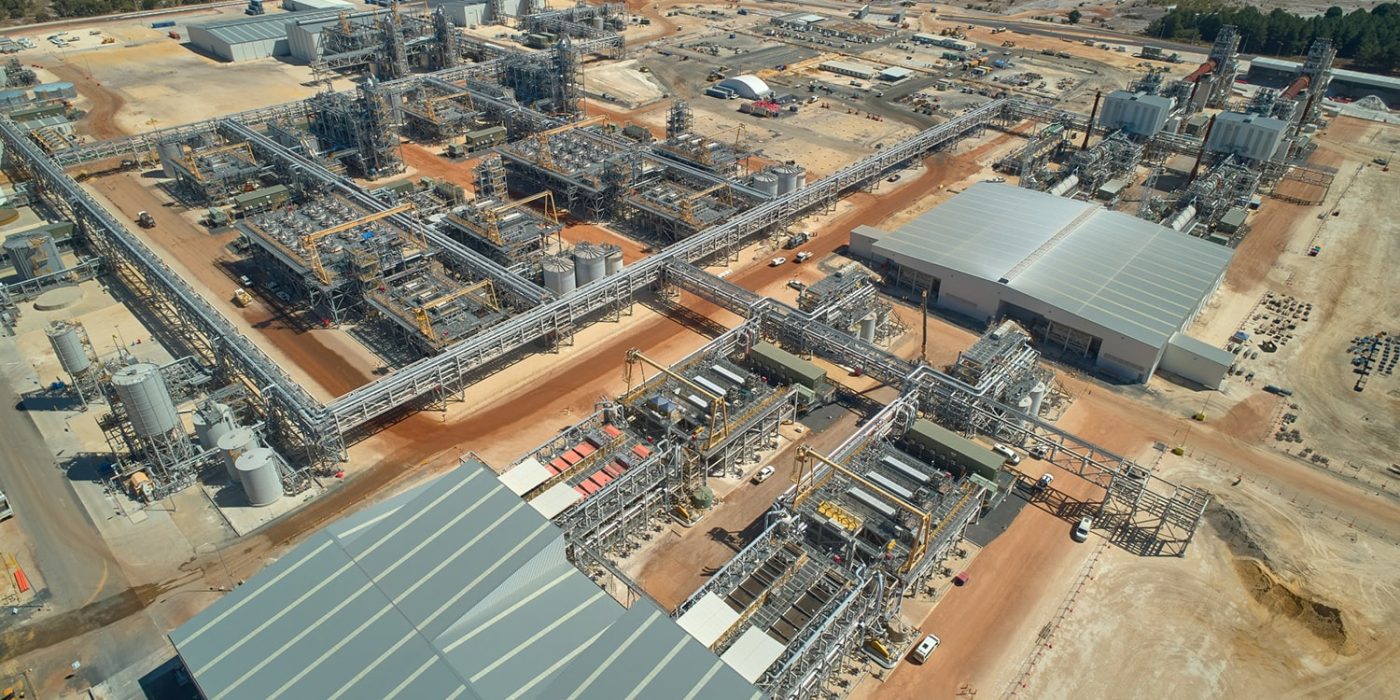
Albemarle originally had ambitious plans for its lithium hydroxide plant in Western Australia. In addition to the existing production lines, Train 1 and Train 2, two further lines, Train 3 and Train 4, were to be constructed to extract battery-grade lithium hydroxide from spodumene concentrate. This expansion would have enabled the Kemerton facility to produce 100,000 tonnes of lithium hydroxide annually at full capacity, up from the previous 50,000 tonnes – as planned in May 2023. The US company aimed to become Australia’s largest lithium producer through this expansion.
However, as early as 2024, the expansion plans for Trains 3 and 4 were scrapped, and even the already operational Train 2 was shut down. Instead of ramping up to 100,000 tonnes of processing capacity, output was initially reduced to 25,000 tonnes. Now, it has been cut entirely to zero, as Albemarle idled the last remaining operational line, Train 1, in February.
“Idling operations at Kemerton was a difficult decision. It follows significant actions we have taken over the past two and a half years to reduce operating costs during an extended period of price volatility in the market,” explained Albemarle CEO Kent Masters. “Unfortunately, recent lithium price improvements alone are not enough to offset the challenges facing Western hard-rock lithium conversion operations. This decision improves our financial flexibility and preserves optionality.”
The material processed into battery-grade lithium hydroxide at the Kemerton plant, which has been operational since 2019, was sourced from the Greenbushes Mine, also located in Australia. This hard-rock open-pit mine is situated approximately 250 kilometres south of Perth, Western Australia, and 90 kilometres southeast of the Port of Bunbury, a key transhipment hub in the southwest of the state.
Albemarle expects that the decision regarding the Kemerton plant will not impact its projected production volumes for 2026, as the company plans to meet customer demand for lithium hydroxide through other production channels. However, an increase in adjusted EBITDA is still anticipated for the second quarter of 2026. The group’s Australian mining activities, including its stake in the Greenbushes Mine, remain unaffected by this decision, as Albemarle emphasised.
Lithium hydroxide is a critical material for lithium-ion battery cells with NMC (nickel, manganese, cobalt) chemistry, as well as NCA (nickel-cobalt-aluminium) cells. In contrast, LFP cells are based on lithium carbonate. Both lithium compounds serve different demand markets and are traded separately on the global market. Particularly in China, an increasing number of electric vehicles are being built with LFP cells, and European manufacturers are also shifting to this more cost-effective cell chemistry. Additionally, the emergence of sodium-ion batteries could further pressure the lithium market in the future. While lithium is expected to remain the dominant battery material for years to come, according to experts, an uncertain future makes long-term investments like the one in Kemerton significantly more challenging for companies.

1 Comment