


Cupra shifts focus to Born facelift amid revised VW ID.3 outlook
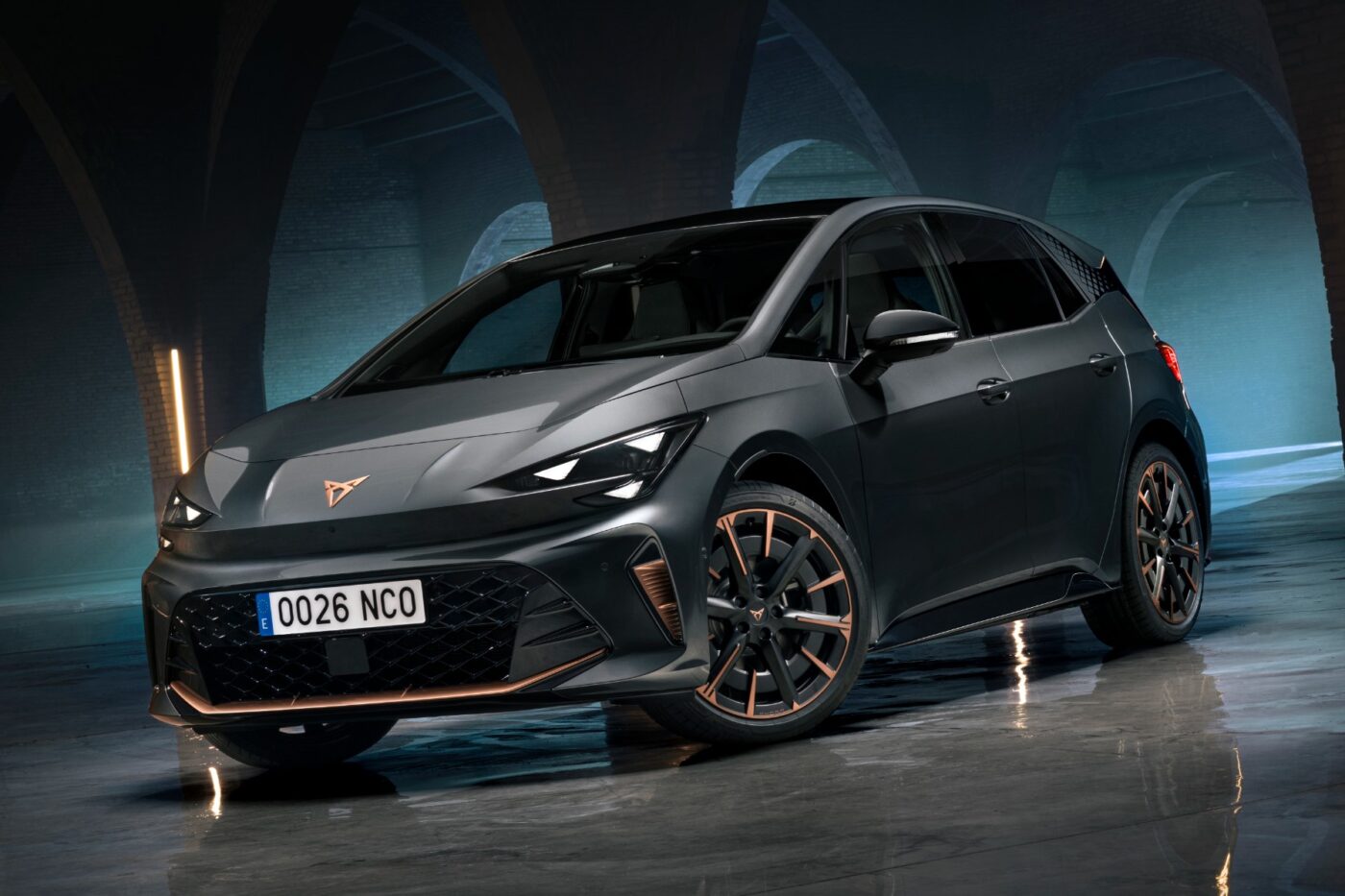
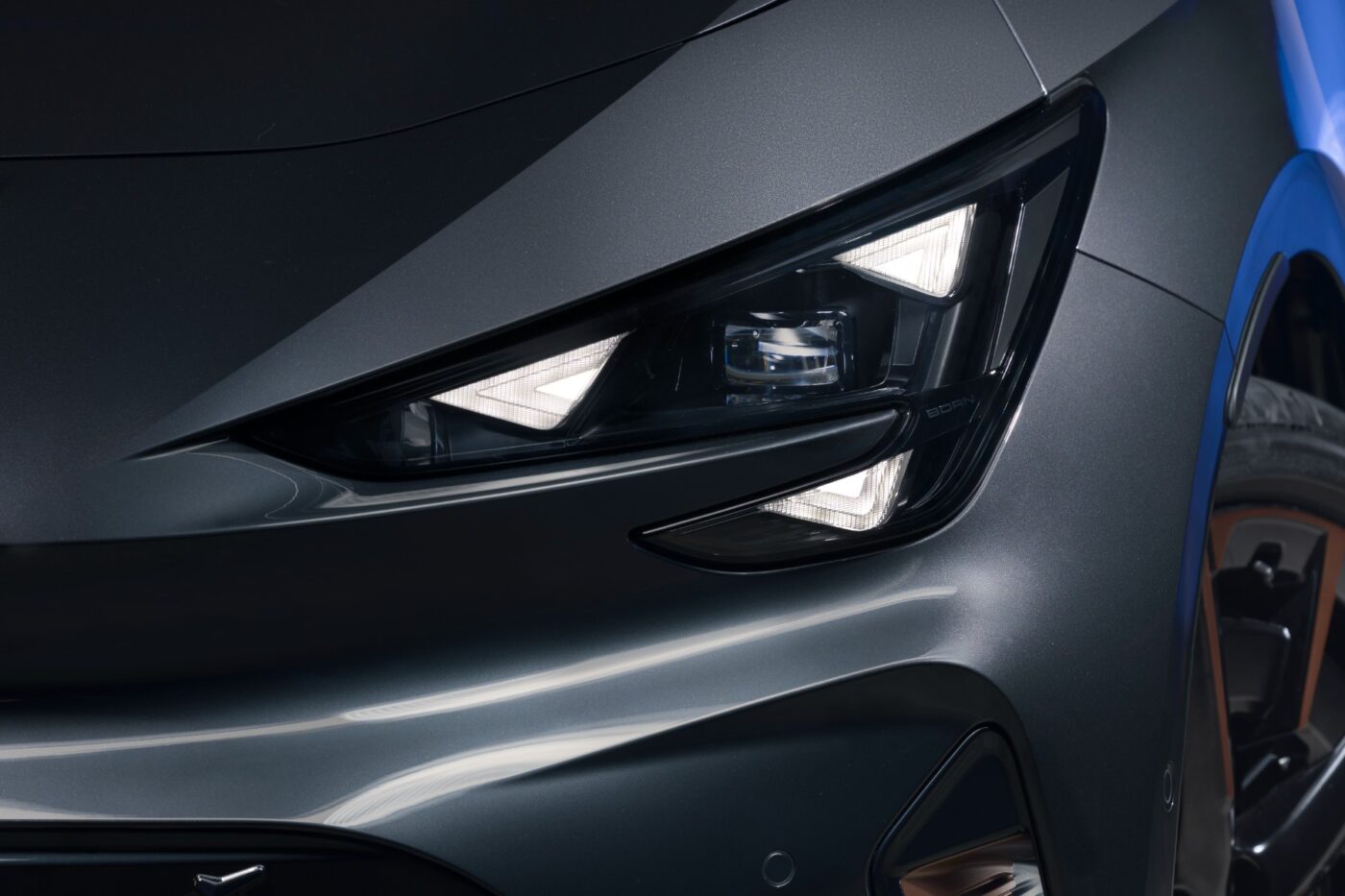
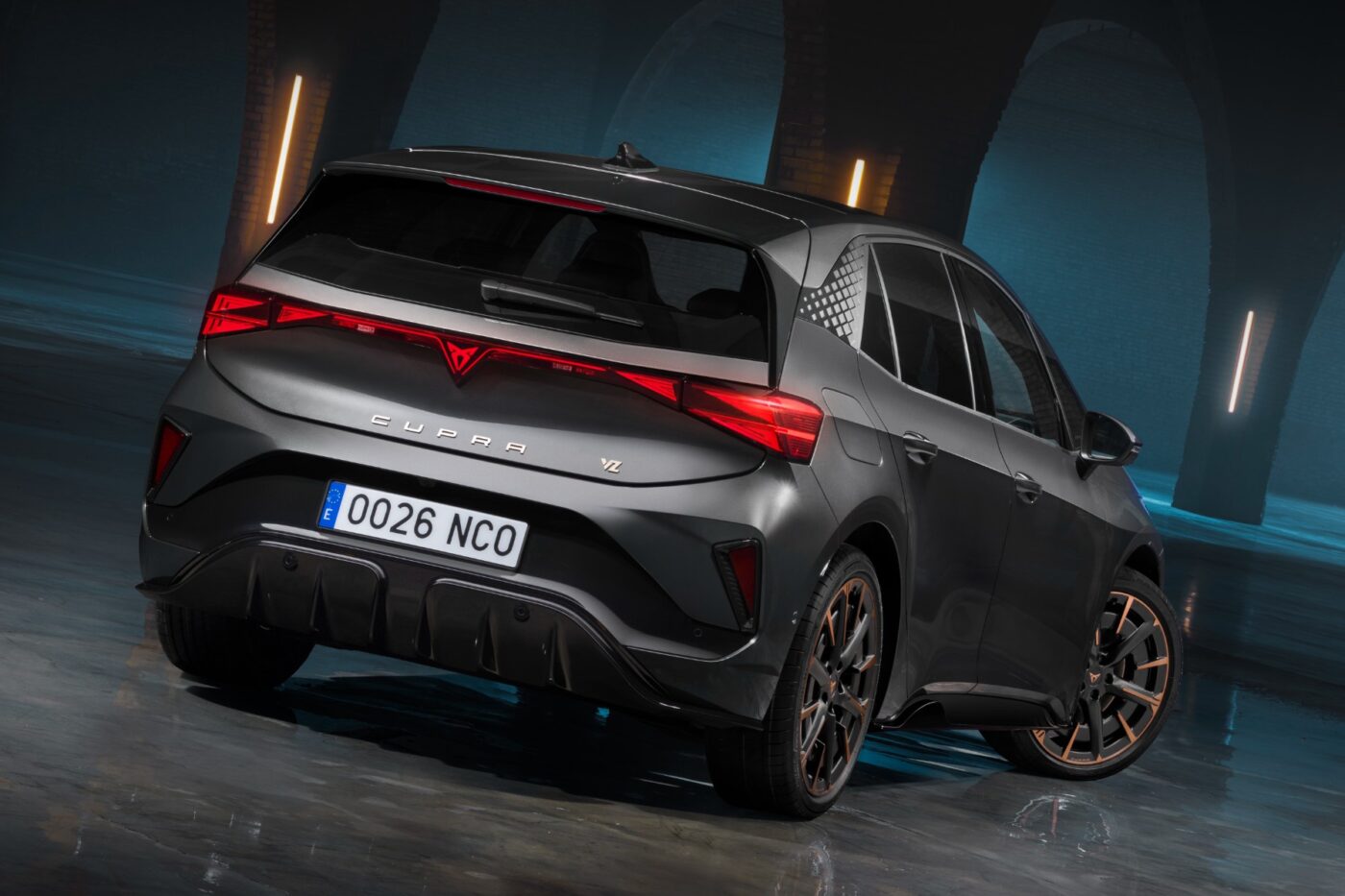
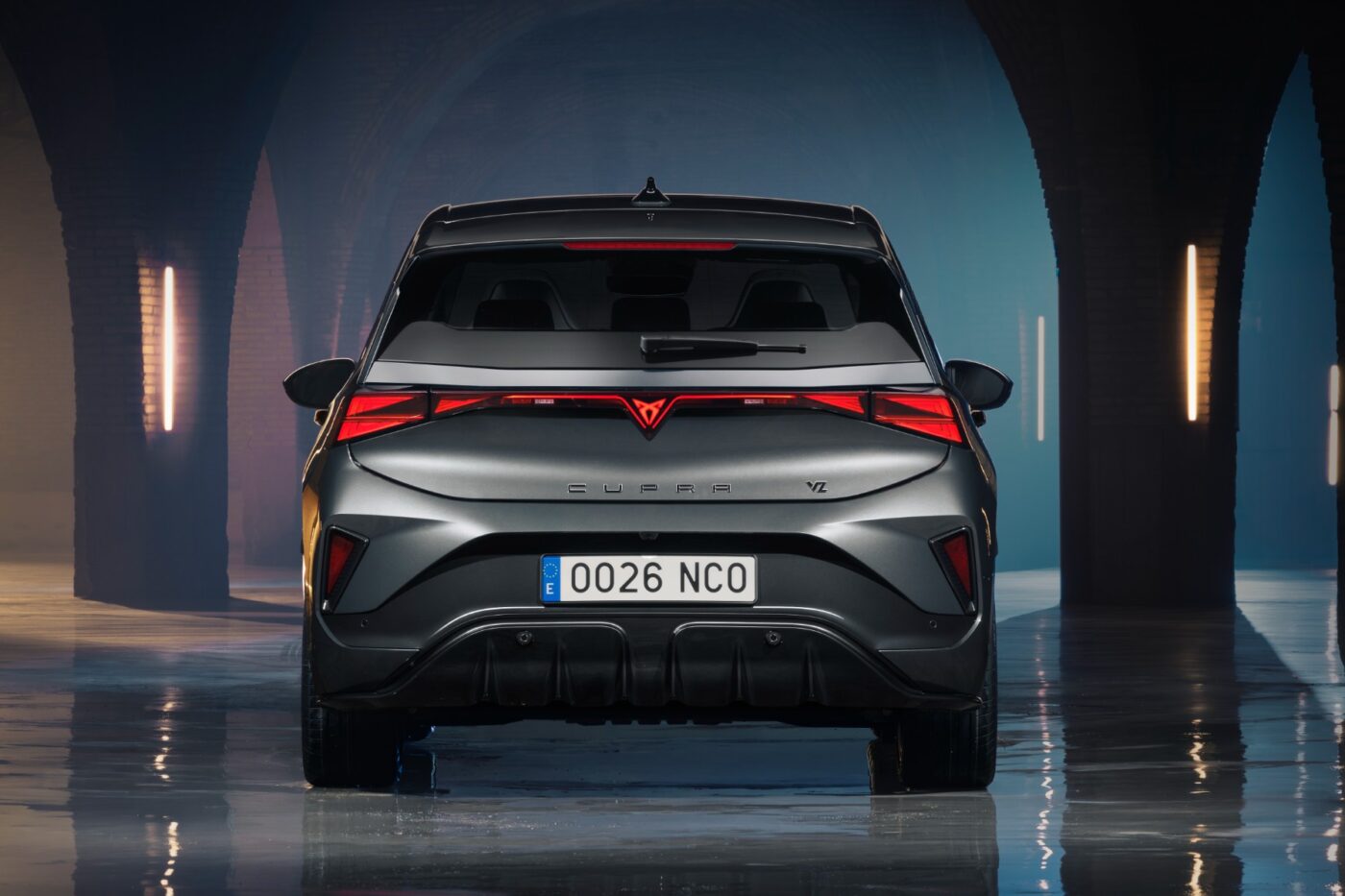
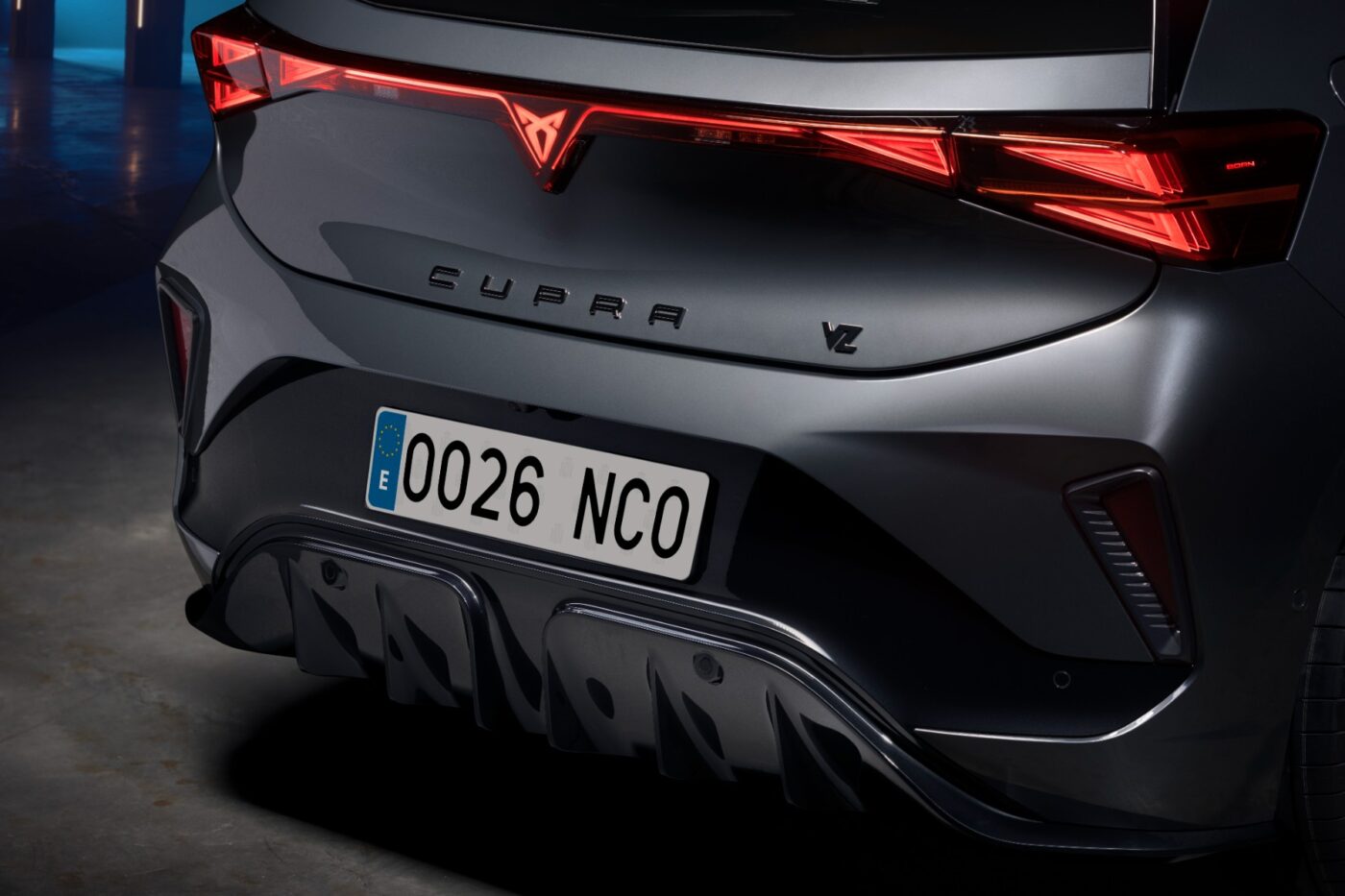
In its announcement about the revised Born, Cupra primarily highlights the ‘new, striking design.’ After several years on the market, the compact MEB model now adopts the brand’s latest design language, featuring a ‘shark nose,’ redesigned bumpers, and Cupra’s signature triangular matrix LED headlights. The triangular motif is also reflected in the rear lights, while the brand logo on the boot lid is now illuminated and integrated into the continuous rear light strip. With the new bumpers, the Born has grown by 12 millimetres in length to 4.34 metres, while its width (1.81 m), height (1.54 m), and wheelbase (2.77 m) remain unchanged.
The fact that the sporty Seat brand is focusing on the upgraded interior, ‘digital immersion,’ and the improved sound system with its new ‘interior sound signature’—rather than new drivetrain systems—stems from minimal changes to the powertrain. There are still three motor-battery configurations available: a 58 kWh base version and a 79 kWh version for extended range, the latter offered with either a 170 kW rear-wheel-drive system or as the particularly dynamic ‘Born VZ’ with 240 kW output.
The 79 kWh battery in the MEB platform is well-known, and Cupra has already offered it in the Born before the facelift. Previously, the 170 kW electric motor (type APP310) was available in Germany as the ‘Born Edition Dynamic’ from €45,690. The Born VZ, with the same battery and 240 kW output thanks to the APP550 motor, was listed at €48,870. These drivetrains remain unchanged, but Cupra now claims a range of ‘around 600 kilometres’—up from the previous maximum of 594 WLTP kilometres—likely due to improved aerodynamics from the facelift.
More intriguing is the variant Cupra now lists as the ‘Born Plus.’ It comes with a 58 kWh battery, although before the facelift the usable energy content was already specified by Cupra at 59 or even 60 kWh. At the same time, the output is now quoted at 140 kW instead of the previous 150 kW, while the maximum DC fast-charging power for the 58 kWh battery has not yet been disclosed. Cupra simply states a charging time of 20 to 30 minutes – a rather broad range.
This suggests that Cupra may be introducing the new LFP battery from the MEB+ platform, but is not yet keen to put it in the spotlight – as MEB customer Ford has already done with the Capri, using exactly these specifications of 58 kWh and 140 kW output. The 140 kW figure also indicates the use of the APP350 motor with 350 Nm of torque, already deployed in the Capri and more efficient than the older APP310.
It is highly unusual for such key details of what appears to be a new drivetrain to remain undisclosed during a facelift. Cupra may therefore be leaving the communication to another brand within the group. After all, another facelift of the sister model, the VW ID.3, is also expected later this year.
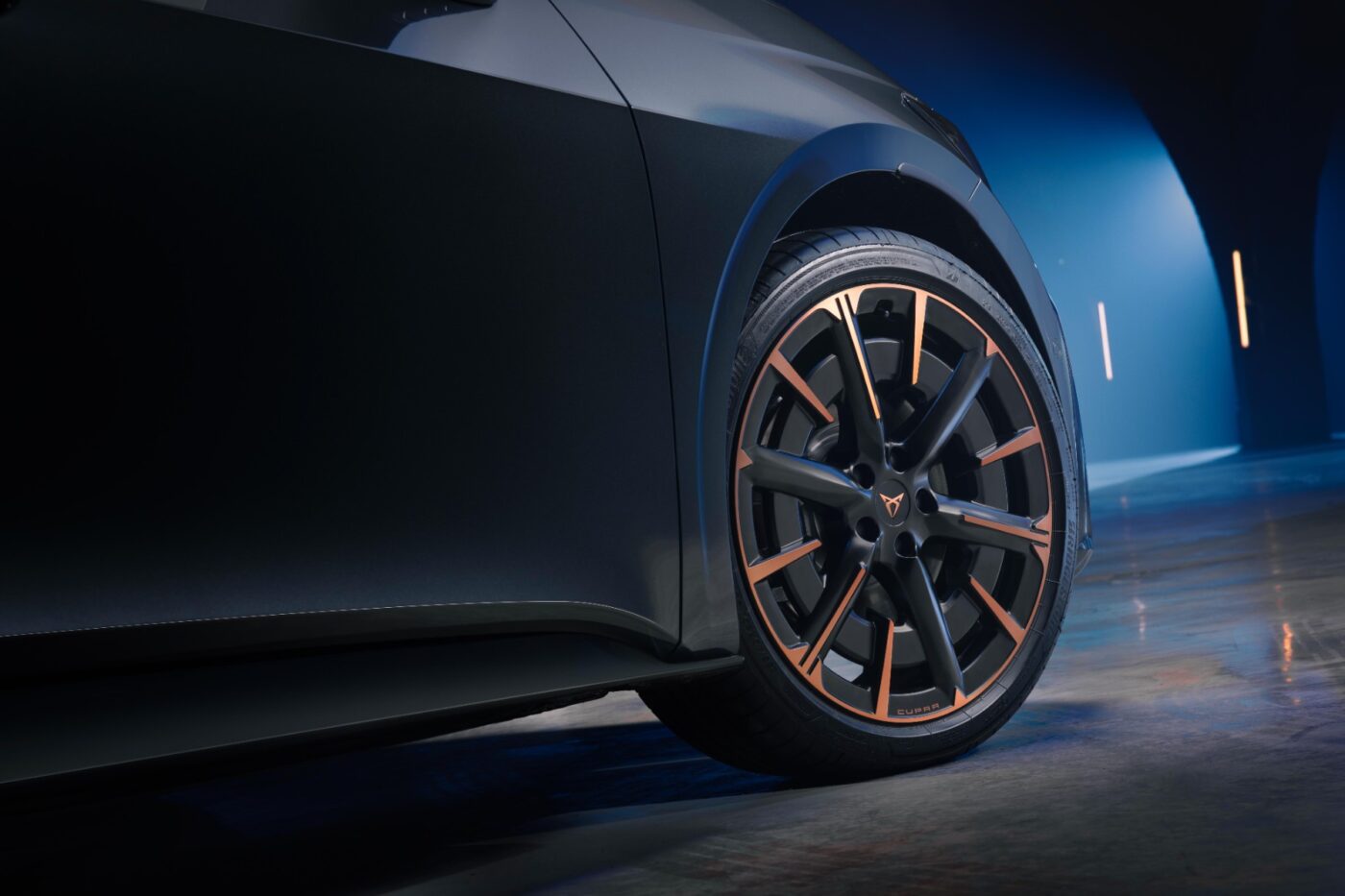
Instead of delving into the drivetrains, the PR department prefers to emphasise one-pedal driving or the new launch control for the 79 kWh battery variants. It also highlights the wider 235 mm tyres on all five available 19- and 20-inch wheel options, which are said to enhance agility, supported by five driving profiles and up to 15 adjustment levels for the dynamic chassis control (DCC Sport). The distraction with these details even extends to the omission of another base drivetrain variant with a 50 kWh battery and 125 kW output—though this additional base model is indeed discussed in videos and early reports about the Born facelift.
All of this, of course, also provides a glimpse into the upcoming changes to the ID.3 and other VW models. The ID.3 will retain its name even after the facelift, while, according to consistent media reports, the ID.4 is set to be renamed the ID. Tiguan—and the ID.5 will be discontinued.
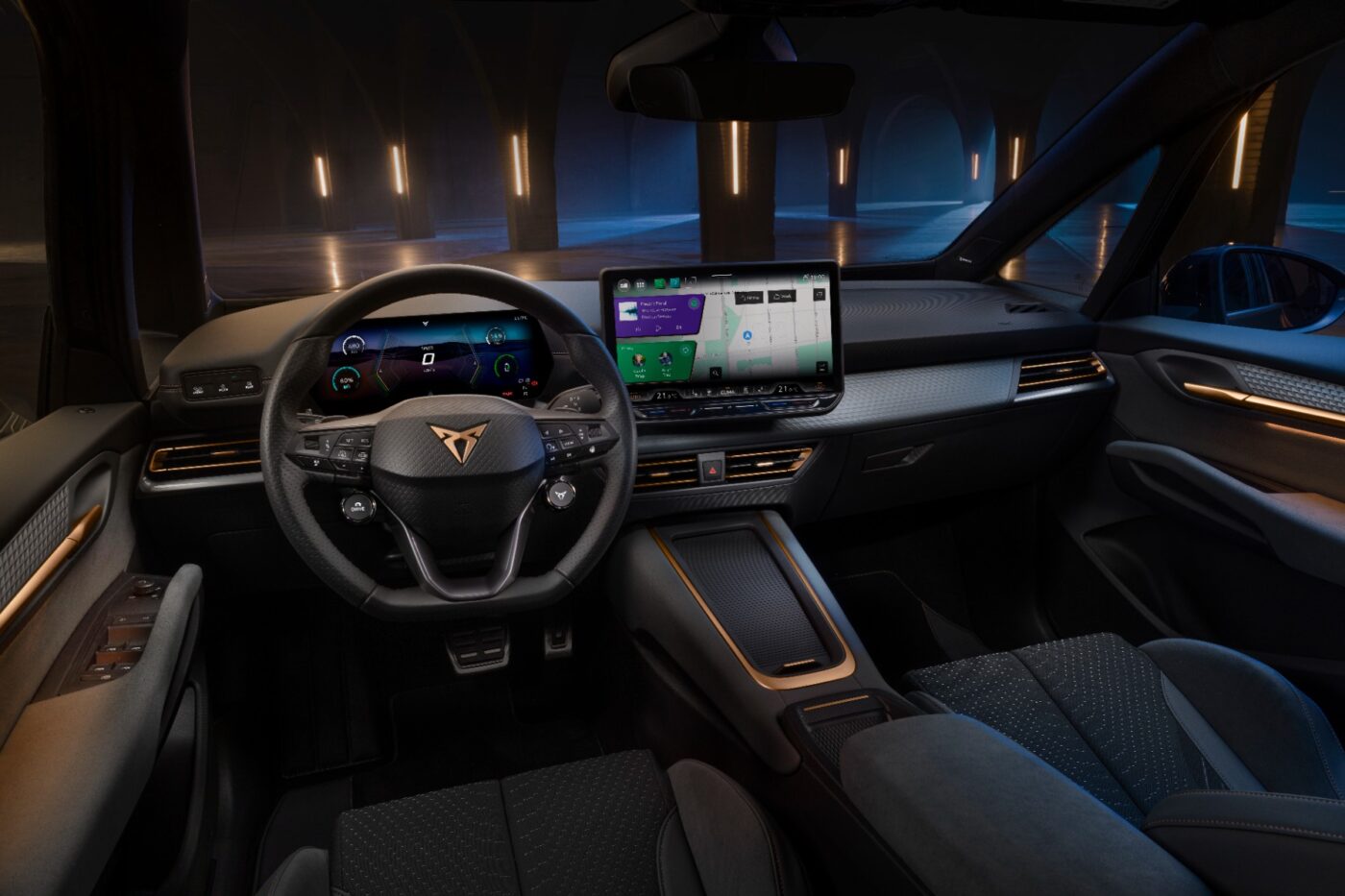
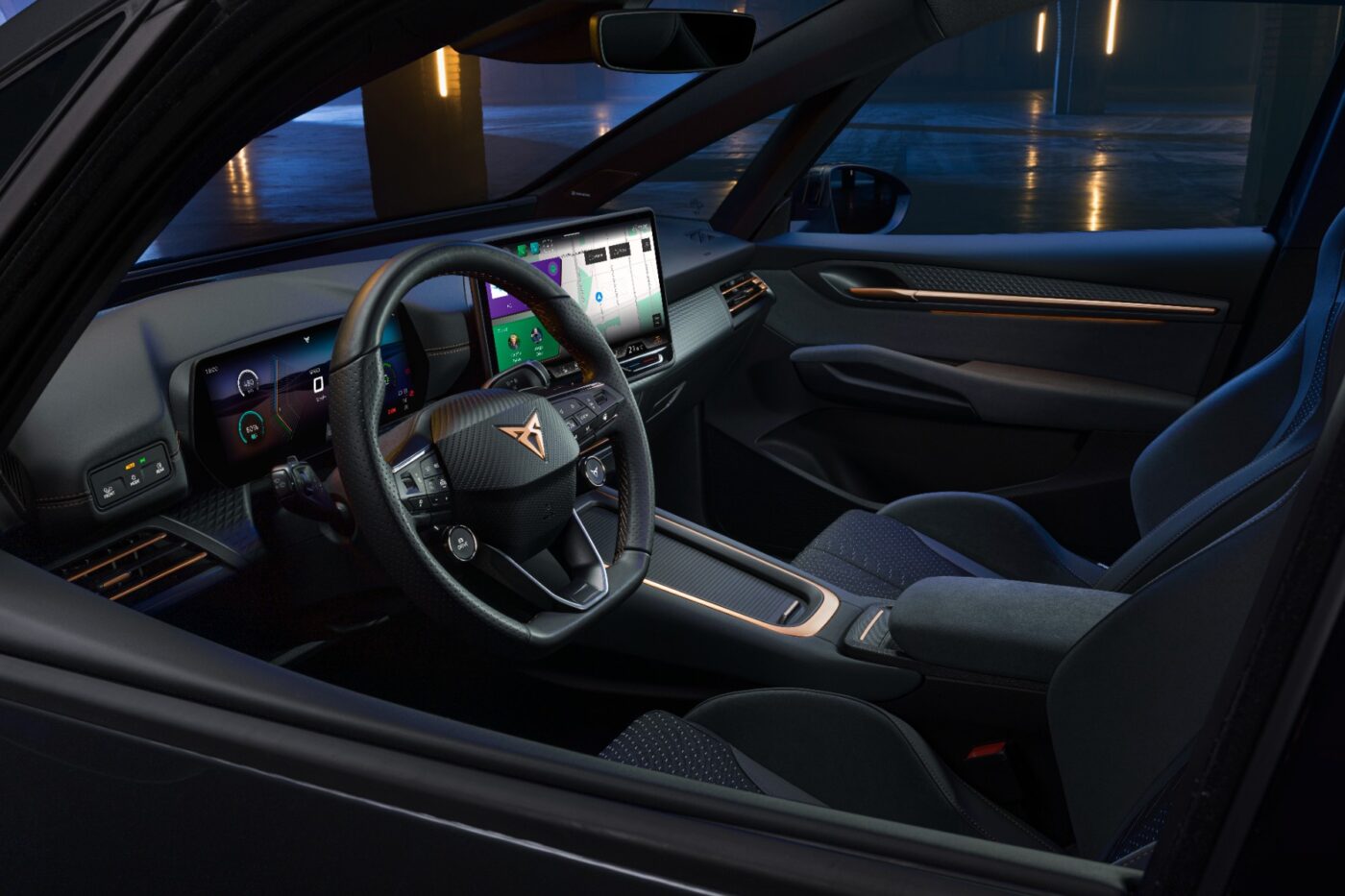
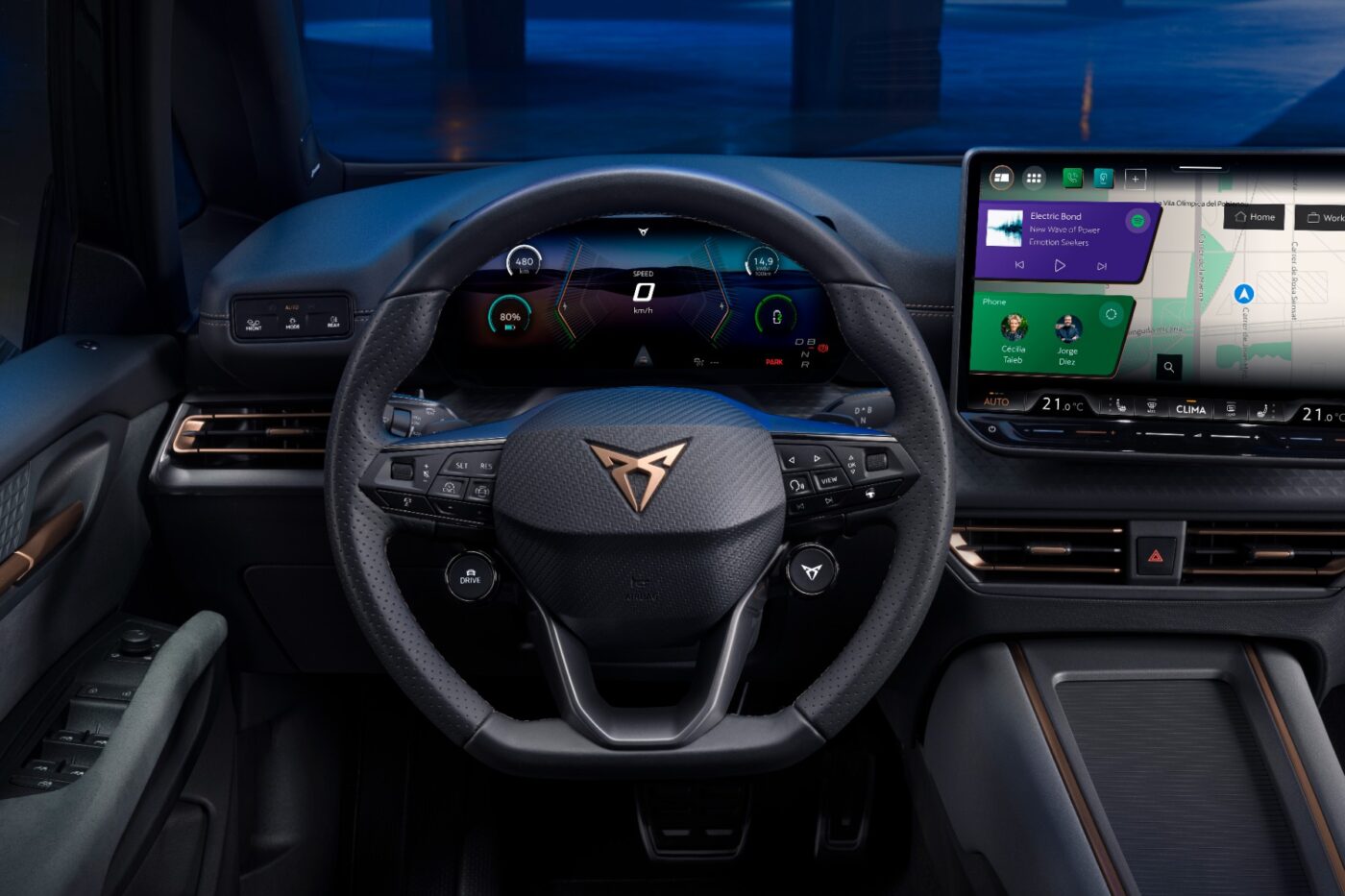
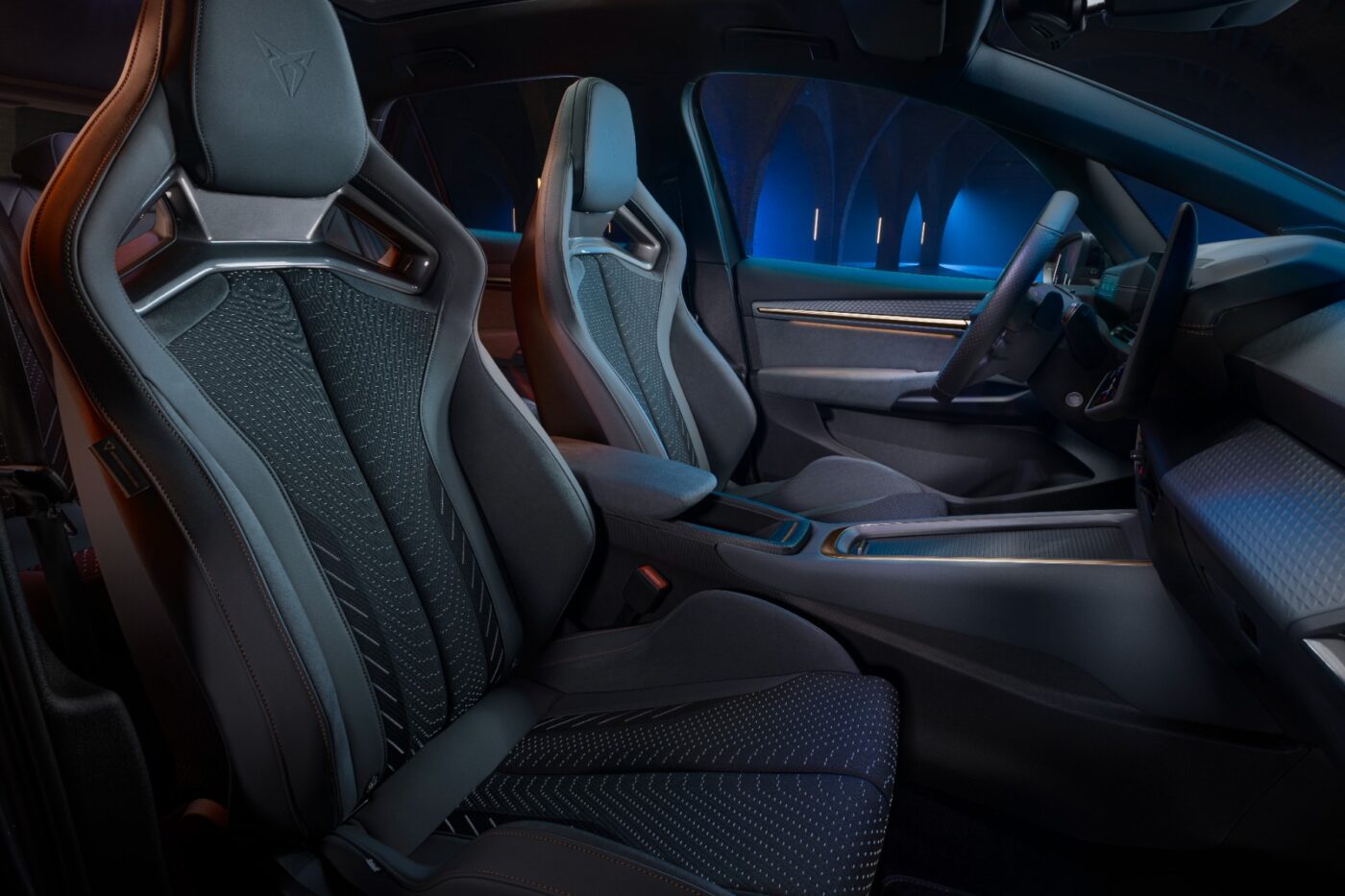
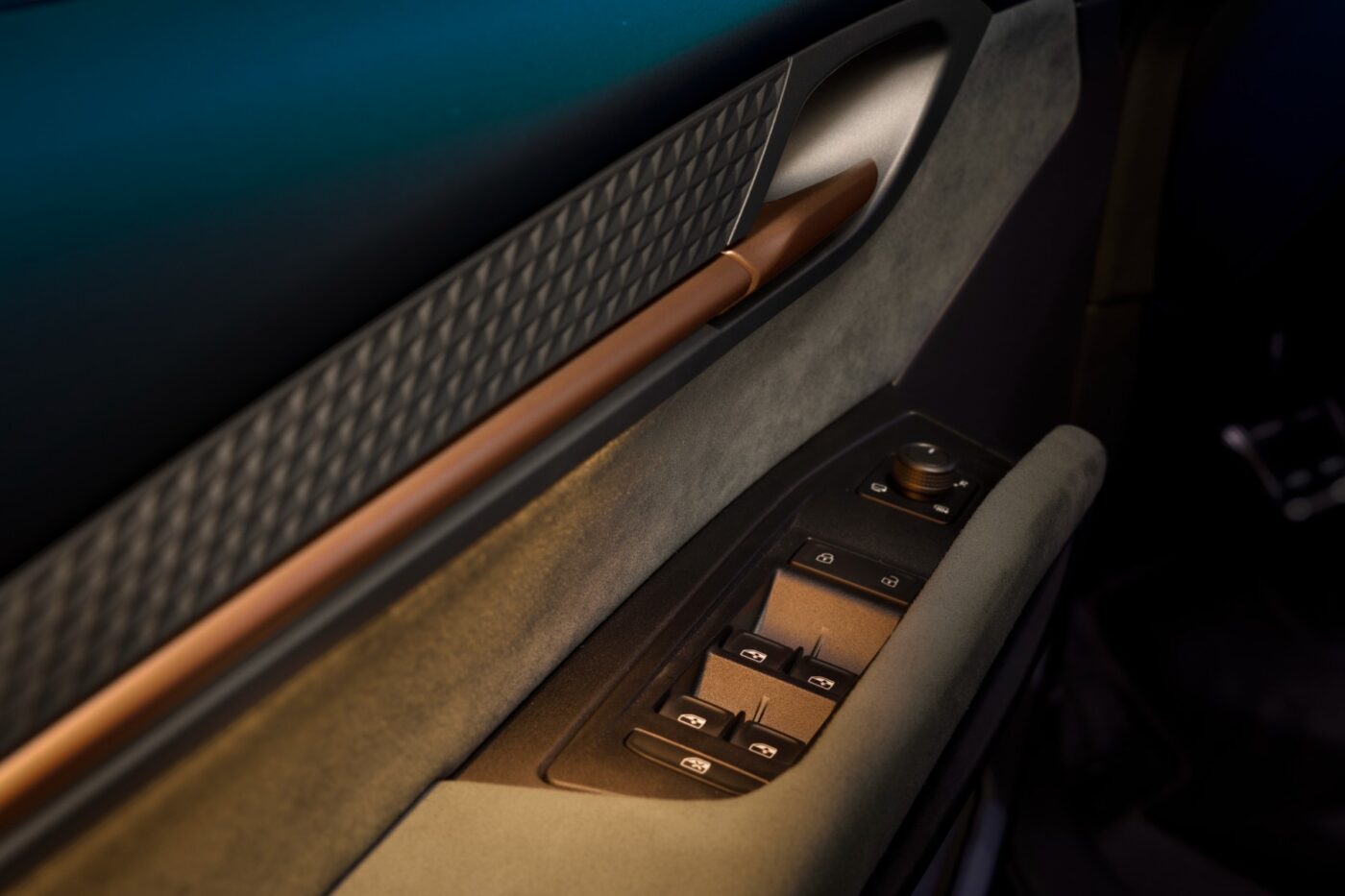
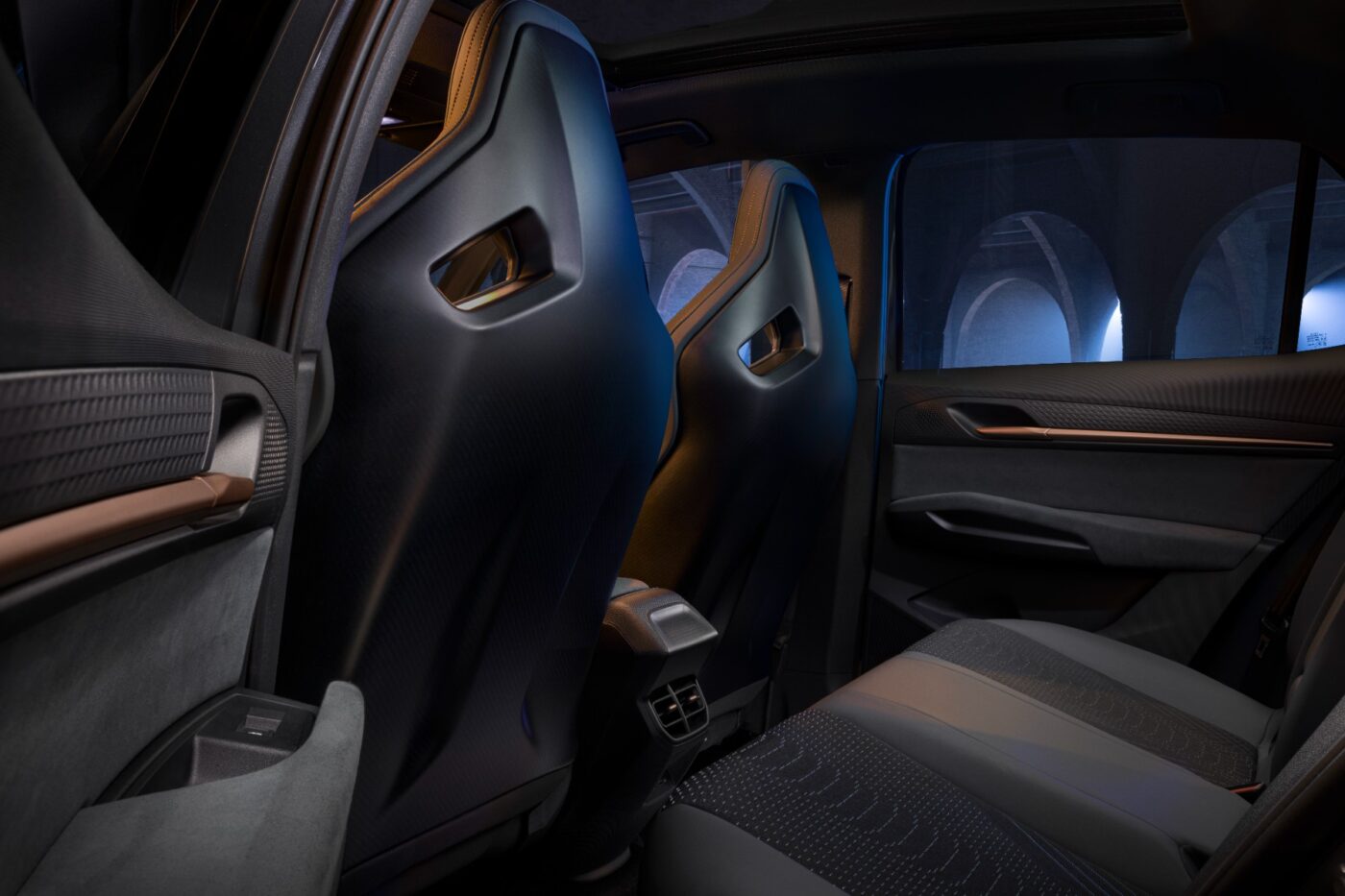
Back to Cupra: The revised cabin is designed to convey a more premium feel, thanks to newly designed front and rear door panels, new materials in the dashboard made from recycled materials, and a redesigned steering wheel. The latter now features physical controls again, as Cupra has done away with the much-criticised touch-sensitive surfaces. Behind the steering wheel, there is now a significantly larger 10.25-inch cockpit display. To the right of the steering wheel, a 12.9-inch touchscreen is installed, running a new Android-based operating system. The aforementioned interior sound signature is intended to create ‘a more direct, confident connection’ in the Performance and Cupra driving modes.
Cupra has not yet announced the prices for the revised Born. Previously, pricing in Germany started at €36,450 for the 150 kW model. It remains to be seen whether the new “Born Plus” with 140 kW and an LFP battery can be offered at a lower price.
cupra-media.de, seat-cupra-mediacenter.com, cupraofficial.de (previous prices)

0 Comments