


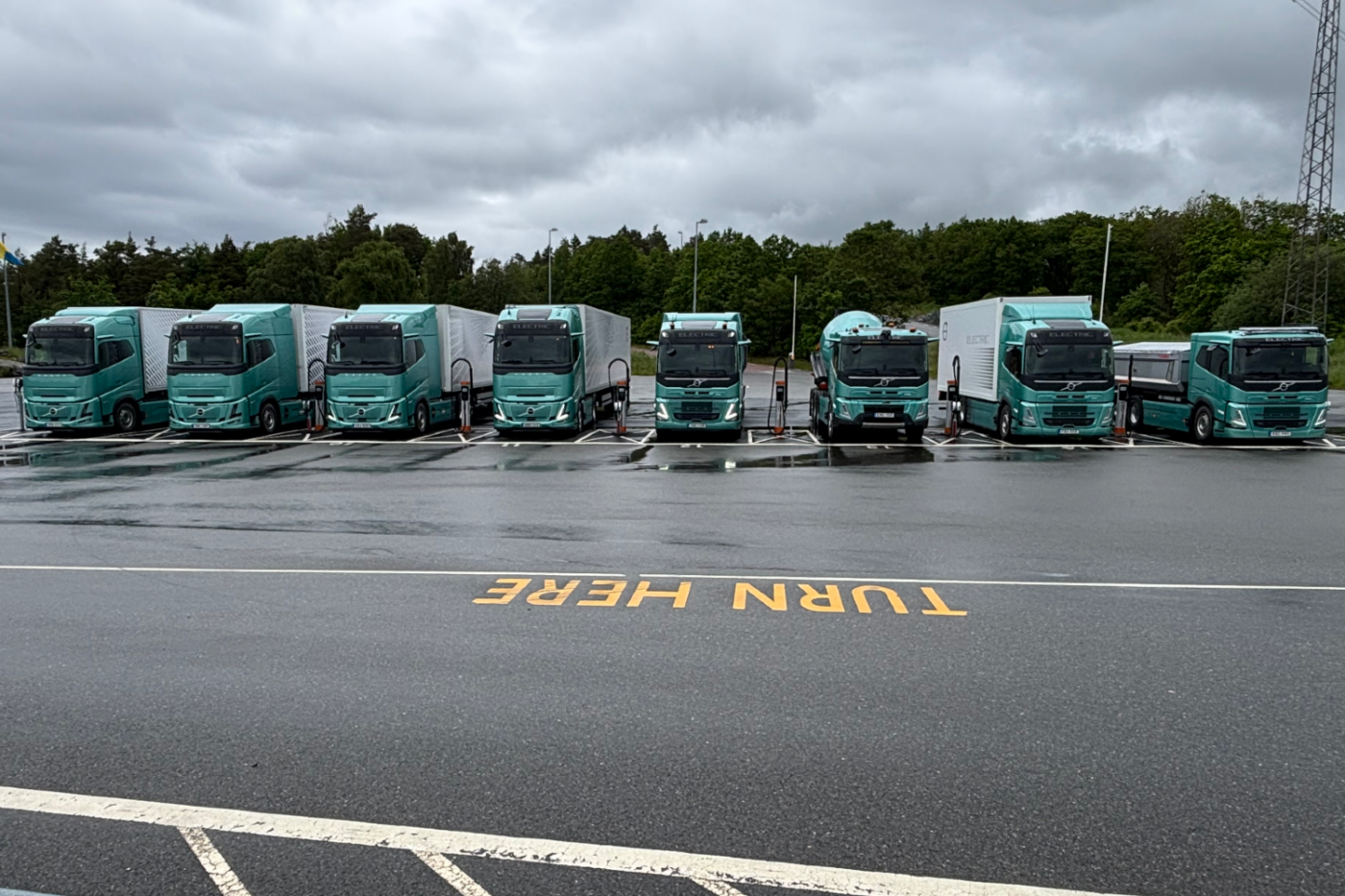
Volvo Trucks boosts net battery capacity to record level
Volvo Trucks took longer than some rivals to introduce its second generation of battery-electric trucks. Up to 2024, the Swedish manufacturer had helped shape the market with its early electric models and was widely seen as a technology leader. But as battery-electric truck technology advanced rapidly, competitors caught up and introduced more capable vehicles.
The pace of development is particularly evident when looking at vehicle range. Three or four years ago, an electric truck capable of travelling 400 kilometres on a charge was considered a major achievement. Around two years ago, manufacturers began introducing models with ranges of up to 500 kilometres, although some presented this figure as a minimum target while others described it as a best-case maximum.
Volvo Trucks and its sister brand Renault Trucks later announced electric trucks with a range of up to 600 kilometres for 2025 and 2026. Their first-generation models were not designed for long-haul transport. Renault Trucks unveiled the E-Tech T 780 with a claimed range of up to 600 kilometres at Solutrans in Lyon last November. electrive attended the event.
Volvo Trucks, which often introduces new models before Renault Trucks, continued to refine its vehicle. Then came the surprise: in the run-up to the global premiere, the FH Aero Electric’s previously communicated range of ‘up to 600 kilometres’ increased to ‘up to 700 kilometres’ – despite what appeared to be the same battery configuration. The obvious question was: where did the extra 100 kilometres come from?
Eight battery packs with 97.5 kWh each
This week in Gothenburg, Volvo Trucks revealed the final specifications of the FH Aero Electric – and with them the answer. The key lies in the truck’s usable battery capacity. Of the 780 kWh installed across eight battery packs with 97.5 kWh each, 725 kWh are available for driving.
That is an unusually high figure for a battery pack based on nickel chemistry. Volvo Trucks continues to use NCA cells from Samsung SDI, but now makes nearly 93% of the gross capacity available. This places the manufacturer at the top of the industry when it comes to usable energy in a battery-electric truck.
The comparison with competitors is striking. Renault Trucks releases 624 kWh net from the same 780 kWh gross capacity, equivalent to 80 per cent. Mercedes-Benz Trucks provides 600 kWh net in the eActros 600 with its LFP batteries, while MAN offers 560 kWh net. Even Sany, which advertises utilisation of 98 per cent of its installed LFP battery capacity, reaches 623 kWh net.
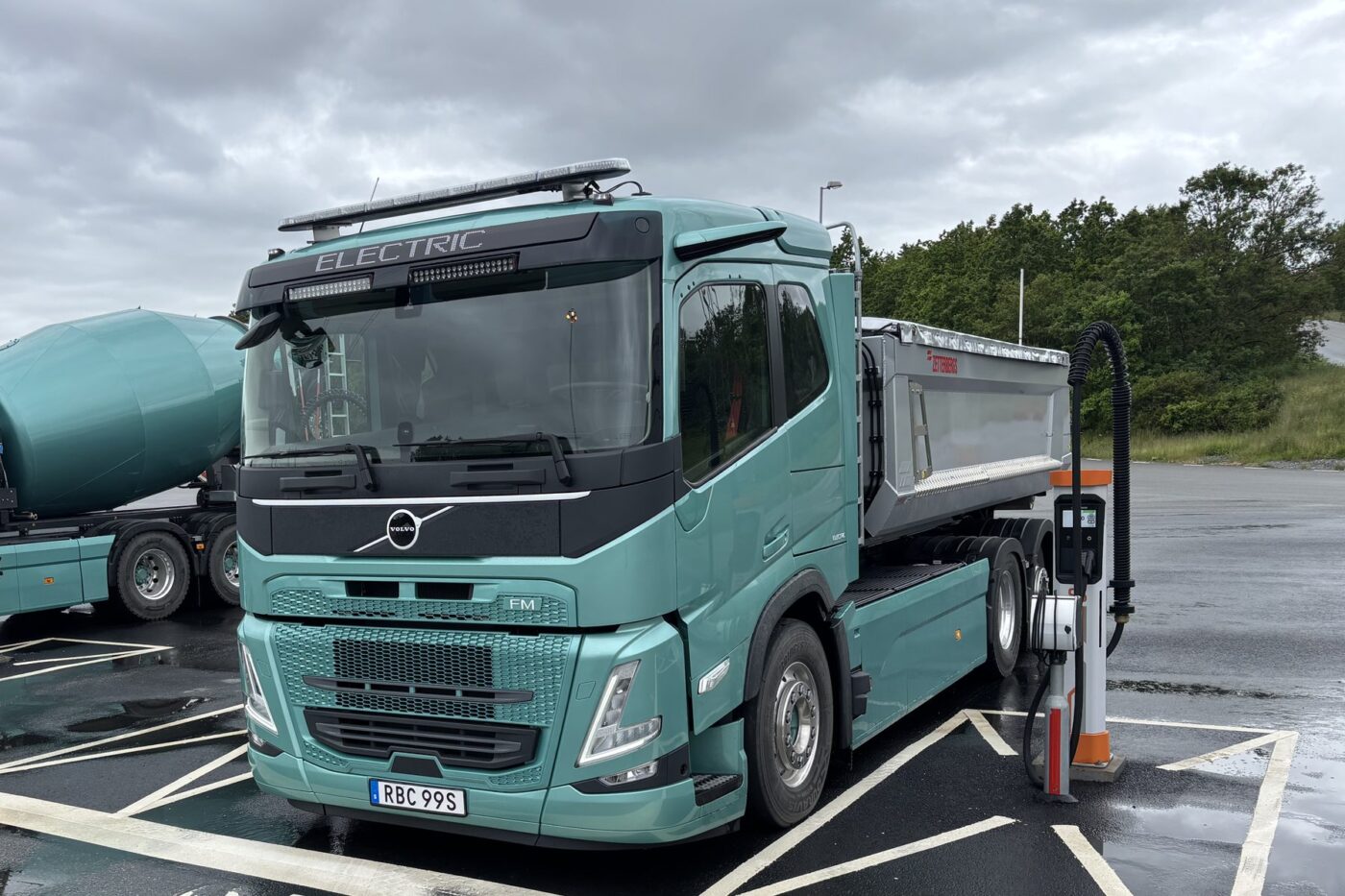
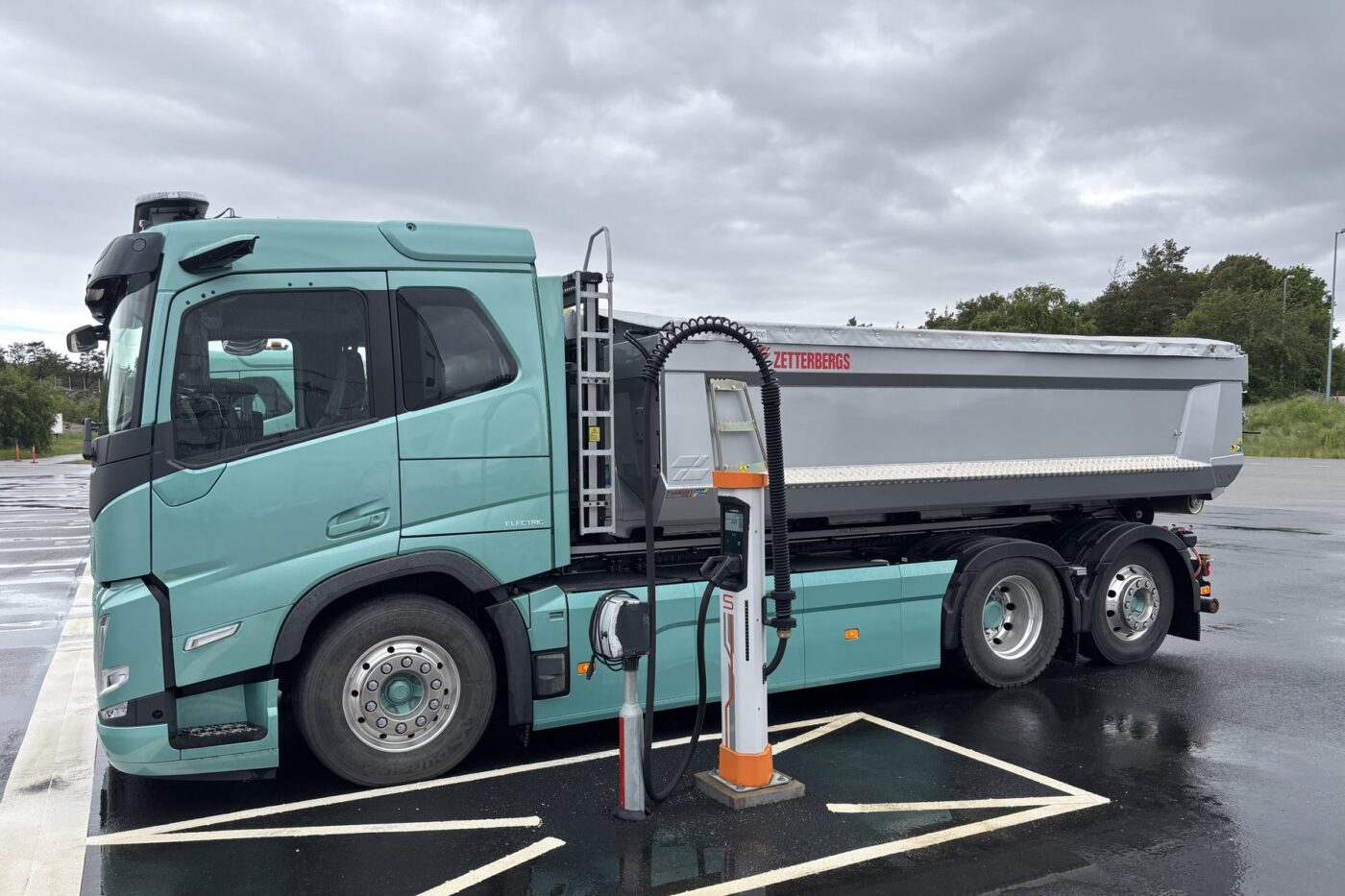
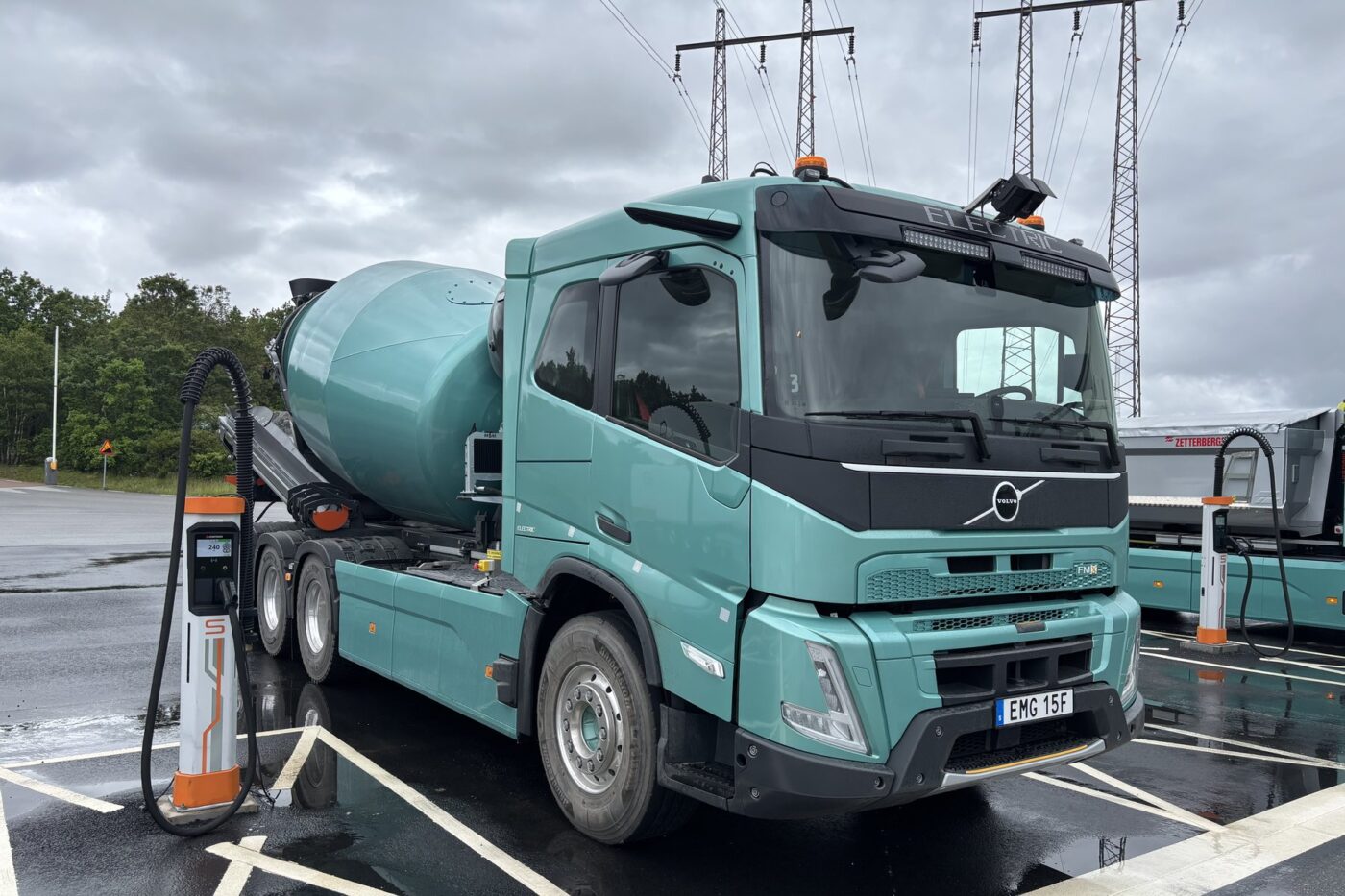
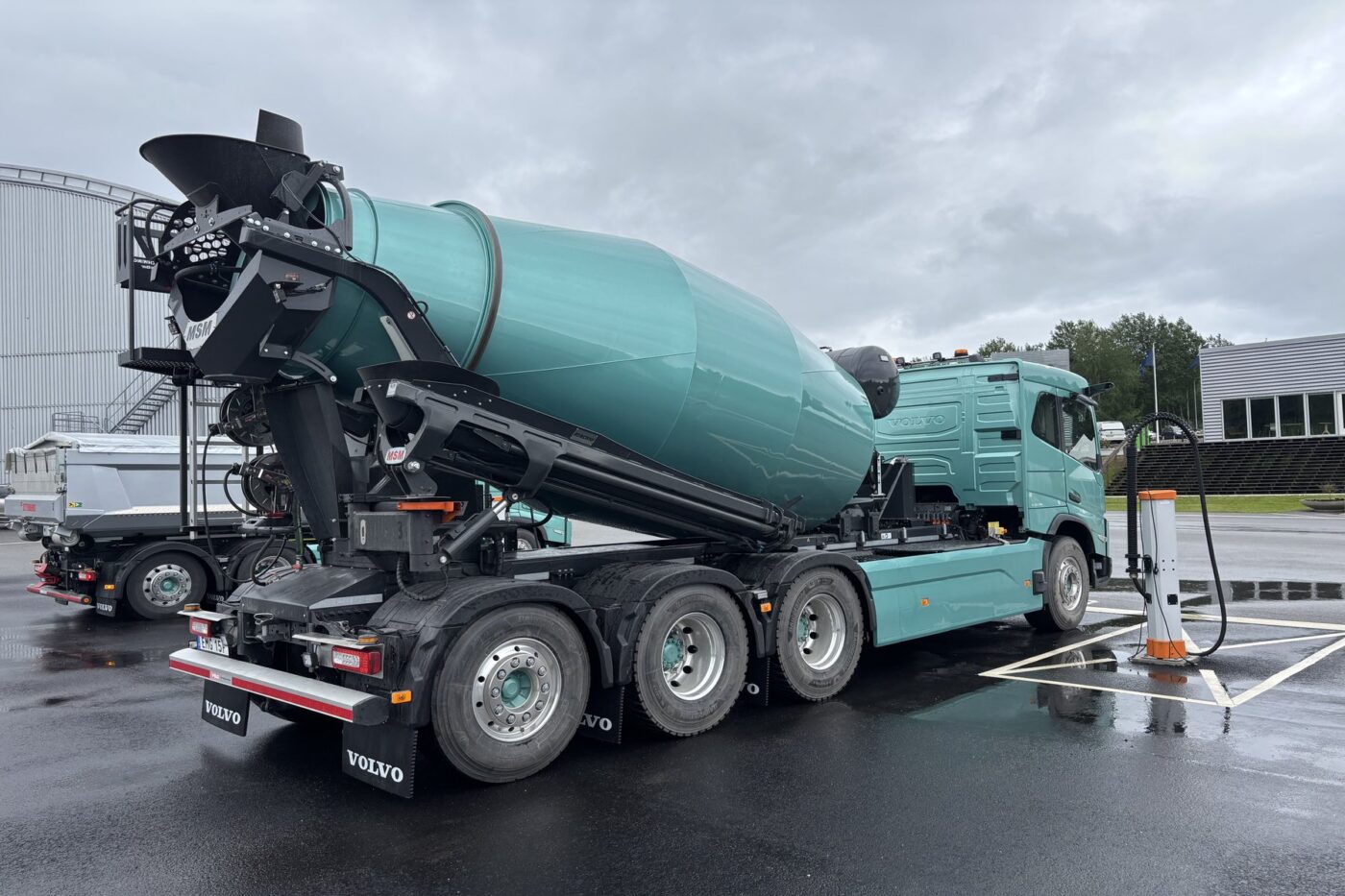
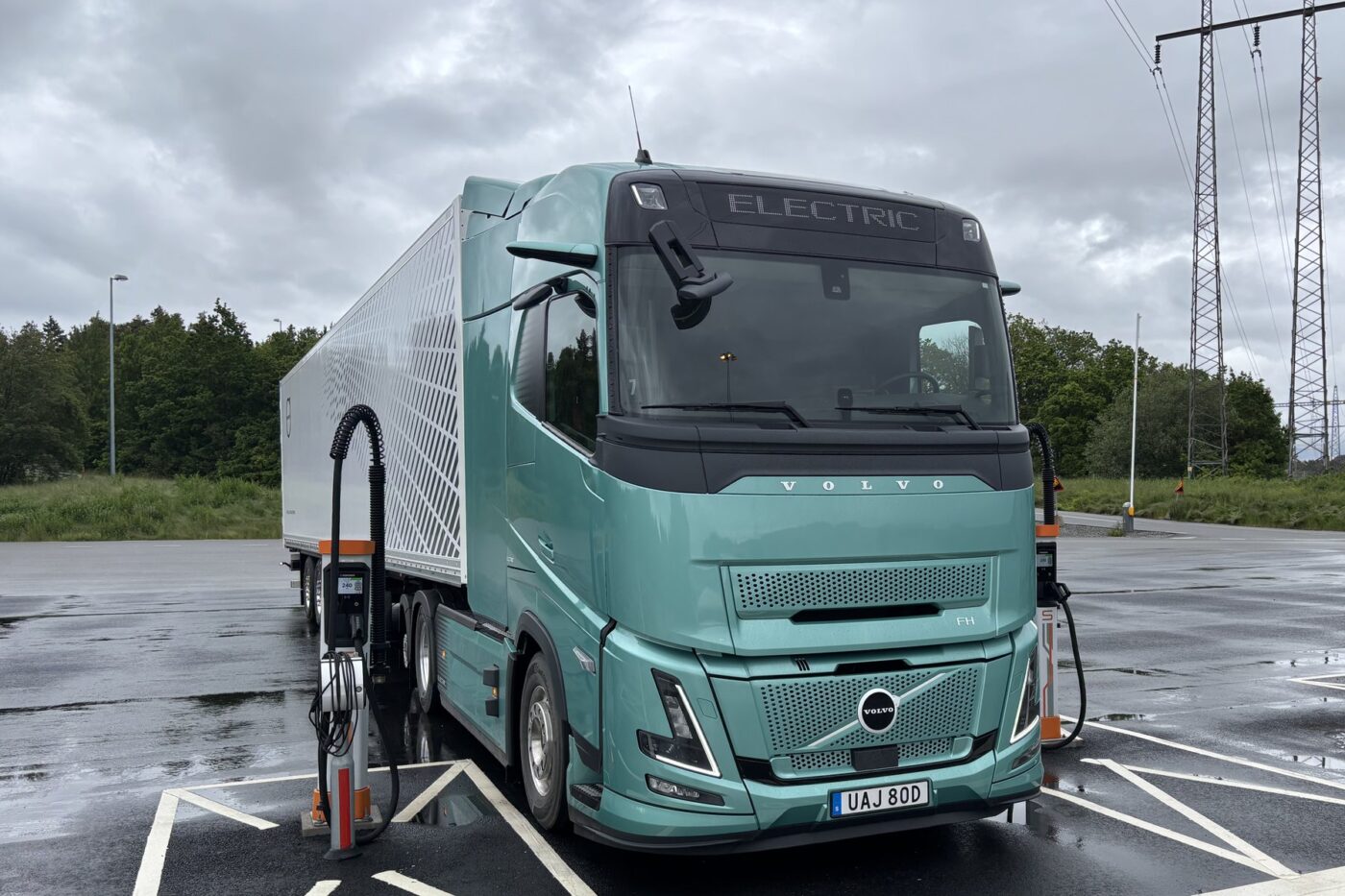
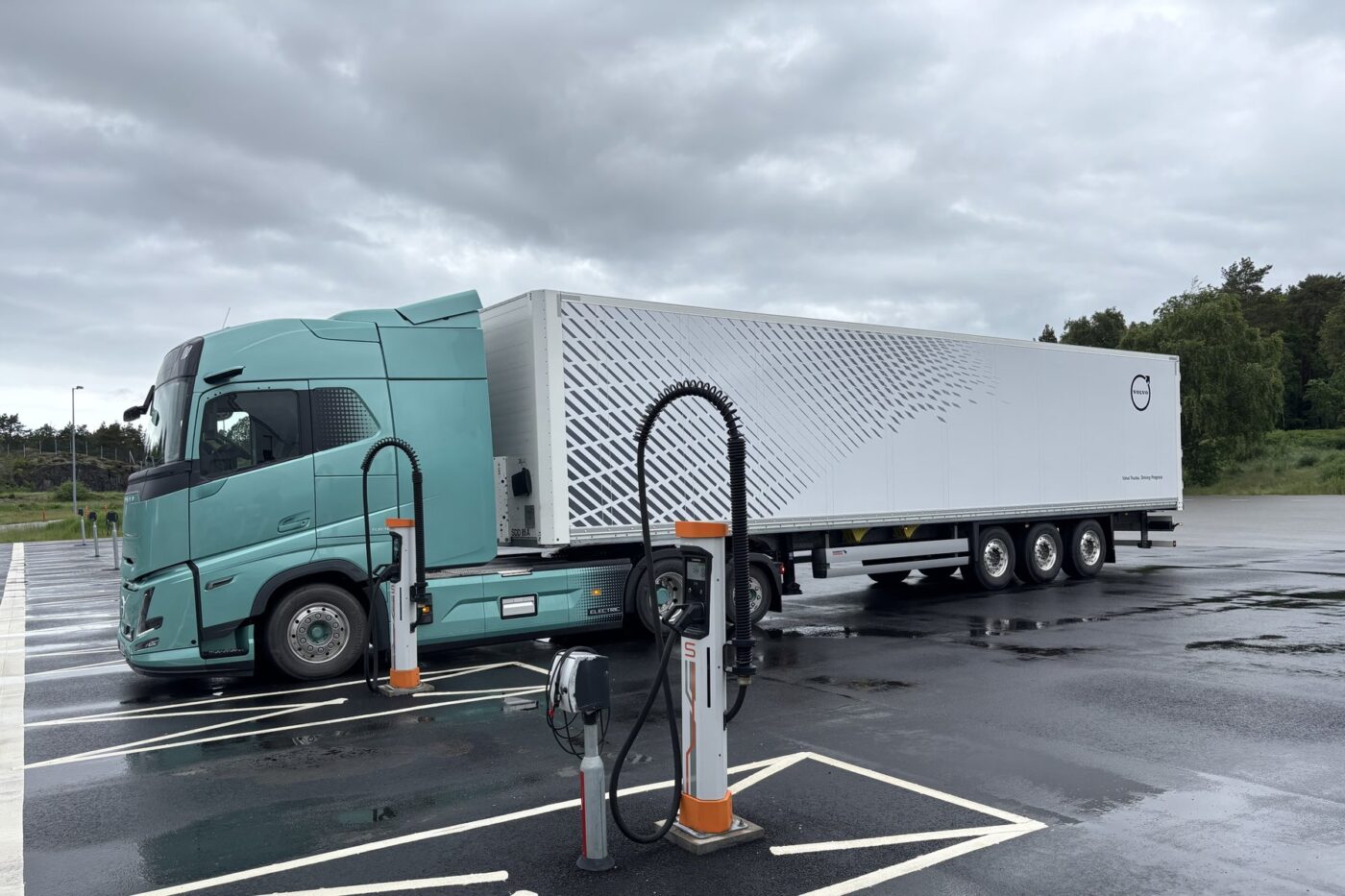
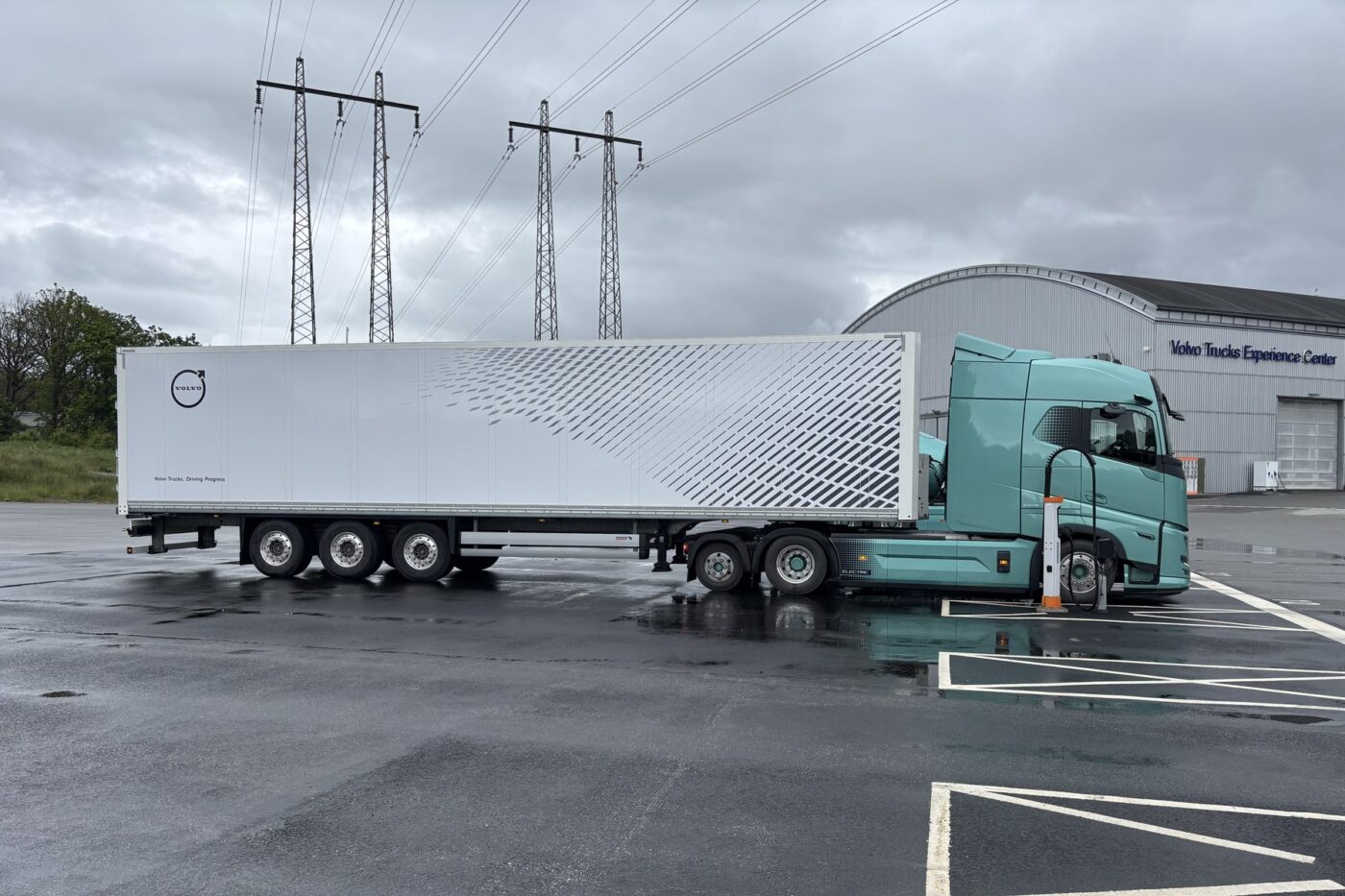
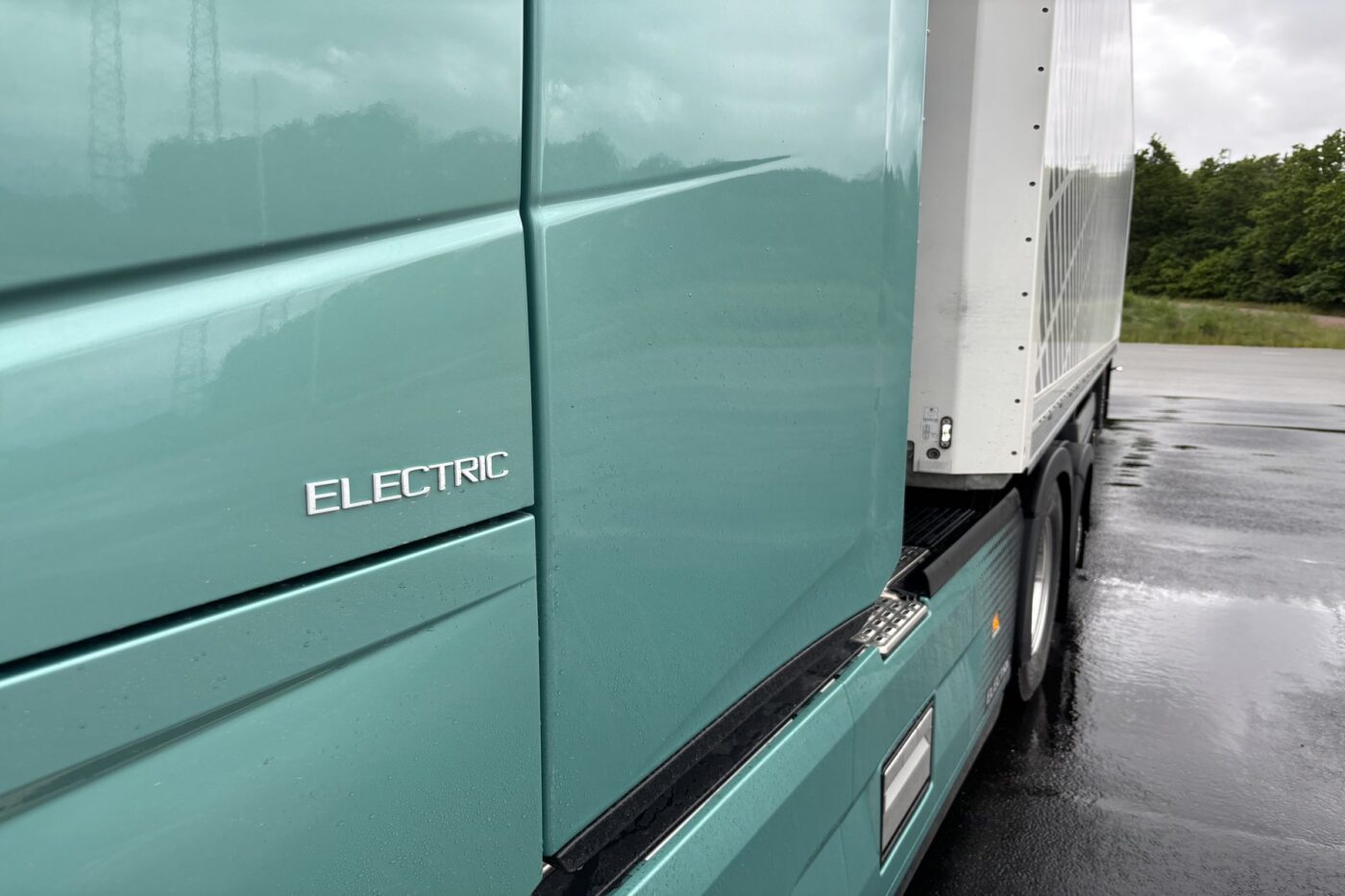
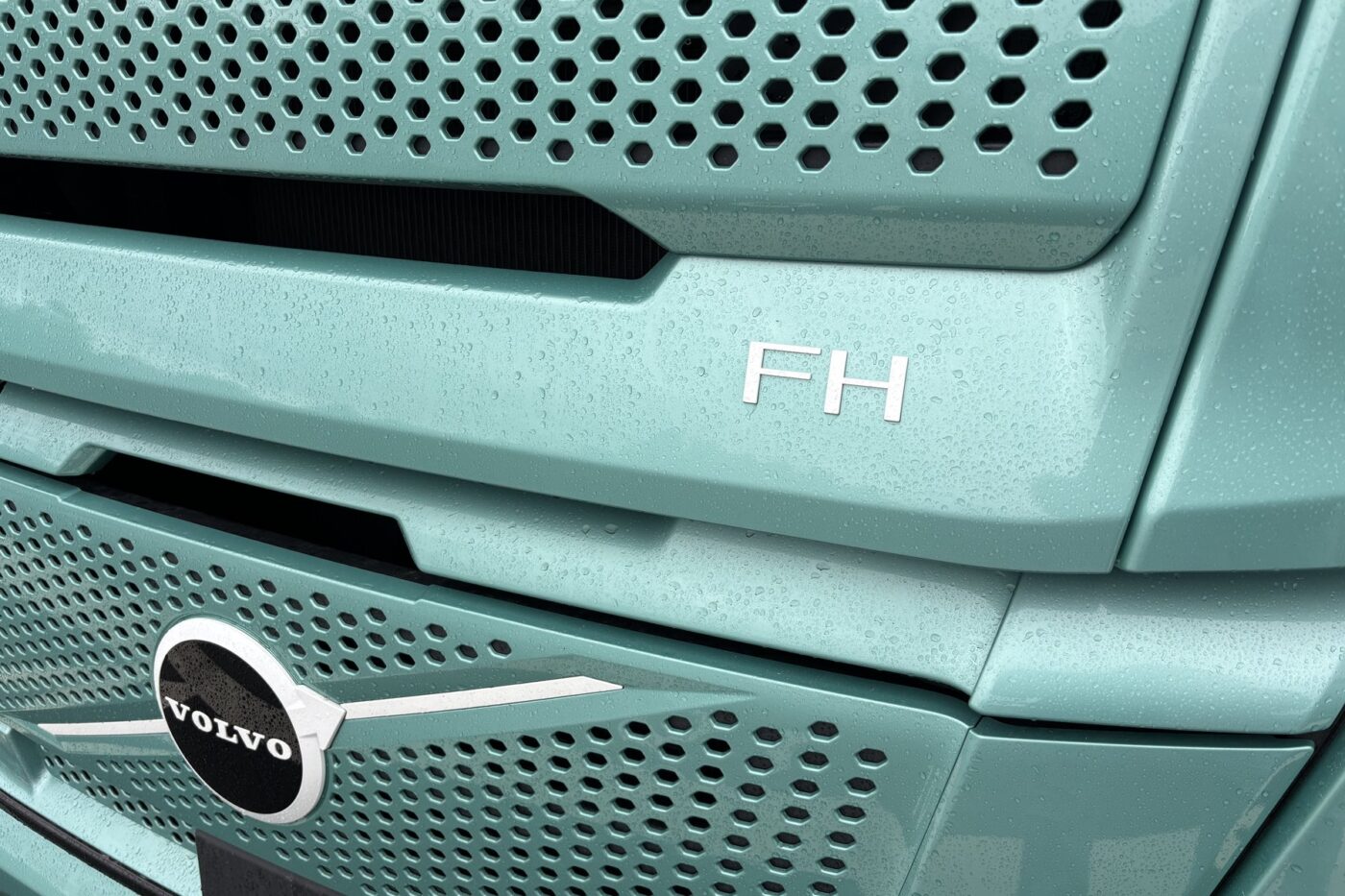
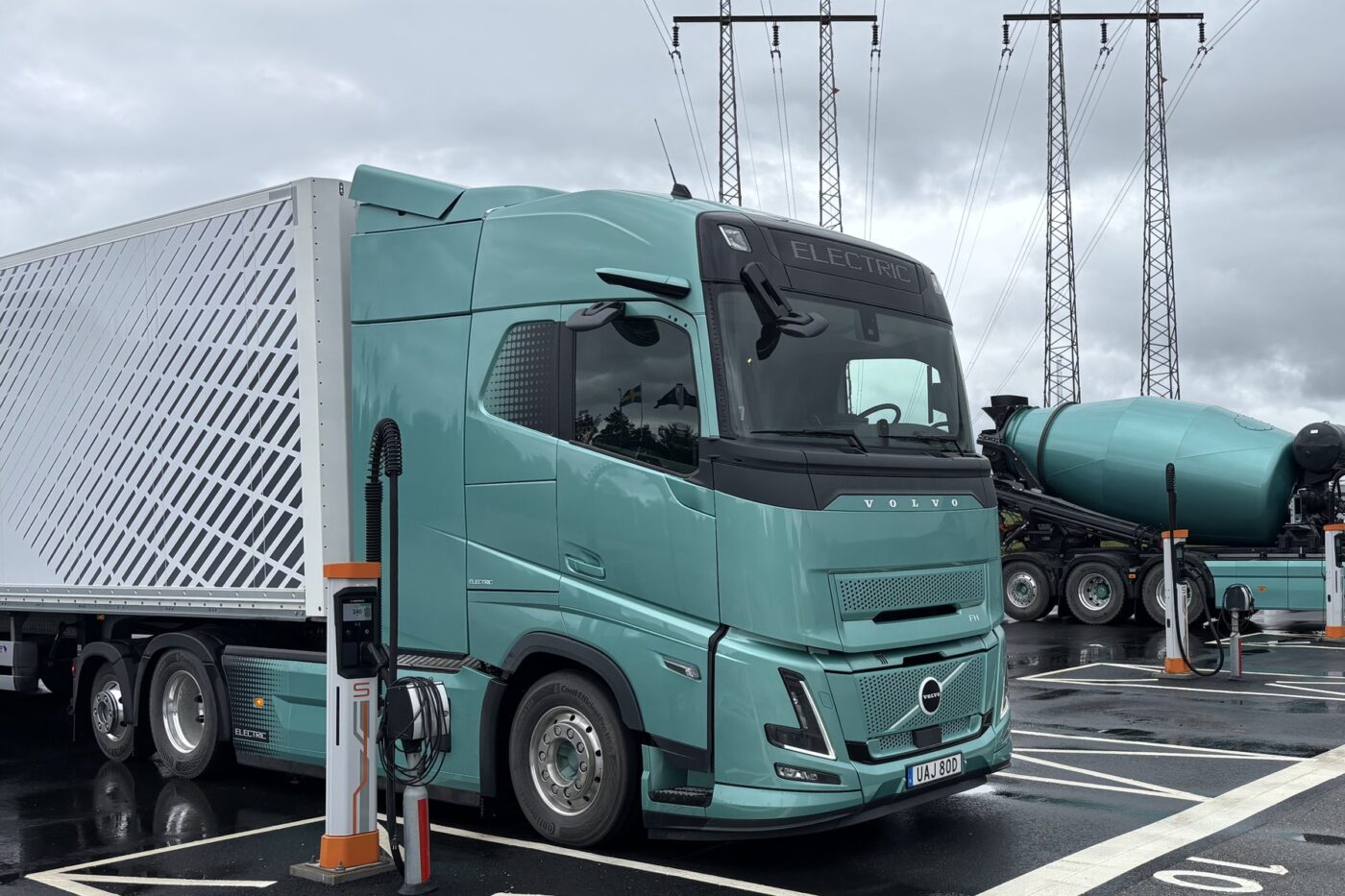
In other words, Volvo Trucks offers around 100 kWh more usable battery capacity than any current rival. The company attributes this advantage to its experience with cell chemistry. “We have tested extensively and continuously,” said Niklas Andersson, Electric Solutions Director at Volvo Trucks. “And we have concluded that we can release more capacity without risk. It works.”
According to Andersson, the higher range is not solely the result of unlocking more battery capacity. Volvo Trucks has also introduced improved battery monitoring and software updates. “We have much better control over the cells,” he added.
However, packing 780 kWh of battery capacity into a single truck comes with compromises. Volvo Trucks only offers the FH Aero Electric with its new e-axle. This configuration is the only way to create enough space for the eight battery packs, as a conventional central drive with a propshaft would occupy too much room.
The weight impact is significant, too. Each battery pack weighs around 600 kilograms, bringing the tractor unit’s tare weight to 13.3 tonnes. To maintain a practical payload, Volvo Trucks only offers the long-haul model as a 6×2 tractor with a steerable tag axle. This increases the permissible rear axle load to 16 tonnes, 4.5 tonnes more than a comparable 4×2 configuration. According to Volvo Trucks, this should make it easier for operators to manage axle loads when transporting freight.
Longer truck-trailer combination retains manoeuvrability
“The truck was originally developed for the 4×2 segment. However, due to the higher battery weight, we added a weight-optimised tag axle,” Volvo Trucks explained during the presentation.
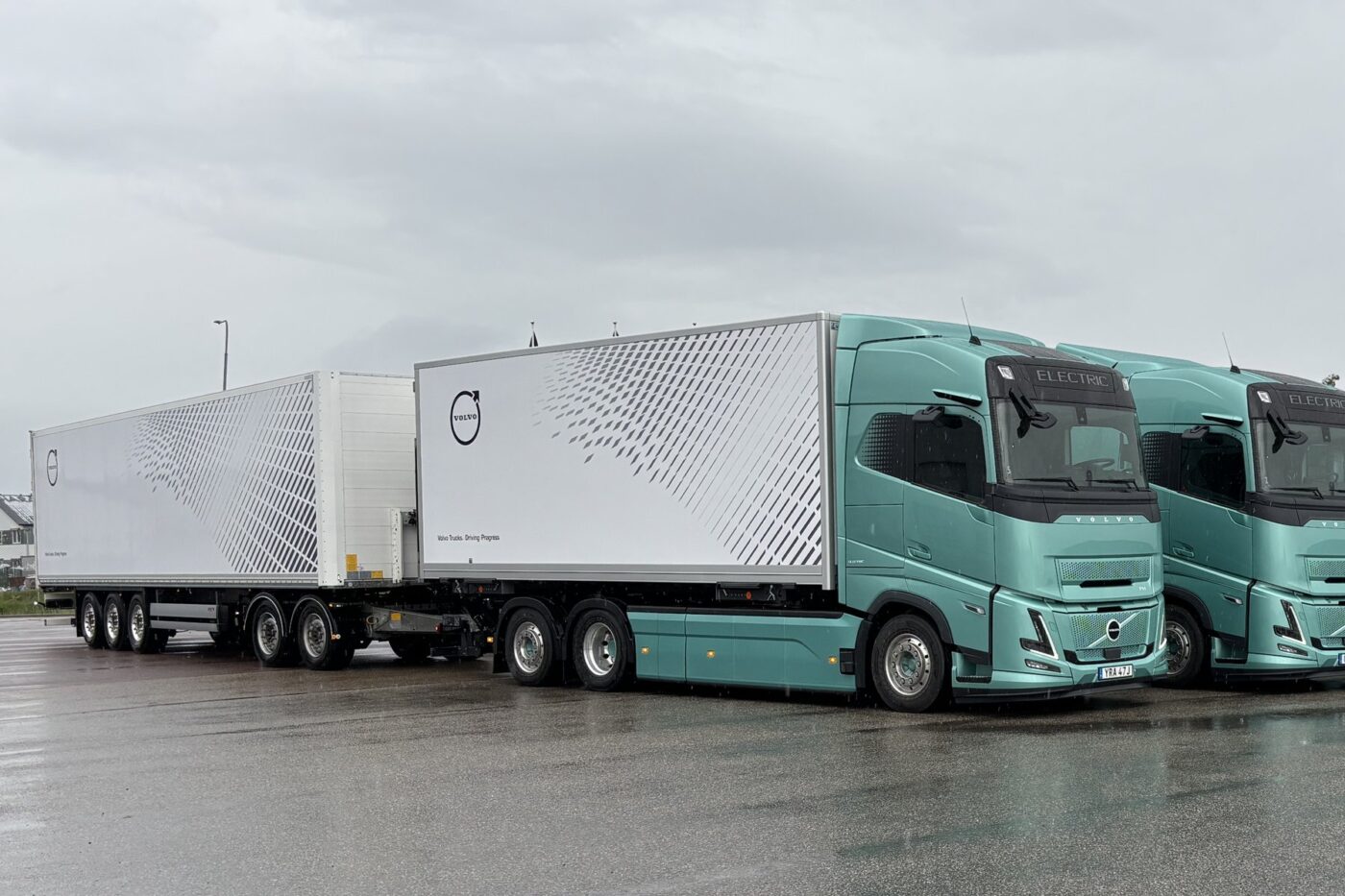
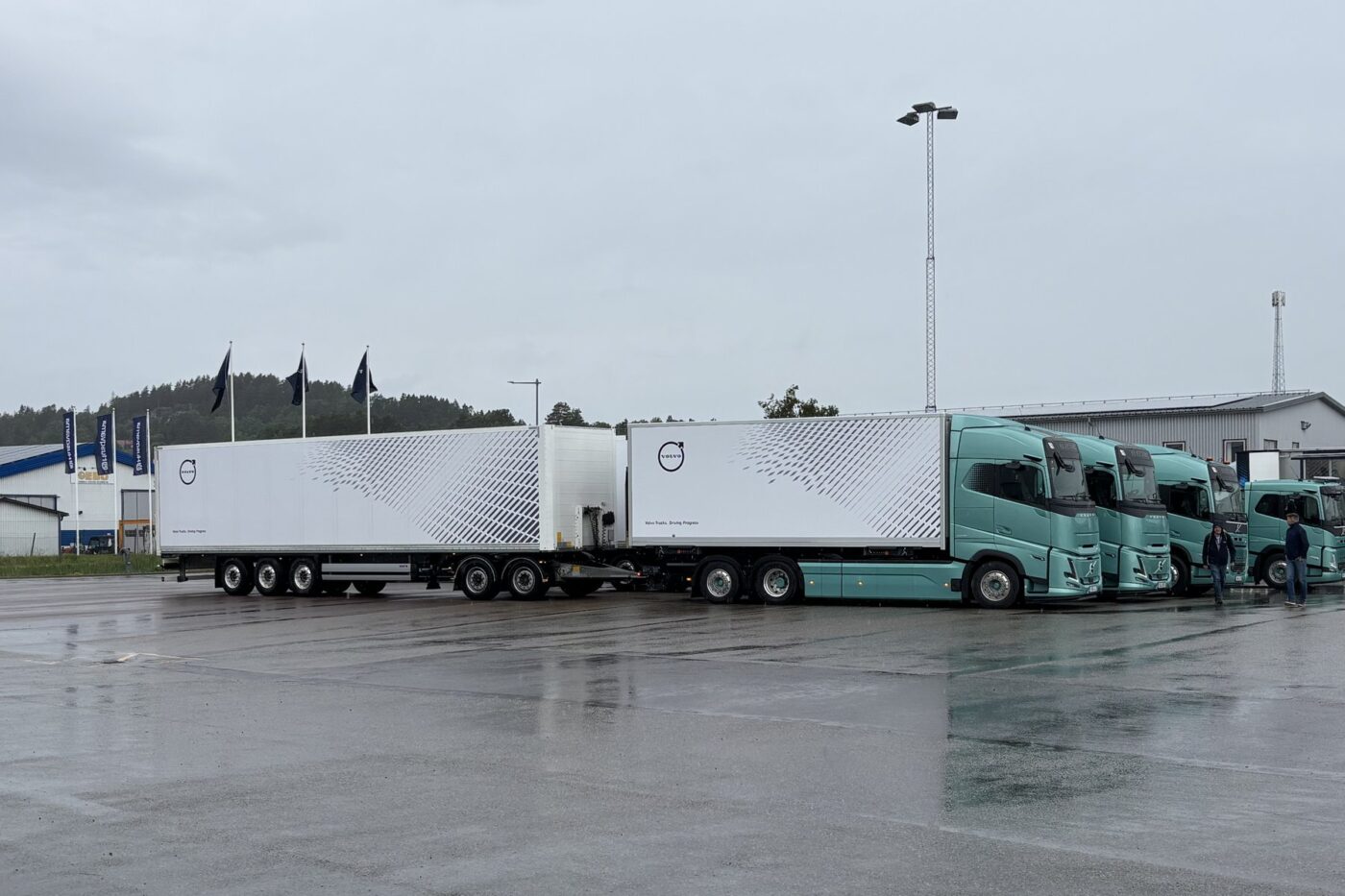
The additional axle and the eight battery packs mounted between the axles increase the vehicle’s overall length. With a standard trailer and the aerodynamic FH Aero cab, the complete tractor-trailer combination exceeds 17 metres. Volvo Trucks stresses, however, that the vehicle still complies with the mandatory turning-circle requirements. As a result, it is permitted to exceed the standard EU maximum vehicle length of 16.50 metres.
Operators that do not require a range of up to 700 kilometres and want to maximise payload can choose versions of the FH Aero Electric with between two and six battery packs. These configurations also reduce the vehicle’s overall length, as the wheelbase shrinks from 4.1 metres to 3.6 metres.
However, 4×2 and 6×4 variants are only available with Volvo Trucks’ central-drive layout and the i-Shift transmission carried over from the first generation. As previously reported, Volvo has upgraded this drivetrain for its second-generation electric trucks. In tractor-unit applications, it now enables a range of up to 470 kilometres, compared with around 300 kilometres previously.
The table below summarises the key specifications of the new model range:
| FH Aero Electric Extended Range | FH Aero Electric Standard Range | FH Electric 2. Generation | |
|---|---|---|---|
| Drivetrain | E-axle with 2 motors and six-speed transmission | E-axle with 2 motors and six-speed transmission | Propshaft with 2 motors and eight-speed transmission |
| Axle configuration | 6×2 | 6×2 | 4×2, 6×2, 6×4, 8×2, 8×4 |
| Peak power | 420 or 460 kW | 420 or 460 kW | up to 540 kW |
| Permissible gross combination mass* | up to 48 t | up to 48 t | up to 65 t |
| Tare weight | 13.3 t | 11.8 t | 10.5 t |
| Payload at 42 t GCM | 22 t | 24 t | 25 t |
| Battery capacity gross | 780 kWh | 585 kWh | 540 kWh |
| Battery capacity net | 725 kWh | 545 kWh | n.a. |
| Range | up to 700 km | up to 525 km | up to 470 km |
| CCS charging power | 350 kW | 350 kW | 350 kW |
| MCS charging power | 700 kW | – | – |
*in Germany up to 42 tonnes
Volvo Trucks will open the order books for the FH Aero Electric with the new e-axle on 15 June. Production of the model and the other second-generation heavy-duty electric trucks is scheduled to start in early September. Volvo will build the vehicles on flexible production lines alongside diesel-powered models at its plants in Ghent, Belgium, and Tuve, Sweden.
At the same time, the manufacturer will phase out the first generation of the FH Electric, FM Electric and FMX Electric. The only exception is the FM Low Entry, which will remain in production as a dedicated model for municipal applications.
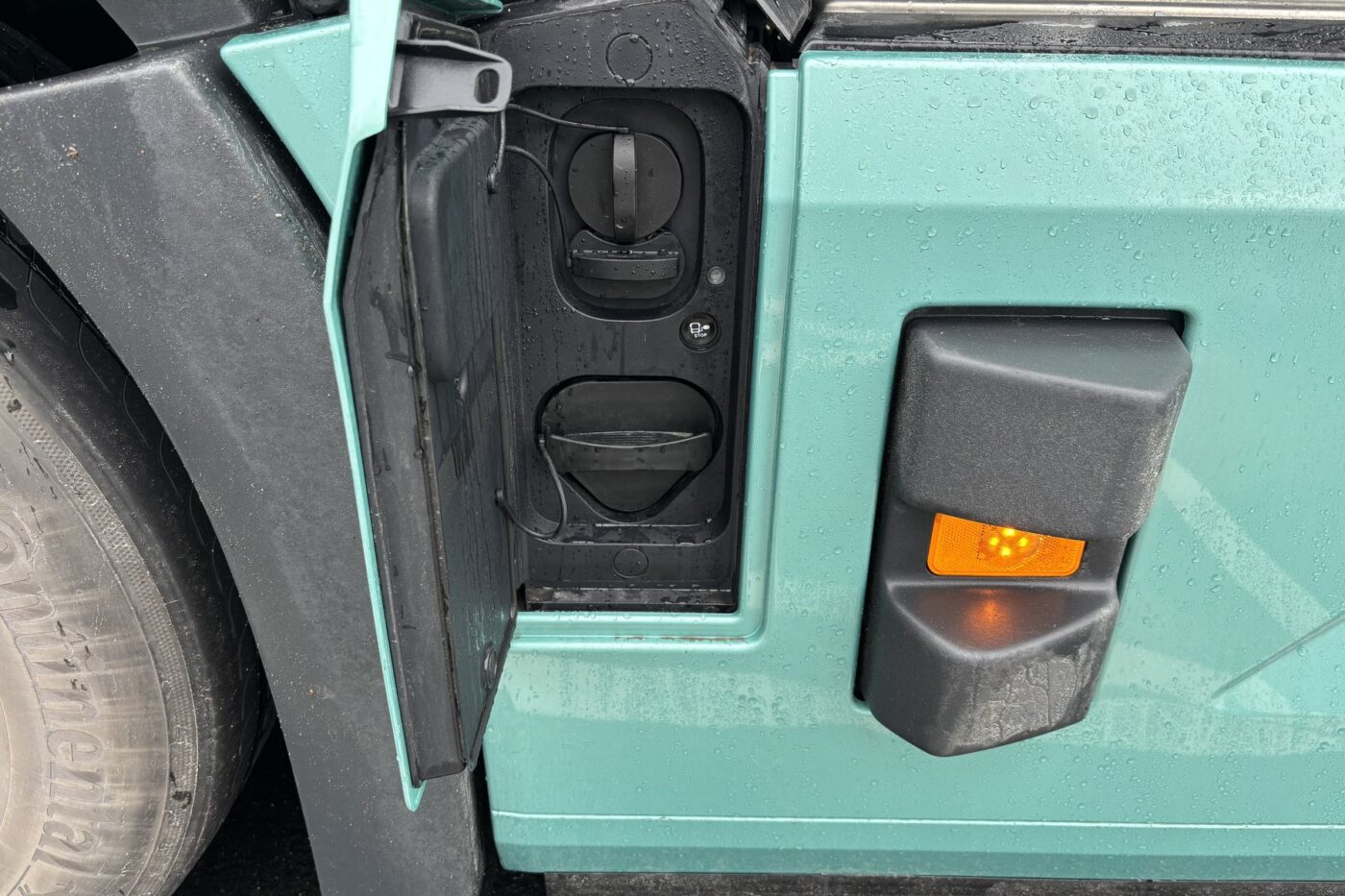
The second generation also brings several technical changes. Volvo Trucks no longer offers AC charging for its heavy-duty electric trucks. The FH Aero Electric Extended Range comes with a 700 kW MCS charging port as standard, although the system is not yet available for other variants. In addition, all new models leave the factory with charging ports mounted exclusively on the left-hand side.
Battery warranty: 6 years or 720,000 kilometres
The battery design also stands out. As reported in detail during the global premiere of the Renault Trucks E-Tech T 780, the battery packs have an L-shaped design rather than a conventional rectangular form. This allows Volvo Trucks to install them not only along the chassis rails but also beneath parts of the frame structure, making better use of the available space.
The packs contain prismatic cells, unlike the small cylindrical cells used in the FH Electric with the central-drive layout. Another noteworthy detail is the battery warranty. Volvo Trucks guarantees a state of health of at least 80 per cent after six years or 720,000 kilometres.
This warranty is particularly interesting given that Volvo Trucks is making a significantly larger share of the battery’s gross capacity available for use. Renault Trucks takes a different approach with the E-Tech T 780. Its sister model releases 624 kWh of net capacity and comes with a battery warranty of up to eight years or one million kilometres. Renault Trucks also quotes a slightly higher peak MCS charging power of 720 kW.
This highlights the different strategies in the trade-off between battery lifespan, energy content, and weight. Volvo Trucks’ warranty is, however, quite industry-standard. For example, Mercedes-Benz Trucks offers an almost identical warranty for the batteries in the eActros 600.
One thing became clear in Gothenburg: Volvo Trucks is pushing the boundaries of current technology to gain an edge in one of the most important purchasing criteria in long-haul transport – range. It is therefore no coincidence that Niklas Andersson described the FH Aero Electric as setting a new industry benchmark. The substantial investment in developing a long-haul electric truck also underlines the strategic importance of this segment.
The FH Aero Electric sits at the top of a broader second-generation electric truck portfolio that offers significantly greater range than before, as well as a wider choice of axle configurations and vehicle layouts. Volvo Trucks may have taken longer than some competitors to bring its next-generation products to market, and some customers may have opted for rival brands in the meantime. However, the new model range gives the manufacturer a strong position in the rapidly growing market for battery-electric trucks.

0 Comments