

Bloomberg study claims battery prices will continue to fall at slower rate
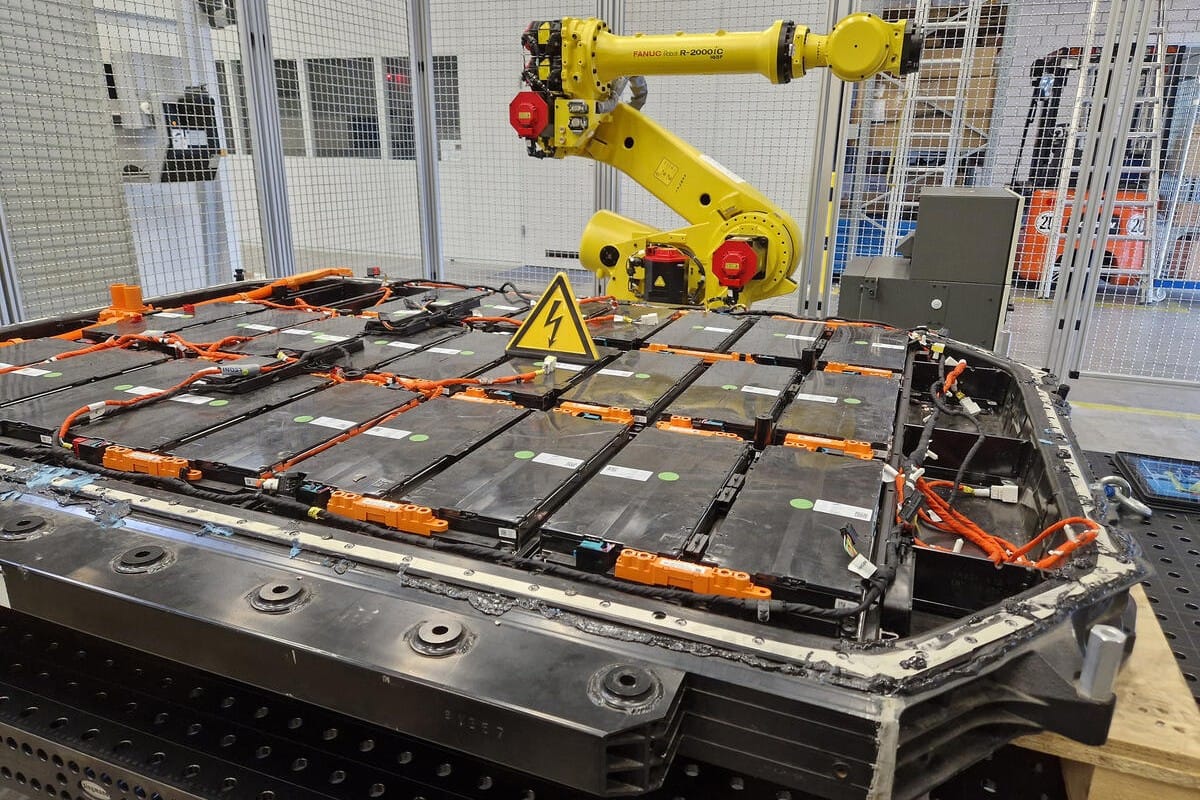
BloombergNEF expects the average price of a battery pack to decline to 105 US dollars per kilowatt-hour by 2026, a three per cent reduction. This projected decrease is smaller than this year’s: battery prices fell by eight per cent to 108 US dollars per kWh in 2025.
The sharp decline in battery prices this year (in 2024, the price was still 115 USD/kWh) was not always certain. Prices for individual battery metals temporarily rose during the year. BloombergNEF identifies several risks in the supply chain, including issues in Chinese lithium mines and restrictions on cobalt exports from the Democratic Republic of Congo. The latter led to a 124 per cent price increase between January and October.
However, BloombergNEF’s raw materials experts attribute the smaller projected decline in battery prices for 2026 only partly to persistently high raw material costs. Internationally rising tariffs also play a role. Other factors are contributing to lower prices: an expected oversupply of production capacity in China, increased competition, and the “ongoing shift to products that use lower-cost and safer lithium-iron phosphate technology.”
“Cutthroat competition is making batteries cheaper every year,” says Evelina Stoikou, Head of the Battery Technology Team at BloombergNEF. “This is an important moment for the industry, as record-low battery prices create an opportunity to lower EV costs and accelerate the deployment of grid-scale storage to support renewables integration around the world.”
Lower battery prices are crucial not only for the ongoing adoption of electric cars: back in 2010, one kilowatt-hour of storage capacity still cost nearly 1,000 US dollars—but also for the power grid. More affordable batteries benefit stationary energy storage systems, which are being connected in greater numbers. These systems can stabilise volatile power generation from wind and photovoltaic systems while meeting the rising electricity demand from data centres. BloombergNEF expects global installations of stationary storage to double over the next decade.
bloomberg.com (Paywall)
This article was first published by Sebastian Schaal for electrive’s German edition.


0 Comments