


PEM researches direct recycling of battery materials
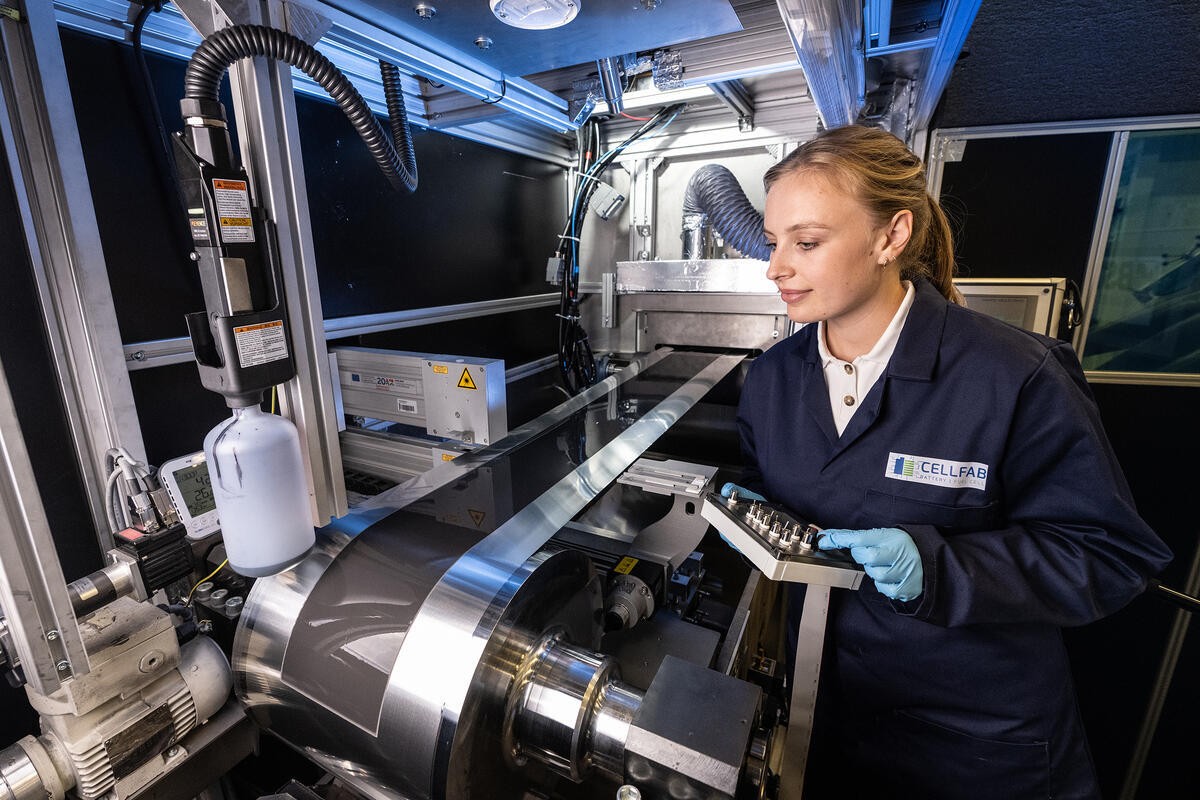
RECLAIM is a three-year research project funded by the state government of North Rhine-Westphalia, Germany. Its goal is to develop environmentally friendly and resource-efficient battery recycling technologies to significantly reduce future demand for primary resources, according to PEM. In addition to the Aachen team, the project is coordinated by the Fraunhofer Research Institution for Battery Cell Production FFB. Other partners include the MEET Battery Research Centre at the University of Münster and the companies Cylib and No Canary. Otto Junker Solutions is also involved as an associated partner.
The project’s primary focus is on delamination as a method for the direct recycling of battery materials. In this process, valuable active materials in end-of-life batteries and battery production scrap are not chemically broken down but directly recovered. Delamination—a direct battery recycling process—involves separating the active material from the current collector foil using thermal, mechanical, or wet-chemical methods.
The project partners plan to evaluate these concepts, testing them from the first demonstrator through to pilot-line scale. hnical, economic, and ecological criteria under which circumstances and for which of the materials the processes are suitable for industrial use,” said PEMʼs project manager, Timon Elliger. The RECLAIM project will examine different active materials and various binding systems in technically viable combinations.
Professor Achim Kampker, Head of PEM, added: “Recycling promotes the establishment of a European value chain that reduces Europeʼs dependence on imported and often critical raw materials and increases resource efficiency.” To enhance sustainability in battery cell production, Kampker emphasised the need to research more direct recycling methods to enable efficient material recovery and industrialisation.
pem.rwth-aachen.de


0 Comments