


PEM develops real-time measurement for slurries in battery production
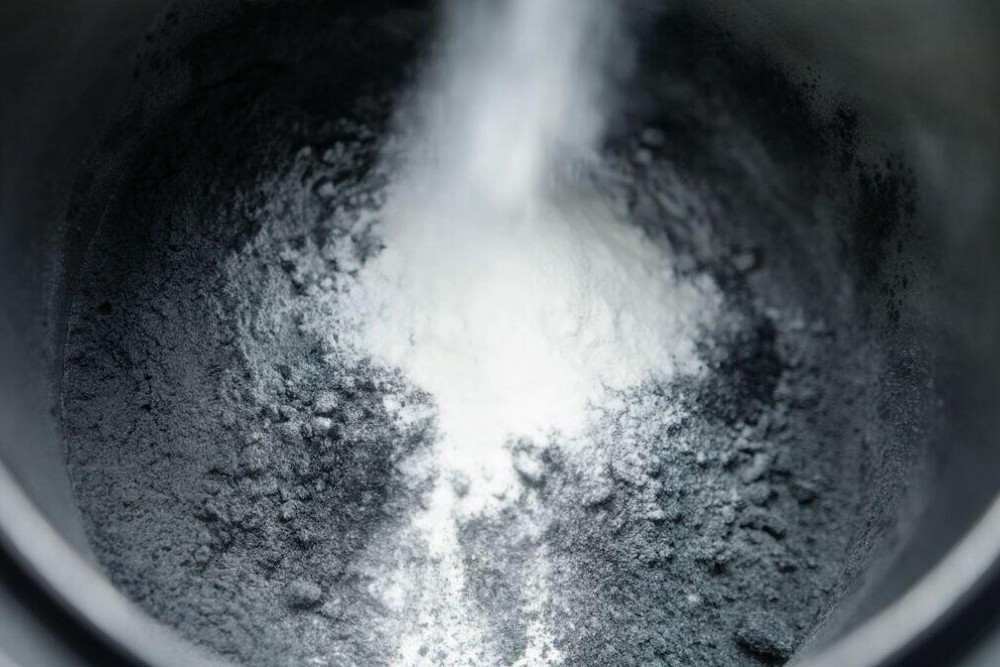
Slurries are a central component in the current manufacturing process of battery electrodes. They consist of pastes made from active materials, binders, and conductive carbon blacks, mixed with water or organic solvents. These pastes are subsequently applied to thin metal foils and undergo an elaborate drying process.
In the ‘MixItUp’ project, PEM is collaborating with Suragus until mid-2028 to develop a novel measurement method for characterising slurries in real time during production. The project is funded by the German government. “The quality of the slurry is crucial for the performance of battery cells, but current methods for its electrical characterisation involve time-consuming laboratory measurements that do not allow real-time process control,” said PEM Director Professor Achim Kampker. The project’s goal is thus to create an inline measurement system that can be integrated into the mixing process.
The measurements will capture electrical conductivity, homogeneity, and particle distribution, and will be compared with process parameters in a database. “Eventually, we will enable continuous monitoring, early fault detection, and optimised process control,” said PEM Management Member Professor Heiner Heimes. The method will first be validated in a test rig and later transferred to a pilot line.
The inductive sensor system is designed to measure contactlessly. The technology is based on an eddy current sensor with FPGA-based real-time signal processing. PEM’s role is primarily to research the industrial application of the method. “At the end of the project, the aim is to have an industry-ready measuring system for real production environments, which will be demonstrated in at least two application cases,” the partners state. The scientists will primarily focus on the production of battery cells for mixing electrode pastes but will also consider other functional pastes, such as those used in fuel cell production.


0 Comments