


Rio Tinto takes over Nemaska Lithium
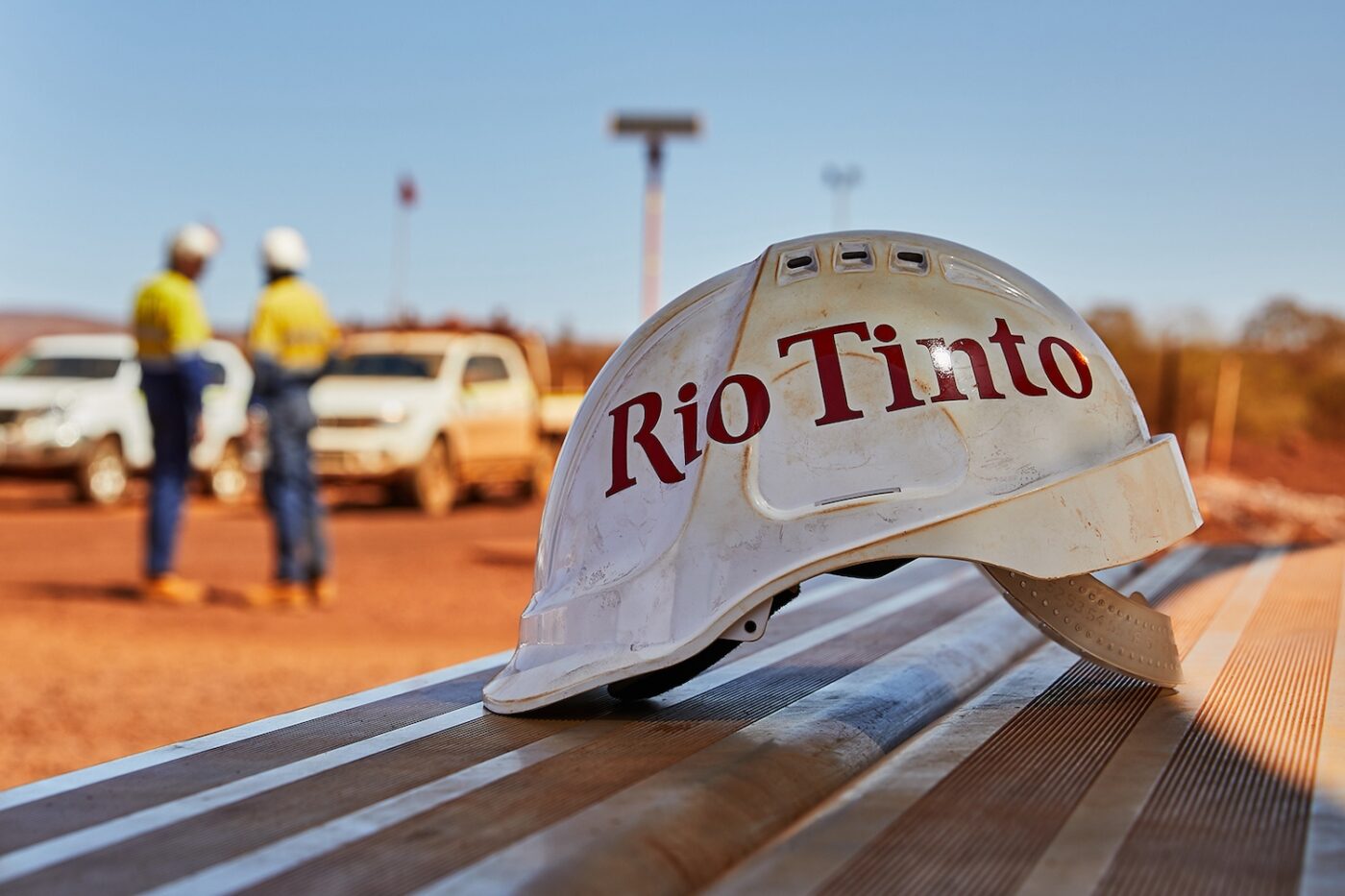
Rio Tinto has announced that it now holds a 53.9 per cent stake in the lithium producer and will take direct management control. The remaining 46.1 per cent is held by the provincial government of Quebec. While local policymakers will continue to have a say, they will no longer hold a majority against Rio Tinto’s shares in decision-making. However, both parties have been collaborating for some time and have already invested in Nemaska Lithium for nearly a year—with the eastern Canadian province doing so through its economic development agency, Investissement Québec.
Rio Tinto initially acquired a 50 per cent stake in Nemaska Lithium by taking over the company Arcadium—a $6.7 billion deal that positioned Rio Tinto as the world’s largest lithium producer. This year, the mining group has invested over $300 million (approximately €254 million) to expand its lithium operations in Quebec. As Rio Tinto states in its announcement, Quebec will additionally invest up to $200 million in Nemaska Lithium through share subscriptions.
Nemaska Lithium comprises a lithium hydroxide plant under construction in Bécancour and a spodumene mine in Whabouchi, located in the Eeyou Istchee James Bay region. There, lithium-bearing spodumene concentrate is mined and transported to Bécancour, where lithium hydroxide is extracted from the material. Additionally, the so-called Galaxy-Mini, wholly owned by Rio Tinto, is part of the group. According to Rio Tinto, it is currently evaluating both mining projects ‘to determine the optimal spodumene supply strategy for the Bécancour plant.’ This assessment is expected to be completed in the first half of 2026. The timing aligns well: the lithium processing facility in Bécancour is set to commence operations this year, though initial production is not expected until 2028.
The lithium produced by Arcadium is used in battery-electric vehicle batteries by manufacturers such as BMW, Ford, GM, Tesla, and Toyota. Nemaska Lithium signed an offtake agreement with Ford in 2023. Rio Tinto thus has prominent buyers in the lithium sector. However, the relevance of the Ford contract for Canadian lithium hydroxide remains uncertain: firstly, the US automaker has significantly scaled back its EV plans, and secondly, the company is focusing on LFP cells for its new Universal EV Platform for more affordable electric models—these use lithium carbonate and do not require lithium hydroxide.
“Rio Tinto’s activities in Québec play an important role in our ambition to take our world-class lithium business to the next level of growth and performance, notably through Nemaska Lithium. This evolution will facilitate the achievement of this objective and enable us to better support the long-term development of Nemaska Lithium, which will expand our integrated lithium product offering,” said Jérôme Pécresse, CEO of Rio Tinto Aluminium & Lithium. “Rio Tinto remains committed to Québec and Canada because we believe in the country’s potential to become a leader in the industries of the future, and we are determined to continue developing our assets here to supply the materials the world needs.”
While the world will likely need significantly more batteries in the future, the question remains as to which materials will be required. In electromobility, NMC and NCA batteries have long dominated due to their higher energy density, enabling greater ranges. However, LFP cells have caught up significantly and remain considerably more cost-effective. As a result, many automakers in China are already adopting LFP cells, and Western manufacturers are increasingly following suit. With the first serial use of sodium-ion batteries, a new technology that operates without lithium is emerging. While experts believe lithium will remain the most important battery material in the coming years, price volatility—particularly for lithium hydroxide—makes planning and investments more challenging. Moreover, the North American market, which Rio Tinto is targeting with its Canadian operations, is shifting away from its previous commitment to electric mobility under the policies of President Trump.
The impact of current lithium hydroxide market prices is already evident in Australia. There, US chemical group Albemarle has shelved its expansion plans for lithium hydroxide processing in Kemerton, announced as recently as 2023, and has now completely halted production. While the plant has not been closed, no battery materials are currently being produced—because it is not economically viable at current prices.

0 Comments