


BMW reportedly negotiating minimum price agreement for Mini electric vehicles
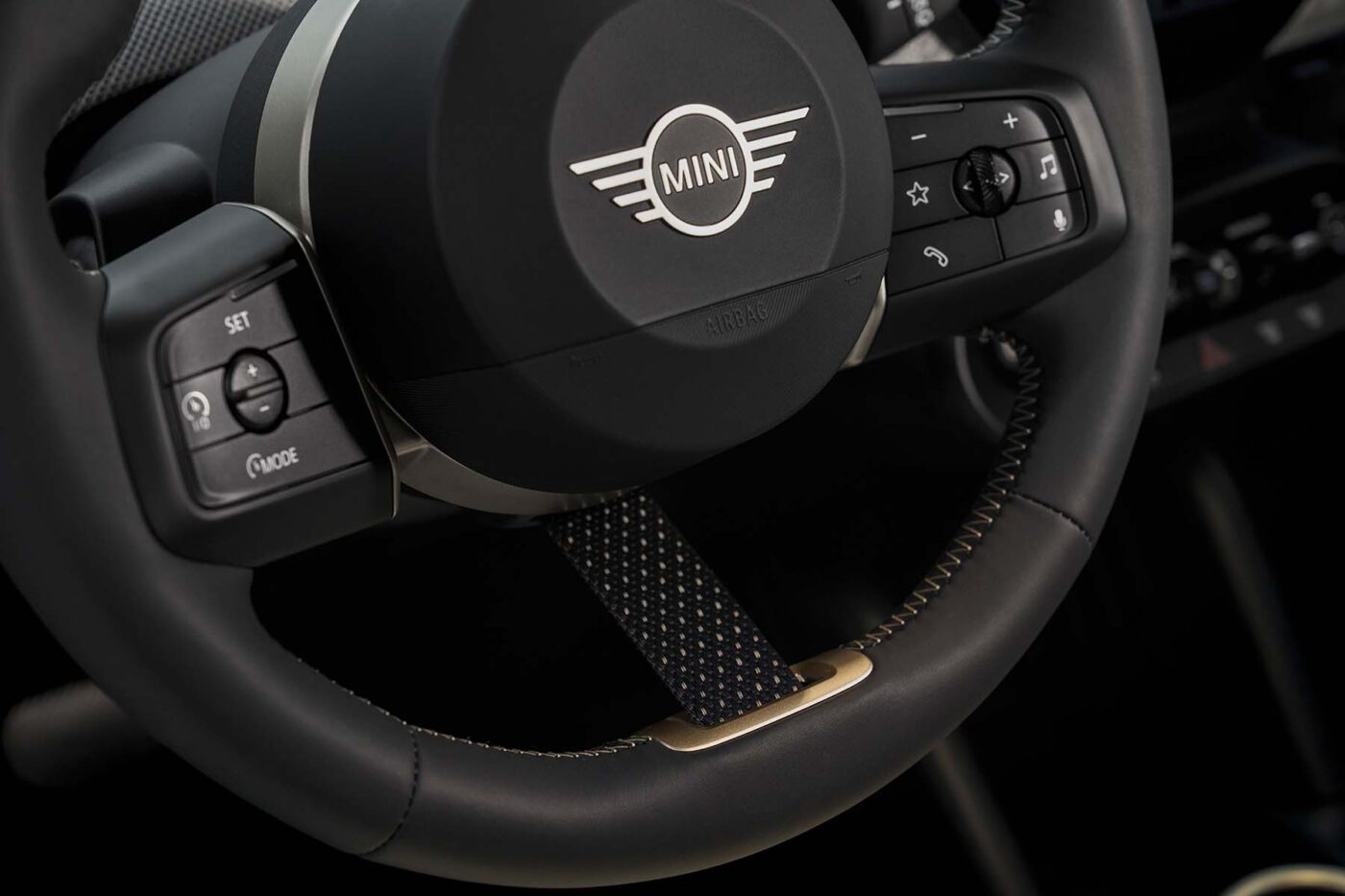
The German business publication Handelsblatt reports, citing insider sources, that the European Commission may soon permit BMW to import electric vehicles from China at a minimum price. This specifically concerns the Mini Aceman and Cooper models, which are produced in Zhangjiagang, Jiangsu province, China. They are manufactured there by Spotlight Automotive, a joint venture between BMW and Great Wall Motor. Currently, importing these vehicles into the EU incurs an additional 20.7% surcharge on top of the existing 10% base tariff.
Following the precedent set by the Cupra Tavascan from the Volkswagen Group, these surcharges for Mini electric vehicles may now be replaced by minimum prices. Two individuals familiar with the negotiations between the Commission and the carmaker told the Handelsblatt that discussions between Munich and Brussels are underway regarding a solution involving a minimum import price. Both parties are reportedly engaged in “good and already very advanced” talks, with both the EU and the automaker expressing “interest in a resolution.” BMW declined to comment officially on the matter when approached by the business newspaper.
What is clear is that the European Commission laid the groundwork for the so-called minimum price agreement in January by developing guidelines for Chinese importers, outlining requirements for price commitments. These minimum prices serve as an alternative for Chinese manufacturers to avoid blanket tariffs. However, the example of Cupra demonstrates just how complex this process can be.
For instance, Seat, as the importer of the Cupra Tavascan, must not only adhere to minimum prices but also comply with numerous additional conditions. The commitment offer initiated by Volkswagen includes four main elements:
- Compliance with a minimum import price
- A fixed annual quota
- Adherence to formal requirements for all exports
- The submission of detailed sales reports, acceptance of inspection visits, the requirement to consult the European Commission if difficulties or questions arise during implementation or subsequent application of the commitment, and further voluntary obligations.
We have compiled all the details here. If it is confirmed that BMW is working on its own commitment offer to the EU Commission, the fine print is likely to be similarly extensive. The applicant must ensure that the Commission, after a case-by-case assessment, deems the minimum price agreement suitable for “eliminating the harmful effects of subsidisation.” As of mid-February, Volkswagen/Seat was the first and only manufacturer to have formally submitted a commitment offer to the EU Commission.
Since the end of 2024, several manufacturers in China, including BYD, Geely, and SAIC, have been subject to EU surcharges. These range from 7.8% to 35.3%, excluding the aforementioned 10% base tariff. The tariffs apply to battery-electric vehicles and electric vehicles with range extenders, while other hybrids (including plug-in hybrids) are exempt. This exemption has recently led to an increase in imports of such vehicles from China.
In addition to Volkswagen and BMW, other European OEMs with production facilities in China are also affected by the tariffs. For example, Mercedes collaborates closely with Geely under the Smart brand. Several automakers, including BMW, filed a complaint against the tariffs with the European Court of Justice in January 2025.
0 Comments