


New DS N°7 delivers up to 740 km electric range
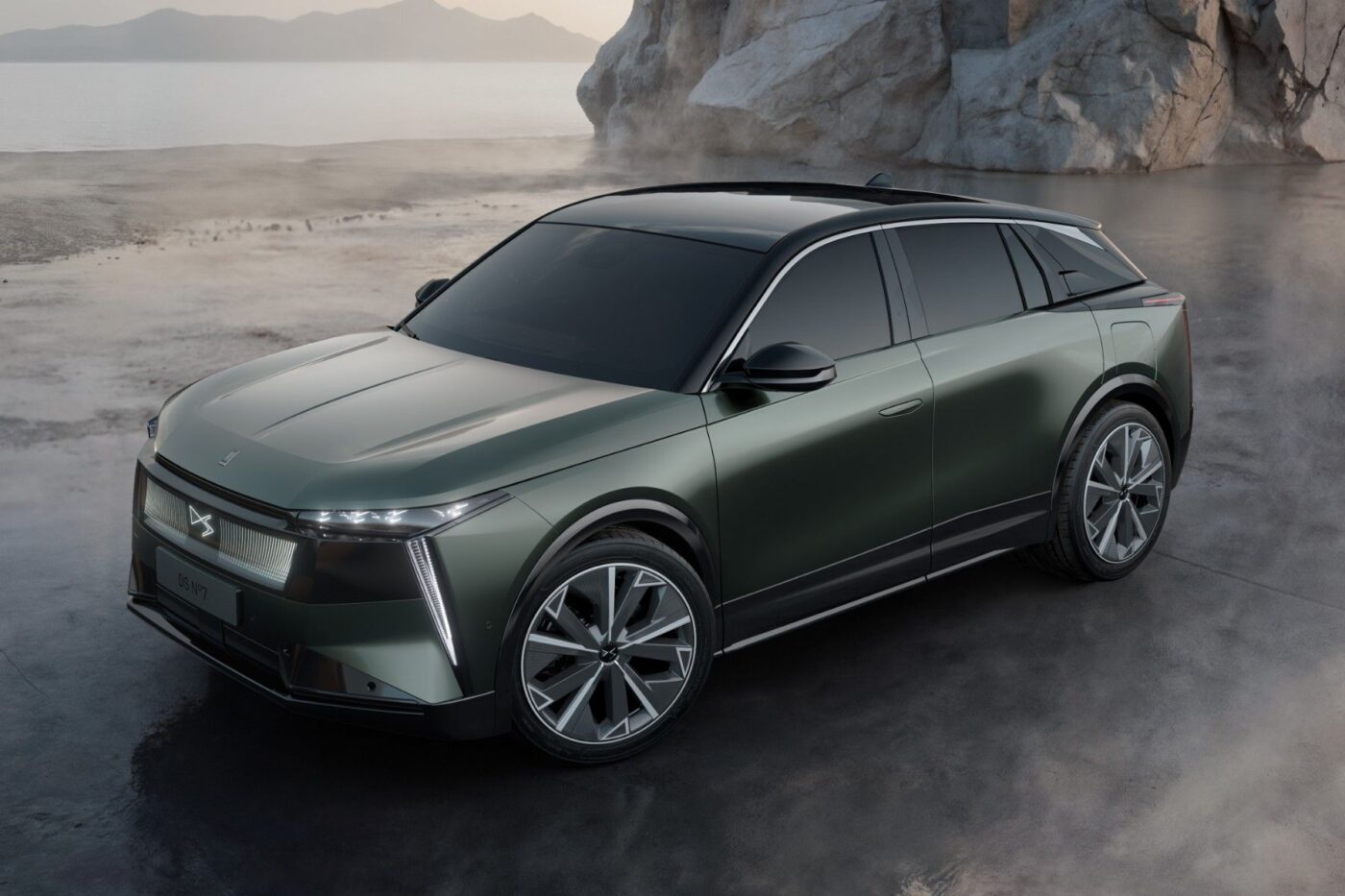
The Paris-based premium brand DS has presented the successor to its best-selling DS 7, which has been available since 2018. The model switches from the EMP2 platform to Stellantis’ STLA Medium architecture – in line with several Opel, Jeep and Peugeot electric models that already use the new platform. The DS N°7 (pronounced ‘DS Number Seven’) will launch in three electric powertrain versions and as a hybrid. Orders in Germany are set to open in May 2026. The actual market launch is scheduled to follow in autumn.
Like its predecessor, the DS 7, the DS N°7 is a compact SUV designed to impress with premium features. Since its founding in 2014, the brand has avoided targeting the mass-market compact SUV segment, instead focusing on a niche audience. While the DS 7 is the French brand’s core electric model, it remains a niche electric vehicle. Within the DS lineup, the DS N°7 joins the flagship DS N°8, introduced in 2025, and the compact saloon DS N°4.
BEV variants to offer three powertrain options
The battery-electric versions of the DS N°7 will be available in three power levels. The DS N°7 E-Tense FWD features front-wheel drive with 169 kW and a 73.7 kWh battery, delivering a range of up to 543 kilometres. The model’s boost function can temporarily increase power to 191 kW. For all battery-electric DS N°7 variants, the top speed is electronically limited to 190 km/h.
The DS N°7 E-Tense FWD Long Range is equipped with a more powerful front motor, delivering 180 kW and up to 206 kW in boost mode. DS states that this model can achieve a range of up to 740 kilometres, thanks to ‘aerodynamic efficiency’, as well as ‘a 97.2 kWh battery made in France and a comprehensive approach to efficiency.’ The drag coefficient of 0.26 enables over 450 kilometres of range even at motorway speeds (averaging 120 km/h). The brand is positioning this model as a long-distance-capable EV.
The DS N°7 E-Tense AWD Long Range, however, focuses on performance. This all-wheel-drive model offers a system output of 257 kW (276 kW with boost) and accelerates from 0 to 100 km/h in 5.4 seconds. The 97.2 kWh battery in this top-tier model provides a range of up to 679 kilometres, according to DS.


The large battery, featuring NMC cells, is already familiar from Peugeot models such as the E-3008 and E-5008. It is manufactured in northern France and supports DC fast charging at up to 160 kW. While this is not an exceptional figure for a premium EV, DS emphasises: “DS N°7 E‑TENSE can charge from 20% to 80% in 27 minutes (31 minutes for the 73.7 kWh battery) with thermal preconditioning of the battery. This is activated automatically if a destination is set in the navigation, or manually via the central display. The charging power remains at 160 kW between 20 and 55% charge level, allowing you to recover 190 km of range in 10 minutes.”
DS states that charging from 20 to 80 per cent takes 27 minutes. The battery can also be thermally preconditioned either automatically or manually. This battery heating feature, along with the vehicle-to-load (V2L) function available in the DS EV, are newly accessible features of the STLA Medium platform. The N°7 also supports Plug&Charge.
For completeness, the fourth model variant, the DS N°7 Hybrid, should also be mentioned. This mild hybrid combines a 1.2-litre three-cylinder turbo petrol engine with a 48-volt electric motor and can cover short distances purely electrically. DS is also preparing a larger hybrid drivetrain, with details to be announced later.
N°7 gains five centimetres in length
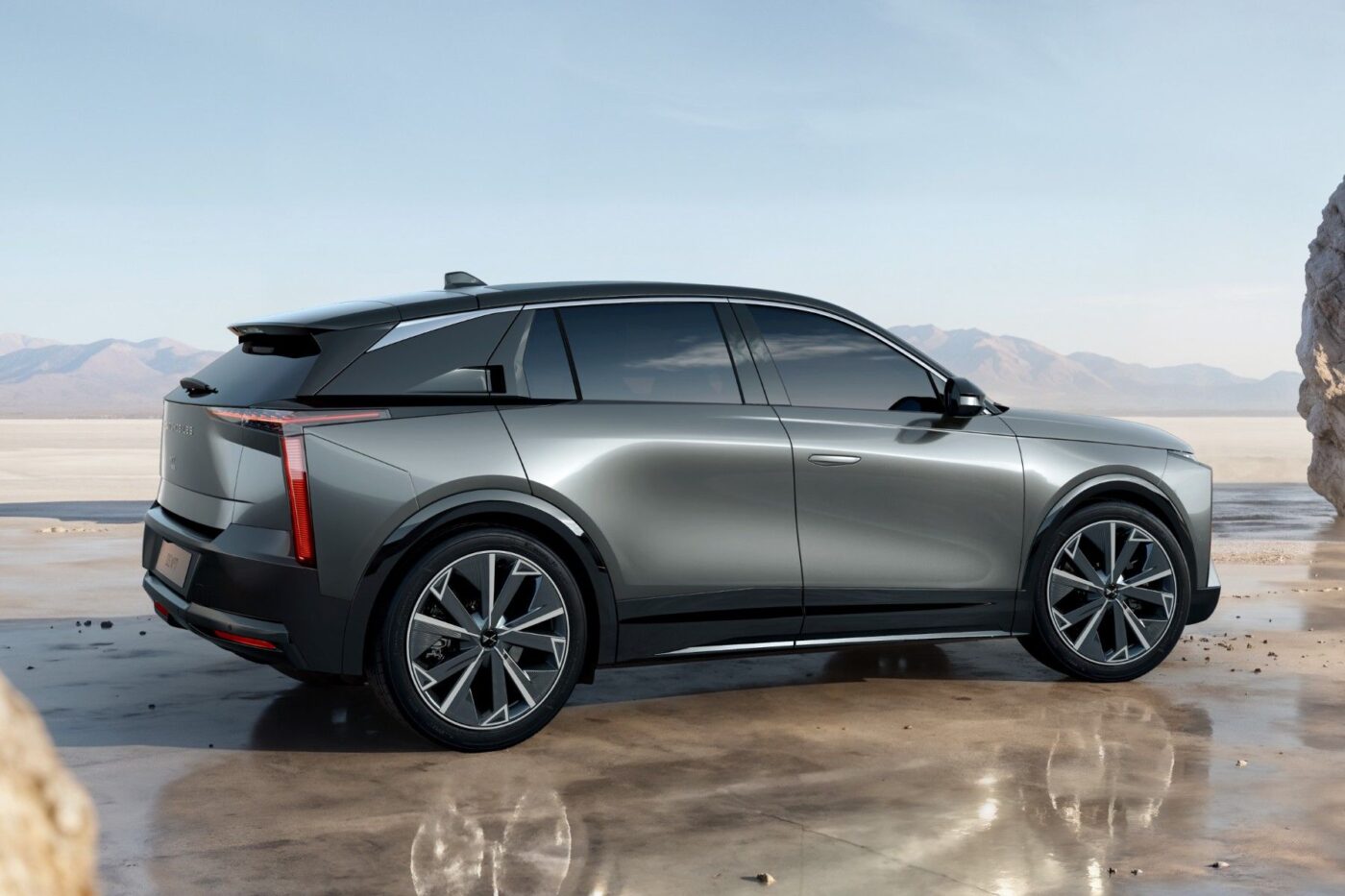
Regardless of the drivetrain, the DS N°7, like its predecessor, blurs the lines between segments: its compact exterior dimensions are combined with comfort and interior features typically found in higher vehicle classes. Compared to the DS 7, the new DS N°7 retains a width of 190 centimetres and a height of 163 centimetres but grows in length by around five centimetres to 4.66 metres. This increase primarily benefits the wheelbase (+5 cm to 2.79 metres), improving interior space. The boot volume remains largely unchanged, offering between 500 and 560 litres depending on the drivetrain and audio system. Folding down the 40/20/40 split rear seats creates an even larger, flat loading area.
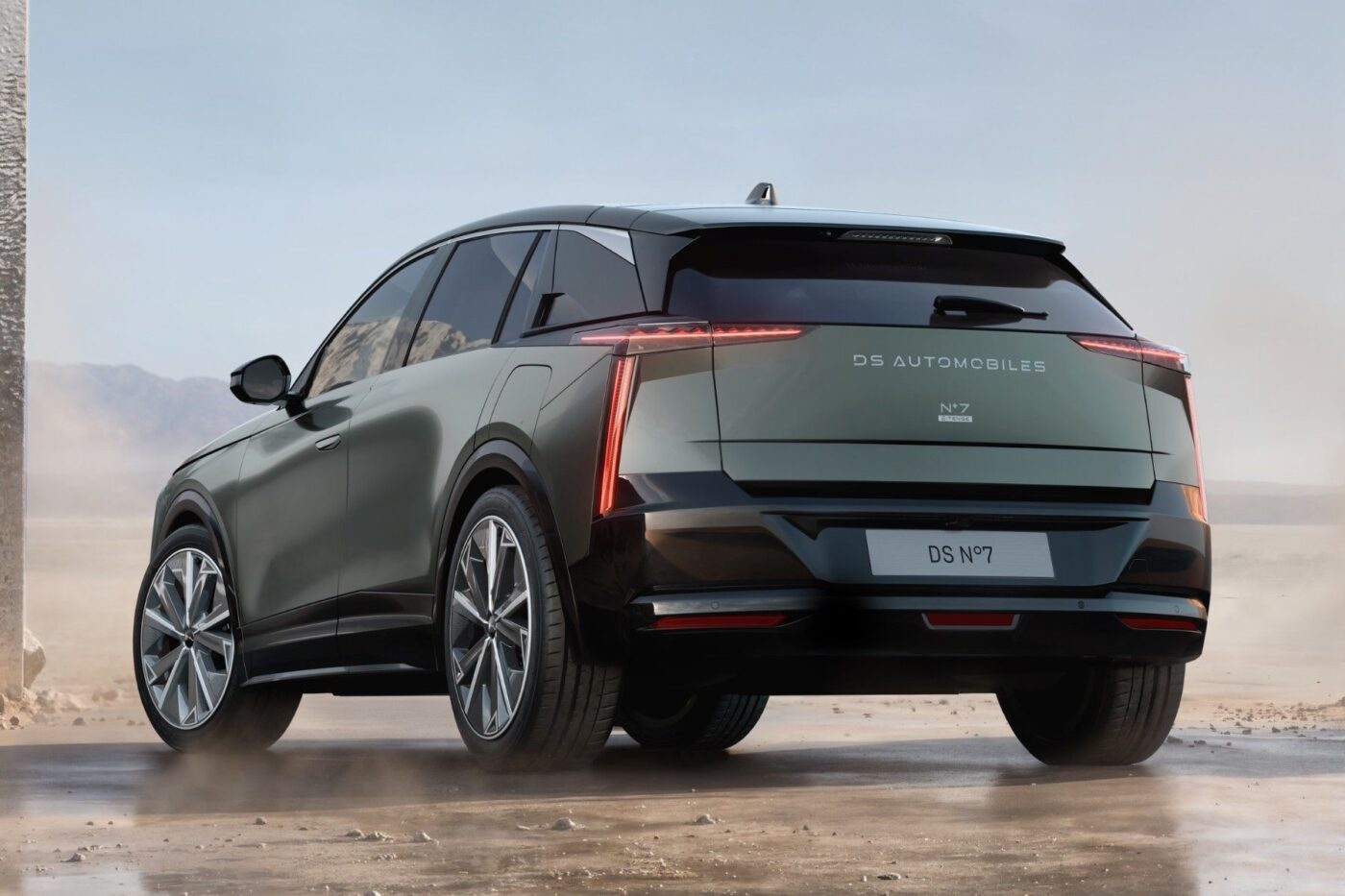
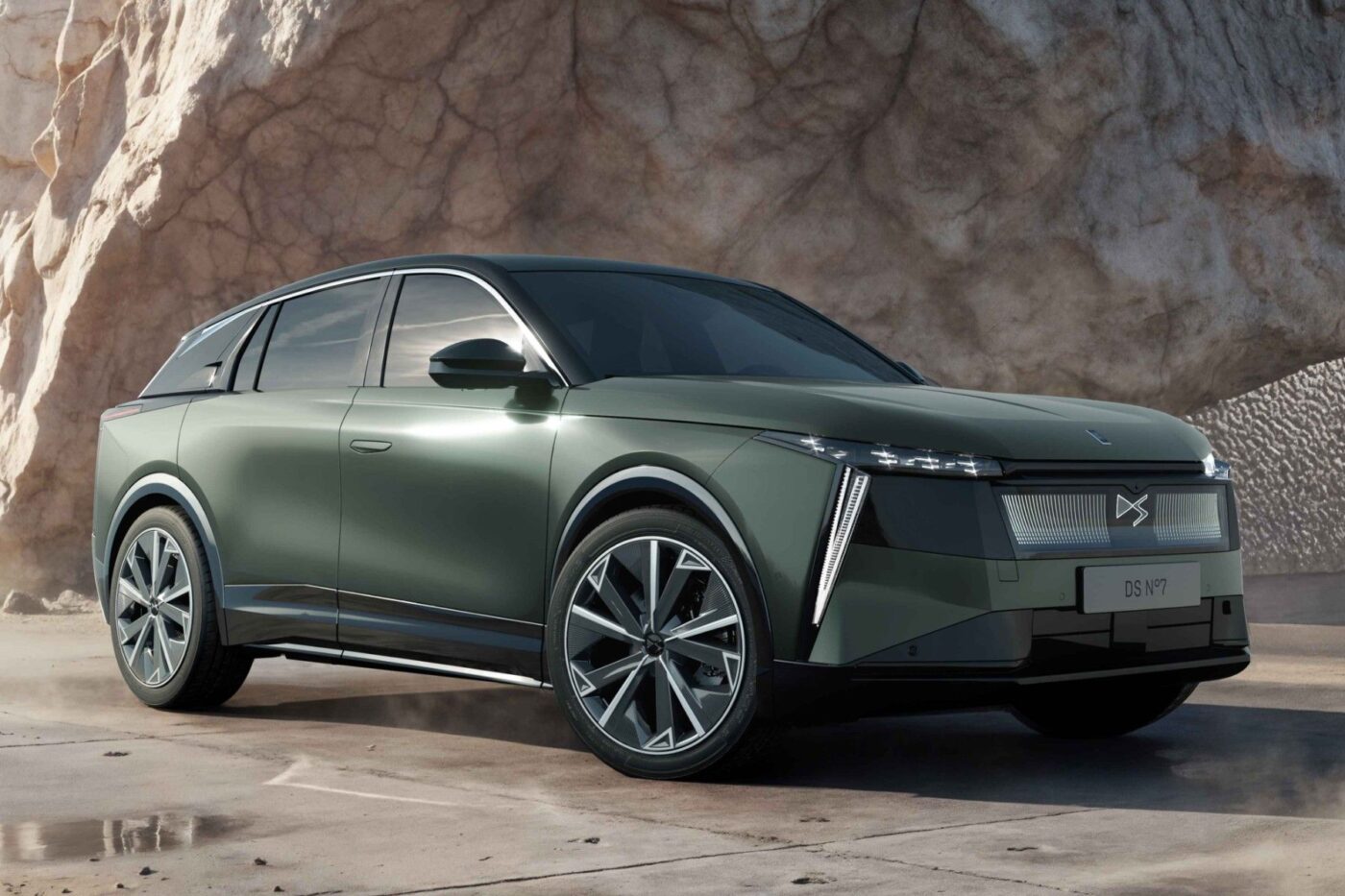
Visually, DS remains true to its elegant and dynamic design language. The new model rides on lightweight alloy wheels with diameters ranging from 18 to 21 inches. New features include a slight curvature of the roof, inspired by the DS Aero Sport Lounge concept vehicle, which also ensures ample headroom for rear passengers. The longer wheelbase additionally enhances legroom, and the rear doors have been extended compared to the predecessor—partly to increase the side window area by 30 per cent. According to DS, the optional panoramic roof has been enlarged by 40 per cent.
The front of the DS N°7 is characterised by the new lighting signature introduced with the DS N°8. The compact SUV is available in Palladium Grey, Topaz Blue, Alabaster White, Crystal Grey, Perla Nera Black, and the new Silk Green paint. The model can be further customised with a black contrasting roof and ‘an extended bi-tone colour that extends over the bonnet,’ which allows, for example, the bonnet and grille to be finished in black.
From active suspension to neck warmers
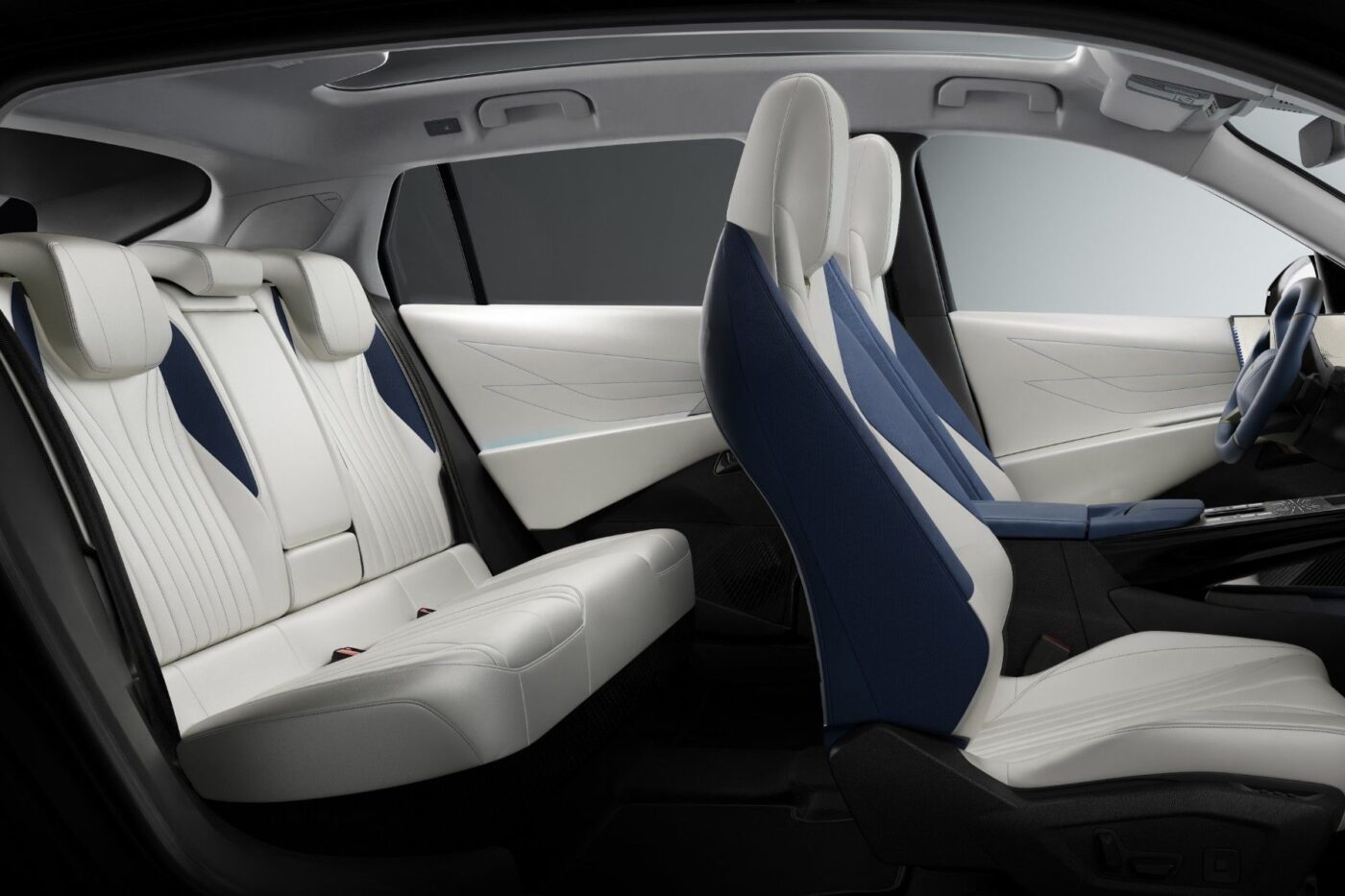
Additional features of the DS N°7 include an active suspension system (‘DS Active Scan Suspension’), one-pedal driving, specially damped laminated glass for acoustic comfort, and a high-end sound system (‘Electra 3D’). The front seats are equipped with heating, cooling, and massage functions, depending on the trim level. DS also offers a ‘neck warmer, which diffuses gentle heat to the back of the neck,’ as well as rear seat heating and separate climate control for rear passengers.
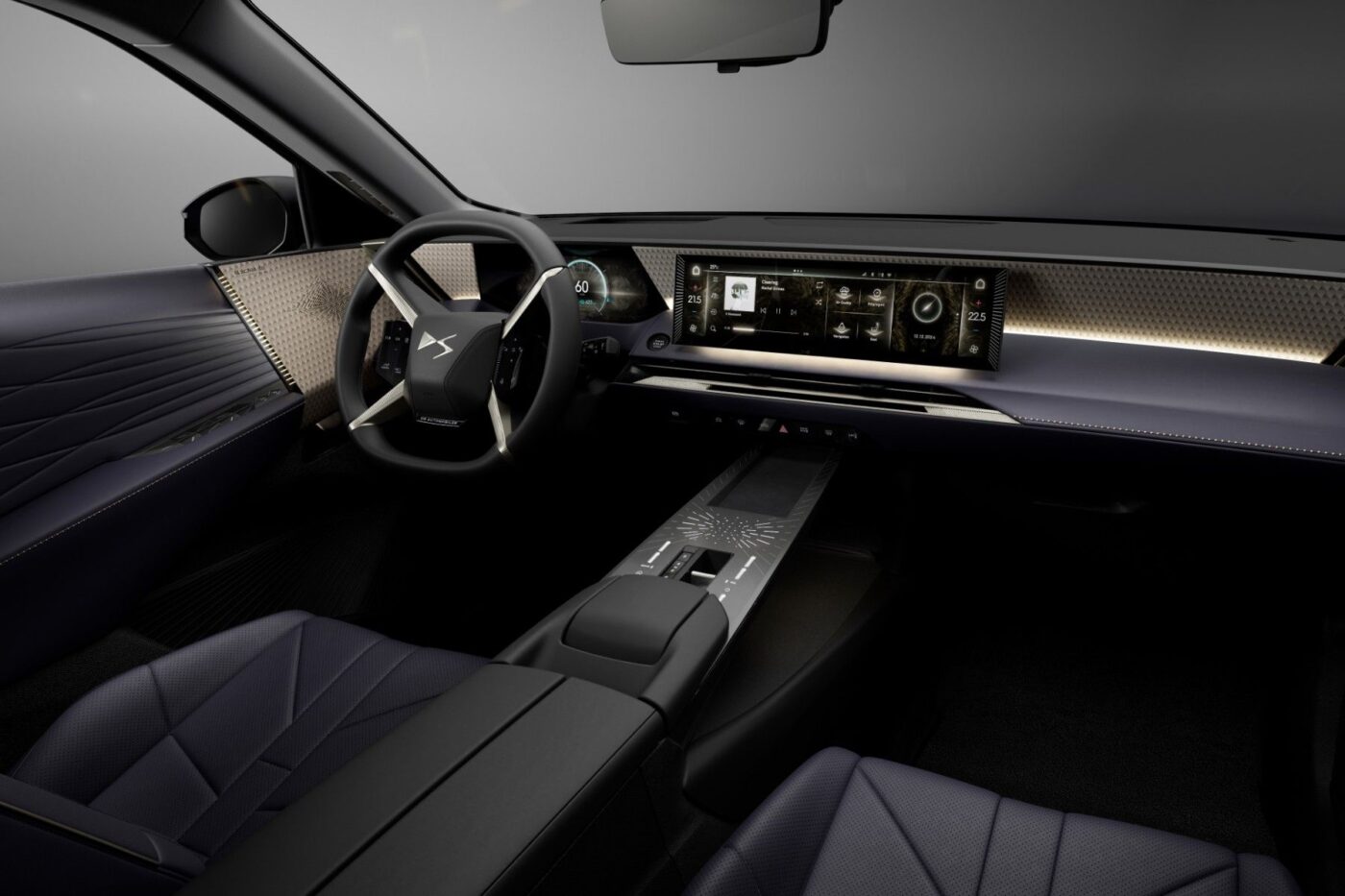
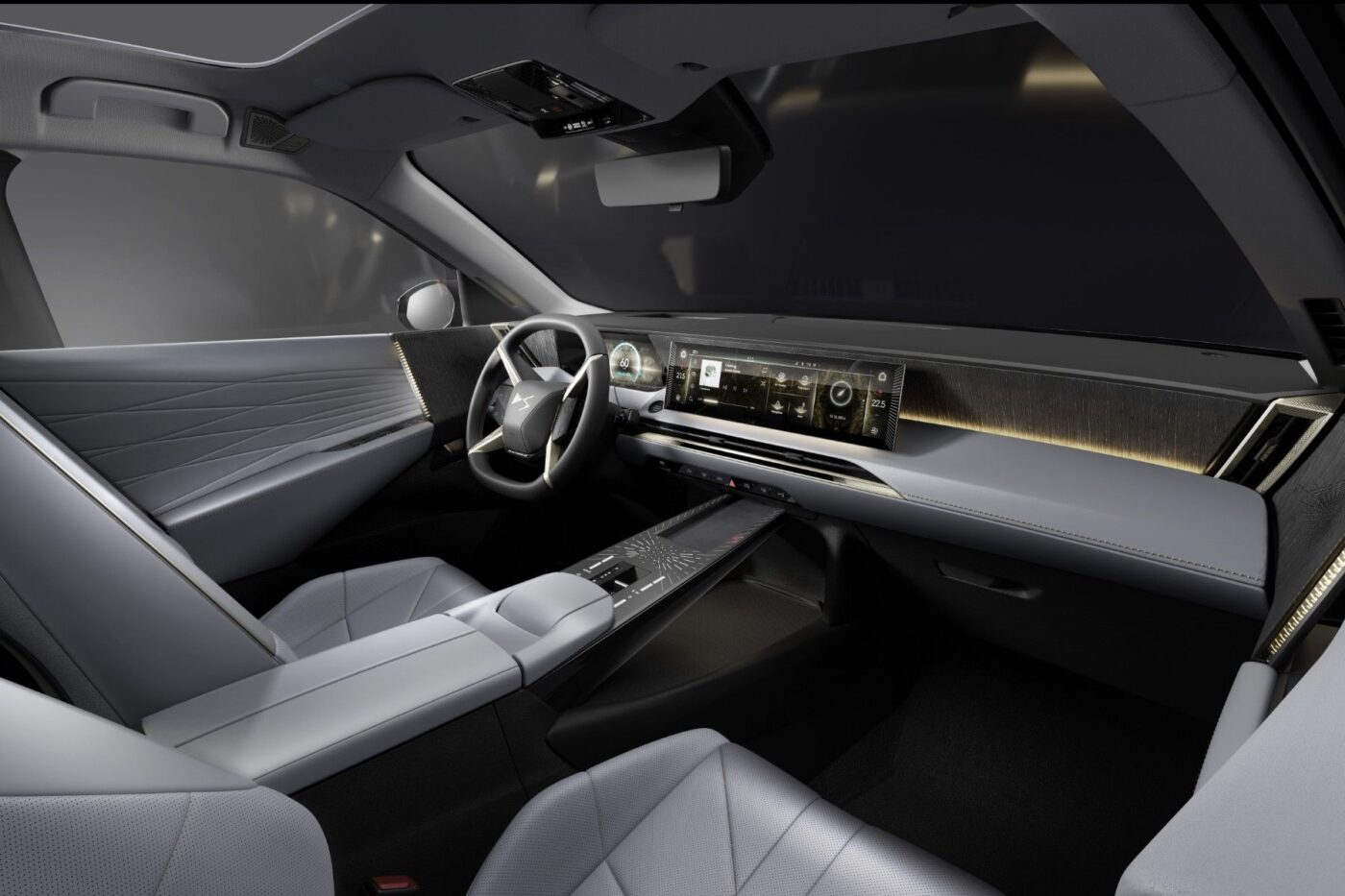
The trim levels are divided into Aura, Pallas, and Étoile. The interior features ‘large areas are covered in soft materials’ and can be combined with brushed aluminium or real wood trims. Additional premium features include Nappa leather upholstery and ambient lighting. The cockpit is dominated by a digital instrument cluster, combining a 10-inch display with a 16-inch touchscreen, integrated into the dashboard above the centre console.
The switch to the STLA Medium platform enables significant improvements in the DS N°7’s driver assistance systems. The model will feature digital rear-view mirrors, an augmented head-up display, and an infrared camera integrated into the front bumper (‘DS Night Vision’). It also includes DS Drive Assist 2.0, an ADAS system that supports Level 2 semi-automated driving. Furthermore, the N°7 is equipped with the group’s next-generation infotainment system (‘DS Iris System 2.0 with ChatGPT’), which can be operated via voice recognition or touchscreen. DS says that the integration of the AI ‘enables a natural conversation to be had with DS N°7.’
Model is nearly 90% built in Europe
DS also emphasises that nearly 90 per cent of all vehicle components in the N°7 are sourced from European production. For example, the 97.2 kWh battery is manufactured at the ACC Gigafactory in Billy-Berclau, northern France—a joint venture in which Stellantis is a founding member and majority shareholder. Another Stellantis-affiliated company, NPE in Trémery, northeastern France, produces the electric motor. Final assembly takes place at the Stellantis plant in Melfi, southern Italy. Pricing for the N°7 has not yet been announced, though the current entry-level DS 7 starts at €49,460.
“After the launch of N°8, our 100% electric flagship offering up to 750 km of range, followed by N°4, the most comfortable multi‑energy saloon in its segment, the arrival of N°7 continues this momentum for DS Automobiles,” emphasises Xavier Peugeot, CEO of DS Automobiles. “First model renewal within our young premium Brand, DS N°7 embodies a new stage of maturity: blending refinement, comfort and technology, it stands as a key strategic milestone for the brand.”
media.stellantis.com
0 Comments