


Free trade agreement eases electric vehicle exports to Australia
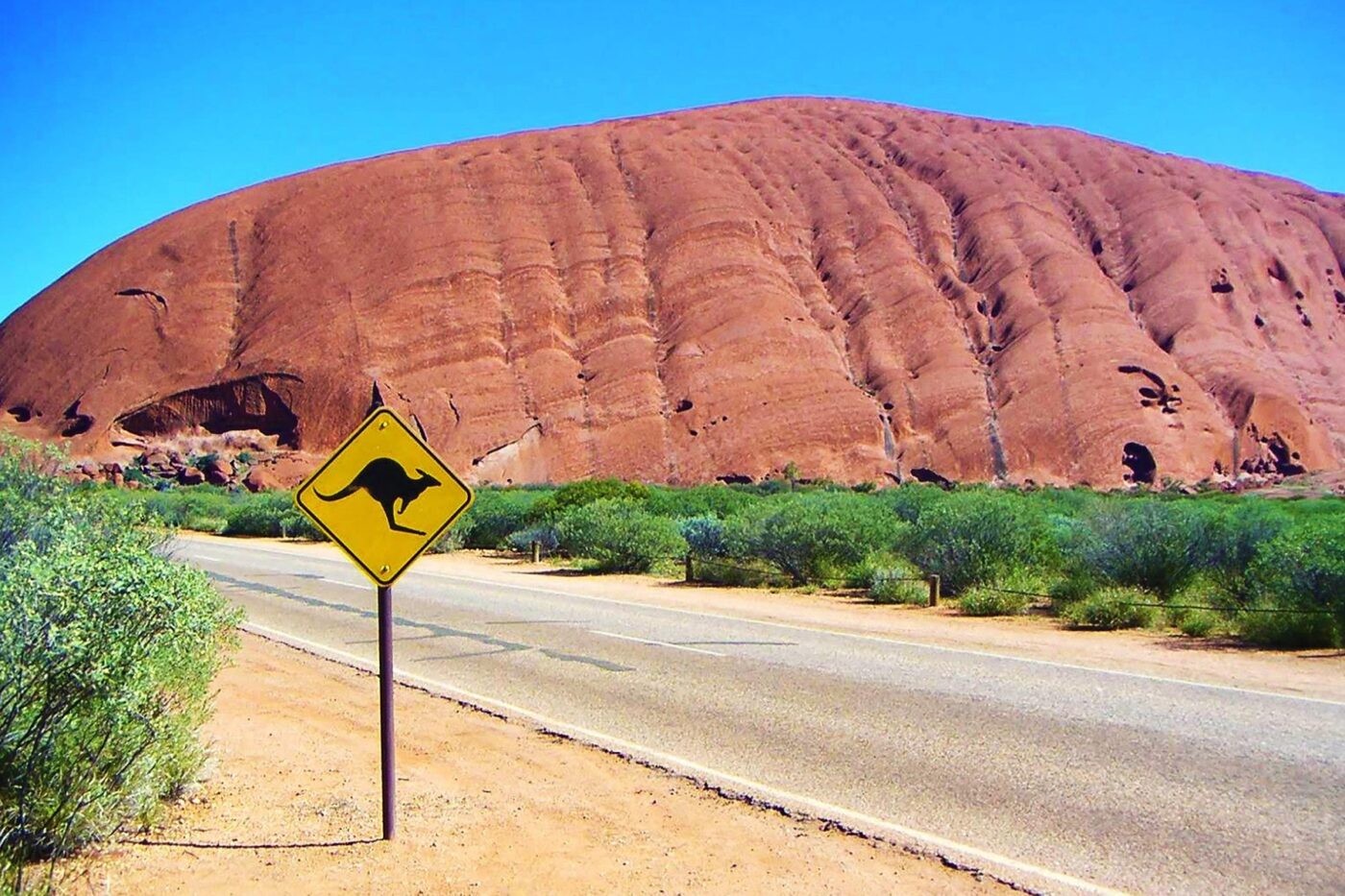
The agreement aims to significantly reduce and, in most cases, eliminate trade barriers and tariffs entirely. It provides for the abolition of more than 99% of tariffs on EU exports to Australia, while also lowering tariffs on imports of critical minerals. According to the European Commission, this will save European companies around one billion euros annually in customs duties. Specifically for the EU automotive industry, the Commission forecasts a growth potential of 52% in Australia over the next decade.
Two measures are particularly relevant for the automotive sector: the previous 5% tariff on vehicle imports from the EU to Australia will be completely abolished, applying to vehicles of all drive types, including battery-electric vehicles. Conversely, EU tariffs of up to 4.5% on automotive parts from Australia will also be removed, making the import of these components into the European Union more cost-effective.
Additionally, the Australian Luxury Car Tax (LCT), which has been one of the biggest obstacles for European premium manufacturers exporting to Australia, will be relaxed for electric vehicles. The threshold above which EVs are subject to the LCT was previously set at 91,387 Australian dollars (approximately 55,000 euros) but will now be raised to 120,000 AUD (approximately 72,250 euros).
Many European premium electric vehicles, such as the Audi Q6 e-tron or the BMW iX3, are priced between 95,000 and 115,000 AUD in Australia. Previously, buyers had to pay a 33% luxury tax on every dollar above the threshold of 91,387 AUD. In future, these vehicles will be entirely exempt from the luxury tax. The European Commission estimates that around 75% of electric vehicles exported from the EU will no longer be subject to the luxury tax due to the increased threshold. However, the threshold for internal combustion engine vehicles will remain at 91,387 AUD.
Hildegard Müller, President of the German Association of the Automotive Industry (VDA), stated in advance that the trade agreement would ‘open up significant opportunities’ for the European automotive industry, particularly for Germany’s export-oriented manufacturers. These manufacturers face strong competition from China and Japan in the Australian market. Müller added: “In times of increasing isolationism and protectionism, this agreement sends a powerful signal for fair and rules-based trade.” According to the VDA, around 44,000 cars were exported from Germany to Australia in 2025.
Of further interest to Europe’s electric vehicle ecosystem: EU tariffs on critical minerals (5.5%) and lithium hydroxide (5.3%) from Australia will also be abolished, benefiting European battery manufacturers. Australia is a major producer of raw materials such as aluminium, lithium, and manganese, which are crucial for the EU’s economic security and competitiveness, according to a statement from the European Commission. Demand for critical raw materials is expected to rise significantly, and the EU remains heavily dependent on imports. The agreement will improve the EU’s access to Australian raw materials.
handelsblatt.com (in German), europa.eu
0 Comments